Nicole Mires's Fullscript Account
Welcome! Through Fullscript, Nicole Mires's Fullscript Account offers high-quality supplements and wellness products, delivered right to your door. Get started with the recommended products from Nicole Mires's Fullscript Account, or sign in/up to explore the entire product catalog.
Up to 25% off every order when you sign up*
Shop the highest quality, rigorously tested supplements
Fast and free shipping for orders over $50
*Labs and select products not eligible
Existing account? Log in here
Featured public protocols
Nicole Mires's Fullscript Account's general recommendations, available to anyone who visits this store.
MCAS Protocol
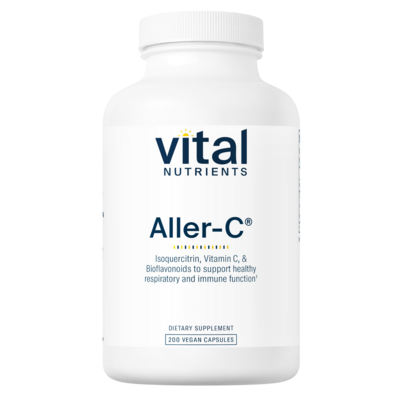
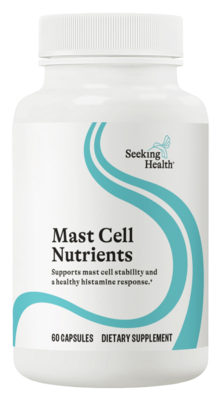
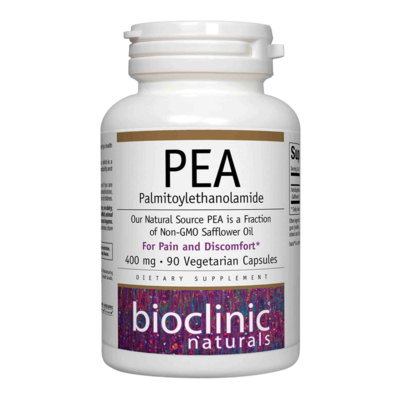 7 more items in MCAS Protocol
A Note Before You Begin In a reactive system, you cannot tell what is helping and what is triggering if you change everything at once. Start with one thing. Give it two weeks. Observe. Then add the next. Reactions to supplements are information, not failure. If something makes you feel worse, that is your body telling you something useful. We adjust from there. Mast Cell Stabilizers (Natural) Quercetin / Isoquercetin is a natural mast cell stabilizer and antihistamine. Isoquercetin has significantly better absorption than plain quercetin. AllerC combines it with bromelain and vitamin C, which enhance absorption and add their own anti-inflammatory effects. Start at 250mg twice daily with food and work up slowly. Luteolin is another flavonoid with strong mast cell stabilizing properties, often better tolerated in highly reactive patients. NeuroProtek (developed by Dr. Theoharides) combines luteolin with quercetin and rutin in a liposomal form, with particularly good results when brain fog and neurological symptoms are prominent. Vitamin C degrades histamine directly and stabilizes mast cells. Buffered or liposomal forms are gentler on reactive guts. 500mg twice daily is a reasonable starting point. Stinging Nettle (freeze-dried leaf) is a gentle natural antihistamine. A good first choice for people who react to everything and need a very cautious starting point. PEA (Palmitoylethanolamide) is an endogenous compound that downregulates mast cell activation, particularly in the nervous system and gut. Well tolerated. Useful for pain amplification and neurological symptoms. Nervous System and Metabolic Support Magnesium glycinate is a mast cell stabilizer, nervous system support, and sleep support all in one. One of the most universally well-tolerated supplements in this population. 200 to 400mg at night. The glycinate form is gentler on the gut than citrate or oxide. B6 (P5P form) supports the DAO enzyme that breaks down dietary histamine. Use the active P5P (pyridoxal-5-phosphate) form, not regular B6. 25 to 50mg daily. B12 (methylcobalamin) supports methylation, which is a key histamine clearance pathway. Sublingual methylcobalamin is better absorbed. Particularly relevant if you carry an MTHFR variant. Omega-3 fatty acids are anti-inflammatory and mast cell stabilizing. Start low. If you react to fish oil, try algae-based omega-3s instead. Gut Support DAO enzyme supplements (such as Umbrellux DAO) replace the enzyme that breaks down dietary histamine in the gut. Take before meals. Helpful if you notice that food reactions are a significant part of your picture. Probiotics with caution. Some probiotic strains actually produce histamine (Lactobacillus casei, L. bulgaricus, L. helveticus). Preferred strains: Lactobacillus rhamnosus GG, L. plantarum, and Bifidobacterium species. Start with a single strain at low dose. Zinc carnosine supports gut mucosal integrity and stabilizes mast cells in the GI tract. Useful when gut symptoms are prominent. The Dietary Piece: The Bucket Model Everyone has a bucket. In MCAS, the bucket is smaller and already partially full. When the bucket overflows, your symptoms appear. The goal is not to find one trigger to eliminate forever- the goal is to keep the total load below the overflow point. A low-histamine diet is a useful tool, especially at the beginning. Key high-histamine foods to reduce: aged cheeses, fermented foods, alcohol (especially red wine), cured meats, vinegar, leftovers, spinach, tomatoes, avocado, eggplant, strawberries, and citrus. This is not a permanent prescription. It is a way to lower the water level in the bucket while the terrain stabilizes. One practical note: freshness matters more than the food itself. Many people with MCAS tolerate fresh-cooked food but react to the same food as a leftover. Histamine increases as food sits. Cook fresh, eat fresh when possible. Environmental Load The bucket fills from every direction, not just food. Reducing environmental triggers is often the most impactful intervention and the most overlooked. Synthetic fragrance is one of the most common mast cell triggers. Unscented laundry products, personal care, and cleaning products make a real difference. Mold is a significant mast cell activator and worth investigating if symptoms are worse in specific buildings or at home. Temperature extremes (sudden heat or cold) trigger mast cell degranulation in many people. Gradual transitions help. And stress. Not as a psychological observation, but as physiology. Cortisol and adrenaline directly lower the threshold for mast cell firing. Nervous system regulation is mast cell medicine. This is why acupuncture, qigong, and breathwork are not adjunctive extras in this framework. They are primary terrain interventions.
View protocolStamina Stack
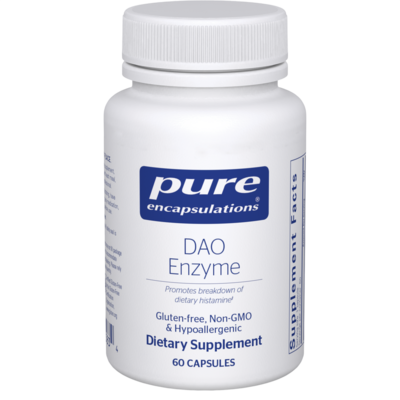
 4 more items in Stamina Stack
Quercetin (500–1000mg with bromelain for absorption, twice daily) — a flavonoid with natural mast cell stabilizing properties and anti-inflammatory effects. It works through a different mechanism than cromolyn and complements it well. Take it away from blood thinners. Buffered Vitamin C (1000–2000mg daily in divided doses) — supports histamine degradation via the enzyme diamine oxidase (DAO) and provides antioxidant support for mast cell-driven oxidative stress. Buffered forms are better tolerated in a reactive GI tract. DAO Enzyme (taken with meals) — directly breaks down dietary histamine in the gut before it can be absorbed. Particularly useful for people whose reactions are heavily food-triggered. Magnesium glycinate (300–400mg at night) — supports the nervous system, reduces mast cell reactivity through its calcium-channel effects, and addresses the magnesium depletion that chronic stress and poor sleep cause. Glycinate form is best tolerated GI-wise. Omega-3 fatty acids (2–3g EPA/DHA daily) — anti-inflammatory, supports mast cell membrane stability, and addresses the prostaglandin dysregulation that is part of MCAS. The pharmaceutical layer — H1 antihistamine, H2 antihistamine, cromolyn — reduces the acute mediator burden. The supplement layer supports the underlying biology that makes mast cells dysregulated in the first place. Neither layer replaces the other. Please use responsibly, under guidance of a knowledgeable professional. This stack is a recommended protocol based on knowledge gathered from various resources, and does not take into account individual cases and medication contraindications.
View protocol
Featured product collections
Discover groups of products curated by Nicole Mires's Fullscript Account.
Allergy Relief
5 products
Powered by Fullscript
Explore the entire wellness catalog
High-quality wellness products, ready to shop the moment you join.
Sign up for Nicole Mires's Fullscript Account's store2M+
Patients served
50k+
Products to shop
Up to 25%
Off when you sign up