Public protocols
Rachel Lisle Wellness's general recommendations, available to anyone who visits this store.
Women's Health – Fertility
 4 more items in Women's Health – Fertility
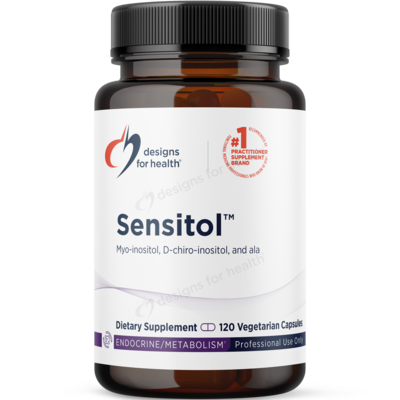
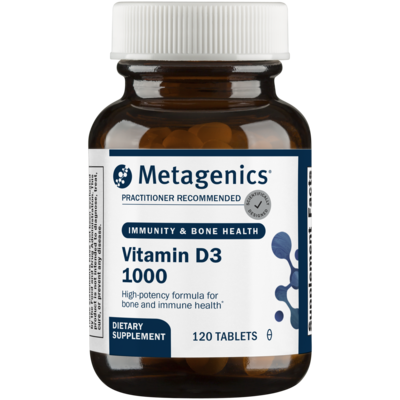
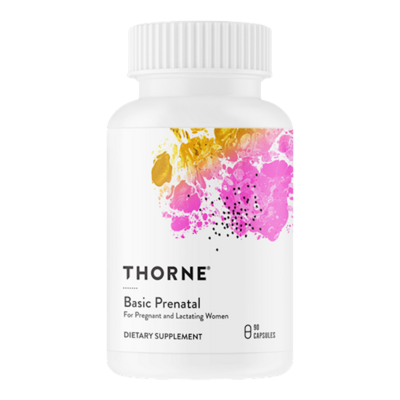
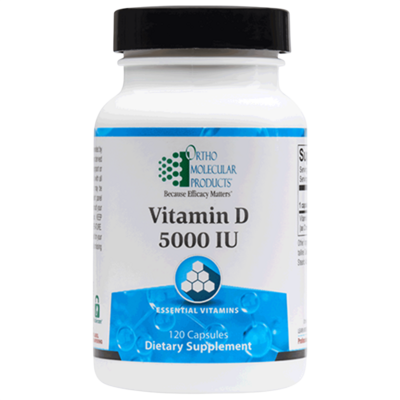
Infertility affects approximately 10 to 15% of couples. ( 12 ) While the causes of infertility vary and can be linked both to male and female conditions, one contributing factor may be hormonal dysfunction in women. ( 2 ) Testing levels of hormones, such as estrogen, progesterone, testosterone, follicle-stimulating hormone (FSH) and luteinizing hormone, can all assist in identifying imbalances and addressing hormonal dysfunction in women. Hormone dysfunction may contribute to changes in ovulation rates or anovulation, and correcting levels of hormones may improve pregnancy success and reduce the probability of miscarriage. ( 7 )( 20 )( 23 ) A number of factors may contribute to hormonal dysfunction, including environmental disturbances. Research suggests that endocrine disruptors, which may be present in air pollution, are correlated with increased rates of miscarriage, reduced live birth rates, and increased levels of nitrogen dioxide and ozone in populations undergoing in vitro fertilization (IVF). ( 5 ) In addition, hormonal dysfunction is commonly seen in conditions such as polycystic ovarian syndrome (PCOS). Low serum vitamin D in women with PCOS appears to be correlated with endocrine disturbances. ( 1) Addressing imbalances in hormones, such as androgens, testosterone, and dehydroepiandrosterone, may be beneficial in the treatment of PCOS. ( 5 ) Improving the quality and maturation of oocytes also demonstrates promising results in women with or without PCOS undergoing ovulation induction. ( 3 )( 20 ) Based on current research findings, the ingredients in the protocol below have demonstrated efficacy in improving a variety of factors associated with female fertility. Myo-inositol 2000-6000 mg with 100-400 mcg folic acid, 1-2 times per day, minimum 2 months ( 3 )( 11 )( 13 )( 21 ) Poor responders undergoing intracytoplasmic sperm injection (ICSI) who received myo-inositol and folic acid supplementation experienced improved ovarian responses to gonadotropins, demonstrated by higher ovarian sensitivity index scores, as well as increased mature metaphase II oocytes rates and reduced total rec-FSH units compared to patients who received folic acid alone ( 3 ) Supplementation of myo-inositol three months prior to follicular stimulation and in vitro insemination reduced the number of mature oocytes, improved total gonadotropin scores correlating with an increase in implantation rate, and subsequently reduced the total required dose of rFSH ( 13 ) Meta-analysis of 10 randomized trials found myo-inositol or D-chiro-inositol supplementation increased the frequency of menstrual cycles and improved ovulation rate with or without metformin administration ( 20 ) Myo-inositol improves sensitivity to clomiphene citrate, demonstrated by increased ovulation rates from 42% to 65.5% and pregnancy rates from 42.4% to 53.8% when compared to a historical cohort ( 21 ) Infertile PCOS patients undergoing intrauterine insemination (IUI) who received myo-inositol prior to controlled ovulation induction (COH) experienced less canceled cycles and increased rates of pregnancy and number of spontaneous pregnancies, resulting in lower rFSH dose requirements and duration of ovulation induction ( 11 ) Prenatal multivitamin Prenatal formulation including 800 mcg folic acid, 28 days prior to conception and continued through the second missed menstrual period, or prenatal formulation including 800 mcg folic acid, 4-6 weeks prior to ovulation induction ( 1 )( 6 ) Systematic review of five studies found supplementation of multivitamin for 28 days prior to conception and through the second missed menstrual period positively increased fertility from 2.7% to 3.8%, measured by cumulative conceptions and multiple births, and reduced neural tube defects in women with or without ovarian stimulation ( 6 ) Subfertile women treated with clomiphene citrate and gonadotropins undergoing ovulation induction experienced higher pregnancy rates (66.7%) and required fewer pregnancy attempts with concomitant multiple micronutrient supplementation compared to folic acid alone (39.3%) ( 1 ) Micronutrient supplementation improved pregnancy rates and live birth rates when administered during in-vitro fertilization (IVF) therapy ( 2 ) Vitamin D3 50,000 IU, administered once, or 1000 IU per day, 6 months ( 8 )( 9 ) Repletion of vitamin D increases clinical pregnancy rates, the likelihood of positive pregnancy tests, and live birth rates in vitamin D-deficient individuals undergoing assisted reproductive technology (ART) when compared to a control group ( 4 ) Vitamin D regulated Anti-Müllerian hormone (AMH) as shown by an increase in AMH after supplementation in women aged 18 to 25 years old when supplemented ( 9 ) Premenopausal women were found to experience an 18% decrease of AMH levels in winter compared to summer; supplementation was found to prevent seasonal decrease ( 8 ) Systematic review and meta-analysis of 24 studies found Anti-Müllerian hormone (AMH) levels to decrease after vitamin D supplementation in patients with PCOS, and increase in supplementation in women without PCOS ( 15 ) N-acetylcysteine (NAC) 1200 mg, starting on day 3 of the cycle for 5 days, for 12-24 consecutive cycles; or 1800 mg in patients with PCOS, once per day, for 8-12 weeks ( 14 )( 17 )( 19 )( 22 ) NAC administered concomitantly in clomiphene citrate-resistant patients with PCOS was associated with increased ovulation and pregnancy rates ( 19 ) When comparing clomiphene citrate treatment alone to concomitant treatment with NAC or metformin in PCOS patients, the group receiving NAC experienced higher rates of pregnancy (20% compared to 10% in the clomiphene citrate and clomiphene citrate/metformin groups), improved ovulation and peak endometrial thickness ( 14 ) Ovulation and pregnancy rates improved as well as ideal endometrial thickness in infertile women with PCOS ( 22 ) NAC administered with unilateral laparoscopic ovarian drilling (LOD) in clomiphene citrate-resistant PCOS patients was associated with increased ovulation rates from 67% to 87% and pregnancy rates from 57% to 77%, lowered miscarriage rates from 23.5% to 8.7%, and subsequent live birth rates of 67% compared to 40% in the placebo group ( 17 ) Ashwagandha (Withania somnifera) 300 mg (e.g. KSM-66 extract), twice per day, for 8 weeks ( 10 ) Ashwagandha supplementation was associated with enhanced sexual behavior in females as measured by the female sexual function index (FSFI) and female sexual distress index (FSDI) ( 19 ) Supplementation improved FSFI and FSDS scores, and increased number of sexual encounters ( 10 ) Ashwagandha supplementation improved sexual function, demonstrated by an increase in FSFI score by 122.67%, accounting for improvements in arousal (62.09%), lubrication (59.30%), orgasm (82.05%), and satisfaction (62.33%) when compared to baseline ( 10 )
Healthy Aging - Antioxidant Support
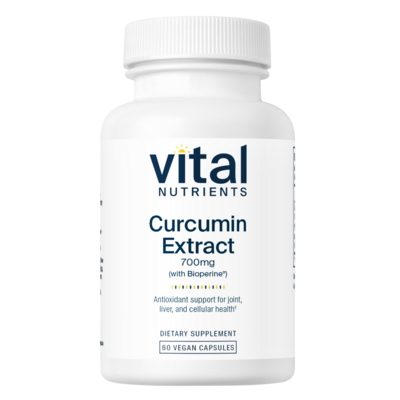
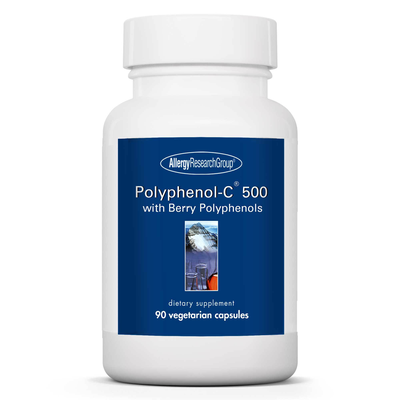 5 more items in Healthy Aging - Antioxidant Support
Focus and Attention Support
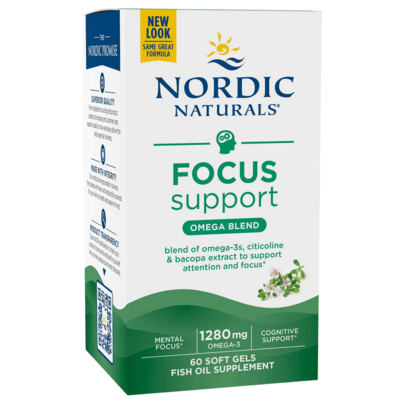
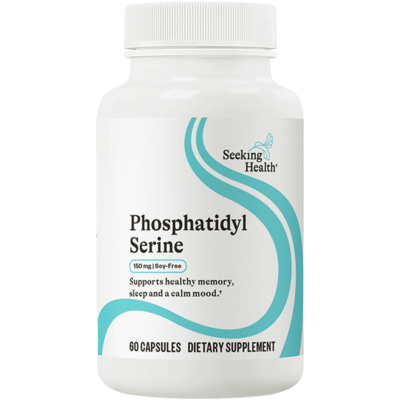
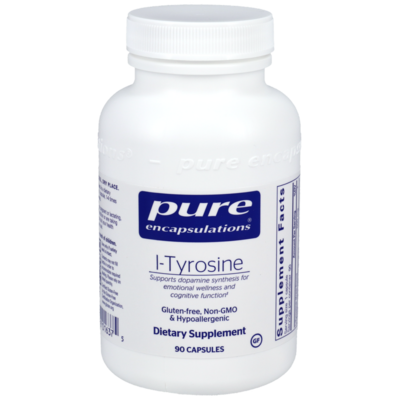
Below is an outline for treating ADHD Diet interventions: minimize or eliminate dairy, gluten, food coloring/additives, aim for paleo/ whole foods /mediterranean diet Other tests to consider: neurotransmitter testing or Gi effects stool testing by Genova
Personal Care Products
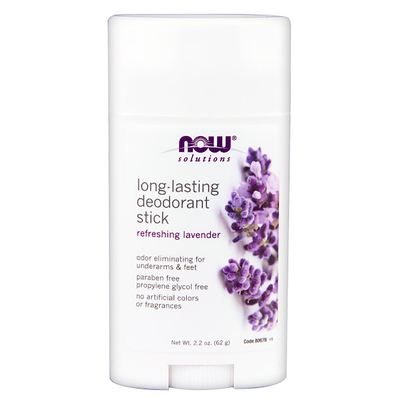
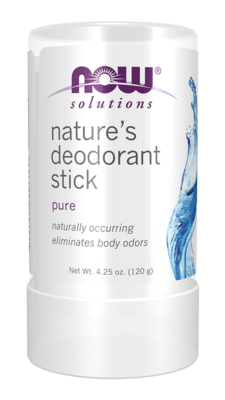
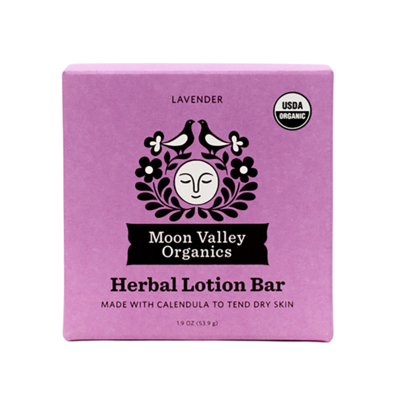 7 more items in Personal Care Products
"Personal care products are manufactured with 10,500 unique chemical ingredients, some of which are known or suspected carcinogens, toxic to the reproductive system or known to disrupt the endocrine system. Although some companies make products that are safe to use, others use dangerous ingredients, like coal tar and formaldehyde, both of which are human carcinogens, and lead acetate, a developmental toxin. Most people believing the government oversees the safety of their cosmetics and other personal care items. Not so. Our nation’s regulatory system for cosmetics and personal care products is woefully outdated. The U.S. government doesn't require health studies or premarket tests of the chemicals in personal care products, even though almost everyone is exposed to them. This means that, without knowing it, you may be exposed to ingredients linked to serious human health concerns, such as endocrine disruption, development and reproductive toxicity and cancer. EWG launched Skin Deep, in 2004, to fill the gap by educating the public about the ingredients in their cosmetics and personal care products. Skin Deep makes it easier for shoppers to understand potential hazards and health concerns related to ingredients in cosmetics and personal care products. EWG's ratings represent the best available information about the safety of personal care product ingredients. As science advances, Skin Deep will embrace new insights about the safety of chemicals in personal care products." From https://www.ewg.org/skindeep/learn_more/about/ Other favorite products: Toothpaste: Riswell or Boka Cleaning Supplies: Branch Basics http://branchbasics.refr.cc/rachellisle
Adrenal Support
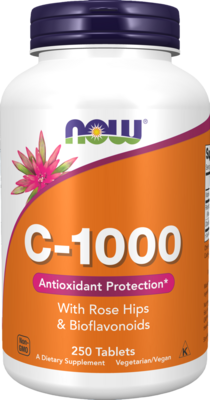
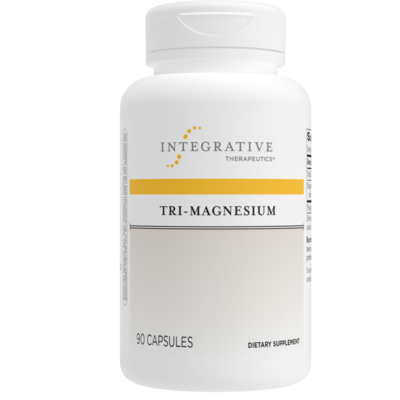
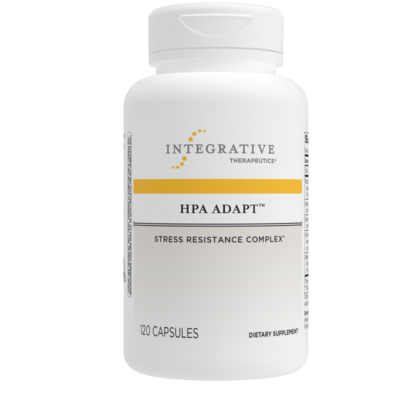
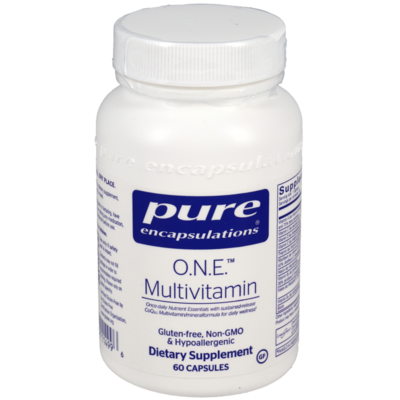
Vitamin C- during times of stress /prolonged stress our immune system becomes depleted and uses more vitamin C. This will support your stress response as well as immune system. Any brand is great, especially if you have some on hand at home Adrenal Complex- a combination of herbs and bovine adrenal gland will provide the energy and sustenance your body needs to start producing stress hormones appropriately. Start with 1 tablet in the morning and can increase to add another tablet in the afternoon before your "slump" Magnesium and B complex - these are both common nutrients that are frequently sources of deficiency . Like vitamin C, during times of stress /prolonged stress our immune system becomes depleted and uses more of these micronutrients. Adding these to your routine is about 30-40% of the work. Exercise- make sure you are not over doing it. Yoga, stretching , and walking are the best right now. You should never feel tired after working out. Sleep- Make sure to schedule at least 8 hours of sleep per night and go to bed at 10 pm when our natural circadian rhythm prefers to wind down. Stress Reduction/ Mindfulness- carve out at least 5 minutes each day for mindfulness, meditation, prayer, anything that will slow your breathing. Studies have shown a profound effect on meditation and decreasing inflammation and stress in the body. A great place to start is the calm app.
Shop the entire wellness catalog, held to a higher standard
Shop practitioner-grade products, each meeting the same bar for quality through Fullscript's standards.
Powered byVerified
Sourced straight from the brand — no resellers or fakes
Enhanced testing
Select products are tested in-house — get exactly what the label promises
Stored and shipped
From certified facilities, to protect product integrity