
Dr. Rima's Dispensary
Welcome! Through Fullscript, Dr. Rima's Dispensary offers high-quality supplements and wellness products, delivered right to your door. Get started with the recommended products from Dr. Rima's Dispensary, or sign in/up to explore the entire product catalog.
Up to 5% off your order when you sign up*
Shop the highest quality, rigorously tested supplements
Fast and free shipping for orders over $50
*Discounts may vary by order. Labs and select products not eligible
Existing account? Log in here
Featured public protocols
Dr. Rima's Dispensary's general recommendations, available to anyone who visits this store.
Cardiovascular Health - Blood Pressure Support
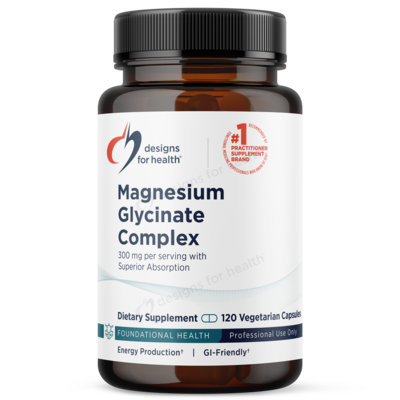
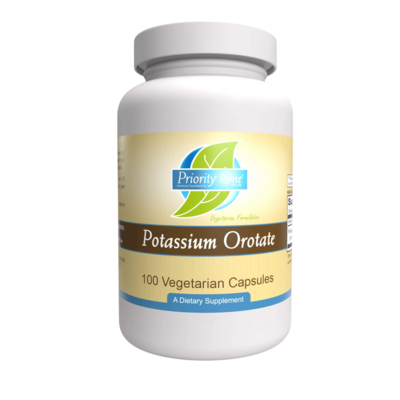 5 more items in Cardiovascular Health - Blood Pressure Support
Normal Blood Pressure is a key feature in long term health and vigor. The natural items below have been shown to assist the body in maintaining that healthy state in which the heart pumps as hard as it needs to and the walls of the vessels expand enough to let the blood flow without too much resistance, or too little. That means that everything depending on proper blood movement has a better chance of going well: cell nutrition, toxic waste removal, oxygen distribution, energy production, immune function, etc. Please take a moment to read the attached handouts on stress and Blood Pressure. Please note that L-Arginine is an important aminio acid for normal vascular sturcture and function but L-arginine may have signficiant drug interactions. If you are taking Blood thinners, including aspirin and warfarin Certain diuretics Nitroglycerin Some high blood pressure medications Erectile dysfunction drugs Diabetes medications you will want to check with a nutritionally knowledgeable health professional before adding L-Arginine to your regimen. People who have hadf a heart attack, have allergies or asthma or have cold sores or genital herpes should use L-Arginine with caution Who shouldn't take L-arginine Don't take L-arginine if you've had a heart attack. There are concerns that the supplement might increase the risk of death. I look forward to your feedback. Yours in health and freedom,' Dr. Rima Rima E. Laibow, MD Dr.Rima@NaturalSolutionsFoundation.com
Muscle Wasting, Weakness and Loss
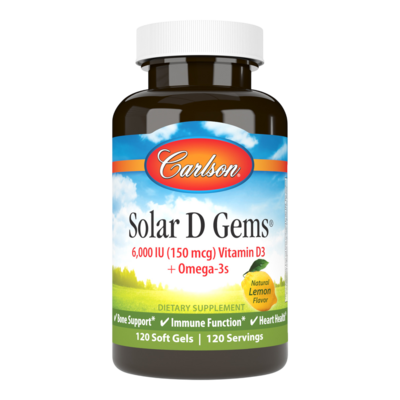
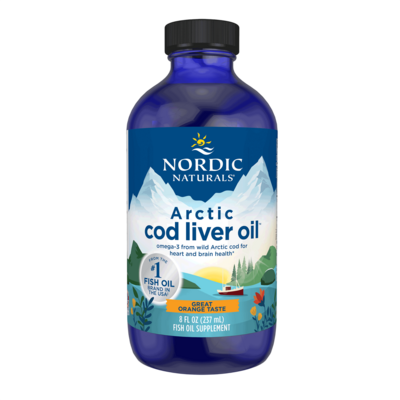
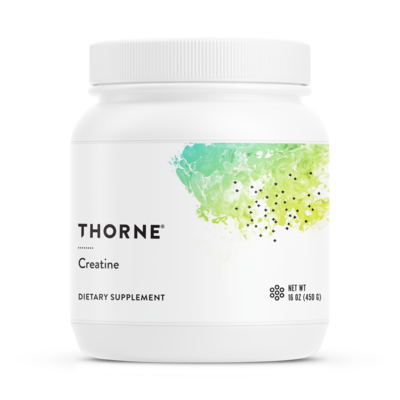 3 more items in Muscle Wasting, Weakness and Loss
Muscle Loss and Wasting: What Is It, What Can I Do to Fix It and What Causes It? Rima E Laibow, MD Muscle Loss and Wasting: What Is It? Muscle loss (often called “Sarcopenia”) is a common problem with advancing age, starting at about age 50 and in chronic diseases of many types. The term literally means “lack of flesh” and refers to muscle degeneration. Although often seen with advancing age, it is not a necessary or healthy part of aging. Nutritional and lifestyle choices can generally protect normal muscle structure and function or return it to a healthy state if there has been wasting. When proper steps to protect against it are not taken, after adults reach middle age they may lose, on average, about 3% of their muscle strength every year. This is a serious and potentially debilitating change since loss of muscle mass can result in enough decline in muscle strength to limit activities. This limitation itself leads to further loss of muscle mass in a downward spiral unless reversed by appropriate dietary and activity choices. [1] , [2] , [3] Muscle wasting and degeneration is commonly associated with a wide variety of chronic degenerative diseases and, when present, shortens the life expectancy as compared to individuals with normal muscle mass and strength with the same conditions [4] . [5] For this reason, it is prudent to create helpful activity and dietary programs for people at every point in the life cycle. Under healthy conditions, muscle tissue is continually built up (“anabolism”) and broken down (“catabolism”), but when an imbalance between signals for muscle cell growth and signals for teardown develops, the result can be excessive cell breakdown. [6] When the body’s catabolic and anabolic activity is in balance, growth hormones (anabolic) interact with protein-destroying enzymes (catabolic) to keep muscle mass steady through a cycle of growth, stress or injury and destruction followed by restoration and/or healing. However, during aging or disease states (or both), normal growth and repair signals are not responded to properly, tipping the balance toward catabolism and muscle loss [7] , [8] Muscle Loss and Wasting: What Can I Do to Fix It? Diet – Food and Supplements Exercise Lifestyle Management DIET – Supplements and Food People who are deficient in calories, protein or certain vitamins and minerals may be at higher risk of muscle loss and restoring any lost muscle mass will be difficult or impossible. However, even if you aren’t deficient, getting higher doses of some key nutrients can promote muscle growth or enhance the benefits of exercise. Anti-inflammatory nutrients along with increased protein intake make good sense as well. A. Protein: Getting sufficient high-quality protein in your diet directly signals your muscle tissue to build and strengthen. As people age, their muscles become more resistant to this signal, so they need to consume more protein to increase muscle growth. [9] One study found that when 33 men over age 70 consumed a meal containing at least 35 grams of protein, their muscle growth increased. [10] Another study found that a group of younger men only required 20 grams of protein per meal to stimulate growth. In this study, whey protein was studied. [11] A third study got seven men over the age of 65 to take daily 15-gram supplements of essential amino acids, the smaller building blocks of protein, which resulted in muscle growth. [12] , [13] High quality protein provides all of these amino acids in a form that the body can easily use. The amino acid leucine is particularly important for regulating muscle growth. Rich sources of leucine include whey protein, meat, fish and eggs, as well as soy protein isolate. [14] B. Vitamin D: Insufficient Vitamin D3 is related to sarcopenia, although the reasons why are not entirely understood. [15] , [16] Some studies have shown that taking vitamin D supplements can increase normal muscle strength and reduce the risk of falling. These benefits have not been seen in all studies, possibly because some research volunteers may have already been getting enough vitamin D. [17] C. Omega-3 Fatty Acids: No matter how old you are, consuming omega-3 fatty acids via seafood or supplements can increase your muscle growth. [18] , [19] A study of 45 women found that a daily 2-gram fish oil combined with resistance training increased muscle strength more than resistance training without fish oil. [20] Part of this benefit may be due to the anti-inflammatory benefits of omega-3 fatty acids. However, research has suggested that omega-3s might also signal muscle growth directly. [21] D. Creatine: Creatine is a small protein normally made in the liver. Although your body makes enough to prevent you from becoming deficient, creatine in the diet from meat or as a supplement may aid in restoration of normal muscle mass and structure when combined with resistance exercise. A group of several studies investigated how taking a daily 5-gram creatine supplement affected 357 adults with an average age of 64. When participants took the creatine, they showed more benefits from resistance training compared to when they performed resistance training with no creatine. [22] Creatine is probably not beneficial for muscle wasting if used alone, without exercise. E. Anti-inflammatory Supplements: Green Lipped Mussel extract and a whole-body antioxidant are useful adjuncts for reducing inflammation so that muscle repair signals can be “heard” and acted upon more easily by the body. NOTE: Those with shellfish allergies should exercise caution when using Green Lipped Mussel extracts unless they are sure there will be no reaction to the supplement. F. Diet: Chronic inflammation has received attention as a potential contributor to sarcopenia. [23] Diet has a major impact on inflammatory processes. Green leafy vegetables, blueberries and other highly colored fruits and berries, pineapple and walnuts are all useful in creating a healthful, anti-inflammatory diet. Alkalinizing foods, adequate hydration and avoidance of highly processed foods are important steps to take. Chemical-free, organic and whole foods provide the most easily available, wholesome nutrition and should be emphasized. While concentrating on wholesome anti-inflammatory foods, it is also helpful to avoid pro-inflammatory foods and substances. High-fructose corn syrup and trans fats are found in processed foods, these ingredients cause inflammation that contributes to general ill health and muscle loss in particular. Too much Omega-6 fatty acid in relation to the amount of Omega-3 fatty acid in your diet is a pro-inflammatory trigger and should be avoided. Fish oil, providing Omega-3 fatty acid, is an important supplement. Processed foods tend to be high in Omega-6 fatty acids, which are necessary but not in large quantities. In excess and without the balance of Omega-3s, Omega-6 fats create significant chronic inflammation in the body. The typical American diet tends to contain 14–25 times more Omega-6 fatty acids than Omega-3 fatty acids and is therefore highly pro-inflammatory. Simple, refined sugars and carbohydrates are active inflammation-causing triggers and should be limited. Avoiding refined grains is also an important component of an anti-inflammatory diet. EXERCISE: Multiple studies show that exercise is a powerful tool in protecting against, and reversing, the loss of muscle mass and strength. Muscle mass can be restored by several types of exercise, but the benefits are great even with modest amounts of exercise. Keeping your muscles active is a potent tool in the effort to keep your muscles healthy. [24] Studies have shown that combinations of aerobic exercise, resistance training and balance training can reduce the threat and even reverse muscle loss. At least two to four exercise sessions weekly may be required to achieve these benefits. [25] All types of exercise are beneficial, but some more than others. A. Resistance Training includes weightlifting, pulling against resistance bands or moving part of the body against gravity. When you perform resistance exercise you are exercising against tension: the tension on your muscle fibers sends growth signals that lead to increased strength. Resistance exercise also increases the release and actions of normally produced growth-promoting hormones. [26] , [27] These signals combine to stimulate muscle cells to grow and repair themselves, both by making new proteins and by turning on special muscle stem cells called “satellite cells,” which reinforce and support existing muscle. [28] Because of these effects, resistance exercise is the most direct way to increase muscle mass and prevent its loss. In a study of 57 adults aged 65–94, performing resistance exercises three times per week increased their muscle strength over 12 weeks. The subjects used resistance exercises which included leg presses and extending the knees against resistance on a weight machine. [29] B. Fitness Training is sustained exercise which raises your heart rate, including aerobic exercise and endurance training. Most studies of aerobic exercise for the treatment or prevention of sarcopenia have also included resistance and flexibility training as part of a combination exercise program. Fitness training has been demonstrated to control muscle wasting along with resistance training. [30] These combinations have been consistently shown to prevent and reverse sarcopenia, although it is unclear whether aerobic exercise without resistance training would be as beneficial. [31] In a study examining the effects of aerobic exercise without resistance training in 439 women over 50 years of age, five days per week of cycling, jogging or hiking increased muscle mass. Women started with 15 minutes of these activities per day, increasing to 45 minutes over 12 months. [32] C. Walking can prevent and even reverse muscle wasting, loss of mass and weakness. Walking is an activity most people can do for free, anywhere they live. When 227 Japanese adults over 65 years old were directed to walk, it was found that six months of walking increased muscle mass, particularly in those who had low muscle mass to begin with. The distance each participant walked was different, but they were encouraged to increase their total daily distance by 10% each month. [33] Another study of 879 adults over age 60 found that faster walkers were less likely to have muscle wasting and weakness. [34] LIFESTYLE: Alcohol consumption weakens muscles and enhances inflammatory processes. If you are trying to forestall or reverse muscle wasting and weakness, it is a good idea to give serious consideration to reducing your alcohol consumption significantly. Alcohol abuse appears to affect skeletal muscle severely, promoting its damage and wasting. Alcohol misusers also frequently suffer from low muscle mass and strength, muscle pain, and falls. [35] Most alcoholic beverages remove critical nutrients from your body. With sarcopenia, the goal is to increase your nutrient intake significantly and decrease bodily inflammation. For smokers, the pro inflammatory impact of tobacco products gives you another great reason to quit. Cigarette smoking is associated with poor lifestyle habits, such as low levels of physical activity and impaired nutrition. In addition, smoking itself is a lifestyle choice that has been found to be associated with sarcopenia. Studies have found that men and women who were smokers were more likely to have sarcopenia. Electronic cigarettes are also a risk factor for sarcopenia. Muscle Loss and Wasting: What Causes it? 1. Sedentary Lifestyle and Immobility Lack of muscle use is a major trigger of muscle loss and increasing weakness. [36] Bed rest or immobilization during and after an illness or injury is often the trigger for debilitating and rapid muscle loss. [37] Even two to three weeks of loss of regular activity and decreased walking can lead to significant decreases in both muscle mass and strength. [38] Once decreased activity becomes established, the resulting reduction of muscle mass leads to further weakness and more diminished muscle mass. Periods of decreased activity can potentiate a vicious cycle. Muscle strength decreases, resulting in greater fatigue and making it yet more difficult to return to normal activity. 2. Damaging Dietary Choices Sufficient calories and protein are essential for muscle balance and restoration. Insufficient calories and protein intake results in weight loss and, in particular, muscle mass loss. As people age, they frequently make increasingly poor dietary choices leading to low calorie and low protein diets, potentiating muscle mass loss and increasing weakness. Since muscle metabolism increases metabolic requirements, loss of muscle mass decreases the desire for caloric and protein intake, creating yet another downward metabolic spiral. Additionally, limitations in income, alterations in the sense of smell and taste, oral problems with gums and teeth, swallowing issues (dysphagia) and limited capacity to shop and cook all contribute to poor quality diets and resultant muscle loss and weakness. To help prevent muscle mass loss, recommendations for about 25–30 grams of protein at each meal is customary. [39] The quality of the protein is important in order to sustain and/or regain normal muscle mass and strength. 3. Inflammation Inflammation, especially long-term, system-wide inflammation, acts as a continuing signal to break down damaged groups of cells. Following injury or illness, the inflammation reaction of the body sends signals to tear down and then rebuild the damaged groups of cells. Once inflammation becomes chronic, or in the presence of long-term diseases, the normal balance of teardown and healing is disrupted, resulting in on-going muscle loss. In a study of patients with long-term inflammation resulting from chronic obstructive pulmonary disease (COPD), decreased muscle mass was frequently observed. [40] For that reason, it is important to provide the body with helpful tools it can use to deal with inflammation in the form of antioxidants and the necessary vitamins and minerals to maintain a healthy inflammatory balance. Many chronic conditions are associated with long-term inflammation which is associated with muscle mass. These diseases include autoimmune conditions, infectious ones, chronic degenerative diseases and chronic injuries. One important marker for inflammation is C-Reactive protein. When it is elevated in chronic inflammation, loss of muscle mass is a frequent co-morbidity. A study of 11,249 older adults found that blood levels of C-reactive protein strongly predicted loss of muscle mass. [41] This makes sense, given that muscle wasting has been shown to be initiated by inflammatory cytokines, the body’s response chemicals to conditions associated with inflammation. These inflammatory cytokines stimulate protein breakdown and suppress muscle building 4. Severe Stress Muscle wasting is associated with a number of high-stress conditions which, although not themselves the cause of muscle wasting, increase the likelihood of this damaging condition because of the results of this stress on the body. People with chronic liver disease, and up to 1/5 of people experiencing chronic heart failure have significant muscle wasting and loss. [42] , [43] Similarly, chronic kidney disease, the dual factors of increased stress on the body and decreased activity frequently lead to muscle loss. [44] Muscle loss and weakness are common problems in cancer and cancer treatments since they also place great stress on the body. [45] Stress in the body is generally expressed physically through the creation of free radicals. Diet, exercise, lifestyle choices and stress management all work together to reduce this major negative impact on the body and its signaling efficiency. June 4, 2022 © [1] Frailty and sarcopenia: The potential role of an aged immune system - ScienceDirect [2] Frailty and sarcopenia as the basis for the phenotypic manifestation of chronic diseases in older adults - PubMed (nih.gov) [3] [3] Sarcopenia in critically ill patients - PubMed (nih.gov) [4] Sarcopenia: a predictor of mortality and the need for early diagnosis and intervention - PubMed (nih.gov) [5] Systematic Literature Review and Meta-Analysis of the Association of Sarcopenia With Mortality - PubMed (nih.gov) [6] Muscle protein turnover in the elderly and its potential contribution to the development of sarcopenia - PubMed (nih.gov) [7] Frailty and sarcopenia: The potential role of an aged immune system - ScienceDirect , ibid [8] Effect of age on basal muscle protein synthesis and mTORC1 signaling in a large cohort of young and older men and women - ScienceDirect [9] Nutritional Supplements in Support of Resistance Exercise to Counter Age-Related Sarcopenia - PMC (nih.gov) [10] Amino acid absorption and subsequent muscle protein accretion following graded intakes of whey protein in elderly men - PubMed (nih.gov) [11] Amino acid absorption and subsequent muscle protein accretion following graded intakes of whey protein in elderly men - PubMed (nih.gov) [12] Nutritional Supplements in Support of Resistance Exercise to Counter Age-Related Sarcopenia - PMC (nih.gov) [13] Amino acid ingestion improves muscle protein synthesis in the young and elderly - PubMed (nih.gov) [14] Nutritional Supplements in Support of Resistance Exercise to Counter Age-Related Sarcopenia - PMC (nih.gov) Ibid [15] Sarcopenia in post-menopausal women: Is there any role for vitamin D? - PubMed (nih.gov) [16] A prospective study of the associations between 25-hydroxy-vitamin D, sarcopenia progression and physical activity in older adults - PubMed (nih.gov) [17] Ibid [18] Dietary omega-3 fatty acid supplementation increases the rate of muscle protein synthesis in older adults: a randomized controlled trial - PubMed (nih.gov) [19] Dietary omega-3 fatty acid supplementation increases the rate of muscle protein synthesis in older adults: a randomized controlled trial - PubMed (nih.gov) [20] Fish-oil supplementation enhances the effects of strength training in elderly women - PubMed (nih.gov) [21] Nutritional Supplements in Support of Resistance Exercise to Counter Age-Related Sarcopenia - PMC (nih.gov) Ibid [22] Creatine supplementation during resistance training in older adults-a meta-analysis - PubMed (nih.gov) [23] The pathogenetic bases of sarcopenia - PMC (nih.gov) [24] Nutrition and physical activity in the prevention and treatment of sarcopenia: systematic review - PubMed (nih.gov) [25] Exercise frequency, health risk factors, and diseases of the elderly - PubMed (nih.gov) [26] A review on the mechanisms of blood-flow restriction resistance training-induced muscle hypertrophy - PubMed (nih.gov) [27] A review on the mechanisms of blood-flow restriction resistance training-induced muscle hypertrophy - PubMed (nih.gov) [28] Ibid [29] Lower extremity power training in elderly subjects with mobility limitations: a randomized controlled trial - PubMed (nih.gov) [30] Treating sarcopenia in clinical practice: where are we now? - PubMed (nih.gov) [31] Physical activity and exercise as countermeasures to physical frailty and sarcopenia - PubMed (nih.gov) [32] Influence of diet, exercise, and serum vitamin d on sarcopenia in postmenopausal women - PubMed (nih.gov) [33] Mail-Based Intervention for Sarcopenia Prevention Increased Anabolic Hormone and Skeletal Muscle Mass in Community-Dwelling Japanese Older Adults: The INE (Intervention by Nutrition and Exercise) Study - PubMed (nih.gov) [34] Muscle function-dependent sarcopenia and cut-off values of possible predictors in community-dwelling Turkish elderly: calf circumference, midarm muscle circumference and walking speed - PubMed (nih.gov) [35] Lifestyle and Sarcopenia—Etiology, Prevention, and Treatment - PMC (nih.gov) [36] The Epidemiology of Sarcopenia - PubMed (nih.gov) [37] Muscle Disuse as a Pivotal Problem in Sarcopenia-related Muscle Loss and Dysfunction - PubMed (nih.gov) [38] Muscle Disuse as a Pivotal Problem in Sarcopenia-related Muscle Loss and Dysfunction - PubMed (nih.gov) [39] Nutrition for Sarcopenia - PubMed (nih.gov) [40] Skeletal muscle molecular responses to resistance training and dietary supplementation in COPD | Thorax (bmj.com) [41] Inflammation and sarcopenia: A systematic review and meta-analysis - PubMed (nih.gov) [42] The wasting continuum in heart failure: from sarcopenia to cachexia - PubMed (nih.gov) [43] Sarcopenia in Patients with Chronic Liver Disease: Can It Be Altered by Diet and Exercise? - PubMed (nih.gov) [44] Sarcopenia and Physical Inactivity in Patients With Chronic Kidney Disease - PubMed (nih.gov) [45] Sarcopenia and cachexia in the era of obesity: clinical and nutritional impact - PubMed (nih.gov)
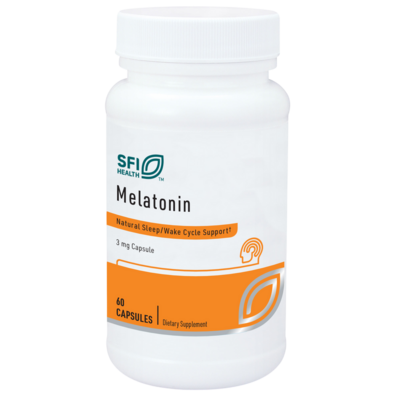
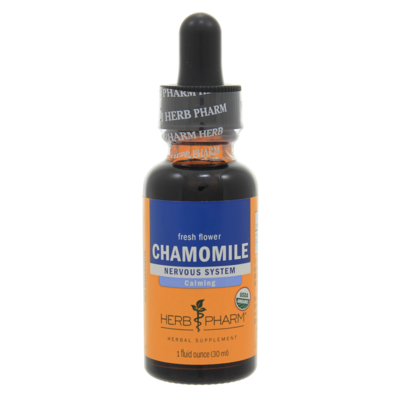
Sleep Support
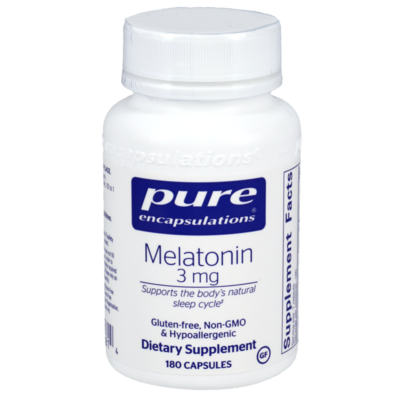
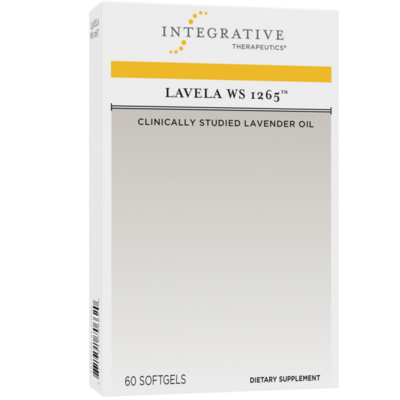
 4 more items in Sleep Support
Sleep disturbances can come from a wide range of underlying causes. Whatever the cause, prolonged sleep disruption in falling or staying asleep is disturbing and can produce significant secondary problems in nearly every aspect of life. The suggestions here are designed to support normal sleep when you are concerned about interrupted or curtailed sleep, but if your sleep issues persist, it is important to speak with a well-informed health professional who understands the various factors, nutritional, emotional, hormonal, immunologic, neurologic, etc., which can cause prolonged sleep disturbances. You will find two documents attached to these suggestions: the first is a Sleep Diary and the second is a Tip Sheet of helpful life-style strategies many people find useful for getting to sleep and staying asleep for the desired amount of time they feel that they need. Remember that these are general suggestions which many people find helpful. For more specific recommendations, you will want to consult with a nutritionally trained health professional. These statements have not been evaluated by the Food and Drug Administration. These nutrients are not intended to diagnose, treat, cure or prevent any disease. Below you can find the products I think may be best suited to help. If you click “add all to cart” you will be guided to checkout and your products will be delivered to you. I’ve included free shipping on purchases over $50. Please reach out if you have any questions to either Fullscript Customer Service by phone, 1 866 807 3828, or email their trained support staff
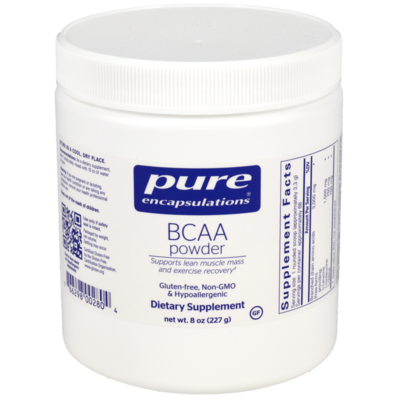
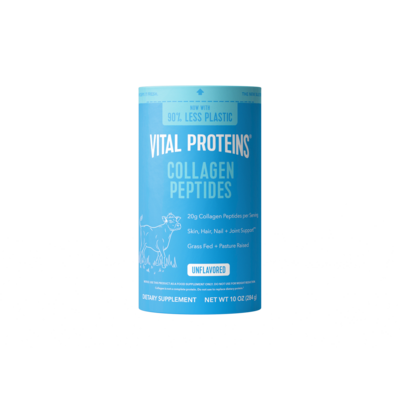
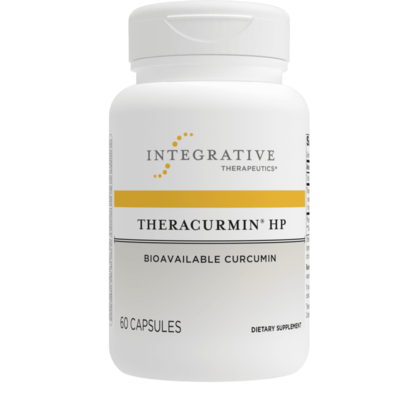
Intelligent Exercise Recovery
 3 more items in Intelligent Exercise Recovery
Exercise benefits almost every system. Helping the muscles, joints and immune systems to recover quickly and efficiently means providing them with recovery nutrients they need for optimal wellness.
Inflammation Support
1 product
Shop the entire wellness catalog, held to a higher standard
Shop practitioner-grade products, each meeting the same bar for quality through Fullscript's standards.
Powered byVerified
Sourced straight from the brand — no resellers or fakes
Enhanced testing
Select products are tested in-house — get exactly what the label promises
Stored and shipped
From certified facilities, to protect product integrity