Public protocols
Root Cause Nurse's general recommendations, available to anyone who visits this store.
Root Cause Nurse Adrendal Support
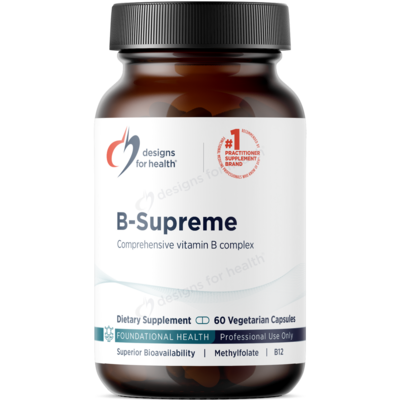
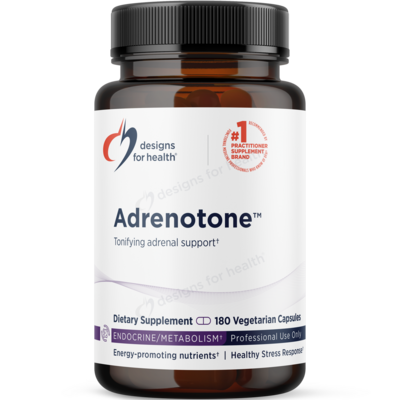 Root Cause Nurse Adrendal Support resource 15 more items in Root Cause Nurse Adrendal Support
Root Cause Nurse Antibiotic Support Protocol
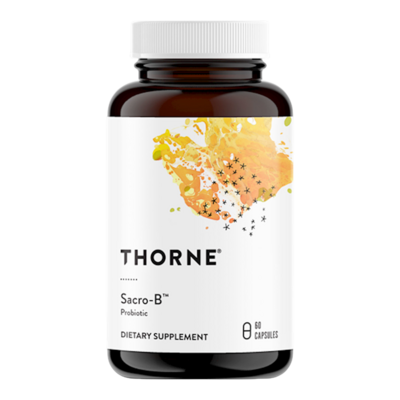
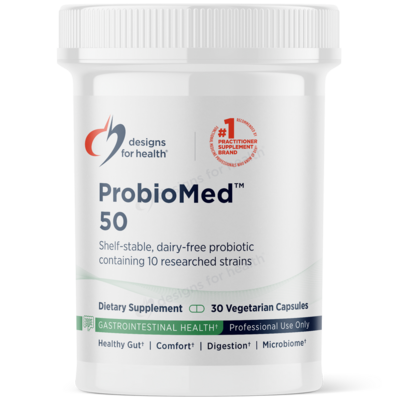
This content is educational and not medical advice. For personalized guidance, consult a healthcare professional. As a RN, I provide telehealth education. This material follows state nursing scope and does not replace an in-person clinical evaluation. Introduction: Why Antibiotic Support Matters for You If you’ve ever been prescribed an antibiotic, you know how essential these medications are for fighting infections. Yet, antibiotics can also disrupt your gut health, leading to uncomfortable symptoms like bloating, cramping, or diarrhea. In fact, up to 30% of people taking antibiotics experience antibiotic-associated diarrhea (AAD), and this is one of the main reasons some stop their treatment early (Newberry, 2012). Supporting your digestive system during antibiotic therapy not only helps you avoid unpleasant side effects but also preserves your energy support and overall well-being. By proactively using evidence-based supplements—especially probiotics—you can maintain gut health, reduce the risk of AAD, and help antibiotics do their job effectively. In this article, you’ll learn why antibiotics affect your microbiome, which probiotic strategies have the strongest evidence, and practical lifestyle tips for comprehensive digestive support. How Antibiotics Impact Your Gut Health Antibiotics are designed to kill or inhibit harmful bacteria causing an infection. However, they often affect both “bad” and “good” bacteria in your intestines. This disruption to your gut flora can lead to: Reduced Microbial Diversity: A balanced microbiome relies on a variety of bacterial species. When antibiotics wipe out beneficial strains, it becomes easier for opportunistic pathogens—like Clostridioides difficile—to cause infections (Newberry, 2012). Antibiotic-Associated Diarrhea (AAD): Approximately 30% of individuals on antibiotics experience AAD. Symptoms can range from mild loose stools to severe, prolonged diarrhea that may require hospitalization if C. difficile develops (D’Souza, 2002; Newberry, 2012). Impaired Nutrient Absorption: Good bacteria help break down nutrients and produce short-chain fatty acids that nourish your colon lining. When these bacteria decline, you may feel less energy support and experience bloating or cramps (Rodgers, Kirley, & Mounsey, 2013). Maintaining gut health during antibiotic use is therefore essential. Without intervention, AAD can force you to stop a necessary antibiotic course, potentially leading to antibiotic resistance or untreated infections. Probiotics to Prevent Antibiotic-Associated Diarrhea Probiotics are live microorganisms that, when taken in adequate amounts, can restore gut flora balance and reduce AAD risk. Two main categories show the most evidence: Lactobacillus strains and Saccharomyces boulardii. 1. Lactobacillus Strains for Digestive Support Why it helps: Lactobacilli are friendly bacteria that colonize the small and large intestines. They compete with pathogens for nutrients, strengthen the gut barrier, and produce antimicrobial substances (Newberry, 2012). Effective Strains: Lactobacillus rhamnosus GG (LGG) Lactobacillus reuteri Lactobacillus casei Recommended Dose and Duration: 50–100 billion colony-forming units (CFUs) per day of a multi-strain formula containing Lactobacilli, starting within two days of initiating antibiotics and continuing for 1–3 weeks, or for five days after your final antibiotic dose (Gao et al., 2010; Rodgers et al., 2013). Evidence: A meta-analysis of 63 randomized controlled trials (11,811 participants) found that Lactobacillus-based probiotics reduced AAD risk by 42% compared to placebo (Newberry, 2012). In adults taking high-dose antibiotics, a blend of Lactobacillus acidophilus CL1285 and Lactobacillus casei LBC80R at 100 billion CFUs daily cut AAD incidence by 44.1% and decreased the duration of symptoms; the higher 100 billion CFU dose was more effective than 50 billion CFUs (Gao et al., 2010). Among individuals over 65, starting Lactobacillus probiotics within two days of antibiotic therapy lowered AAD prevalence by 29% (Zhang et al., 2022). Digestive Support Note: If you already struggle with bloating or irregularity, maintaining or restoring Lactobacillus levels can ease discomfort and keep you feeling more energetic throughout your antibiotic course. 2. Saccharomyces boulardii for Added Protection Why it helps: Saccharomyces boulardii (S. boulardii) is a non-pathogenic yeast that does not get eradicated by most antibiotics. Instead, it temporarily colonizes the gut, secretes enzymes that break down bacterial toxins, and enhances immune function in the intestines (Szajewska & Kołodziej, 2005). Recommended Dose and Duration: 500–1,000 mg daily (10–20 billion CFUs), starting on the first day of antibiotic therapy and continuing for three days to two weeks after the final dose (Szajewska & Mrukowicz, 2005; Szajewska & Kołodziej, 2015). Evidence: A systematic review of five randomized controlled trials showed that S. boulardii reduced AAD risk from 17.2% to 6.7% in patients on antibiotics for respiratory infections (Szajewska & Mrukowicz, 2005). In children and adults, S. boulardii lowered AAD risk from 18.7% to 8.5%, with significant reductions in C. difficile-associated diarrhea (CDAD) among pediatric participants (Szajewska & Kołodziej, 2015). Digestive Support Note: Because S. boulardii is yeast-based, it remains active even when your antibiotic wipes out bacterial probiotics. This “second line” of protection may be especially helpful if your antibiotic regimen is broad-spectrum. Choosing the Right Probiotic Products With evidence backing both Lactobacillus strains and Saccharomyces boulardii, you may wonder how to select a practical supplement plan. Here’s what to look for: Multi-Strain Lactobacillus Formulas Look for: At least two or three Lactobacillus species (e.g., L. rhamnosus GG, L. casei, L. reuteri). CFU Total: Aim for 50–100 billion CFUs per day, in divided doses if possible. Some products like ProbioMed™ 100 combine multiple Lactobacillus strains at therapeutic doses. Storage and Viability: Choose shelf-stable options or those refrigerated at the point of sale to maintain potency. Saccharomyces boulardii Supplements Look for: A pure S. boulardii formulation in the 250–500 mg capsule range (10–20 billion CFUs per dose), with a total of 500–1,000 mg daily. Products such as Sacro-B provide a standardized dose. Timing: Because S. boulardii is not affected by antibiotics, you can take it simultaneously with or up to 2 hours after each antibiotic dose. Combination Approach When to Combine: For higher-risk scenarios—such as prolonged antibiotic courses, history of AAD, or age over 65—using both a Lactobacillus blend and S. boulardii may offer broader protection. Example Plan: Lactobacillus blend (50 billion CFUs daily): Start within two days of antibiotic initiation; continue for 1–3 weeks or until five days post-antibiotic (Rodgers et al., 2013). S. boulardii (500 mg twice daily): Begin on day one of antibiotic therapy; continue for one week after antibiotic discontinuation (Szajewska & Kołodziej, 2015). Quality and Certification Third-Party Testing: Look for probiotics tested by independent labs to verify CFU counts and purity. Expiration Dates: Ensure your product has a clearly labeled expiration date that still allows potency throughout your antibiotic course. Lifestyle Tips to Enhance Gut and Digestive Support While probiotics form the cornerstone of antibiotic support, simple lifestyle habits can further protect your gut and maintain energy support: 1. Food Choices for Gut Health Fermented Foods: Incorporate yogurt (with live cultures), kefir, sauerkraut, or kimchi to add natural probiotics to your diet. These help diversify your microbiome alongside supplements. Prebiotic Fiber: Eat foods rich in inulin and resistant starch—such as onions, garlic, leeks, bananas, and oats—to feed beneficial bacteria (Slavin, 2013). Hydration: Drink at least 8–10 cups of water daily. Proper hydration supports intestinal motility and nutrient absorption, reducing bloating and constipation during antibiotic therapy. 2. Mindful Meal Timing Space Out Probiotic Doses: If you’re taking antibiotics multiple times per day, try to schedule probiotic doses at least 2 hours after each antibiotic pill. This minimizes the chance your antibiotic will kill helpful probiotics. Balanced Meals: Aim for meals containing lean protein, healthy fats (avocado, olive oil), and complex carbohydrates to sustain energy levels especially if your appetite dips. This balanced approach supports digestive comfort and overall wellbeing. 3. Stress Management and Sleep Stress Reduction: High stress can negatively affect gut motility and microbiome balance. Practices such as deep breathing, meditation, or gentle yoga can support digestive health while you’re on antibiotics (Dinan & Cryan, 2017). Quality Sleep: Aim for 7–9 hours of uninterrupted sleep each night. Restorative sleep helps regenerate intestinal lining cells and supports immune function, which is crucial when fighting infection. Next Steps/Action Plan Select Your Probiotics If low-to-moderate risk for AAD: Start with a multi-strain Lactobacillus probiotic (50–100 billion CFUs daily), taken within two days of starting antibiotics and continuing for 1–3 weeks (Newberry, 2012; Rodgers et al., 2013). If high risk for AAD or age >65: Combine a Lactobacillus blend with S. boulardii (500–1,000 mg daily) for the duration of antibiotic therapy plus one week after (Szajewska & Kołodziej, 2015; Zhang et al., 2022). Monitor Your Symptoms Keep a simple log noting bowel movements, any episodes of diarrhea, bloating intensity (scale of 0–10), and overall energy support each day. Share these notes with your healthcare provider if concerns arise. Incorporate Gut-Friendly Foods Add fermented foods like yogurt or kefir to your daily meals and include prebiotic-rich fruits (bananas) and vegetables (onions, garlic) to nourish probiotic strains naturally (Slavin, 2013). Stay Hydrated and Rested Aim for at least 64 oz of water per day, and prioritize 7–9 hours of sleep nightly. Good hydration and sleep bolster gut lining repair and microbial balance. Schedule Follow-Up If Needed If you experience persistent AAD, severe cramps, or concerns about C. difficile risk, contact your healthcare provider promptly. To help adjust your supplement plan or evaluate the need for additional testing, consult Root Cause Nurse. By combining evidence-based probiotic strategies with mindful diet, hydration, and stress management, you’ll be well-equipped to maintain gut health, digestive support, and energy balance throughout your antibiotic course. Remember that each person’s microbiome is unique—if one probiotic brand or dose isn’t effective, discuss alternatives or dosage adjustments with your provider. References D’Souza, A. L. (2002). Probiotics in prevention of antibiotic associated diarrhoea: meta-analysis. BMJ , 324(7350), 1361. https://doi.org/10.1136/bmj.324.7350.1361 Dinan, T. G., & Cryan, J. F. (2017). Gut instincts: microbiota as a key regulator of brain development, ageing and neurodegeneration. The Journal of Physiology, 595 (2), 489–503. https://doi.org/10.1113/JP273106 Gao, X. W., Mubasher, M., Fang, C. Y., Reifer, C., & Miller, L. E. (2010). Dose–response efficacy of a proprietary probiotic formula of Lactobacillus acidophilus CL1285 and Lactobacillus casei LBC80R for antibiotic-associated diarrhea and Clostridium difficile-associated diarrhea prophylaxis in adult patients. The American Journal of Gastroenterology, 105 (7), 1636–1641. https://doi.org/10.1038/ajg.2010.11 Newberry, S. J. (2012). Probiotics for the prevention and treatment of antibiotic-associated diarrhea. JAMA , 307(18), 1959. https://doi.org/10.1001/jama.2012.3507 Rodgers, B., Kirley, K., & Mounsey, A. (2013). PURLs: prescribing an antibiotic? Pair it with probiotics. The Journal of Family Practice, 62 (3), 148–150. Slavin, J. (2013). Fiber and prebiotics: mechanisms and health benefits. Nutrients, 5 (4), 1417–1435. https://doi.org/10.3390/nu5041417 Szajewska, H., & Kołodziej, M. (2015). Systematic review with meta-analysis: Saccharomyces boulardii in the prevention of antibiotic-associated diarrhoea. Alimentary Pharmacology & Therapeutics, 42 (7), 793–801. https://doi.org/10.1111/apt.13344 Szajewska, H., & Mrukowicz, J. (2005). Meta-analysis: non-pathogenic yeast Saccharomyces boulardii in the prevention of antibiotic-associated diarrhoea. Alimentary Pharmacology & Therapeutics, 22 (5), 365–372. https://doi.org/10.1111/j.1365-2036.2005.02624.x Zhang, L., Zeng, X., Guo, D., Zou, Y., Gan, H., & Huang, X. (2022). Early use of probiotics might prevent antibiotic-associated diarrhea in elderly (>65 years): a systematic review and meta-analysis. BMC Geriatrics, 22 , 1029. https://doi.org/10.1186/s12877-022-03257-3
Root Cause Nurse Stating Support Protocol
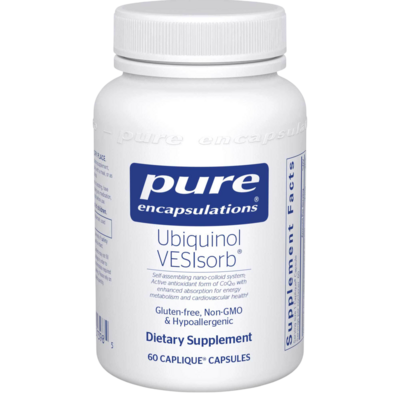
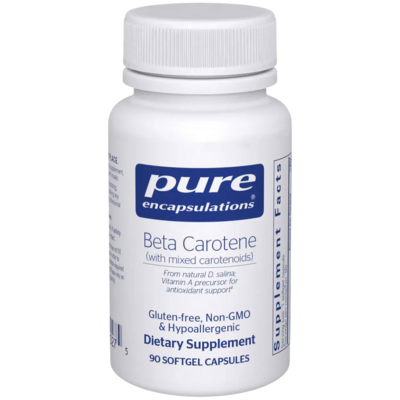
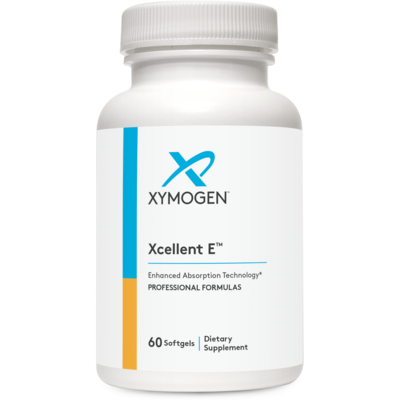
This content is educational and not medical advice. For personalized guidance, consult a healthcare professional. As a RN, I provide telehealth education. This material follows state nursing scope and does not replace an in-person clinical evaluation. Introduction: Why Statin Support Matters for You If you’ve been prescribed a statin medication to help manage cholesterol, you’re taking an important step toward protecting your heart health. Statins are widely used to lower “bad” LDL cholesterol and reduce cardiovascular risk. Yet, many people experience side effects—like muscle aches, fatigue, or reduced energy—that can make sticking with statin therapy challenging. Understanding how statins can deplete essential nutrients is key to minimizing these unwanted effects. In this article, you’ll learn what happens in your body when you take a statin, why nutrient support is crucial for cholesterol management, and which evidence-based supplements can help keep you feeling your best. Whether your goal is to maintain energy support for daily activities or to preserve antioxidant balance for long-term heart health, this guide will walk you through practical strategies to complement your statin therapy. Understanding Statin-Related Nutrient Depletion Statins work by inhibiting HMG-CoA reductase—an enzyme your liver uses to produce cholesterol. While this reduces LDL cholesterol, it also affects the synthesis of other important molecules, such as coenzyme Q10 (CoQ10), beta-carotene, and vitamin E (Langsjoen & Langsjoen, 2003; Littarru & Langsjoen, 2007). When these nutrients become depleted, you may experience muscle discomfort, low energy, or diminished antioxidant protection—factors that can undermine both your heart health and overall well-being. CoQ10 Depletion: CoQ10 plays a crucial role in mitochondrial energy production. Statin therapy reduces CoQ10 levels in tissues, which can contribute to muscle pain and weakness (Qu et al., 2018). Research shows that higher statin doses and prolonged use increase CoQ10 deficiency risk, particularly in older adults or those with heart failure (Langsjoen & Langsjoen, 2003; Littarru & Langsjoen, 2007). Beta-Carotene Reduction: Beta-carotene is a precursor to vitamin A and a potent antioxidant that helps neutralize free radicals. Statin use has been linked to a 19–20% drop in serum beta-carotene during the first three months of therapy (Jula et al., 2002; Vasankari et al., 2013). Lower beta-carotene levels can reduce your body’s ability to fight oxidative stress, potentially affecting vascular health and energy support. Vitamin E Decline: Vitamin E (alpha-tocopherol) is another lipid-soluble antioxidant that guards cell membranes against damage. Within 12 weeks of starting a statin, LDL antioxidant capacity and serum alpha-tocopherol can decrease by about 16%, and these levels may remain low even after a year (Vasankari et al., 2004). When vitamin E is insufficient, tissues may be more vulnerable to oxidative stress, which can affect both heart and muscle function. Because these depletions are dose-dependent and vary among individuals, lab testing and personalized supplementation recommendations are essential. By keeping nutrient levels in check, you can support healthy cholesterol management, maintain energy support, and reduce statin-related muscle concerns. Key Supplements for Statin Support Below are three nutrients—CoQ10, beta-carotene, and vitamin E—that have strong evidence for helping offset statin-related depletion. Each section explains why the supplement matters, how much to take, and what the research says about safety and effectiveness. 1. Coenzyme Q10 (CoQ10) for Energy and Muscle Health Why it matters: CoQ10 (also called ubiquinone or ubiquinol) is vital for mitochondrial energy production in muscle cells. When statins block cholesterol synthesis in the liver, they simultaneously reduce CoQ10 production, which can lead to muscle pain, cramps, and fatigue (Langsjoen & Langsjoen, 2003; Littarru & Langsjoen, 2007). Recommended dose: 100–600 mg per day, depending on symptom severity and formulation (Qu et al., 2018). Ubiquinol (the reduced form) has about 2–3 times higher bioavailability than ubiquinone, meaning lower doses of ubiquinol can achieve similar blood levels (Evans et al., 2009; Kurowska et al., 2003). Evidence for effectiveness: A meta-analysis of randomized controlled trials found that CoQ10 supplementation significantly reduced statin-associated muscle symptoms—muscle pain, weakness, cramps, and general tiredness—across doses of 100–600 mg daily over 30 days to three months (Qu et al., 2018). In a randomized clinical study, patients who took 200 mg ubiquinol daily for 12 weeks reported a 60% reduction in muscle pain intensity compared to placebo (Šabovič, 2014). Safety considerations: CoQ10 is well tolerated. Mild gastrointestinal upset may occur in sensitive individuals. Because statins and CoQ10 share metabolic pathways, it’s important to take CoQ10 with a meal containing healthy fats to improve absorption (Kurowska et al., 2003). Support Energy and Healthy Heart: CoQ10 plays a critical role in energy support at the cellular level (Qu et al., 2018). By supporting mitochondrial function, CoQ10 contributes to overall heart health (Littarru & Langsjoen, 2007). 2. Beta-Carotene for Antioxidant Protection Why it matters: Beta-carotene is a plant pigment that converts to vitamin A in the body and serves as a powerful antioxidant. Statin therapy can lower beta-carotene by up to 20% within three months, diminishing your body’s defense against oxidative stress (Jula et al., 2002; Vasankari et al., 2013). Ensuring adequate beta-carotene supports healthy cholesterol management and may contribute to balancing hormonal health, since vitamin A is involved in several cellular functions. Recommended dose: 30 mg per day. This amount helps restore serum levels without risking excessive accumulation (Institute of Medicine, 2000). Evidence for effectiveness: In a randomized controlled trial of men with elevated cholesterol, simvastatin reduced serum beta-carotene by 19.5% at 12 weeks. Supplementing with 30 mg daily maintained beta-carotene levels and preserved LDL antioxidant capacity (Jula et al., 2002). Another study confirmed a similar 20% decrease in beta-carotene and LDL antioxidant capacity during the first 12 weeks of statin therapy, which supplementation reversed (Vasankari et al., 2013). Safety considerations: Long-term beta-carotene supplementation at 30 mg per day is generally safe. High doses (above 30 mg) may cause harmless carotenodermia (temporary yellowing of the skin) but pose no other health risks (Böhm et al., 2020). Cholesterol and Antioxidant Support: Beta-carotene helps maintain antioxidant protection, supporting overall cholesterol support. By restoring beta-carotene levels, you reinforce your body’s antioxidant support systems. 3. Vitamin E for Cellular Defense Why it matters: Vitamin E (alpha-tocopherol) is a lipid-soluble antioxidant that protects cell membranes from oxidative damage. Statin use can lower alpha-tocopherol levels by 16% within 12 weeks and keep them low even after a year (Vasankari et al., 2004). Adequate vitamin E helps maintain cell integrity, supports healthy muscle function, and bolsters antioxidant defenses—factors that are especially important when you’re taking a cholesterol medication. Recommended dose: 100–400 IU per day, depending on baseline nutrient status and dietary intake (Pruthi et al., 2001). Evidence for effectiveness: In a 12-week study, simvastatin reduced serum alpha-tocopherol by 16%. After one year, levels remained below baseline, indicating a need for ongoing supplementation (Vasankari et al., 2004). A randomized controlled trial found that 200 IU of vitamin E daily rescued LDL antioxidant capacity by 25% after 16 weeks of statin therapy compared to placebo (Vasankari et al., 2004). Safety considerations: Vitamin E is generally safe at recommended doses. Doses above 400 IU per day may increase bleeding risk in people on anticoagulants, so always inform your provider if you take blood thinners (Institute of Medicine, 2000). Heart Health and Energy Support: Vitamin E contributes to heart health by maintaining healthy endothelial function and lipid integrity. By protecting muscle cell membranes, vitamin E indirectly supports energy production and prevents premature muscle fatigue. Lifestyle Tips to Complement Supplementation While targeted supplementation can help offset statin-induced nutrient depletion, combining these nutrients with healthy lifestyle habits will maximize your cholesterol management efforts and overall well-being. Here are some practical strategies: Balanced, Nutrient-Rich Diet Colorful fruits and vegetables: Aim for a variety of produce—leafy greens, carrots, sweet potatoes, tomatoes, berries, and citrus—to naturally boost beta-carotene and vitamin E intake. Healthy fats: Incorporate sources like olive oil, avocados, and nuts (almonds, sunflower seeds) to support fat-soluble nutrient absorption (CoQ10, beta-carotene, vitamin E). Lean protein: Fish (salmon, mackerel), poultry, legumes, and plant-based proteins help maintain muscle mass and support energy production, complementing CoQ10’s effects. Regular Physical Activity Aerobic exercise: Aim for at least 150 minutes per week of moderate-intensity activity (brisk walking, swimming, cycling) to improve lipid profiles, blood circulation, and cardiac function. Resistance training: Include strength training two to three times per week to preserve muscle mass, which may help offset statin-related muscle fatigue (Forbes et al., 2019). Exercise also enhances mitochondrial efficiency, synergizing with CoQ10 supplementation. Stress Management and Sleep Mind-body practices: Techniques like deep breathing, meditation, or yoga can reduce stress hormones (cortisol), which may otherwise negatively impact cholesterol levels and exacerbate muscle tension. Quality sleep: Aim for 7–9 hours of restful sleep per night. Poor sleep can disrupt metabolic function and increase oxidative stress, making antioxidant support even more important. Regular Monitoring and Communication Lab checks: Ask your provider to monitor nutrient levels (CoQ10, beta-carotene, vitamin E) along with lipid panels every 6–12 months. Adjust supplementation based on lab results and symptom changes. Symptom tracking: Keep a simple journal noting muscle soreness, energy levels, and any changes in muscle performance. If symptoms worsen, discuss dosage adjustments or alternative strategies with your healthcare team. By pairing the right supplements with a balanced diet, consistent exercise, stress reduction, and ongoing monitoring, you create a comprehensive support system to maintain heart health, energy support, and antioxidant protection while on statin therapy. Next Steps/Takeaways Review Your Current Diet and Supplements Identify whether you already consume foods rich in CoQ10 (e.g., fatty fish, organ meats), beta-carotene (e.g., carrots, sweet potatoes), and vitamin E (e.g., nuts, seeds). If diet alone isn’t sufficient—especially if you experience muscle aches or low energy—consider adding targeted supplements. Establish a Supplement Schedule CoQ10 (Ubiquinol): Start with 100–200 mg daily, taken with a meal containing healthy fats. If muscle symptoms persist, increase up to 400 mg daily, as tolerated (Qu et al., 2018). Beta-Carotene: Take 30 mg daily, ideally with breakfast or lunch, ensuring you don’t exceed doses that could cause cosmetic skin changes (Böhm et al., 2020). Vitamin E: Begin with 200 IU daily; adjust up to 400 IU if serum levels remain low, but stay within safe limits (Pruthi et al., 2001). Schedule Follow-Up Lab Testing Work with your provider to measure serum CoQ10, beta-carotene, and vitamin E levels 3–6 months after starting supplements. Use results to fine-tune dosages and ensure you’re achieving optimal nutrient status without over-supplementing. Incorporate Heart-Healthy Lifestyle Habits Plan at least 30 minutes of moderate exercise most days—brisk walking around your neighborhood or swimming if you have joint concerns. Include strength training (resistance bands, bodyweight exercises) twice weekly to maintain muscle mass and support CoQ10’s benefits. Prioritize a colorful, balanced plate at each meal: vegetables, lean protein, whole grains, and healthy fats. Monitor and Report Symptoms Keep a daily log of any muscle discomfort, energy fluctuations, or new symptoms. If muscle pain worsens or you notice significant fatigue, discontinue and contact healthcare provider promptly. Regularly communicate any changes in exercise tolerance, sleep quality, or mood, as these can all signal nutrient imbalances or the need for dosage adjustments. Stay Informed About Cholesterol and Heart Health Continue learning about cholesterol management, antioxidant support, and nutrient interactions. Reliable resources include the American Heart Association, peer-reviewed nutrition journals, and registered dietitian guidance. By proactively addressing statin-induced nutrient depletion—focusing on CoQ10, beta-carotene, and vitamin E—you’ll help safeguard your cholesterol management plan and support ongoing energy, muscle comfort, and antioxidant protection. Remember to tailor your supplementation strategy based on lab results, symptom tracking, and professional guidance. With consistent monitoring and a heart-healthy lifestyle, you can optimize the benefits of your statin therapy while minimizing side effects. References Böhm, V., Lietz, G., Olmedilla-Alonso, B., Phelan, D., Reboul, E., Bánati, D., Borel, P., Corte-Real, J., De Lera, Á. R., Desmarchelier, C., Dulinska-Litewka, J., Landrier, J., Milisav, I., Nolan, J., Porrini, M., Riso, P., Roob, J. M., Valanou, E., Wawrzyniak, A., … Bohn, T. (2020). From carotenoid intake to carotenoid blood and tissue concentrations – Implications for dietary intake recommendations. Nutrition Reviews, 79 (5), 544–573. https://doi.org/10.1093/nutrit/nuaa008 Evans, M., Baisley, J., Barss, S., & Guthrie, N. (2009). A randomized, double-blind trial on the bioavailability of two CoQ10 formulations. Journal of Functional Foods, 1 (1), 65–73. https://doi.org/10.1016/j.jff.2008.09.010 Institute of Medicine (US) Panel on Dietary Antioxidants and Related Compounds. (2000). Dietary reference intakes for vitamin C, vitamin E, selenium, and carotenoids. Washington (DC): National Academies Press (US). Retrieved from https://www.ncbi.nlm.nih.gov/books/NBK225469/ Jula, A., Marniemi, J., Huupponen, R., Virtanen, A., Rastas, M., & Rönnemaa, T. (2002). Effects of diet and simvastatin on serum lipids, insulin, and antioxidants in hypercholesterolemic men. JAMA, 287 (5), 598–605. https://doi.org/10.1001/jama.287.5.598 Kurowska, E. M., Dresser, G., Deutsch, L., Bassoo, E., & Freeman, D. J. (2003). Relative bioavailability and antioxidant potential of two coenzyme Q10 preparations. Annals of Nutrition & Metabolism, 47 (1), 16–21. https://doi.org/10.1159/000068910 Langsjoen, P. H., & Langsjoen, A. M. (2003). The clinical use of HMG-CoA reductase inhibitors and the associated depletion of coenzyme Q10: A review of animal and human publications. BioFactors, 18 (1–4), 101–111. https://doi.org/10.1002/biof.5520180212 Littarru, G. P., & Langsjoen, P. (2007). Coenzyme Q10 and statins: Biochemical and clinical implications. Mitochondrion, 7 (S168–S174). https://doi.org/10.1016/j.mito.2007.03.002 Pruthi, S., Allison, T. G., & Hensrud, D. D. (2001). Vitamin E supplementation in the prevention of coronary heart disease. Mayo Clinic Proceedings, 76 (11), 1131–1136. https://doi.org/10.4065/76.11.1131 Qu, H., Guo, M., Chai, H., Wang, W., Gao, Z., & Shi, D. (2018). Effects of coenzyme Q10 on statin-induced myopathy: An updated meta-analysis of randomized controlled trials. Journal of the American Heart Association, 7 (19), e009835. https://doi.org/10.1161/JAHA.118.009835 Šabovič, M. (2014). Coenzyme Q10 supplementation decreases statin-related mild-to-moderate muscle symptoms: A randomized clinical study. Medical Science Monitor, 20 , 2183–2188. https://doi.org/10.12659/MSM.890777 Vasankari, T., Ahotupa, M., Viikari, J., Nuotio, I., Strandberg, T., Vanhanen, H., Gylling, H., Miettinen, T., & Tikkanen, M. J. (2004). Effect of 12-month statin therapy on antioxidant potential of LDL and serum antioxidant vitamin concentrations. Annals of Medicine, 36 (8), 618–622. https://doi.org/10.1080/07853890410018844 Vasankari, T., Ahotupa, M., Viikari, J., Nuotio, I., Strandberg, T., Vanhanen, H., Gylling, H., Miettinen, T., & Tikkanen, M. J. (2013). Effects of statin therapy on lipid oxidation and antioxidant levels during the first 12 weeks of treatment. Journal of Lipid Research, 54 (5), 1347–1356. https://doi.org/10.1194/jlr.P034325
Root Cause Nurse GLP-1 Support Protocol
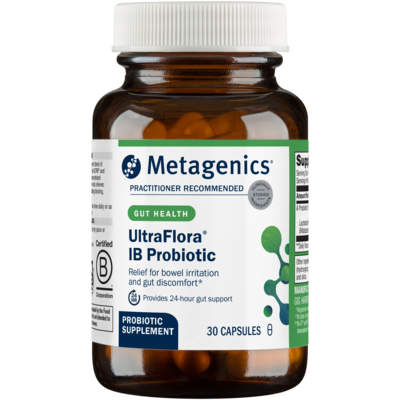
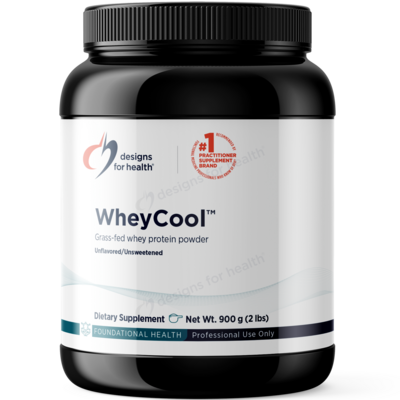 2 more items in Root Cause Nurse GLP-1 Support Protocol
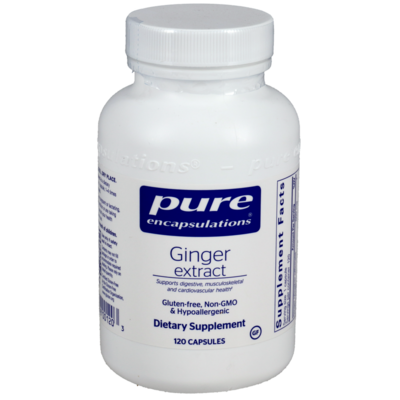
This content is educational and not medical advice. For personalized guidance, consult a healthcare professional. As a RN, I provide telehealth education. This material follows state nursing scope and does not replace an in-person clinical evaluation. Introduction: Why GLP-1 Agonist Support Matters for You If you’re considering or already taking a GLP-1 agonist to manage blood sugar or support weight loss, you may have noticed changes in your appetite, energy levels, or digestive comfort. For many in SWFL—where maintaining energy support, balanced hormones, and an active lifestyle are top priorities—it’s crucial to understand not only how GLP-1 agonists work but also how to address common side effects. In this article, you’ll learn evidence-based strategies for minimizing nausea, bloating, and fatigue, so you can confidently continue your therapy. By using targeted supplements and lifestyle adjustments, you’ll support healthy weight management, preserve lean muscle, and maintain wellness even in the Florida heat. What Are GLP-1 Agonists and How They Help GLP-1 (glucagon-like peptide-1) is a hormone produced in your gut after eating. It signals your pancreas to release insulin when blood sugar rises and slows gastric emptying, which helps you feel full longer (Müller et al., 2019). Pharmaceutical versions—called GLP-1 agonists—mimic this mechanism, making them effective for both type 2 diabetes management and weight loss (Sodhi et al., 2023). Common medications include: Semaglutide (Ozempic®, Wegovy®) Liraglutide (Victoza®, Saxenda®) Dulaglutide (Trulicity®) Exenatide (Byetta®, Bydureon®) Lixisenatide (Adlyxin®) Slowing gastric emptying can reduce hunger, which aids in calorie control. For someone in SWFL—where outdoor activities and warm weather encourage active living—this satiety effect can be a powerful tool in managing weight, supporting hormonal balance, and stabilizing blood sugar (Cleveland Clinic, 2023). However, those same effects can sometimes produce gastrointestinal side effects, especially as your body adjusts to the medication. Common Side Effects and Evidence-Based Supplement Support Up to 40% of GLP-1 agonist users experience gastrointestinal (GI) symptoms such as nausea, vomiting, diarrhea, or bloating—particularly during the first weeks of treatment (Sodhi et al., 2023). Below are supplements shown in clinical trials to help prevent or reduce these symptoms, along with strategies to preserve lean mass and maintain energy support when your appetite is lower. 1. Ginger for Nausea Relief Why it helps: Ginger (Zingiber officinale) is one of the most studied natural remedies for medication-induced nausea. It works by modulating stomach contractions and interacting with serotonin receptors in the gut (Chaiyakunapruk et al., 2006). Dose: 500 mg of ginger extract twice daily, or 1–2 g daily in divided doses—ideally 1 hour before your GLP-1 injection on days you experience nausea (Chaiyakunapruk et al., 2006; Dabaghzadeh et al., 2014). Evidence: A meta-analysis found ginger reduced postoperative nausea by nearly 40% and decreased chemotherapy-induced nausea and vomiting by 40% (Chaiyakunapruk et al., 2006; Chang et al., 2019). In one antiviral trial, participants taking ginger experienced 39% fewer nausea episodes compared to placebo (Dabaghzadeh et al., 2014). Tip: Keep powdered ginger or ginger tea at your bedside or in your beach bag. Sipping ginger tea before breakfast can preempt morning nausea, especially when Florida’s humidity sometimes worsens digestive discomfort. 2. Probiotics for Bloating and Abdominal Comfort Why it helps: Slower gastric emptying can alter gut motility and microbiome balance, leading to bloating, distention, or mild cramping. Specific probiotic strains can help modulate gut inflammation and improve comfort (Ringel-Kulka et al., 2011). Dose: 60 billion CFU total of Lactobacillus acidophilus NCFM plus Bifidobacterium lactis Bi-07, taken once daily with a meal until discomfort resolves (Ringel-Kulka et al., 2011). Evidence: In a double-blind, placebo-controlled trial, participants taking these strains saw a 15% improvement in bloating and distention (Ringel-Kulka et al., 2011). Additional research demonstrated that the same combination reduced diarrhea and bloating by over 50% and abdominal pain by over 80% (Ouwehand et al., 2014; Zhang et al., 2022). Tip: Choose a shelf-stable probiotic if you travel between air-conditioned homes and warm outdoor activities. Start probiotics a week before your GLP-1 dose to let beneficial bacteria establish themselves. 3. Protein Supplementation for Lean Muscle and Energy Why it helps: Appetite suppression from GLP-1 agonists can make it difficult to consume enough protein. Preserving lean muscle mass helps maintain metabolic rate and energy support—critical for sustaining an active SWFL lifestyle (Leidy et al., 2015). Dose: 24 g of high-quality whey protein powder, one to two times per day (Leidy et al., 2015). Aim to spread protein evenly across meals and shakes. Evidence: Meta-analyses show that whey protein significantly reduces fat mass and supports muscle preservation when combined with calorie restriction (Wirunsawanya et al., 2018; Bergia et al., 2018). One study noted increased lean mass without affecting fat mass when whey protein was paired with resistance training (Bergia et al., 2018). Tip: Blend whey protein with local fruits like mango or papaya for added digestive enzymes. A fruit-protein smoothie can be a cooling, nutrient-dense start to your day when it’s already warm at sunrise. 4. Creatine for Enhanced Muscle Strength and Fat Loss Why it helps: Resistance training works synergistically with creatine to support muscle strength and promote fat loss—helpful if GLP-1 therapy reduces overall caloric intake (Jaramillo et al., 2023). Dose: 3–5 g of creatine monohydrate daily, ideally taken with your post-workout protein shake (Forbes et al., 2019). Evidence: A meta-analysis found that adults supplementing with creatine lost an additional 0.5 kg of fat mass compared to placebo during resistance training (Forbes et al., 2019). Other studies highlight creatine’s safety, affordability, and strong evidence for boosting muscle mass during exercise (Fazio et al., 2022; Jaramillo et al., 2023). Tip: Incorporate bodyweight exercises—like push-ups or lunges on the beach—three times per week. Taking creatine afterward ensures your muscles get the nutrients needed to recover and grow, even if you have a slightly reduced appetite. 5. Multivitamin for Micronutrient Adequacy Why it helps: When calorie intake drops, micronutrient gaps can develop quickly. A daily multivitamin/mineral helps ensure your body still gets essential vitamins and minerals for energy metabolism, hormonal balance, and immune health (Calton et al., 2010). Dose: One comprehensive multivitamin per day, preferably in the morning with breakfast (Michels et al., 2023). Evidence: Diet plans that restrict calories often fail to meet RDAs for over 20 essential micronutrients without excess calories. One randomized trial found that a multivitamin raised blood levels of B6, vitamin D, vitamin E, and β-carotene by 30% over six months, whereas placebo users saw declines (Calton et al., 2010; Michels et al., 2023). Tip: Look for a formula that includes vitamin D (at least 1,000 IU), B-complex, magnesium, and chromium—nutrients tied to both hormonal balance and energy support (Lapik et al., 2020). Building Your Personalized Plan Putting together the right combination of supplements and lifestyle tweaks will help you adapt more smoothly to GLP-1 therapy. Use the steps below to create a plan that fits your routine in SWFL. Establish a Supplement Schedule Begin probiotics (60 billion CFU of L. acidophilus NCFM + B. lactis Bi-07) daily to prime your gut (Ringel-Kulka et al., 2011). Take 500 mg ginger extract one hour before your first injection (Chaiyakunapruk et al., 2006). Continue ginger twice daily if you experience nausea. Add whey protein (24 g once daily) and creatine (3 g once daily) post-exercise or with a small snack. Take your multivitamin each morning. Adjust doses based on symptom resolution. Probiotics can be tapered once GI comfort is established. Continue protein, creatine, and multivitamin until your weight stabilizes and energy support is consistent. Monitor Symptoms and Adjust Journal: Track your GLP-1 dose date/time, supplement intake, nausea level, bloating episodes, and energy support each day for the first month. Adjust ginger: If nausea persists beyond two weeks, increase ginger to 1 g before injection and consider dividing doses (Dabaghzadeh et al., 2014). Rotate probiotics: If bloating returns, switch to a different strain such as Saccharomyces boulardii for 2–4 weeks (Zhang et al., 2022). Protein intake: Aim for at least 1.2 g protein per kg body weight daily. If appetite is very low, consider adding a second protein shake. Hydration and Electrolyte Balance Aim for 64–80 oz of water daily. If you experience diarrhea, add an electrolyte packet containing sodium and potassium to each liter of water to prevent dehydration. Incorporate Regular Movement Resistance training: Two to three short sessions (10–15 minutes) weekly—bodyweight squats, push-ups, or resistance bands—to maximize creatine’s muscle support (Forbes et al., 2019). Gentle cardio: 20–30 minutes of walking or yoga most days to support digestion when gastric emptying slows. Evening beach walks are an excellent, low-impact option that also helps stress reduction and hormonal balance. Lifestyle Tips Morning Routines: Inject your GLP-1 agonist before breakfast. Since mornings can be warm, brew a quick cup of ginger tea to sip while you inject to minimize immediate nausea. Local Foods and Seasonal Produce: Embrace fiber-rich fruits—papaya, mango, and guava—to gently aid intestinal motility. Include seafood like shrimp or mahi-mahi for additional lean protein without added fat. Sun Exposure: With abundant sunshine, a short 10-minute walk outside at mid-morning helps your body produce vitamin D, supporting both energy support and hormonal balance (Kim, 2021). Community Support: Consider joining —online forums or local meetups—where you can share your supplement tips, meal ideas, and exercise routines. Peer encouragement often boosts adherence. Next Steps and Takeaways Create Your Supplement Log: List each supplement (ginger, probiotics, whey protein, creatine, multivitamin), dosage, and start date. Note any nausea scores, bloating frequency, or energy dips daily for the first month. Schedule a Virtual Visit: I recommend checking in 2–4 weeks after starting GLP-1 Support Protocol to adjust dosages, switch probiotic strains, or recommend additional labs if needed. Telehealth makes it easy to stay on track without leaving home. Plan Balanced Meals: Aim for 20–25 g of protein per meal. Include nonstarchy vegetables and small portions of healthy fats—avocado, nuts, or olive oil—to maintain hormonal balance and energy. Stay Hydrated: Keep a reusable water bottle with you. If you notice signs of dehydration (dark urine, dizziness), increase fluid intake and include an electrolyte mix to replace sodium and potassium. Engage in Mindful Movement: Schedule two short resistance sessions weekly (bodyweight or bands) and daily walks. Movement helps preserve lean mass, aids digestion, and supports mental well-being. By proactively using targeted supplements, optimizing meal timing, and staying hydrated, you can significantly reduce GI side effects and maintain energy support while on GLP-1 agonist therapy. References Bergia, R. E., 3rd, Hudson, J. L., & Campbell, W. W. (2018). Effect of whey protein supplementation on body composition changes in women: A systematic review and meta-analysis. Nutrition Reviews, 76 (7), 539–551. https://doi.org/10.1093/nutrit/nuy017 Calton, P., Keane, P., Soares, M., Phinney, S., & Volek, J. (2010). Evaluation of micronutrient intake and status in adults consuming low-carbohydrate and low-fat diets. Journal of the American College of Nutrition, 29 (3), 210–218. https://doi.org/10.1080/07315724.2010.10719816 Chaiyakunapruk, N., Kitikannakorn, N., Nathisuwan, S., Leeprakobboon, K., & Leelasettagool, C. (2006). The efficacy of ginger for preventing postoperative nausea and vomiting: A meta-analysis. American Journal of Obstetrics and Gynecology, 194 (1), 95–99. https://doi.org/10.1016/j.ajog.2005.06.046 Chang, M. Y., Wang, Y. T., Lu, Y. C., & Gan, Y. H. (2019). Ginger as an anti-emetic for chemotherapy-induced nausea: A systematic review and meta-analysis. Phytotherapy Research, 33 (3), 633–640. https://doi.org/10.1002/ptr.6282 Cleveland Clinic. (2023). GLP-1 agonists. Retrieved June 3, 2025, from https://my.clevelandclinic.org/health/treatments/13901-glp-1-agonists#risks-benefits Dabaghzadeh, F., Khalili, H., Dashti-Khavidaki, S., Abbasian, L., & Moeinifard, A. (2014). Ginger for prevention of antiretroviral-induced nausea and vomiting: A randomized clinical trial. Expert Opinion on Drug Safety, 13 (7), 859–866. https://doi.org/10.1517/14740338.2014.914170 FDA. (2024). Medication containing semaglutide marketed for type 2 diabetes or weight loss. Retrieved June 3, 2025, from https://www.fda.gov/drugs/postmarket-drug-safety-information-patients-and-providers/medications-containing-semaglutide-marketed-type-2-diabetes-or-weight-loss Forbes, S. C., Candow, D. G., Krentz, J. R., Roberts, M. D., & Young, K. C. (2019). Changes in fat mass following creatine supplementation and resistance training in adults ≥50 years of age: A meta-analysis. Journal of Functional Morphology and Kinesiology, 4 (3), 62. https://doi.org/10.3390/jfmk4030062 Fazio, C., Elder, C. L., & Harris, M. M. (2022). Efficacy of alternative forms of creatine supplementation on improving performance and body composition in healthy subjects: A systematic review. Journal of Strength and Conditioning Research, 36 (9), 2663–2670. https://doi.org/10.1519/JSC.0000000000003873 Jaramillo, A. P., Jaramillo, L., Castells, J., et al. (2023). Effectiveness of creatine in metabolic performance: A systematic review and meta-analysis. Cureus, 15 (9), e45282. https://doi.org/10.7759/cureus.45282 Kim, J. Y. (2021). Optimal diet strategies for weight loss and weight loss maintenance. Journal of Obesity & Metabolic Syndrome, 30 (1), 20–31. https://doi.org/10.7570/jomes20065 Lapik, P., Patil, B., & Joshi, R. (2020). Micronutrient status of patients with obesity: A review. Nutrition and Metabolism Insights, 13 , 1–8. https://doi.org/10.1177/1178638820916963 Leidy, H. J., Clifton, P. M., Astrup, A., et al. (2015). The role of protein in weight loss and maintenance. American Journal of Clinical Nutrition, 101 (6), 1320S–1329S. https://doi.org/10.3945/ajcn.114.084038 Michels, A. J., Butler, J. A., Uesugi, S. L., et al. (2023). Multivitamin/multimineral supplementation prevents or reverses decline in vitamin biomarkers and cellular energy metabolism in healthy older men: A randomized, double-blind, placebo-controlled study. Nutrients, 15 (12), 2691. https://doi.org/10.3390/nu15122691 Müller, T. D., et al. (2019). Glucagon-like peptide 1 (GLP-1). Molecular Metabolism, 30 , 72–130. https://doi.org/10.1016/j.molmet.2019.09.010 Ouwehand, A. C., DongLian, C., Weijian, X., et al. (2014). Probiotics reduce symptoms of antibiotic use in a hospital setting: A randomized dose-response study. Vaccine, 32 (4), 458–463. https://doi.org/10.1016/j.vaccine.2013.11.053 Ringel-Kulka, T., Palsson, O. S., Maier, D., et al. (2011). Probiotic bacteria Lactobacillus acidophilus NCFM and Bifidobacterium lactis Bi-07 versus placebo for the symptoms of bloating in patients with functional bowel disorders: A double-blind study. Journal of Clinical Gastroenterology, 45 (6), 518–525. https://doi.org/10.1097/MCG.0b013e31820ca4d6 Sodhi, M., et al. (2023). Risk of gastrointestinal adverse events associated with glucagon-like peptide-1 receptor agonists for weight loss. JAMA, 330 (18), 1795–1797. https://doi.org/10.1001/jama.2023.1795 Wirunsawanya, K., et al. (2018). Whey protein supplementation improves body composition and cardiovascular risk factors in overweight and obese patients: A systematic review and meta-analysis. Journal of the American College of Nutrition, 37 (1), 60–70. https://doi.org/10.1080/07315724.2017.1344591 Zhang, T., et al. (2022). Efficacy of probiotics for irritable bowel syndrome: A systematic review and network meta-analysis. Frontiers in Cellular and Infection Microbiology, 12 , 859967. https://doi.org/10.3389/fcimb.2022.859967
Mother's Days 2025

 4 more items in Mother's Days 2025
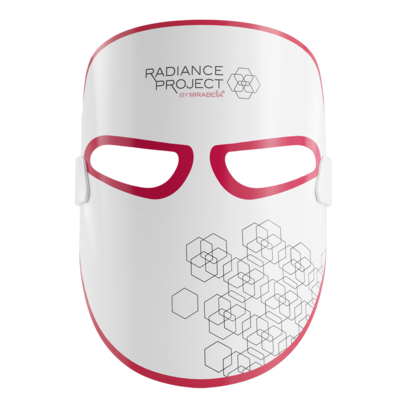
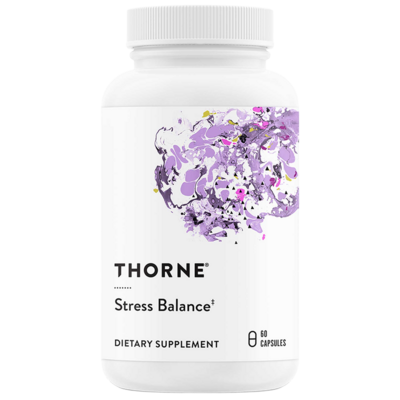
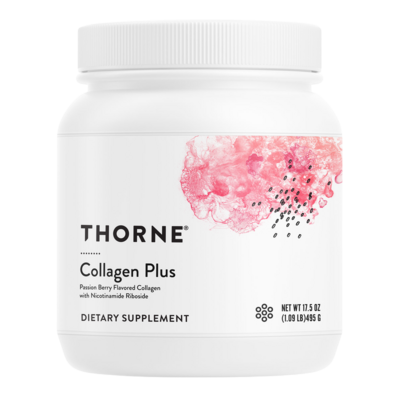
🌸 Mother’s Day Wellness Bundle: Nourish Her Body & Soul Give Mom the gift of holistic wellness this Mother’s Day with a curated selection of premium supplements that support energy, stress resilience, beauty, and restful sleep. 💖 What’s Inside the Bundle: 🌿 Stress & Adrenal Support Product: Stress Balance Benefit: Helps regulate stress response and support adrenal health for the superwoman in your life. 😴 Deep Sleep Support Product: Sleep and Recover Benefit: Naturally promotes restorative sleep so Mom wakes up refreshed and energized. ✨ Glow from Within – Collagen Boost Product: Collagen Plus Benefit: Supports healthy hair, skin, and nails. A beauty essential for youthful vibrance. 🌟 Mood & Energy Blend Product: FemGuard & Balance Benefit: Helps maintain balanced mood and clean energy throughout the day—no jitters, no crash. 🧖♀️ Beauty & Self-Care Tools 💎 Jade Roller Use: Reduces puffiness, boosts lymphatic drainage, and relaxes facial muscles. 💗 Rose Quartz Gua Sha Heart Use: Supports facial sculpting, tension release, and skin circulation for a healthy glow. 💡 LED Phototherapy Face Mask Use: Enhances skin clarity, reduces signs of aging, and boosts collagen production with red/blue light therapy. 🎁 Why Mom Will Love It: Holistic Beauty + Wellness: It’s not just supplements—this is a full reset for Mom’s body, mind, and glow. Functional Medicine-Approved: Natural solutions that work with the body, not against it. Self-Care, Delivered: Everything ships directly to her door via Fullscript.
🌞 Day Shift Support: Boost Your Energy and Wellness During the Day
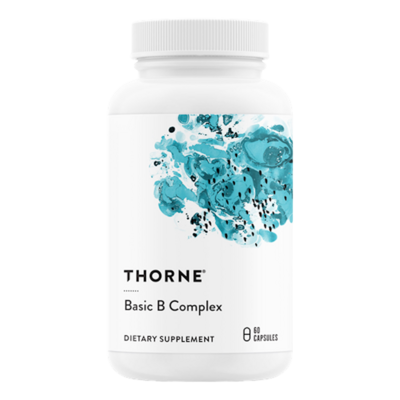
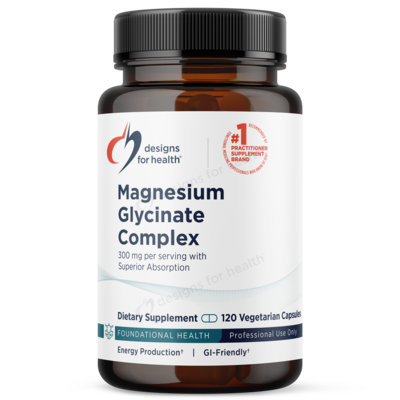
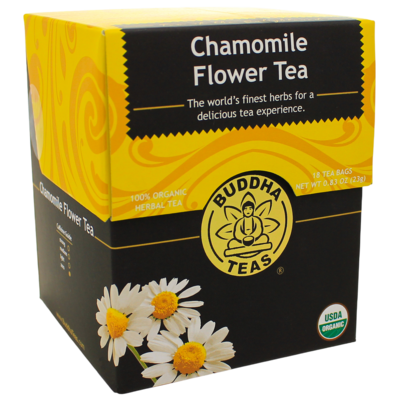 7 more items in 🌞 Day Shift Support: Boost Your Energy and Wellness During the Day
🌞 Day Shift Support: Boost Your Energy and Wellness During the Day Day shifts can bring their own challenges, such as dealing with burnout and maintaining focus during long hours. These strategies can help you feel your best while working the day shift. Day Shift Wellness Plan Sleep & Recovery Sleep Hygiene : Ensure you're getting 7–9 hours of quality sleep each night. Avoid blue light exposure 1–2 hours before bed, and implement a consistent sleep schedule. Sleep Aids : If you're struggling with sleep, Magnesium Glycinate (300–400 mg) and Melatonin (1–3 mg) can help. Caffeine-Free Options : If you rely on caffeine, switch to herbal teas like chamomile or lemon balm before bed to help wind down naturally. Energy & Focus B-Complex Vitamins : Ensure you're getting adequate amounts of B1 , B2 , and B3 to support energy levels. Rhodiola Rosea : For sustained energy and focus, consider Rhodiola Rosea during your shift (200–300 mg) to improve cognitive performance without jitters. Mitochondrial Support : Take CoQ10 (30–100 mg) or Alpha Lipoic Acid to support mitochondrial function and improve long-term energy levels. Stress Management & Mental Clarity Ashwagandha : Take ashwagandha (300–500 mg) daily to reduce stress, support adrenal function, and enhance resilience against daily challenges. Mindfulness & Meditation : Incorporate 5–10 minutes of mindfulness or guided meditation into your routine to reduce anxiety and promote mental clarity throughout the day. Nutritional Support Hydration : Aim for 80–100 oz of water per day , especially if you work in high-stress environments. Consider adding trace mineral drops for added hydration. Balanced Meals : Incorporate lean proteins , vegetables , complex carbs , and healthy fats to keep your blood sugar balanced and energy steady. Anti-Inflammatory Foods : Include turmeric , ginger , berries , and leafy greens to combat chronic inflammation and support overall health.
🌙 Night Shift Support: Tailored Solutions for Restful Nights and Restored Energy
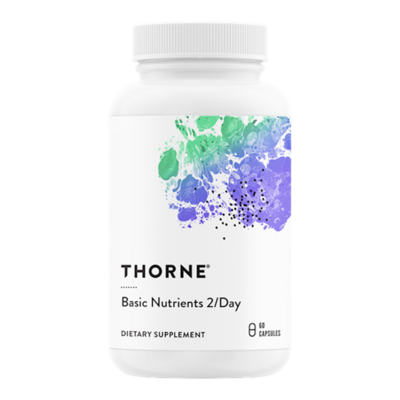 5 more items in 🌙 Night Shift Support: Tailored Solutions for Restful Nights and Restored Energy
🌙 Night Shift Support: Tailored Solutions for Restful Nights and Restored Energy Night shift work can be incredibly taxing on the body’s circadian rhythm, impacting sleep, energy, and overall wellness. Here are some resources and support strategies designed to help you thrive while working the night shift. Night Shift Wellness Plan Sleep & Recovery Sleep Support : Use melatonin (1–3 mg) or magnesium glycinate (300–400 mg) for improved sleep onset. Consider lavender essential oils or aromatherapy to create a calming environment. Sleep Environment : Optimize your sleep with blackout curtains, a white noise machine, and keeping the room cool (60–67°F) for restful sleep during the day. Sleep Schedule : Try to keep a consistent sleep schedule, even on days off, to align your circadian rhythm. Sleep hygiene is key to reducing fatigue. Stress & Mood Management Adaptogens : Use ashwagandha , rhodiola , or holy basil to manage stress and support your body’s ability to adapt to shift work. Stress Reduction : Practice deep breathing or meditation techniques before your shift or during breaks to help downregulate cortisol levels and improve focus. 5-HTP or L-Theanine : To help regulate serotonin levels and combat low mood or anxiety, consider 5-HTP (50–100 mg) or L-Theanine (200 mg) for a calming effect without drowsiness. Nutritional Support Balanced Meals : Focus on nutrient-dense meals before your shift. Include protein , healthy fats , and complex carbs to maintain energy levels. Supplements : Add B-Vitamins (B1, B2, B6) for energy production, and Magnesium for muscle relaxation and better sleep recovery. Caffeine : Limit caffeine to the first half of your shift, and avoid it in the last 4–5 hours to prevent disrupting your sleep. Energy & Focus CoQ10 or Alpha Lipoic Acid : Supports mitochondrial function for sustained energy. Rhodiola Rosea : Use this adaptogen to boost mental clarity and reduce fatigue. It can help combat the mental fog that often accompanies night shift work.
Spring Wellness Reset
 10 more items in Spring Wellness Reset
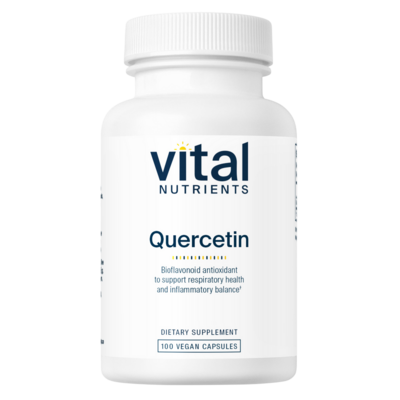
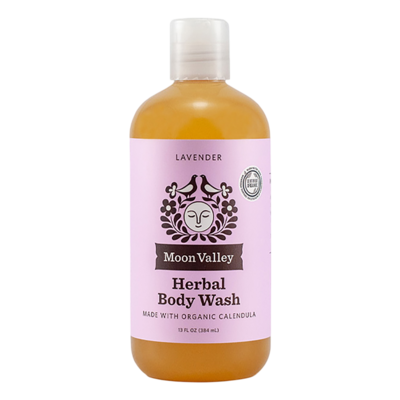
🌿 Welcome to Your Root Cause Spring Reset Protocol Hi there! I’m so excited you’re taking this step toward deeper healing and sustainable wellness. This carefully selected protocol supports your Spring Reset journey—designed by me, a functional RN , using only evidence-based, professional-grade supplements from trusted brands. Each product plays a role in restoring balance, enhancing energy, and supporting gut, skin, and stress resilience. ✅ These are not just supplements —they’re part of a targeted, root-cause approach to support your body’s natural healing systems. Here’s how to use this protocol: Follow the dosage and timing listed for each product Reach out via email: info@rootcausenurse.com , if you have any questions or need substitutions Be consistent—most results come with 4–8 weeks of steady use What’s inside: 🌱 Quercetin – Anti-inflammatory & allergy support 💧 Collagen – Skin, joints, and tissue health ☀️ Natural SPF + Clean skincare – Because your outside matters too Week 1: 🔹 Reset & Rebalance Focus: Gut support, inflammation reduction, daily essentials Take: ✅ Probiotic (~10 billion CFU/day) → Supports microbiome reset, digestion & bloating relief ✅ Quercetin (200–500 mg/day) → Begin for allergy support & inflammation control ✅ Collagen peptides (2.5–5g/day) → Start rebuilding tissue, joints, and skin foundation 💡 Tip: Take collagen in the morning; probiotic with breakfast; quercetin with meals. Week 2: 🔹 Calm & Cleanse Focus: Nervous system reset, improved sleep, continued gut & inflammation support Continue: Quercetin Probiotic Collagen Add: ✅ Zen Support ✅ L-Theanine (200–400 mg/day) → Stress relief and mood balancing ✅ GABA (100–300 mg/day) → Evening use for sleep support & anxiety relief 💤 Tip: Take L-theanine in the afternoon or early evening Week 3: 🔹 Glow & Nourish Focus: Skin, hormones, and continued inflammation/gut resilience Continue: All prior supplements Add (Optional): ✅ Skin Food Light Nourishing Cream → External skin barrier support ✅ Natural Retinol Serum or SPF 28 → Protect and support skin as internal detox increases 🌞 Tip: Use skin products in morning routines; journal physical changes (skin glow, digestion, energy). Week 4: 🔹 Sustain & Empower Focus: Holistic wellness, emotional clarity, energy balance Continue all supplements Re-evaluate with symptom tracker: Energy, focus, digestion, mood Maintain collagen and quercetin for skin/inflammation results Consider adding Zen Support (GABA/L-theanine) as needed based on sleep/stress levels ✅ Final Notes Hydration is key. Aim for half your body weight in ounces daily. Consistency = results. Set a timer or use a supplement organizer if needed
Shop the entire wellness catalog, held to a higher standard
Shop practitioner-grade products, each meeting the same bar for quality through Fullscript's standards.
Powered byVerified
Sourced straight from the brand — no resellers or fakes
Enhanced testing
Select products are tested in-house — get exactly what the label promises
Stored and shipped
From certified facilities, to protect product integrity