Public protocols
Pamela Holloway's Fullscript Account's general recommendations, available to anyone who visits this store.
24 Hour Water Fasting
 2 more items in 24 Hour Water Fasting
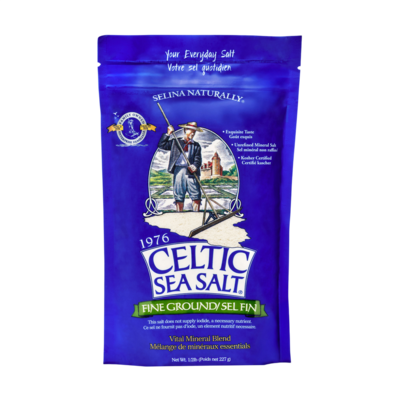
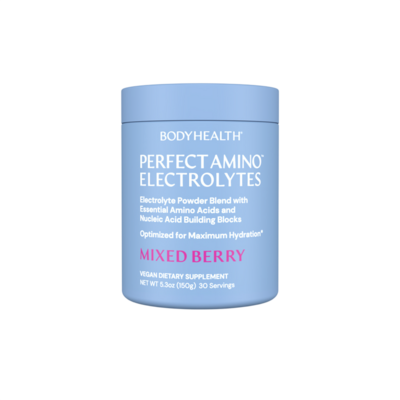
24‑Hour Water Fast Schedule Purpose: This schedule is designed for first‑time 24‑hour fasters to safely transition into a full‑day water fast using hydration, minerals, and gentle support. Preparation Day (Day Before the Fast) Physical Goal: Lower insulin, reduce hunger during the fast, and support electrolytes. Spiritual Goal: Intentionality in caring for the body He gave you, recognizing it is His temple. Morning & Afternoon Eat protein‑forward meals (eggs, fish, poultry, grass‑fed meat) Include healthy fats (olive oil, avocado, butter, coconut oil) Avoid sugar, refined carbs, and alcohol Dinner (Last Meal – ideally completed by the time it is totally dark outside) Protein + vegetables + fat Optional: bone broth or fermented vegetables Hydrate well ✔ Stop eating after dinner (Your body moves into rest after dark, digestion is timed with daylight). 24‑Hour Fast Schedule (Dinner‑to‑Dinner Fast) Evening (Hour 0–4) 7:00–10:00 PM Water as desired or herbal tea A pinch of sea salt, Baja Salt or Real Salt or electrolytes added to a glass of water can help prevent headaches or light-headedness that often occur later. Focus: Relax, low stimulation, early bedtime. No screens or bright lights (LED) for at least one hour before bedtime. Overnight (Hour 4–12) Sleep Body shifts into fat‑burning mode, brain begins detox process Morning (Hour 12–16) 7:00–11:00 AM Water upon waking (adding a little lemon juice & salt can help prevent headaches, dizziness, etc.). Recommended salts: Baja Gold Salt, Real Salt, Celtic Salt, etc. (these salts are higher in trace minerals that support the body). Optional: black coffee (if not fasting from caffeine) or herbal tea (no sweeteners, no cream) Electrolytes in water can help- be sure that the electrolytes contain magnesium, potassium & sodium. Avoid electrolytes that contain sugar, artificial sweeteners or food dyes. What’s normal: Mild hunger waves, mental clarity, light energy fluctuations Midday (Hour 16–20) 11:00 AM–3:00 PM Drink water consistently throughout the day (preferably spring water, etc.) Gentle movement: walking, stretching, light chores Tip: Hunger often peaks here — it usually passes within 20–30 minutes. This is a great opportunity to walk outside in the sunshine & pray (weather permitting). Take a moment in nature to rest & let the Lord speak to you. If the discomfort doesn’t pass & you feel you need to do something to alleviate the symptoms, you can support with essential amino acids (EAA’s) and not break your fast. Perfect Aminos Electrolytes are excellent as they contain electrolytes and EAA’s. Avoid electrolytes that contain sugar or artificial sweeteners (like aspartame, succralose, saccharin). Late Afternoon (Hour 20–24) 3:00–7:00 PM Continue hydration (herbal tea if desired) Rest, journaling, light activity like walking outdoors Avoid: Intense exercise, stress, over‑scheduling Breaking the Fast (Hour 24) Physical Goal: Support digestion, hormones, and gut lining. Spiritual Goal: Take a moment to observe the sunset and thank the Lord for His provision. If possible, begin dinner with gratitude after observing the sunset, completing your meal by the time it is totally dark outside. Best First Foods (particularly for those unaccustomed to fasting routinely) Bone broth (broth rich soups like chicken, beef, etc.) Avocado or olives Light protein (eggs, fish) Fermented foods (sauerkraut, kefir, etc.- start slowly if unaccustomed) Avoid: Large heavy meals, sugar, refined carbs Eat slowly, enjoying your food. Stop when comfortably full. What to Expect (Normal) Hunger waves that come and go Temporary fatigue or chilliness (similar to early symptoms of flu as the body begins to detox) Improved mental clarity later in the fast End the fast if: dizziness, weakness, nausea, or symptoms feel concerning. Frequency Recommendation 1× per week After adaptation:** Consider stretching your fast into longer timeframe.*** Summary Table of Supportive Fasting Nutrients This guide is educational and not medical advice. Consult a qualified practitioner if you have underlying conditions, are pregnant, or managing blood sugar disorders.
Pregnancy Supplements (FLCCC)
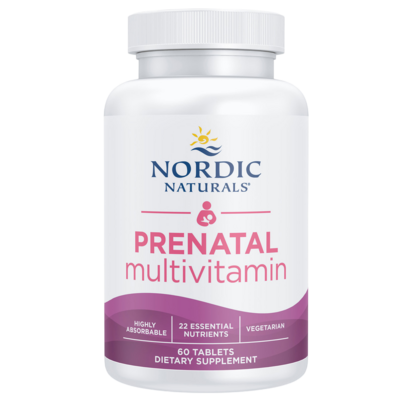
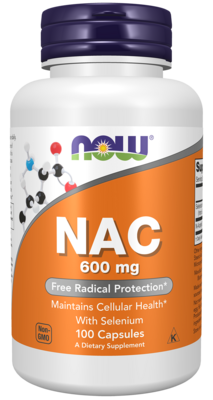
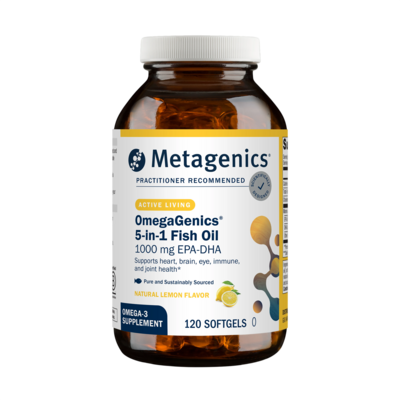
According to the Americcan College of Obstetricians and Gynecologists (ACOG), it is advisable to take one prenatal vitamin a day. This typically includes: [1] Vitamin C (80 mg for ages 14-18, 85 mg for ages 19-50) Calcium (1300 mg for ages 14-18, 1000 mg for ages 19-50) Iron (27 mg) Iodine (220 mg) Choline (450 mg) Vitamin A (750 mg for ages 14-18, 770 mg for ages 19-50) Vitamin D3 (400-600 units) B6 (1.9 mg) B12 (2.6 mg) Folic acid (600 mcg) Besides those listed above, ACOG does not explicitly say whether or not it is safe to take herbal or other dietary supplements such as the ones listed in FLCCC protocols. [1] Supplements such as B1 (1.4 mg), B2 (1.4 mg), B3 (18-35mg), and zinc (11-13 mg) are recommended by the American Pregnancy Association. [2] Magnesium supplementation during pregnancy may reduce fetal growth restriction and pre‐eclampsia and increase birthweight. [3] (See below for dosing.) The need for magnesium increases during pregnancy, and most pregnant women likely do not meet this increased need. [4] Magnesium deficiency or insufficiency during pregnancy may pose a health risk for both the mother and the newborn, with implications that may extend into adulthood of the offspring. Safety of melatonin and other supplements listed on the FLCCC protocols in pregnant women Safe Supplements -Vitamin C, D3, zinc, and B complex, taken within recommended daily dose, are considered safe in pregnancy since they are part of recommended prenatal vitamin supplementations. -Magnesium and Omega-3 fatty acids (mercury-free source): Safe and beneficial. A daily dose of 300-400 mg magnesium is safe and beneficial in pregnancy. [3;4]. Data derived from observational studies have found that omega-3 fatty acid consumption during pregnancy either in the diet or via supplements is associated with improved neurodevelopmental outcomes in the child. [5] -N-acetyl cysteine: NAC (600 mg daily) appears to be safe in pregnancy. [6;7] Undetermined Supplements -Melatonin, Curcumin and Resveratrol: No evidence to support reproductive safety in humans. Clinical evidence on melatonin use in pregnancy is scarce, and most studies have been done on animals and in vivo. Even though a few clinical studies on pregnant women show melatonin as being risk-free, when considering the extensive and not yet known effects on fetal development, it should not be used by pregnant women before further studies. [8-11] -Although the safety of Curcumin and Resveratrol have been proven with no adverse effects on reproductive performance or embryos in animal models, there is a lack of human data to demonstrate their safety and efficacy in gestational women. [12] -Spermidine. No human data is found for spermidine use during pregnancy. [13] The serum level of spermidine is increased during a normal pregnancy. [14] Without evidence showing the safety and therapeutic use of spermidine during pregnancy, spermidine should not be recommended for this population. Supplements to Avoid -Quercetin: Should be avoided in pregnancy. No human studies have been found on quercetin. There have been a few studies done on animals and molecular docking with controversial findings, and a couple of them are concerning. [15] A study in mice suggested that prenatal quercetin exposure results in epigenetic changes and increased iron storage in the liver in adulthood. [16] In another study, prenatal exposure to quercetin was linked to increased cancer risk. [17] -Nigella sativa: Should be avoided in pregnancy. Nigella sativa should be avoided during pregnancy because it can stimulate menstruation and has been used as a contraceptive. [18;19] References Nutrition in Pregnancy ( ACOG.org ). https://www acog org/womens-health/faqs/nutrition-during-pregnancy [accessed 2022 Aug. 21] Pregnancy Vitamins and Nutrients (APA). https://americanpregnancy org/healthy-pregnancy/pregnancy-health-wellness/pregnancy-vitamins-nutrients/ [ 2021 [cited 2022 Aug. 21]; Zarean E, Tarjan A. Effect of magnesium supplement on pregnancy outcomes: A randomized control trial. Adv Biomed Res 2017; 6:109. Dalton LM, Ni’Fhloinn DM, Gaydadzhieva GT, Mazurkiewicz OM, Leeson H, Wright CP. Magnesium in pregnancy. Nutr Rev 2016; 74:549-557. Coletta JM, Bell SJ, Roman AS. Omega-3 fatty acids and pregnancy. Reviews in Obstetrics and Gynecology 2010; 3:163-171. Amin AF, Shaaban OM, Bediawy MA. N-acetyl cysteine for treatment of recurrent unexplained pregnancy loss. Reproductive Medicine Online 2008; 17:722-726. Miller BM, Wells KK, Wells CB, Lam XT, Carney ME, Kepko DS et al. Exposure to the dietary supplement N-acetyl-L-Cysteine during pregnancy reduces cyclophosphamide teratogenesis in ICR mice. J Clin Nutr Food Sci 2018; 1:35-39. Voiculescu SE, Zygouropoulos N, Zahiu CD, Zagrean AM, Davila C. Role of melatonin in embryo fetal development. Journal of Medicine and Life 2014; 7:488-492. Kuhne BA, Vazquez-Aristizabal PV, Fuentes-Amell M, Pla L, Loreiro C, Gratacos E et al. Doccosahexaenoic acid and melatonin prevent impaired oligendrogenesis induced by intrauterine growth restriction (IUGR). Biomedicines 2022; 10:1205. Hobson SR, Gurusinghe S, Lim R, Alers NO, Miller SL, Wallace EM. Melatonin improves endothelial function in vitro and prolongs pregnancy in women with early-onset preeclampsia. J Pineal Res 2018; 65:e12508. Carloni S, Favrais G, Saliba E, Albertini MC, Chalon S. Melatonin modulates neonatal brain inflammation through endoplasmic reticulum stress, autophagy, and miR-34a/silent information regulator 1 pathway. J Pineal Res 2016; 61:370-380. Sebastiani G, Navarro-Tapia E, Almeida-Toledano L, Serra-Delgado M, Paltrinieri AL. Effects of antioxidant intake on fetal development and maternal/neonatal health during pregnancy. Antioxidants 2022; 11:648. Tamba RP, Moenadjat Y. Oral spermine supplementation in gestated rabbit: A study on villi height of immature intestines. Front Surg 2021; 8:721560. Hussain T, Tan B, Ren W, Rahu N, Kalhoro DH, Yin Y. Exploring polyamines: Functions in embryo/fetal development. Animal Nutrition 2017; 3:7-10. Zhang J, Peng Q, deng Y, Sun M, Zhao Y, Zhang W. The preventive effects of quercetin on preterm birth based on network pharmacology and bioinformatics. Reproductive Sciences 2022; 29:193-202. Vanhees K, Godschalk RW, Sanders A, van Schooten FJ. Maternal quercetin intake during pregnancy results in an adapted iron homeostasis at adulthood. Toxicology 2011; 290:350-358. Vanhees K, de Bock L, Godschalk RW, van Schooten FJ. Prenatal exposure to flavonoids: Implications for cancer risk. Toxicological Sciences 2011; 120:59-67. Salarinia R, Rakhshandeh H, Oliace D, Ghasemi SG, Ghorbani A. Safety evaluation of Phytovagex, a pessary formulation of Nigella sativa, on pregnant rats. Avicenna J Phytomed 2016; 6:117-123. Ahmad A, Husain A, Mujeeb M, Khan SA, Najmi AK, Anwar F. A review on therapeutic potential of Nigella sativa: A miracle herb. Asian Pac J Trop Biomed 2013; 3:337-352.
Eat Well (FLCCC)
 2 more items in Eat Well (FLCCC)
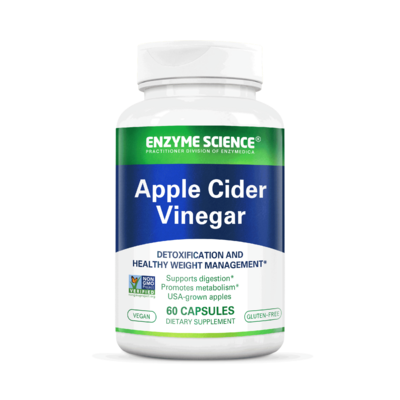
Introduction Many people ask how to remove spike protein from the body. The FLCCC recommends intermittent fasting as one of the most effective ways to induce autophagy, the process by which the body clears out damaged and misfolded cells. We additionally suggest time-restricted feeding as a lasting lifestyle intervention to promote health, reduce disease burden, slow aging, prevent neurodegenerative disease, prevent cardiovascular disease, and prevent cancer. This document should serve as a quick guide to anyone interested in exploring the beneficial effects of intermittent fasting and time-restricted eating. It is not an exhaustive resource, and we will continue to evolve and develop it over time. Please read this in conjunction with our prevention, treatment, and recovery protocols, which contain further details and recommendations specific to particular health states. Definitions Fasting means abstaining from eating — so technically any time you are not eating a meal, you are fasting. Time-restricted eating is a type of fasting where food intake is limited to a short window during the day (1 to 8 hours), with only fluids such as water, tea, or coffee for the rest of the day. Intermittent fasting usually involves a longer period of fasting; the most common is alternative day fasting (24-hour fast, followed by a 24-hour eating window). However, many people fast for several days (3-7 days, or up to 14 days) followed by slow refeeding. Intermittent fasting/time-restricted eating are not synonymous with starvation; people who fast eat nutrient-dense food. Intermittent fasting does not activate starvation metabolic pathways. For example, when the body is starving, it decreases the basal metabolic rate (BMR) and growth hormone (GH) levels to try to conserve energy and limit growth. Intermittent fasting, on the other hand, increases BMR and GH. This may explain why diets that advocate the traditional approach of ‘eat fewer calories and exercise more’ fail most of the time. What happens when we eat When we eat or drink foods containing carbohydrates, the body breaks these down into glucose (a type of sugar) that then enters the bloodstream. As blood sugar rises, the pancreas makes insulin, a hormone that moves glucose into our cells to use for energy. Time-restricted eating and carbohydrate restriction/ketogenic diet are good ways to reduce spikes in glucose. Other simple interventions are described by Jessie Inchauspe (aka “the Glucose Goddess”) in her book Glucose Revolution . Eat food in the right order to slow gastric emptying and slow the breakdown and absorption of glucose. Begin with greens and fiber, then protein and fat, and then — if you must eat starchy foods, make sure they include fiber and make them the last thing you eat. Eat fruit after a meal and always make sure it is preceded by fiber. Drink a tablespoon of vinegar (apple cider vinegar, preferably) stirred into a tall glass of water before eating starch or something sweet. Vinegar decreases the glucose spike as well as the release of insulin. Vinegar may be beneficial even if consumed up to 20 minutes after a starchy food. Note that apple cider vinegar is usually unpasteurized and should be avoided during pregnancy. If vinegar is not readily available, try consuming a few fiber tablets (esp. glucomannan tablets) prior to eating a starchy or sweet treat. This should flatten the curve. Go for a 20-minute walk within an hour of eating (especially starchy food). During exercise, muscles take up glucose for energy while increasing mitochondrial oxidative capacity. This is a very effective method to flatten the curve. Avoid fruit juices and smoothies, which cause a large glucose spike. Despite what your mother told you, it is good to skip breakfast. If you do eat breakfast, avoid sugar, starches, and cereal, which all cause a rapid spike in glucose. Avoid snacking throughout the day and avoid distracted eating. Studies have shown that eating on the sofa or at your desk can lead to excess weight gain because we are not as aware of how much we have eaten. A brief guide to intermittent fasting/time-restricted eating Fasting is simple, it’s free, it’s powerful, and it’s flexible. You can still enjoy life’s little pleasures. And it works with any diet — whether you’re vegan, carnivore, low-carb, or follow a Mediterranean diet. That said, a low-carbohydrate, high-fat diet is the optimum choice. (Saturated fats and Omega 3-fatty acids are both healthy fats; don’t be fooled!) Just remember to eat real rather than processed foods, avoid seemingly healthy foods that may be high in sugar (such as fruit juice), and keep your meals diverse with lots of leafy greens and cruciferous vegetables (broccoli, cauliflower, cabbage, kale, arugula, bok choy, etc.) Also, don’t eat (or snack) within 3-4 hours of going to bed. This limits autophagy while sleeping, which is vital for brain health and glymphatic flow. Cut out snacking and get between 20 and 30 minutes of exercise (aerobic or resistance training) per day. How to get started Preparing yourself mentally for intermittent fasting or time-restricted eating is half the battle. Don’t calorie count or obsess about eating and food choices. Remember you will not be starving yourself or severely restricting caloric intake. Time-restricted eating seems to be a particularly effective and practical approach. For timed fasting, begin slowly: start by allowing yourself a 12-hour eating window 5 days a week. This could mean eating between 8:00 in the morning and 8:00 in the evening Monday through Friday. After a week or two, reduce the eating window by an hour or two, and then start doing it 7 days a week. You should aim for no more than an 8-hour eating window every day. This can be further shortened to 4 hours or less in time. The ideal goal is a 1-2 hour eating window, restricted to one meal a day. Timed fasting can be interspersed with day-long, 36-hour, or 48-hour fasts. Another approach is called “5:2 fasting”, which means you eat normally for 5 days and fast for 2 days by restricting caloric intake to about 500 calories on those days. Alternative day fasting is another popular technique, which entails taking in only liquids for a 24-hour period followed by a 24-hour eating period, repeating this cycle indefinitely. Other people fast Monday, Tuesday, Wednesday, and Friday and eat “normally” the other days. Whatever approach you do, remember that the goal is to adopt this as a healthy, sustainable lifestyle so think of it as a marathon, not a sprint. Set achievable goals and listen to your body. Avoid pills and potions. Remember, (almost) anyone can fast Some people ask what they should do if they are unable to fast. In truth, there are only a few groups of people who should avoid intermittent fasting. These include children under age 18, as it can impair their growth, and people who are malnourished or underweight (BMI < 20). Women who are pregnant or breastfeeding should also not try intermittent fasting. Some premenopausal women seem to be less tolerant of time-restricted eating and should therefore restrict the eating window slowly (see section below). Other approaches to intermittent fasting should probably be avoided in women. If you have diabetes, gout, or serious underlying medical conditions, you should consult your primary care physician before trying to fast, as changes in your medications and close monitoring may be required. Otherwise, humans have evolved over millions of years to be well-adapted to fasting. All humans can fast; indeed, it is an integral component of many religious lifestyles. People who have tried and failed are likely severely insulin resistant and may be addicted to carbohydrates and sugar. Ironically, fasting is the best remedy for these people. We suggest a slow and progressive approach to time-restricted feeding; start by skipping breakfast and then slowly increase the time of your fasting window. Fasting while on medication Some medications are contraindicated with intermittent fasting. For example, proton pump inhibitors (PPI), which reduce stomach acid, should be avoided as they block autophagy. Suddenly discontinuing a PPI can cause rebound esophagitis, so an H2-blocker like famotidine or ranitidine may be an alternative. An aloe vera stomach formula or diluted apple cider vinegar have been suggested as alternatives to a PPI; however, there is limited data to support these interventions. Hydroxychloroquine (HCQ), which is recommended in some COVID-19 protocols, can interfere with the autophagy process, and therefore may limit the benefits of intermittent fasting. Generally, it is fine to continue taking vitamins and supplements while fasting and these do not break your fast. Intermittent fasting and cancer While autophagy may prevent cancers from occurring in the first place, once cells have begun a malignant transformation, autophagy may promote their growth. Cancer cells have an increased metabolic demand for energy and macromolecular building blocks to proliferate, and they have shown elevated levels of autophagy to recycle nutrients. Therefore, patients with cancer should use caution in activating autophagy (fasting) and should discuss fasting and fasting protocols with their treating oncologist. Women and fasting Women have different hormone profiles than men, and their hormones are constantly in flux. While men have a hormone profile that is relatively similar from day to day, women’s hormones (at least until after menopause) shift cyclically. The response to fasting differs depending on the day of their cycle. Days 1-10 of the menstrual cycle are great days for fasting and eating a more keto or lower carbohydrate diet. This is a hormonally resilient time. During days 1-7, there is a subsequent rise in testosterone, which supports body mass. This is a great time for fat-burning and resistance training. Right after ovulation, which varies around day 14, the body becomes less insulin-sensitive, and it is therefore important to reduce complex carbohydrate intake as insulin sensitivity is at its lowest during this phase. Consider intermittent fasting and following a lower complex carbohydrate diet while increasing fiber, healthy fats, and protein. The third and fourth weeks of the menstrual cycle are the luteal phase; post-ovulation. Here progesterone levels are highest and metabolism changes yet again. Progesterone is a potent appetite stimulant but slows digestion. This a great time to add green juicing, bone broths, increasing hydration, and increasing fiber to keep bowel movements regular. Week 4 is the final week of the luteal phase, when the body begins to build hormones to prepare for menstruation. This is a great time to bring in healthy carbohydrates with a wide variety of vegetables and grains to support menstruation. Fasting during pre-menopause There are many anecdotal stories of women who have experienced changes to their menstrual cycles after starting intermittent fasting (likely alternate-day or fasting for more than 24 hours). For this reason, pre-menopausal women may need to follow a modified approach, as follows: fasting for 12 hours for two to three days a week and increasing from there. Furthermore, the fasting window should begin at least 4 hours before going to sleep. Fasting days should be nonconsecutive and spaced evenly across the week (for example, Monday, Wednesday, and Friday). With time, the fasting window can slowly (over weeks) be increased to 16 hours and the number of fasting days per week increased; the increase in the duration and frequency of fasting should be based on the individual woman’s response to fasting. Fasting during perimenopause and menopause During perimenopause, hormone levels fluctuate because of fewer ovulations, which means less progesterone is produced in the second half of the menstrual cycle. Periods can be erratic, skipped, or heavy. Symptoms result from the change in the ratio of estrogen to progesterone, and the imbalance creates the symptoms. During menopause, estrogen is no longer produced by the ovaries and is made in smaller amounts by the adrenal glands and in fat tissue. Estrogen is still produced in the body, but in lower amounts than in younger, menstruating women. The most significant hormone change of menopause is the lack of progesterone, creating a period of estrogen dominance and low progesterone. Menopause is associated with low estrogen levels, insulin resistance, and features of the “metabolic syndrome”; therefore, intermittent fasting/time restricted eating combined with a ketogenic diet may increase estrogen levels and “rebalance” hormonal levels. In addition, berberine (600 mg once or twice a day) is suggested, as this natural herb increases insulin sensitivity, improves the lipid profile, and has beneficial effects on the microbiome. Taking melatonin (0.75-5 mg at night; extended-release tablets) is another promising strategy to manage postmenopausal patients via restoring the osteoporosis-impaired osteogenic potential of bone marrow mesenchymal stem cells. DISCLAIMER This document is primarily intended to assist healthcare professionals in providing appropriate medical care for patients who have received a COVID-19 vaccine. Patients should always consult a trusted healthcare provider before embarking on any new treatment. Never disregard professional medical advice because of something you have read on our website and releases. This is not intended to be a substitute for professional medical advice, diagnosis, or treatment regarding any patient. Treatment for an individual patient is determined by many factors and thus should rely on the judgment of your pediatrician or qualified healthcare provider. Always seek their advice with any questions you may have regarding your medical condition or health.
I-CARE Insulin Resistance (FLCCC)
 7 more items in I-CARE Insulin Resistance (FLCCC)
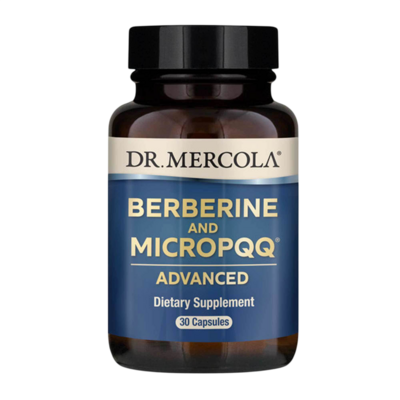
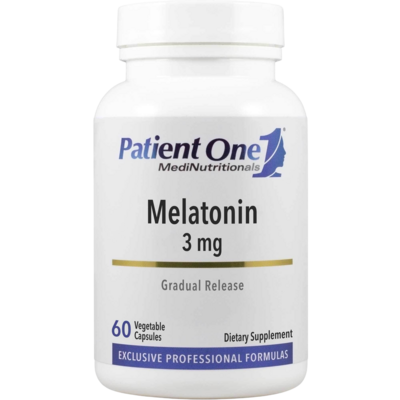
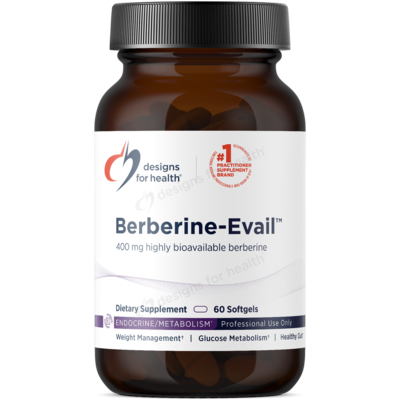
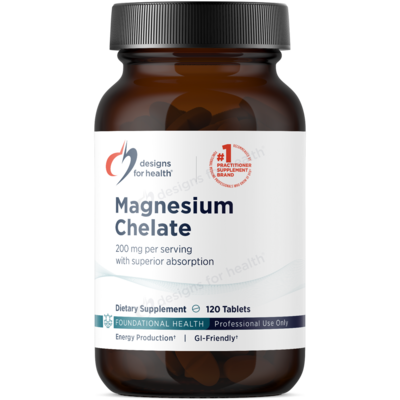
A Guide to Managing Insulin Resistance, Metabolic Syndrome and Type II Diabetes Insulin resistance has emerged in the last 50 years as the world’s most common disorder and the single largest cause of loss of life. Also known as ‘metabolic syndrome, it leads to conditions like high blood pressure, high blood sugar, excess body fat around the waist, and abnormal triglyceride and cholesterol levels. As this document makes clear, insulin resistance and type II diabetes are largely reversible through adopting healthy lifestyles. Treatments Intermittent fasting/time-restricted eating : This is the most efficient and effective way to lower insulin levels and restore insulin sensitivity. In addition, fasting has a profound benefit on the immune system, partly by stimulating the clearing of damaged cells (autophagy), damaged mitochondria (mitophagy), and misfolded and foreign proteins. Fasting also improves mitochondrial health and increases stem cell production, and is the most effective method to achieve sustained weight loss.Cautions and contraindicationsAvoid fasting if:Use caution and seek the advice of a healthcare provider if: You are malnourished or underweight You have anorexia nervosa/bulimia You have type I diabetes (true insulin deficiency) You are under 18 years of age You are pregnant or breastfeeding You have type II diabetes (as you will likely have to adjust your diabetic medications) You have chronic diseases and take multiple medications You have gout Low-carbohydrate (ketogenic) diet: Aim for a diet high in saturated fat, mono-unsaturated fat, and Omega-3 fatty acids. The carbohydrate content of a meal should not exceed 25 grams. Berberine: 1000-1500 mg total daily dose (take 500 mg two or three times daily or 600 mg twice daily) Once metabolic stability is achieved, it may be possible to reduce the dose of berberine to 500 mg once or twice daily.Cautions and contraindications Berberine is remarkably safe; the only adverse events include transient gastrointestinal symptoms (diarrhea, flatulence). As berberine lowers blood glucose and lowers blood pressure, these parameters should be monitored. Berberine should not be taken in patients taking cyclosporine as this combination will increase cyclosporine levels (absolute contraindication). Berberine may alter the metabolism of the following drugs, which should be used with caution (monitor effects): anticoagulants, dextromethorphan, tacrolimus (Prograf), phenobarbitone and sedative drugs (see https://www.webmd.com/vitamins/ai/ingredientmono-1126/berberine ). Berberine is contraindicated during pregnancy, breastfeeding, and in neonates and children. If you are scheduled for surgery, please notify your anesthesia team if you are taking Berberine. You may need to stop taking Berberine one week prior to surgery. Metformin: 500-1000 mg twice daily The dose of metformin will likely need to be reduced in type II diabetics as insulin resistance improves during the induction phase. Magnesium : A starting dose of 100 to 200 mg daily is suggested, increasing the dose as tolerated up to 300 mg (females) to 400 mg daily Melatonin: 2-10 mg slow release/extended release at night (dose as tolerated) Resveratrol: 400-500 mg daily Resveratrol may potentiate the effect of time-restricted feeding (intermittent fasting) in activating autophagy. Resveratrol should therefore be taken during fasting and not with a meal. Cinnamon: 1-2 g daily Omega-3 fatty acids: We suggest a combination of EPA/DHA with an initial dose of 1 g/day (combined EPA and DHA) and increasing up to 4 g/day of the active Omega-3 fatty acids Probiotics with Bifidobacterium: Look for brands without added sugar and choose products with more than one strain of lactobacillus and bifidobacteria PAM‘s NOTE: GLUCOMEDIX : Take 30 drops twice daily up to 60 drops twice daily for metabolic support. There is outstanding research and testimonies of lowering A1C, reducing blood sugar, reducing blood pressure as well as immune support and prevention of COVID, etc. Avoid excessive stress: Stress increases cortisol and catecholamines which increase blood sugar levels. Exercise: Aim for at least 30 minutes a day of moderate activity (like brisk walking), five or more days a week. A quick guide to intermittent fasting There are a number of intermittent fasting plans that can be adapted and modified to best suit any lifestyle. The 2016 book by Dr. Jason Fung, The Complete Guide to Fasting, provides excellent guidance on approaches to intermittent fasting. Start with a 12-hour eating window 5 days a week and reduce week-by-week to an 8-hour eating window 7 days a week. This eating window can be shortened to 4 hours or less over time. The ideal is a 1-2 hour eating window restricted to one meal a day. Timed fasting can be interspersed with 36-to 48-hour fasts. Some things to bear in mind: Premenopausal women appear less tolerant to time-restricted eating and should therefore restrict the time-based eating window slowly. Don’t eat (or snack) within 3-4 hours of going to bed. Time-restricted eating is best coupled with a low-carbohydrate diet. Eat real rather than processed foods. Keep your meals diverse and include lots of green and cruciferous vegetables. Avoid fruit juices. To prevent large excursions of blood sugar, avoid high glycemic index foods. No snacking. Don’t calorie count or obsess about eating and food choices. No artificial sweeteners and no sodas. DISCLAIMER The I-CARE: Insulin Resistance protocol is meant solely for educational purposes. Never disregard professional medical advice because of something you have read on our website and releases. This is not intended to be a substitute for professional medical advice, diagnosis, or treatment regarding any patient. Treatment for an individual patient is determined by many factors and thus should rely on the judgment of your pediatrician or qualified healthcare provider. Always seek their advice with any questions you may have regarding your medical condition or health.
I-CARE Early Treatment COVID (FLCCC)
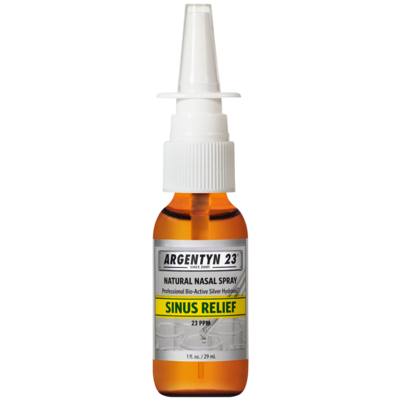
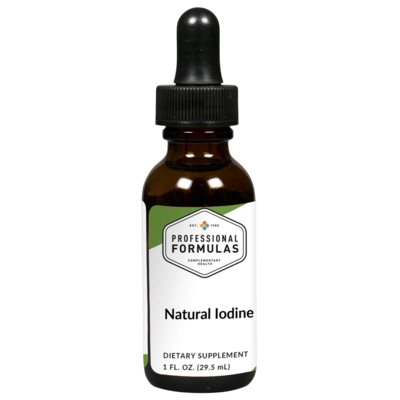 16 more items in I-CARE Early Treatment COVID (FLCCC)
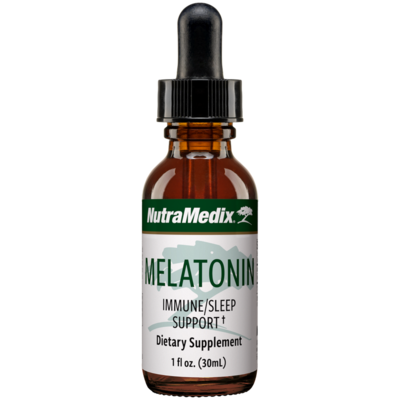
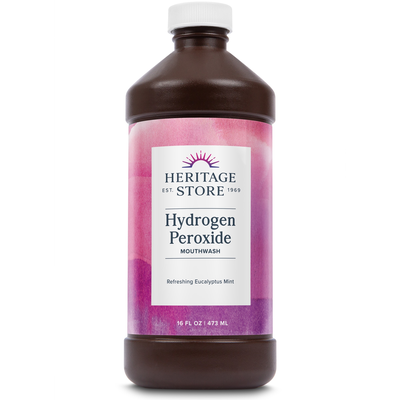
A Guide to Early Treatment of COVID-19 Early treatment is critical and the most important factor in managing this disease. COVID-19 is a clinical diagnosis; a confirmed antigen or PCR test is not required. Treatment should be initiated immediately after the onset of flu-like symptoms. The multiple therapies and drugs in this protocol have different mechanisms of action and work synergistically during various phases of the disease. About this Protocol The information in this document is our recommended approach to COVID-19 based on the best (and most recent) literature. It is provided as guidance to healthcare providers worldwide on the early treatment of COVID-19. Patients should always consult with their provider before starting any medical treatment. New medications may be added and/or changes made to doses of existing medications as further evidence emerges. Please be sure you are using the latest version of this protocol. A note about anesthesia and surgery: Please notify your anesthesia team if you are using the following medications and/or nutraceuticals as they can increase the risk of Serotonin Syndrome — a life-threatening condition — when opioids are administered: Methylene blue Curcumin Nigella Sativa Selective Serotonin Reuptake Inhibitors (SSRIs) For more information on nutritional therapeutics and how they can help with COVID-19, visit our guide to Nutritional Therapeutics. For more information on vitamins and nutraceuticals during pregnancy, visit our guide to Vitamins and Nutraceuticals During Pregnancy . First Line Therapies (In order of priority; not all required.) Ivermectin: 0.4 to 0.6 mg/kg – one dose daily for at least 5 days or until symptoms resolve. If symptoms persist longer than 5 days, consult a healthcare provider. See Table 1 for help with calculating correct dose. Due to a possible interaction between quercetin and ivermectin, these drugs should be staggered throughout the day ( see Table 2 ). For COVID treatment, ivermectin is best taken with a meal or just following a meal, for greater absorption. Hydroxychloroquine (HCQ): 200 mg twice a day for 5 to 10 days. Best taken with zinc. HCQ may be taken in place of, or together with, ivermectin. While ivermectin should be avoided in pregnancy, the FDA considers HCQ safe in pregnancy. Given the pathway used by the Omicron variant to gain cell entry, HCQ may be the preferred drug for this variant. Mouthwash: 3 times a day. Gargle three times a day (do not swallow) with an antiseptic-antimicrobial mouthwash containing chlorhexidine, cetylpyridinium chloride (e.g., Scope™, Act™, Crest™), a combination of eucalyptus, menthol, and thymol (Listerine™), or 1% povidone-iodine. Nasal spray with 1% povidone-iodine: 2-3 times a day. Do not use for more than 5 days in pregnancy. If 1% product is not available, dilute the more widely available 10% solution (see box) and apply 4-5 drops to each nostril every 4 hours. Pour 1 ½ tablespoons (25 ml) of 10% povidone-iodine solution into a 250 ml nasal irrigation bottle. Fill bottle to top with distilled, sterile, or previously boiled water. To use: tilt head back, apply 4-5 drops to each nostril. Keep head tilted for a few minutes, then let drain. Quercetin (or a mixed flavonoid supplement): 250-500 mg twice a day. Due to a possible interaction between quercetin and ivermectin, these drugs should not be taken simultaneously (i.e., should be staggered at different times of day.) As supplemental quercetin has poor solubility and low oral absorption, lecithin-based and nanoparticle formulations are preferred. Nigella sativa: If using seeds, take 80 mg/kg once a day (or 400 to 500 mg of encapsulated oil twice a day). Honey: 1 g/kg one to two times a day. Melatonin: 5-10 mg before bedtime (causes drowsiness). Slow- or extended-release formulations preferred. Curcumin (turmeric): 500 mg twice a day. Curcumin has low solubility in water and is poorly absorbed by the body; consequently, it is traditionally taken with full fat milk and black pepper, which enhance its absorption. Zinc: 75-100 mg daily. Take with HCQ. Zinc supplements come in various forms (e.g., zinc sulfate, zinc citrate and zinc gluconate). Aspirin: 325 mg daily (unless contraindicated). Kefir and/or Bifidobacterium Probiotics. NOTE: Depending on the brand, these products can be very high in sugar, which promotes inflammation. Look for brands without added sugar or fruit jellies and choose products with more than one strain of lactobacillus and bifidobacteria. Try to choose probiotics that are also gluten-free, casein-free and soy-free. Vitamin C: 500-1000 mg twice a day. Home pulse oximeter Monitoring of oxygen saturation is recommended in symptomatic patients, due to asymptomatic hypoxia. Take multiple readings over the course of the day and regard any downward trend as ominous. Baseline or ambulatory desaturation under 94% should prompt consultation with primary or telehealth provider, or evaluation in an emergency room. (See box for further guidance.) Only accept values associated with a strong pulse signal Observe readings for 30–60 seconds to identify the most common value Warm up extremities prior to taking a measurement Use the middle or ring finger Remove nail polish from the finger on which measurements are made Second Line Therapies (In order of priority/importance.) Add to first line therapies above if: 1) more than 5 days of symptoms; 2) poor response to first line agents; 3) significant comorbidities). Nitazoxanide (NTZ): 500 mg twice a day for 5 days. Vitamin D3: For patients with acute COVID-19 infection, calcifediol as dosed in table below is suggested. B complex vitamins. Fluvoxamine : 25-50 mg twice a day for 1 week. NOTE: Due to serious risks of acute anxiety that may progress to mania or suicidal/violent behavior, this drug should not be prescribed for COVID for longer than two weeks. (PAM NOTE: I do not recommend this as therapy, this is strictly an FLCCC recommendation). N-acetyl cysteine (NAC): 600-1200 mg orally twice a day. Omega-3 fatty acids: 4 g daily. Vascepa (Ethyl eicosapentaenoic acid); Lovaza (EPA/DHA); or alternative DHA/EPA. Vascepa and Lovaza tablets must be swallowed and cannot be crushed, dissolved, or chewed. Treatment of BA.4/BA.5/BQ.1.1 and XBB1 Variants Treatment of Current Circulating Omicron variants Limited data are available on the clinical implications of the current circulating Omicron ‘subvariants’, however these variants have demonstrated ‘neutralization escape’, meaning they have evolved to escape neutralizing antibodies from previous infections or from mRNA injection. Indeed, vaccination appears to be a risk factor for symptomatic disease. The newer variants seem to differ from previous variants due to the early onset of bacterial pneumonia. While the optimal treatment approach to the symptomatic patient is unclear, it is best to risk-stratify symptomatic patients. Risk factors for hospitalization and death include advanced age (over 60), comorbidities (especially obesity and metabolic syndrome, poor ambulatory status, delayed treatment, high D-dimer), recently vaccinated, and severe symptoms. High-risk patients should consider: The combination of both HCQ and ivermectin Nattokinase 2000-4000 FU/day for 15 days OR Apixaban 5 mg daily for 15 days OR Rivaroxaban 10 mg daily for 15 days. The escalated use of anticoagulants should only be considered in patients with a low risk of bleeding. Furthermore, the risk of serious bleeding increases as the number of anticoagulant drugs is increased. (PAM NOTE: Lumbrokinase or Boluke is the most effective anticoagulant. The ACIM protocol is to alter Lumbrokinase (Tuesday, Thursday, Saturday & Sunday) and Nattokinase (Monday, Wednesday, Friday). Spironolactone: 200 mg once daily for 7 days avoid in patients with impaired renal function If symptoms have not markedly improved by day 3 of treatment, one of the following antibiotics should be started. NOTE: providers should prescribe an antibiotic at the first visit. Oral antibiotic: Doxycycline 100 mg twice daily for 5 days (Doxycycline may act synergistically with ivermectin and might be the antibiotic of first choice.); OR Azithromycin (Z-pack) 500 mg day 1, then 250 mg daily for 4 days; OR Amoxicillin/Clavulanate (Augmentin) 500 mg/125 mg tablet twice daily for 7 days. Hypoxia/shortness of breath : If the patients develop hypoxia or shortness of breath Prednisolone 60 mg daily for 5 days should be prescribed. About Ivermectin Ivermectin is a well known, FDA-approved drug that has been used successfully around the world for more than four decades. One of the safest drugs known, it is on the WHO’s list of essential medicines, has been given over 3.7 billion times, and won the Nobel Prize for its global and historic impacts in eradicating endemic parasitic infections in many parts of the world. To review the totality of supporting evidence for ivermectin in COVID-19, visit our Ivermectin information page. Ivermectin is a remarkably safe drug with minimal adverse reactions (almost all minor), however its safety in pregnancy has not been definitively established. Talk to your doctor about use in pregnancy, particularly in the first trimester. Potential drug-drug interactions should be reviewed before prescribing ivermectin. Ivermectin has been demonstrated to be highly effective against the Omicron variant at a dose of 0.3 to 0.4 mg/kg, when taken early. Higher doses (0.6 mg/kg) may be required: in regions with more aggressive variants; if treatment starts on or after 5 days of symptoms; in patients in advanced stage of the disease or who have extensive risk factors (i.e., older age, obesity, diabetes, etc.) DISCLAIMER: This protocol is solely for educational purposes regarding potentially beneficial therapies for COVID-19. Never disregard professional medical advice because of something you have read on our website and releases. This protocol is not intended to be a substitute for professional medical advice, diagnosis, or treatment with regard to any patient. Treatment for an individual patient should rely on the judgement of a physician or other qualified health provider. Always seek their advice with any questions you may have regarding your health or medical condition.
I-Recover Post Vx Injury (FLCCC)
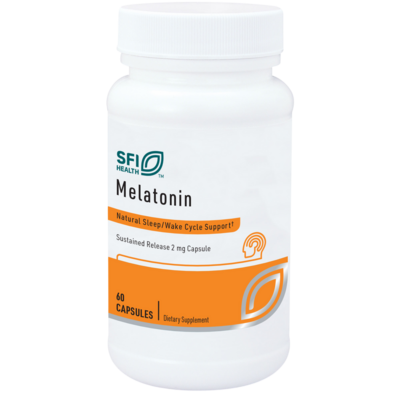
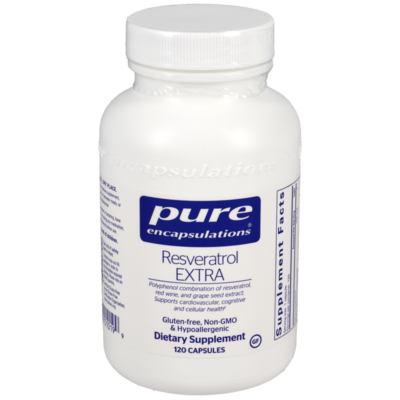
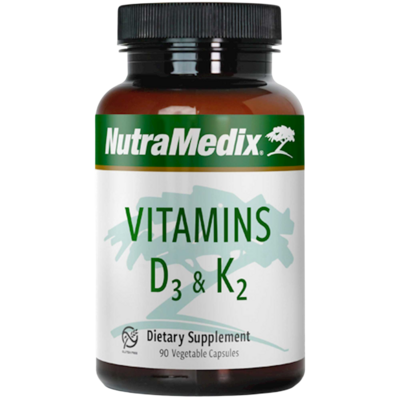 11 more items in I-Recover Post Vx Injury (FLCCC)
See FLCCC Alliance Protocol . You can purchase items you need at a discount On the Fullscript website. The downloadable protocol is HERE . The majority of the items recommended from protocol are below. Go through the protocol to discern what is the right approach for you as to which nutriceuticals below you would like to use. In many cases, intermittent fasting, nutriceuticals and photobiomodulation (sunlight therapy) is effective. Consult the protocol for your particular situation. As with all things, this is not to be regarded as medical advice, but is simply information. You are advised to see your primary care practitioner for medical advice.
Psoriasis Skin Condition
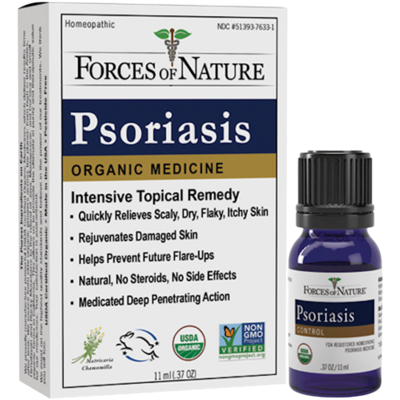
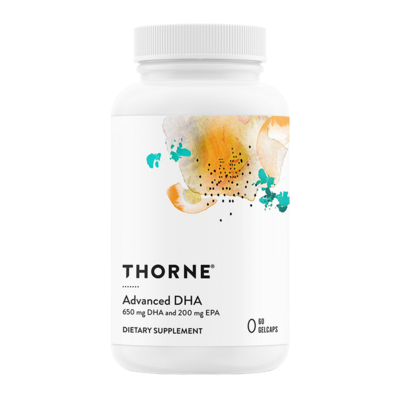
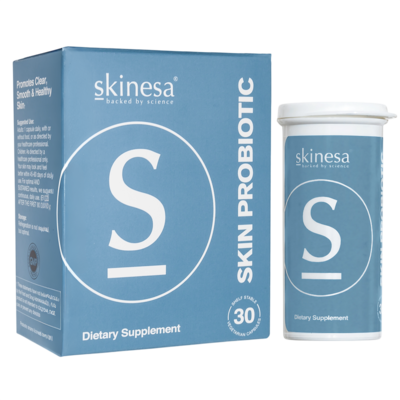
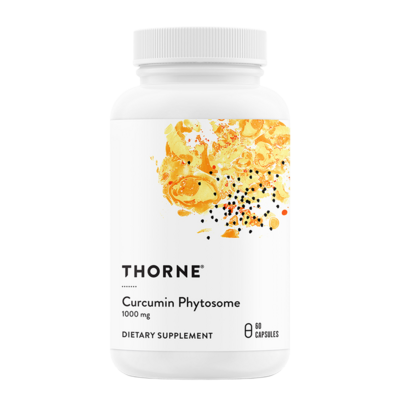
Holistic treatment methods focus on addressing the physical, emotional, and lifestyle factors contributing to the condition. Here are some holistic approaches to consider: Dietary Changes : Eliminate trigger foods: Identify and avoid foods that exacerbate symptoms, such as gluten, dairy, processed foods, and nightshades. Focus on whole foods: Include a balanced diet rich in fruits, vegetables, whole grains, lean proteins, and healthy fats. Omega-3 fatty acids: Consume foods high in omega-3s, such as fatty fish, flaxseeds, and walnuts, to reduce inflammation. Supplements : Omega-3 fatty acids: Fish oil supplements or flaxseed oil capsules can help reduce inflammation. Probiotics: Maintain a healthy gut microbiome with probiotic supplements or fermented foods like yogurt and kefir. Turmeric/Curcumin: Curcumin, a compound in turmeric, has anti-inflammatory and antioxidant properties. Vitamin D: Maintain optimal vitamin D levels through sun exposure, supplements, or fortified foods. Stress Reduction : Mindfulness and meditation: Practice stress-reducing techniques like prayerful meditation to manage stress. Deep breathing exercises: Regular deep breathing can help calm the nervous system and reduce inflammation. Lifestyle Changes : Regular exercise: Engage in moderate exercise, such as walking, cycling, or swimming, to reduce stress and improve overall health. Sleep hygiene: Establish a consistent sleep schedule and create a relaxing bedtime routine to promote better sleep. Skin care: Use gentle, fragrance-free cleansers and moisturizers, and avoid harsh exfoliants. Herbal Remedies : Aloe vera: Topical aloe vera gel can help soothe and calm irritated skin. Tea tree oil: Apply tea tree oil topically to reduce inflammation and prevent infection. Oregano oil: Use oregano oil supplements or apply topically to reduce inflammation and promote wound healing. Phototherapy : Natural sunlight: Exposure to natural sunlight can help reduce psoriasis symptoms. Red light therapy: Use red light devices or lamps to reduce inflammation and promote healing.
Golden Milk Anti-Inflammatory
 2 more items in Golden Milk Anti-Inflammatory
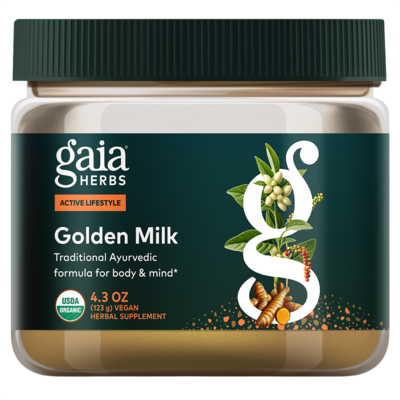
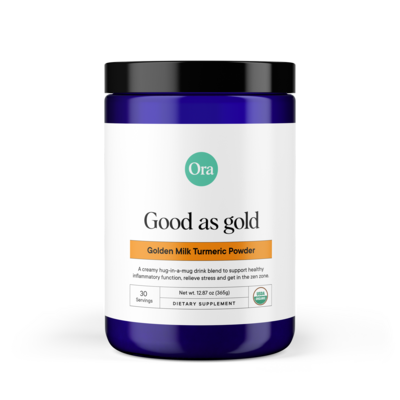
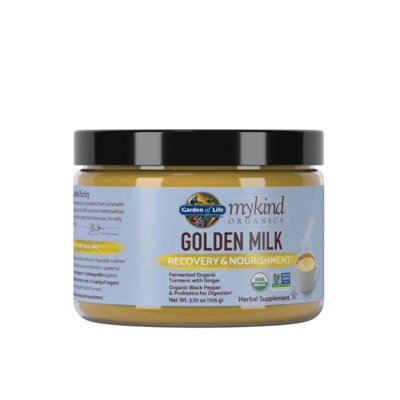
10 Benefits of Golden (Turmeric) Milk and How to Make It Alternatively, you can order one of the Golden Milk mixes below for ease of use. Golden milk contains antioxidant and anti-inflammatory compounds and may offer health benefits. These can include protection against certain diseases. 1. Key Ingredients Are Loaded With Antioxidants The key ingredient in golden milk is turmeric , a yellow spice popular in Asian cuisine, which gives curry its yellow color. Curcumin, the active component in turmeric, has been used in Ayurvedic medicine for centuries due to its strong antioxidant properties ( 1Trusted Source ). Antioxidants are compounds that fight cell damage, protecting your body from oxidative stress. They’re essential to the functioning of your cells, and studies regularly show that diets rich in antioxidants may help lower your risk of infections and disease ( 2 , 3Trusted Source ). Most golden milk recipes also include cinnamon and ginger — both of which have impressive antioxidant properties as well ( 4Trusted Source , 5Trusted Source ). 2. May Help Reduce Inflammation and Joint Pain The ingredients in golden milk have powerful anti-inflammatory properties. Chronic inflammation is thought to play a major role in chronic diseases, including cancer, metabolic syndrome, Alzheimer’s and heart disease. For this reason, diets rich in anti-inflammatory compounds may reduce your risk of these conditions. 3. May Improve Memory and Brain Function Studies show that curcumin may increase levels of brain-derived neurotrophic factor (BDNF). BDNF is a compound that helps your brain form new connections and promotes the growth of brain cells ( 13Trusted Source ). Low levels of BDNF may be linked to brain disorders, including Alzheimer’s disease ( 14Trusted Source , 15 ) 4. Curcumin in Turmeric May Improve Mood It appears that turmeric — more specifically its active compound curcumin — may boost mood and reduce symptoms of depression. In a 6-week study, 60 individuals with major depressive disorders took either curcumin, an antidepressant or a combination. Those given only curcumin experienced similar improvements as those given antidepressants. 5. May Protect Against Heart Disease Heart disease is the worldwide leading cause of death. Interestingly, cinnamon , ginger and turmeric — the key ingredients in golden milk — have all been linked to a lower risk of heart disease ( 25Trusted Source ). For instance, a review of 10 studies concluded that 120 mg of cinnamon per day may lower total cholesterol, triglyceride and “bad” LDL levels while raising “good” HDL levels ( 26Trusted Source ). In another study, 41 participants with type 2 diabetes were given 2 grams of ginger powder per day. At the end of the 12-week study, measured risk factors for heart disease were 23–28% lower ( 27Trusted Source ). What’s more, curcumin may improve the function of your blood vessel linings — known as endothelial function. Proper endothelial function is important for a healthy heart ( 28Trusted Source ). In one study, people undergoing heart surgery were given either 4 grams of curcumin or a placebo a few days before and after their surgery. Those given curcumin were 65% less likely to experience a heart attack during their hospital stay than people in the placebo group ( 29Trusted Source ). 6. May Lower Blood Sugar Levels The ingredients in golden milk, particularly ginger and cinnamon, may help lower blood sugar levels. For instance, 1–6 grams of cinnamon per day may lower fasting blood sugar levels by up to 29%. Moreover, cinnamon may reduce insulin resistance ( 30Trusted Source , 31Trusted Source , 32Trusted Source ). 7. May Reduce Your Risk of Cancer Cancer is a disease marked by uncontrolled cell growth. In addition to conventional treatments, alternative anti-cancer remedies are being increasingly sought after. Interestingly, some research suggests that the spices used in golden milk may offer some benefits in this regard. For instance, some test-tube studies attribute anti-cancer properties to 6-gingerol, a substance found in large amounts in raw ginger ( 39Trusted Source , 40Trusted Source ). Similarly, lab and animal studies report that compounds in cinnamon may help reduce the growth of cancer cells ( 41Trusted Source , 42Trusted Source , 43Trusted Source ). Curcumin, the active ingredient in turmeric, may also kill isolated cancer cells in a test tube and prevent the growth of new blood vessels in tumors, limiting their ability to spread ( 44Trusted Source , 45Trusted Source ). 8. Has Antibacterial, Antiviral and Antifungal Properties In India, golden milk is often used as a home remedy against colds. In fact, the yellow drink is touted for its immune-boosting properties. Test-tube studies suggest that curcumin has antibacterial, antiviral and antifungal properties which may help prevent and fight infections ( 50Trusted Source ). 9. Ginger and Turmeric May Improve Digestion Chronic indigestion, also known as dyspepsia, is characterized by pain and discomfort in the upper part of your stomach. Delayed stomach emptying is a potential cause of indigestion. Ginger, one of the ingredients used in golden milk, may help relieve this condition by speeding up stomach emptying in people suffering from dyspepsia ( 56Trusted Source , 57Trusted Source ). Research further shows that turmeric, another ingredient used to make golden milk, may help reduce indigestion symptoms. Turmeric may also improve the digestion of fat by increasing your production of bile by up to 62% ( 58Trusted Source ). Finally, studies show that turmeric can help maintain proper digestion and prevent flare-ups in individuals with ulcerative colitis, an inflammatory digestive disorder resulting in ulcers in the gut ( 59Trusted Source , 60Trusted Source ). 10. Calcium and Vitamin D Contribute to Stronger Bones Golden milk may contribute to a strong skeleton. Both cow’s and enriched plant milks are generally rich in calcium and vitamin D — two nutrients essential for building and maintaining strong bones ( 61Trusted Source ). If your diet is too low in calcium, your body starts removing calcium from your bones to maintain normal calcium levels in your blood. Over time, this makes bones weak and brittle, increasing your risk of bone diseases, such as osteopenia and osteoporosis ( 62 ). Vitamin D contributes to stronger bones by improving your gut’s ability to absorb calcium from your diet. Low levels of vitamin D in your body may thus lead to weak and brittle bones, even if your diet is rich in calcium ( 62 ). Golden milk is easy to make at home. For a single serving of golden milk or about one cup, simply follow this recipe: Ingredients: 1/2 cup (120ml) of an unsweetened milk of your choice 1 tsp of turmeric 1 small piece of grated fresh ginger or 1/2 tsp of ginger powder 1/2 tsp of cinnamon powder 1 pinch of ground black pepper 1 tsp of honey or maple syrup (optional) Directions: To make the golden milk, simply mix all ingredients in a small saucepan or pot and bring to a boil. Reduce the heat and simmer for about 10 minutes or until fragrant and flavorful. Strain the drink through a fine strainer into mugs and top with a pinch of cinnamon. Golden milk can also be made in advance and stored in your refrigerator for up to five days. Simply reheat it before drinking.
Wildfires Smoke & Inflammation Detox
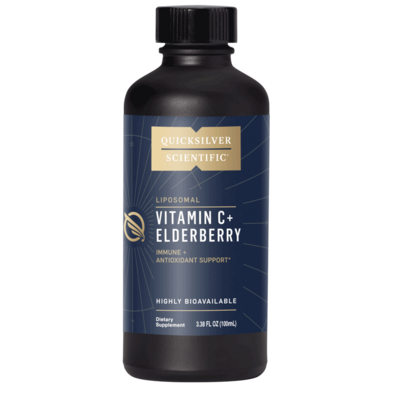
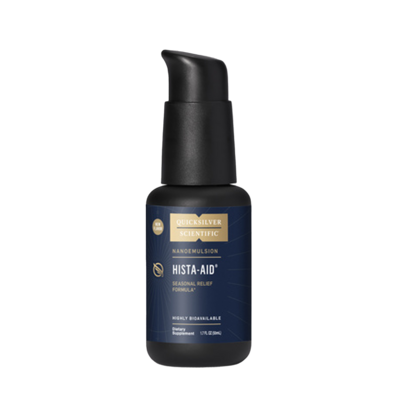
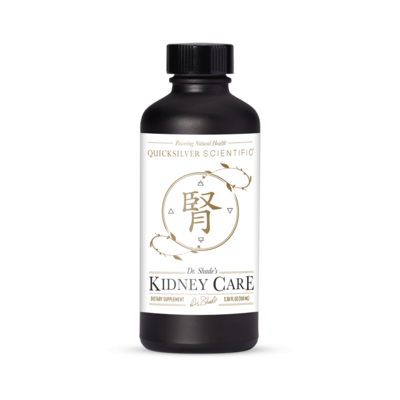 3 more items in Wildfires Smoke & Inflammation Detox
I hope you are doing well and wanted to provide a protocol those that may be having issues with the smoke from the wildfires. Here is some information on how to take extra care of your body. In this Instagram segment, Dr. Shade discussed how wildfire smoke and poor air quality can affect our health. He mentions product options that might be supportive during these times. https://www.instagram.com/reel/CuCoFjkvE2T/?igsh=MXIxcmdlYWphbTUwbQ== Vitamin C and Glutathione to tone down the immune upregulation that can occur. Vitamin C or Hista-Aid to calm reactivity from increased histamines produced. Elderberry for soothing action on the lungs. Bitters and/or Kidney Care to keep the toxins flowing out. Quinton cools immune response and moisturizes mucous membranes. Be well and please reach out with any questions. In Health!
Shop the entire wellness catalog, held to a higher standard
Shop practitioner-grade products, each meeting the same bar for quality through Fullscript's standards.
Powered byVerified
Sourced straight from the brand — no resellers or fakes
Enhanced testing
Select products are tested in-house — get exactly what the label promises
Stored and shipped
From certified facilities, to protect product integrity