Public protocols
Rudrani Banik, M.D.'s Dispensary's general recommendations, available to anyone who visits this store.
Complete Eye Health
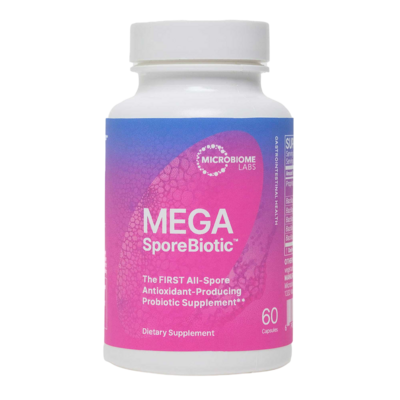


Hello, In doing the research for her book, Beyond Carrots , Dr. Rani Banik delved deep into the 30+ nutrients our eyes need to stay healthy and which foods best provide those nutrients. Though it's always best to get your eye nutrition through whole, natural, and unprocessed foods, sometimes supplementation may be necessary. Eye health supplements can certainly be confusing. There are over 75 eye health supplements on the market, each with its own formulation. Teasing out whether a supplement or brand provides what your eyes truly need can be challenging. In Dr. Rani's opinion, the most important ingredients that an eye health supplement should include are: the macular carotenoids (lutein, zeaxanthin, and meso-zeaxanthin) complete B complex anti-oxidants (Vitamins A, C, E, glutathione, n-acetyl cysteine, alpha lipoic acid), and bioflavonoid extracts (bilberry, anthocynanins, grape seed) Two additional high-quality supplements for eye health that Dr. Rani highly recommends are: a combination omega supplements (DHA, EPA, and GLA from fish oil or DHA/EPA from an algal supplement) a spore probiotic (the spore form withstands degradation by stomach acid) Below are several of the trusted, pharmaceutical-grade brands Dr. Rani recommends to her patients. She also uses them for herself and her family. *Note- There is an algal-derived omega supplement option suitable for vegetarians/vegans. Please follow the instructions and let us know if you have any questions. Best in health, Patient Care Coordinator Rudrani Banik, M.D., PLLC EnVision Health NYC 950 Fifth Avenue New York, N.Y. 10075 Tel: 646-820-2074 Email: info@rudranibanikmd.com *These statements have not been evaluated by the Food and Drug Administration. These products are not intended to diagnose, treat, cure, or prevent any disease. **If you click on a link and make a purchase, Dr. Rani Banik may receive a small percentage of the sale, at absolutely no extra cost to you.
Eye Health Essentials
Hello, In doing the research for her book, Beyond Carrots , Dr. Rani Banik delved deep into the 30+ nutrients our eyes need to stay healthy and which foods best provide those nutrients. Though it's always best to get your eye nutrition through whole, natural, and unprocessed foods, sometimes supplementation may be necessary. Eye health supplements can certainly be confusing. There are over 75 eye health supplements on the market, each with its own formulation. Teasing out whether a supplement or brand provides what your eyes truly need can be challenging. In Dr. Rani's opinion, the most important ingredients that an eye health supplement should include are: the macular carotenoids (lutein, zeaxanthin, and meso-zeaxanthin) complete B complex anti-oxidants (Vitamins A, C, E, glutathione, n-acetyl cysteine, alpha lipoic acid), and bioflavonoid extracts (bilberry, anthocyanins, grape seed) Below is one of the trusted, pharmaceutical-grade formulas that Dr. Rani recommends to her patients. She also uses this for herself and her family. Please follow the instructions and let us know if you have any questions. Best in health, Patient Care Coordinator Rudrani Banik, M.D., PLLC EnVision Health NYC 950 Fifth Avenue New York, N.Y. 10075 Tel: 646-820-2074 Email: info@rudranibanikmd.com *These statements have not been evaluated by the Food and Drug Administration. These products are not intended to diagnose, treat, cure, or prevent any disease. **If you click on a link and make a purchase, Dr. Rani Banik may receive a small percentage of the sale, at absolutely no extra cost to you.
Dr. Rani's Migraine Protocol- The Essentials
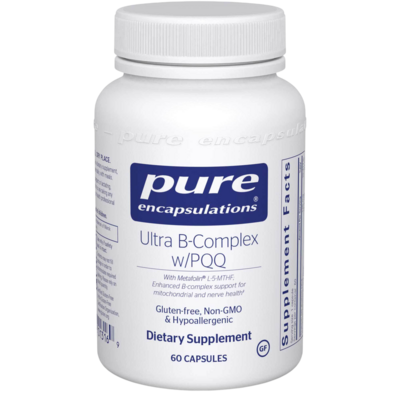

Hello Welcome to Dr. Rani's practice. Below is information Dr. Rani would like to share with you about Migraine, as well as the supplements and other products that may be helpful. Also listed are a few of the trusted brands Dr. Rani recommends for her patients. Please contact the office with any questions via the email or phone below. Mykah Bunag Patient Care Coordinator Office of Rudrani Banik, M.D. Tel: 646-820-2074 Email: info@rudranibanikmd.com Dr. Rani's Migraine Protocol Migraine is one of the most common and debilitating conditions in the world. It tends to affect mainly women, though men and children may suffer as well. Migraine also runs in families, as there is a genetic component. More than just a headache, migraine is a complex neurological disorder. In migraine, various electrical, chemical, and vascular changes occur in the brain that make the brain very sensitive to sensory stimuli. These stimuli may be visual, sound, smell, or touch. Individuals with migraine may have light or sound sensitivity, as well as nausea and vomiting when symptomatic. These symptoms may or may not occur with a headache. Additional symptoms may include ringing in the ears (tinnitus), fatigue, sleepiness, flashing lights (visual aura), balance issues, dizziness, vertigo, tingling, numbness, brain fog, and many more. The goal of migraine management is to avoid triggers and prevent attacks. As an integrative neuro-ophthalmologist, I believe this is best accomplished via nutritional (avoidance of food or ingredient triggers such as red wine, histamine-rich foods, high simple sugars, and processed foods) and lifestyle interventions (such as meditation, aggressive hydration, exercise/movement, improved sleep hygiene, and stress management), along with a combination of supplements, botanicals, essential oils, and prescription medications, when appropriate. Supplements have been shown to be of benefit for migraine patients in numerous clinical studies. The most important supplements proven to decrease the frequency and severity of migraine attacks include magnesium, riboflavin (Vitamin B2), and omega 3s. Additional supplements that may benefit migraine include melatonin, coenzyme Q10, and probiotics. Botanicals such as white willow bark, and Boswellia can also help with migraine symptomatology. Butterbur has also been studied in migraine, though should be used with caution due to the risk of liver toxicity. Essential oils in the form of inhaled or topical aromatherapy can be quite useful in managing migraine by decreasing irritability of nerves and decreasing pain. My personal favorites and the ones my patients have most benefitted from include peppermint, lavender, and frankincense. When choosing an essential oil, be sure it is manufactured by a trusted supplier so that it is free of contaminants. Also, make sure the oil you are using is not rancid. Organic essential oils are best, if possible. For directions on how to use essential oils, please see my Migraine/Headache Regimen attached below. Below you will find the pharmaceutical-grade supplements of magnesium L-threonate, Ultra B complex, omega-3 that I have found to be most effective and recommend to my patients. When considering supplements, be sure to purchase reputable brands that have strict quality-control. These are the brands I myself use and trust for my patients with migraine. For light sensitivity associated with migraine, FL-41 tinted lenses are proven to be helpful. You may visit www.axonoptics.com to see the available options for these rose-colored lenses. For your reference, many additional resources are attached to this migraine protocol, including: Dr. Banik's Headache/Migraine Regimen Mitochondrial Health Magnesium Food Sources Caffeine Sources Self-Care Yoga Meditation: Simple 5-Step Exercise Healthy Habit Tracker Weekly Hydration Tracker Please contact my office at 646-820-2074 or via email at info@rudranibanikmd.com with any questions. Best, Rani Banik, M.D. America's Integrative Neuro-Ophthalmologist
Visual Snow Syndrome Protocol
Visual Snow Syndrome Protocol Visual snow syndrome (VSS) affects how visual information is processed by the brain and eyes. People with VSS see tiny flickering dots, like snow or TV static, that fill the entire visual field. Other visual symptoms include seeing floaters of varying size and shape, afterimages, and trailing images. In addition, people with Visual Snow Syndrome may have light sensitivity, difficulty with night vision, ringing in the ears (tinnitus), migraines, and a disconnected feeling from their body. Here is a simulator for VSS: https://visionsimulations.com/visual-snow.htm The symptoms of Visual Snow Syndrome can begin at any age from childhood but usually develops in early to mid-adulthood. Symptoms must be present for at least 3 months before the diagnosis is formally made. The root cause of Visual Snow Syndrome remains unclear but is likely to involve how the brain processes vision. In my experience taking care of patients with VSS for over 20 years, it may be triggered by migraine, head trauma or concussion, surgery, loss of vision from other causes, or even after vaccination. People with Visual Snow Syndrome may have depression or anxiety related to their symptoms. Fortunately, visual snow does not cause permanent loss of vision or blindness. Visual Snow Syndrome is diagnosed based on the symptoms and an otherwise normal neuro-ophthalmic examination. In some cases, additional testing such as MRI, bloodwork, or EEG may be necessary to rule out other causes of symptoms. Treatment is focused on managing the symptoms and may include supplementation, pharmacologic therapy, tinted lenses, and mind-body techniques. To date, there is no cure for VSS, though symptoms can be managed with these approaches. As an aside, I myself developed Visual Snow Syndrome at least 6 years ago. when I developed chronic daily migraine. Despite my VSS, I have learned to live a full life. I continue to see patients, operate, read, drive, and use devices despite my symptoms. I do not let my VSS dictate my life. For my patients with VSS, especially those with co-existing migraine, I have found several supplement formulations to be helpful. These include Magnesium L-threonate and Ultra B complex. I usually recommend that my patient try these supplements for at least 3 months with the hope of decreasing their symptoms. After 3 months, continued use may depend on symptom improvement and need. When considering supplements, be sure to purchase reputable brands that have strict quality control. These are the brands I trust and have used for myself and my patients with visual snow. Please contact my office at 646-820-2074 or via email at info@rudranibanikmd.com with any questions. Best in health, Rani Banik, M.D. America's Integrative Ophthalmologist
Floaters Protocol

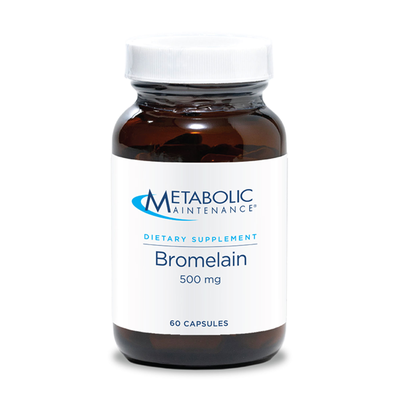
Floaters (Vitreous Degeneration) To help keep the shape of the eye, there is a jelly-like substance in the back of the eye known as the vitreous. The vitreous is made out of mainly water, but also has collagen, hyaluronic acid, and other structural proteins. When people are young, the vitreous jelly is firm and semi-solid, like Jell-O. However, as people age, the vitreous jelly changes from a gel-like substance to a more liquified form. This structural change may also occur if one is myopic (nearsighted), or has had eye trauma or surgery. When the vitreous jelly liquifies, its collagen breaks down and forms clumps. These clumps cast shadows on the retina when light comes into the eye and are seen as eye floaters. Vitreous floaters may appear as lines, dots, or squiggles in vision that move with movement of the eye. Floaters tend to be either transparent or grayish in color. The most common cause of vitreous floaters is a posterior vitreous detachment (PVD), a separation of the vitreous jelly in the back of the eye from the optic nerve. Often this condition is not visually threatening. However, patients that have a sudden onset of new vitreous floaters and/or flashing lights need to be evaluated by an ophthalmologist with a dilated eye exam to make sure that the floaters are not caused by something more serious, such as a retinal tear or detachment, or inflammation within the eye that may simulate benign vitreous floaters. For patients with vitreous floaters, based on early research, several supplement and botanical formulations may be helpful. These include Bromelain and a combination of Vitamin C, Zinc, and L-Lysine. I usually recommend that my patients try these supplements for at least 3 months to help decrease their symptoms. After 3 months, continued use many depend on symptom improvement and need. When considering supplements, be sure to purchase reputable brands that have strict quality-control. These are the brands I have trusted for my patients with floaters. Please contact my office at 646-820-2074 or via email at info@rudranibanikmd.com with any questions. Best, Rani Banik, M.D. America's Integrative Ophthalmologist
Dr. Rani's Migraine Protocol- Long
14 more items in Dr. Rani's Migraine Protocol- LongHello Welcome to Dr. Rani's practice. Below is information Dr. Rani would like to share with you, as well as the supplements and other products that may be helpful. Also listed are the trusted brands Dr. Rani recommends for her patients. Please contact the office with any questions via the email or phone below. Mykah Bunag Patient Care Coordinator Office of Rudrani Banik, M.D. Tel: 646-820-2074 Email: info@rudranibanikmd.com Dr. Rani's Migraine Protocol Migraine is one of the most common and debilitating conditions in the world. It tends to affect mainly women, though men and children may suffer as well. Migraine also runs in families, as there is a genetic component. More than just a headache, migraine is a complex neurological disorder. In migraine, various electrical, chemical, and vascular changes occur in the brain that make the brain very sensitive to sensory stimuli. These stimuli may be visual, sound, smell, or touch. Individuals with migraine may have light or sound sensitivity, as well as nausea and vomiting when symptomatic. These symptoms may or may not occur with a headache. Additional symptoms may include ringing in the ears (tinnitus), fatigue, sleepiness, flashing lights (visual aura), balance issues, dizziness, vertigo, tingling, numbness, brain fog, and many more. The goal of migraine management is to avoid triggers and prevent attacks. As an integrative neuro-ophthalmologist, I believe this is best accomplished via nutritional (avoidance of food or ingredient triggers such as red wine, histamine-rich foods, high simple sugars, and processed foods) and lifestyle interventions (such as meditation, aggressive hydration, exercise/movement, improved sleep hygiene, and stress management), along with a combination of supplements, botanicals, essential oils, and prescription medications, when appropriate. Supplements have been shown to be of benefit for migraine patients in numerous clinical studies. The most important supplements proven to decrease the frequency and severity of migraine attacks include magnesium, riboflavin (Vitamin B2), and omega 3s. Additional supplements that may benefit migraine include: melatonin, co-enzyme Q10, and probiotics. Botanicals such as white willow bark, and Boswellia can also help with migraine symptomatology. Butterbur has also been studied in migraine, though should be used with caution due to the risk for liver toxicity. Essential oils in the form of inhaled or topical aromatherapy can be quite useful in managing migraine by decreasing irritability of nerves and decreasing pain. My personal favorites and the ones my patients have most benefitted from include peppermint, lavender, and frankincense. When choosing an essential oil, be sure it is manufactured by a trusted supplier so that it is free of free of contaminants. Also, make sure the oil you are using is not rancid. Organic essential oils are best, if possible. For directions on how to use essential oils, please see my Migraine/Headache Regimen attached below. Below you will find the pharmaceutical-grade supplements of magnesium L-threonate, Ultra B complex, omega-3, probiotic, and melatonin, as well as the essential oils I recommend. When considering supplements, be sure to purchase reputable brands that have strict quality-control. These are the brands I myself use and trust for my patients with migraine. For light sensitivity associated with migraine, FL-41 tinted lenses are proven to be helpful. You may visit www.axonoptics.com to see the available options for these rose-colored lenses. For your reference, many additional resources are attached to this migraine protocol, including: Dr. Banik's Headache/Migraine Regimen Mitochondrial Health Magnesium Food Sources Caffeine Sources Self-Care Yoga Meditation: Simple 5-Step Exercise Healthy Habit Tracker Weekly Hydration Tracker Please contact my office at 646-820-2074 or via email at info@rudranibanikmd.com with any questions. Best, Rani Banik, M.D. America's Integrative Neuro-Ophthalmologist
Leber Hereditary Optic Neuropathy (LHON) Protocol

Leber Hereditary Optic Neuropathy (LHON) Protocol Please see the links below for ordering the MitoQ Eye Supplement* and Ultra B vitamin complex* which Dr. Banik recommends for LHON and eye health. Please reach out to my office with any questions at 646-820-2074 or via email at info@rudranibanikmd.com. Best, Rudrani Banik, M.D. www.rudranibanikmd.com *Note - These supplements have not been evaluated by the Food and Drug Administration. Products are not intended to diagnose, treat, cure, or prevent disease. If you have any concerns about your own health, you should always consult with your personal physician or healthcare professional.
NAION Optic Nerve Stroke Protocol


Non-Arteritic Anterior Ischemic Optic Neuropathy (NAION) is a type of stroke to the eye. In NAION, small blood vessels do not deliver adequate oxygen to the optic nerve, resulting in swelling of the optic nerve and vision loss. The extent to which vision is affected varies depending on how much of the nerve has been affected. Individuals with NAION may experience mild, moderate, or severe vision loss. The diagnosis is made based on the clinical history and examination findings by an ophthalmologist or neuro-ophthalmologist. Occasionally additional testing such as bloodwork or MRI may be required. To date, despite many research studies, there is no proven effective treatment for NAION that is considered standard of care. However, there are small studies that show possible benefits using 2 compounds, citicoline and mastic gum. Please see the published studies for reference: https://www.ncbi.nlm.nih.gov/pmc/articles/PMC6660126/ https://www.mdpi.com/1424-8247/14/3/281/htm https://pubmed.ncbi.nlm.nih.gov/31430268/ Though the research is early with no large-scale published studies investigating these compounds for their role in protecting the optic nerve in NAION, the compounds are promising with little to no side effects. Below are the links for the pharmaceutical grade citicoline* and mastic gum* from trusted sources that I have found to be of benefit in my clinical experience in patients with NAION. Please reach out to my office with any questions at 646-820-2074 or via email at info@rudranibanikmd.com. Best, Rudrani Banik, M.D. America's Integrative Neuro-Ophthalmologist www.rudranibanikmd.com *Note - These supplements have not been evaluated by the Food and Drug Administration. Products are not intended to diagnose, treat, cure, or prevent disease. If you have any concerns about your own health, you should always consult with your personal physician or healthcare professional.
Dr. Rani's Macular Degeneration Protocol- Optional


Macular Degeneration Protocol Macular Degeneration, also known as age-related macular degeneration, or AMD, is a leading cause of blindness in the world. AMD affects individuals greater than age 65, with increasing prevalence with age. Macular degeneration affects the the macula in the center of the retina responsible for our central vision. AMD has two forms- dry and wet. Initially, when waste products accumulate underneath the retina in clumps called "drusen", this is considered dry AMD. As the disease process continues, more drusen accumulate, thus triggering inflammation and new blood vessel formation. These new blood vessels are fragile and not normal. They can leak blood and fluid underneath the retina, leading to central vision loss and wet macular degeneration, a condition I call "leaky eye syndrome". In order to protect against progression of macular degeneration from an early dry stage to an advanced dry or wet stage, studies have shown that nutrition and lifestyle are key. Eye health nutrients such as the macular carotenoids, lutein and zeaxanthin, along with a host of their vitamins, minerals, and bioflavonoids are essential to prevent drusen from forming and also to prevent inflammation within the retina. Omega-3 fatty acids such as DHA and EPA are also important to support retinal structural health and fight inflammation. The Age-Related Eye Disease Study 2 (AREDS2) was a randomized placebo-controlled, double-blind study that investigated whether a supplement formulation taken for 5 years could decrease the progression of AMD and vision loss. This formulation included 6 basic ingredients - lutein (10 mg), zeaxanthin (2 mg), vitamin C (500 mg), Vitamin E (400 IU), copper (2 mg), and zinc (25 mg). One arm of the study also looked at supplementation with Omega 3s, DHA and EPA. The AREDS2 study found that this formulation decreased the risk of progression from an intermediate form of AMD to an advanced form by 25%. However, it is important to note that this protective benefit was seen ONLY in individuals who had a low baseline dietary intake of lutein and zeaxanthin. Therefore, traditionally the AREDS2 supplement is recommended by most eye care providers for only the subset of people who already have an intermediate stage of macular degeneration. Why did the AREDS 2 formulation not provide better protection against progression from AMD? There are many possible explanations, including dose, duration, and most importantly, baseline differences in the study patients' diet, lifestyle, and genetics. In my opinion, the AREDS2 was not more effective because only a select group of 6-8 nutrients were studied. Based on my research into the root causes of macular degeneration - oxidative stress, mitochondrial dysfunction, and inflammation - at least 25 nutrients are needed to keep our eyes healthy and fight against macular degeneration. Of course, it is best to get all these nutrients to support eye health from diet. However, because our eyes are exposed to so many stressors every day (UV and blue light, air pollutants, and other triggers of oxidative damage), diet alone may be insufficient to provide your eyes with the many nutrients they need. As an integrative ophthalmologist, it is my strong belief that complete supplementation is necessary. Early research studies have shown that disturbances in the gut microbiome are linked to macular degeneration. Thus, supporting a healthy gut microbiome with probiotics and prebiotics is also important in the fight against vision loss from his potentially blinding disease. The following are the supplements I have researched and curated that provide your eyes with what they need to fight against macular degeneration - The Essentials (see separate Essential Protocol) - Macular Support Formula by Pure Encapsulations- A multivitamin containing lutein and zeaxanthin, along with a full range of vitamins, antioxidants, and bioflavonoids. - VisonPro EPA/DHA/GLA by Pure Encapsulations - provides a combination of healthy omegas- EPA, DHA, and GLA that are anti-inflammatory and also clinically proven to help with dry eye syndrome. - MegaSporeBiotic by Microbiome Labs - a unique probiotic that provides over 4 billion spore cells. Optional: - Lutein/Zeaxanthin by Pure Encapsulations- additional amounts of these two macular carotenoids to boost your eye's natural UV and blue blocking pigments. - Arteriosil HP - supports blood vessel stability, suggested for wet AMD - MitoQ Eye - contains the best combination of nutrients for both macular degeneration and glaucoma. MitoQ also has a version of co-enzyme Q-10, important for energy production, which is much more bioavailable than regular Co-Q 10. Also contains 15 mg of zinc. It is best to limit total zinc intake to 40 mg daily. - MegaPreBiotic by Microbiome Labs - support healthy gut microbes by feeding them with prebiotics. Please reach out to my office with any questions at 646-820-2074 or via email at info@rudranibanikmd.com. Best, Rudrani Banik, M.D. America's Integrative Neuro-Ophthalmologist www.rudranibanikmd.com *Note - These supplements have not been evaluated by the Food and Drug Administration. Products are not intended to diagnose, treat, cure, or prevent disease. If you have any concerns about your own health, you should always consult with your personal physician or healthcare professional.
Shop the entire wellness catalog, held to a higher standard
Shop practitioner-grade products, each meeting the same bar for quality through Fullscript's standards.
Powered byVerified
Sourced straight from the brand — no resellers or fakes
Enhanced testing
Select products are tested in-house — get exactly what the label promises
Stored and shipped
From certified facilities, to protect product integrity