Public protocols
Sprout Chiropractic's Fullscript Account's general recommendations, available to anyone who visits this store.
Wellness Health
 30 more items in Wellness Health
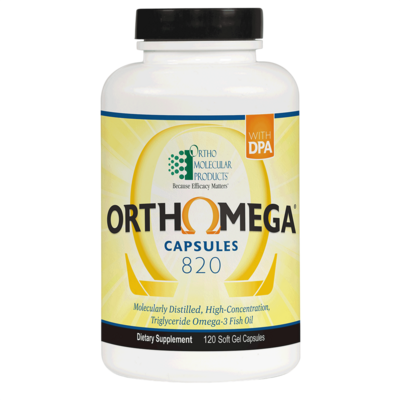
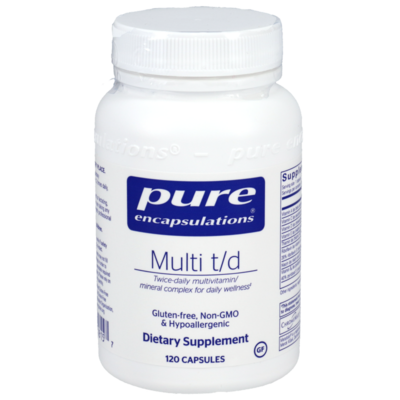
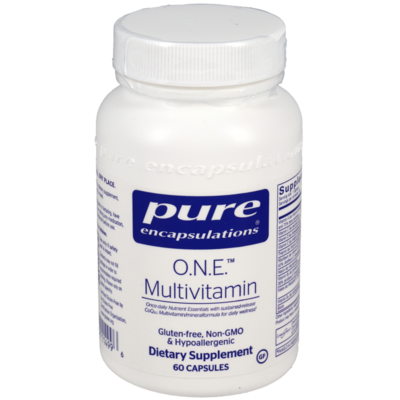
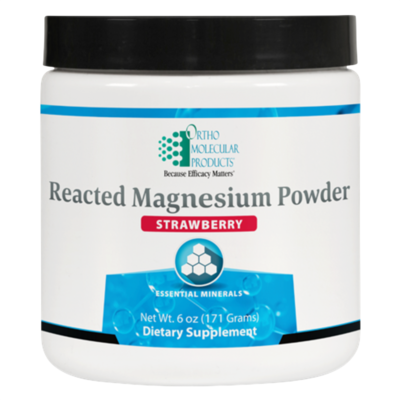
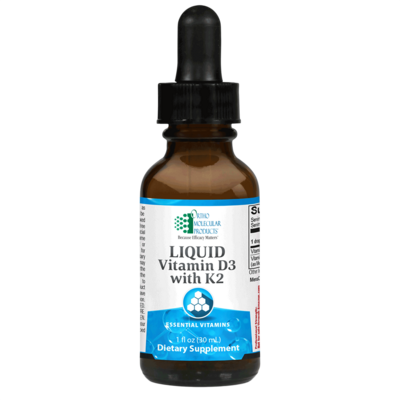
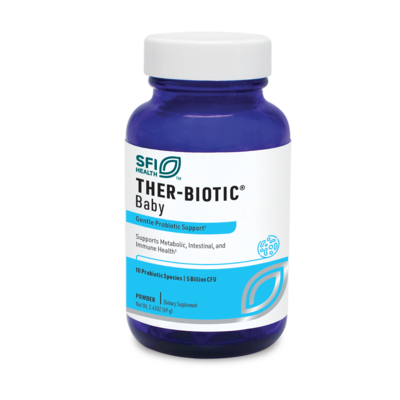
Feeling overwhelmed with all the supplement options out there? This article describes the nutrients we are recommending most often to patients. In functional and holistic medicine we focus on building a healthy foundation which includes dietary and lifestyle changes. No supplements can replace a good nights sleep, regular physical activity and proper nutrition. That said, supplements can be very helpful in combination with a healthy foundation. There are many reasons you may not be getting everything you need from your food. Below we briefly describe how environmental stressors, depleted soils, and psychological stress can increase your need for certain nutrients. Multi-Vitamin/Multi-Mineral - Supplements are called "supplements" for a good reason - they can't replace a balanced diet. However, they have become increasingly important as our food production practices deplete nutrients from the soil. Additionally, psychological stress and environmental stressors like air, water and food pollution all require high amounts of nutrients to process, detoxify and eliminate. All this encourages us to recommend a multi-vitamin/multi-mineral to most of our patients. A multi supplement helps to balance out nutrient needs where either intake or access is insufficient, and also helps to shore up insufficiencies. Multis are especially important additions to wellness foundation plans around times when the body needs extra nutrition, including recovery from illness or surgery, postpartum and while nursing, and during times of high emotional stress. Vitamin D3 with A and K2 : Multivitamins rarely provide adequate levels of our fat-soluble vitamins which include vitamin A, D, E and K. Vitamin D is made when our skin is exposed to sunlight. When you live in northern latitudes or have darker skin pigment it’s challenging to make enough. We recommend testing your vitamin D levels to establish your baseline levels and guide proper dosing. It’s important to balance your vitamin D intake with the other fat-soluble vitamins, especially vitamin K. Vitamin D raises our blood level of calcium and vitamin K puts that calcium into our bones. B Complex with Methylated Bs : B vitamins are quickly depleted by stress. For some individuals a multi-vitamin/multi-mineral doesn’t cut it and adding a B complex is the extra support they need. We recommend using methylated vitamins which means they are in the most active and available forms for your body to utilize. Vitamin C with Bioflavonoids: Vitamin C is probably best known as being supportive for our immune systems which is true but the reason we consider this a foundational supplement is actually it’s support for our stress response system. Just 1 gram of vitamin C daily can significantly reduce cortisol secretion and blood pressure elevation during an acute stressor. We prefer to use vitamin C that contains bioflavonoids. Bioflavonoids are phytochemical found in most of the foods that are high in vitamin C and can actually enhance the action of the vitamin. Electrolytes: We talk about sweating a lot! Regular sweating is a major way that we detoxify our bodies. If regular sauna use is part of a therapeutic plan, we add electrolytes to replace what is lost with chronic sweating. This is particularly important for folks who find they commonly experience muscle twitching. Dr. Barrett utilizes electrolytes a few times per week and finds it improves her energy and hydration. Magnesium is a mineral that should be easy to find in foods. Whole grains, legumes, nuts and seeds are all good sources of magnesium. That said, the herbicides and pesticides regularly used in food production actually encapsulate magnesium and other minerals, preventing it from being taken up by the food crop. This means that even if you are eating plenty of these foods, you may still not be getting adequate magnesium. Magnesium is used by the body to do a number of things: build strong bones, contract and relax muscles (including smooth muscles in the cardiovascular and digestive systems), balance blood sugar, hormones and mood-stabilizing neurotransmitters. There are many different forms in which you can find magnesium in supplements. Our favorite is magnesium glycinate, because it is easily absorbed, has a calming effect on the nervous system via the addition of the amino acid, glycine, and it's affordable. Omega-3 Fats: Omega-3 fats come in 3 different forms alpha-linolenic acid (ALA), eicosapentaenoic acid (EPA) and docosahexaenoic acid (DHA). ALA is found in plant sources, including flax and walnuts. EPA and DHA are found in animal sources, especially cold-water fatty fish, like salmon, sardines and herring. ALA is converted in the body to EPA and DHA, the bioactive forms of the fatty acids. This is not an efficient 1-for-1 conversion, so getting ample EPA and DHA in the diet or supplement plan is important. These fatty acids play key roles in skin, joint, cardiovascular, immune and mental health. Probiotics: The impact of the microbiome on health is still being uncovered, but it is clear that the commensal bacteria and yeast that live in and on the human body interact intimately with multiple body systems. The largest colony of these microorganisms is in the large intestine and is constantly changing in response to the ecosystem of the organ. Probiotics play a supportive role in introducing and maintaining specific strains of lactobacillus, bifidobacteria and other microorganisms to that ecosystem. Which probiotic product is recommended may be specific to species and strains, and depend on the health effects your practitioner wants to obtain.
Spring Health
 5 more items in Spring Health
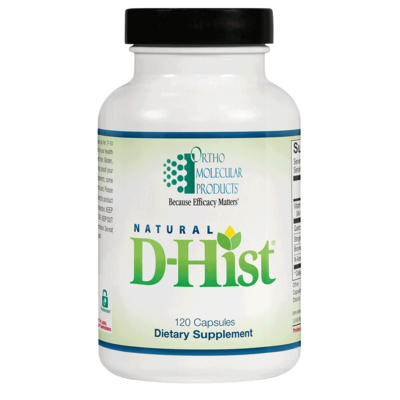
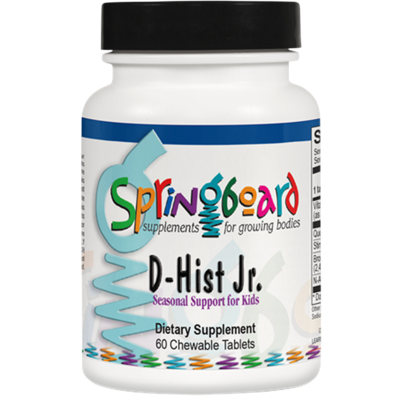
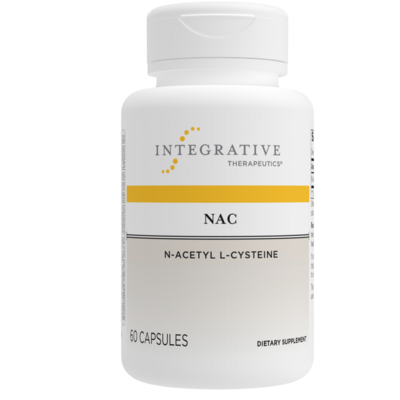
LIVER and DETOX SUPPORT Traditionally, springtime is a time to focus on "lightening up" from the heaviness of winter. A time to amp up detoxification efforts and support the body's natural process of transforming and letting go. NAC N-acetyl cystine is an amino acid that helps our bodies make glutathione. Glutathione is an antioxidant that helps our bodies combat damage from free radicals. Glutathione also supports our inherent detoxification system. Glutathione is difficult to absorb and our bodies easily make glutathione when provided with precursors such as NAC. Botanicals Herbs that support a healthy detoxification system include artichoke, turmeric, and milk thistle. Artichoke may protect our liver cells, provide antioxidant benefit and improve bile production. There is no shortage of studies on turmeric and liver health. Turmeric may reduce liver injury, reduce liver fat content, and increase detoxification systems. Milk thistle acts as an antioxidant and may inhibit the binding of toxins to our liver cells. Broccoli sprouts Brassicas, like cauliflower, cabbage and broccoli contain a compounds called sulfuraphane, a compound that encourages detoxification pathways for estrogen and estrogen-like compounds like BPA. Sulfuraphane also stimulates production of glutathione, the body's strongest antioxidant. Of all brassicas, this compound is found in highest concentration in broccoli sprouts. Work this spicy sprouts into salads, stir-fries and wraps for some liver-protecting benefits. Chlorella Sea vegetables, like chlorella, contain polysaccharides that enhance excretion (elimination) of toxins. These - and other bright green plants - also contain a significant amount of chlorophyll, which have been traditionally used to cleanse and purify the blood. Chlorella can be found in powder form to be added to smoothies, or pills for more convenient dosing. Eat the Rainbow Polyphenols are potent and abundant antioxidants. They come in all colors of the rainbow, so a fun and beautiful way to get these powerful nutrients into your diet is to eat the rainbow in fruits, vegetables, whole grains, legumes, nuts and seeds every day. Antioxidants are used in the detoxification process in the liver, small intestine, kidneys, lungs and even your skin. ALLERGY RELIEF Everyone knows springtime as the time we welcome back dust, pollen and other allergens. Foods and supplements can be really helpful in reducing symptoms of seasonal allergies without the yucky side effects of decongestants and antihistamines. Natural Antihistamines Traditional antihistamine medications block the histamine receptor to improve symptoms. Botanical agents can improve allergy symptoms through a variety of mechanisms. Quercetin and nettle leaf help stabilize the membrane of mast cells, the cells that release histamine. This stabilization helps these cells keep the histamine inside which may reduce allergy symptoms. Vitamin C supports the activity of the DAO enzyme which breaks down histamine. Mucus Buster As you read above NAC is a building block for glutathione. NAC also has the ability to reduce mucous secretions. NAC has been used for over 30 years by pulmonologists in treating disorders with increased mucous production such as cystic fibrosis. Omega-3 Fats Omega 3’s particularly EPA and DHA are anti-inflammatory and may reduce allergy symptoms by reducing airway inflammation.
Prenatal Health
 8 more items in Prenatal Health
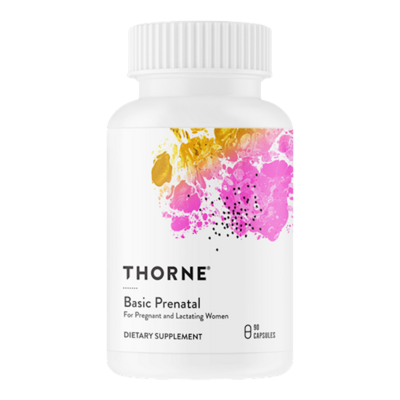
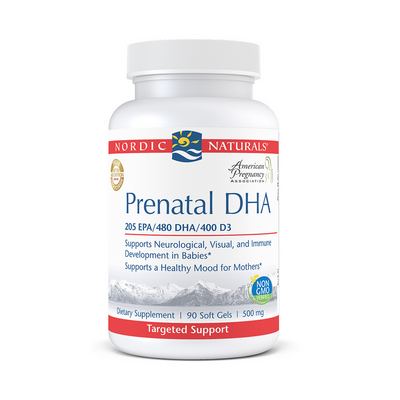
Feeling overwhelmed with all the supplement options out there? This article describes the nutrients we are recommending most often to patients. In functional and holistic medicine we focus on building a healthy foundation which includes dietary and lifestyle changes. No supplements can replace a good nights sleep, regular physical activity and proper nutrition. That said, supplements can be very helpful in combination with a healthy foundation. There are many reasons you may not be getting everything you need from your food. Below we briefly describe how environmental stressors, depleted soils, and psychological stress can increase your need for certain nutrients. Multi-Vitamin/Multi-Mineral - Supplements are called "supplements" for a good reason - they can't replace a balanced diet. However, they have become increasingly important as our food production practices deplete nutrients from the soil. Additionally, psychological stress and environmental stressors like air, water and food pollution all require high amounts of nutrients to process, detoxify and eliminate. All this encourages us to recommend a multi-vitamin/multi-mineral to most of our patients. A multi supplement helps to balance out nutrient needs where either intake or access is insufficient, and also helps to shore up insufficiencies. Multis are especially important additions to wellness foundation plans around times when the body needs extra nutrition, including recovery from illness or surgery, postpartum and while nursing, and during times of high emotional stress. Vitamin D3 with A and K2 : Multivitamins rarely provide adequate levels of our fat-soluble vitamins which include vitamin A, D, E and K. Vitamin D is made when our skin is exposed to sunlight. When you live in northern latitudes or have darker skin pigment it’s challenging to make enough. We recommend testing your vitamin D levels to establish your baseline levels and guide proper dosing. It’s important to balance your vitamin D intake with the other fat-soluble vitamins, especially vitamin K. Vitamin D raises our blood level of calcium and vitamin K puts that calcium into our bones. B Complex with Methylated Bs : B vitamins are quickly depleted by stress. For some individuals a multi-vitamin/multi-mineral doesn’t cut it and adding a B complex is the extra support they need. We recommend using methylated vitamins which means they are in the most active and available forms for your body to utilize. Vitamin C with Bioflavonoids: Vitamin C is probably best known as being supportive for our immune systems which is true but the reason we consider this a foundational supplement is actually it’s support for our stress response system. Just 1 gram of vitamin C daily can significantly reduce cortisol secretion and blood pressure elevation during an acute stressor. We prefer to use vitamin C that contains bioflavonoids. Bioflavonoids are phytochemical found in most of the foods that are high in vitamin C and can actually enhance the action of the vitamin. Electrolytes: We talk about sweating a lot! Regular sweating is a major way that we detoxify our bodies. If regular sauna use is part of a therapeutic plan, we add electrolytes to replace what is lost with chronic sweating. This is particularly important for folks who find they commonly experience muscle twitching. Dr. Barrett utilizes electrolytes a few times per week and finds it improves her energy and hydration. Magnesium is a mineral that should be easy to find in foods. Whole grains, legumes, nuts and seeds are all good sources of magnesium. That said, the herbicides and pesticides regularly used in food production actually encapsulate magnesium and other minerals, preventing it from being taken up by the food crop. This means that even if you are eating plenty of these foods, you may still not be getting adequate magnesium. Magnesium is used by the body to do a number of things: build strong bones, contract and relax muscles (including smooth muscles in the cardiovascular and digestive systems), balance blood sugar, hormones and mood-stabilizing neurotransmitters. There are many different forms in which you can find magnesium in supplements. Our favorite is magnesium glycinate, because it is easily absorbed, has a calming effect on the nervous system via the addition of the amino acid, glycine, and it's affordable. Omega-3 Fats: Omega-3 fats come in 3 different forms alpha-linolenic acid (ALA), eicosapentaenoic acid (EPA) and docosahexaenoic acid (DHA). ALA is found in plant sources, including flax and walnuts. EPA and DHA are found in animal sources, especially cold-water fatty fish, like salmon, sardines and herring. ALA is converted in the body to EPA and DHA, the bioactive forms of the fatty acids. This is not an efficient 1-for-1 conversion, so getting ample EPA and DHA in the diet or supplement plan is important. These fatty acids play key roles in skin, joint, cardiovascular, immune and mental health. Probiotics: The impact of the microbiome on health is still being uncovered, but it is clear that the commensal bacteria and yeast that live in and on the human body interact intimately with multiple body systems. The largest colony of these microorganisms is in the large intestine and is constantly changing in response to the ecosystem of the organ. Probiotics play a supportive role in introducing and maintaining specific strains of lactobacillus, bifidobacteria and other microorganisms to that ecosystem. Which probiotic product is recommended may be specific to species and strains, and depend on the health effects your practitioner wants to obtain.
Fall & Winter Health
 4 more items in Fall & Winter Health
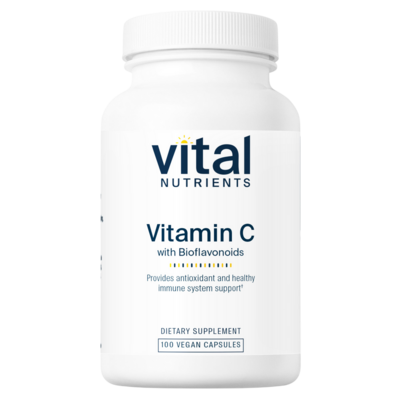
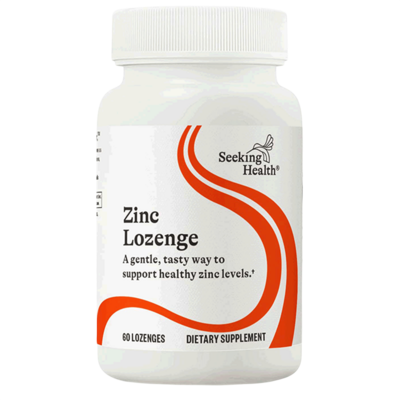
Maintaining wellness all winter long is more important now than ever. Most of us face at least two major health challenges this time of year...but we're throwing in a suggestion for a third just in case! First we think about our immune systems. Flu and cold season is always a challenge. In addition to maintaining robust immunity, our digestive tracts also tend to take a hit this time of year. The holiday feasts often introduce new foods to our meal plans and encourage overindulgence of both food and drink. Bloating, gas, diarrhea and constipation are common companions from Thanksgiving through Valentine's Day. Since our digestive tract and immune systems work together so closely, we can't address one without considering the other. Getting a personalized health prevention and maintenance plan is always the gold standard, but here are a number of nutrients and supplements we often recommend to patients this time of year. IMMUNE SUPPORTIVE NUTRIENTS AND BOTANICALS: Vitamin D is always on the top of our list for immune-related health goals. Vitamin D deficiency is associated with increased risk of infection(1). Because we live so far north of the equator, Minnesotans are especially at risk of vitamin D deficiency. The UV-B rays we need to make vitamin D in our skin does not penetrate our atmosphere from approximately Labor Day to Memorial Day. This makes supplementing with vitamin D an imperative act of self-care through cold and flu season. Vitamin C is probably the nutrient most well-known for it's role in the immune system. This nutrient is a power antioxidant, helping to stabilize cells in our body that will attack and destroy viruses (2). Vitamin C is easy to get enough of in a plant-focused diet, but also a worthy contribution to the medicine cabinet. A word of caution regarding supplementing with vitamin C: high doses of ascorbic acid (the most common and least expensive form of the nutrient) will cause loose stool. Look for a product that contains bioflavonoids to reduce the risk of this side effect while still optimizing your antioxidant protection. Zinc lozenges are another worthy investment. Probably the second-most well-known immune system warrior, zinc actually kills viruses in the mouth and throat. Lozenges containing 3-5mg of zinc are great to have for when you feel that scratchiness in your throat at the onset of illness or as a preventative measure to suck on after forays out into public spaces. Elderberry syrup is a traditional herbal remedy often used during flu season. Elderberries contain vitamins A and C as well as the flavonoids quercetin and rutin which may improve immune function. Elderberry is anti-viral particularly against the influenza (flu) virus and may even reduce the duration of the flu (3). Traditionally elderberry syrup is used daily throughout flu season. OPTIMIZING DIGESTION: Supplementing with Digestive Enzymes help break down foods that we don't usually eat and foods that would otherwise trigger digestive upset. A good digestive enzyme supplement contains several forms of amylases, proteases and lipases to help break down the carbohydrates, proteins and fats in foods. These supplements may also contain hydrochloric acid (HCl) to further support digestion by optimizing stomach acid production. Probiotics are helpful for both digestion and immunity. Probiotic supplements contain live bacteria (and sometimes beneficial yeasts) that contribute to the microbiome in your gut. This colony of microorganisms stimulates digestive processes to keep things moving smoothly and effectively through your large intestine. They also stimulate and support proper immune function, helping to regulate cells that combat viruses and other foreign "invaders" while keeping healthy tissues protected. A good probiotic contains multiple strains of lactobacillus and bifidobacteria , and contains billions of CFUs (colony forming units). MOOD SUPPORT: Fish oil contains essential fatty acids that your brain needs to function at its best. It's common for our mood to dip in the winter months and an omega-3 supplement along with vitamin D and light therapy can be helpful. The essential fatty acid EPA in particular has been show to improve mood(4). When looking for an omega supplement aim for a supplement that contains more EPA than DHA in doses of at least 2 grams total per day.
Summer Health
 5 more items in Summer Health
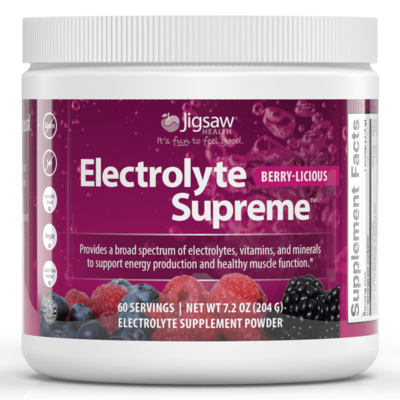
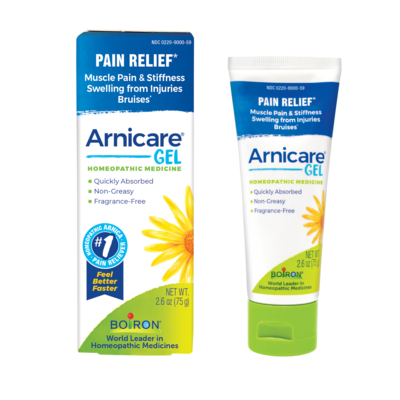
Vitamin C is helpful in repairing damage from UV rays. If you find yourself sweating regularly during the summer electrolyte replacement is important to prevent muscle cramps and fatigue. Ashwagandha and cordyceps combination in Adaptogen Performance is particularly helpful when you've got a lot on your plate and you might be feeling overwhelmed during a Minnesota summer! Arnica gel is a great thing to carry with you to treat minor bruises.
Allergy Support
 6 more items in Allergy Support
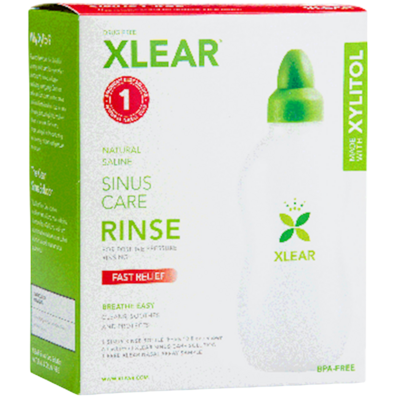
With allergies, the first step is to identify and minimize your exposure to allergens. Some people find relief from allergies by making dietary changes. Consider an anti-inflammatory diet rich in fruits, vegetables, whole grains, and lean proteins. Omega-3 fatty acids from sources like fish or flaxseed may help reduce inflammation. A healthy gut microbiome is linked to a well-functioning immune system. Consuming probiotics through foods like yogurt or supplements may help balance your gut bacteria and potentially alleviate allergy symptoms. Use a saline nasal rinse or a neti pot to clear allergens from your nasal passages. This can provide immediate relief from congestion and sinus symptoms. Staying well-hydrated can help thin mucus and ease congestion.
Shop the entire wellness catalog, held to a higher standard
Shop practitioner-grade products, each meeting the same bar for quality through Fullscript's standards.
Powered byVerified
Sourced straight from the brand — no resellers or fakes
Enhanced testing
Select products are tested in-house — get exactly what the label promises
Stored and shipped
From certified facilities, to protect product integrity