Public protocols
Supplement Sciences's general recommendations, available to anyone who visits this store.
Allergy Support Supplement Plan
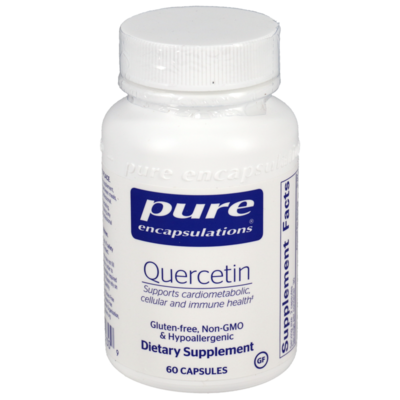
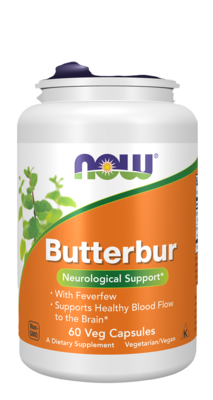
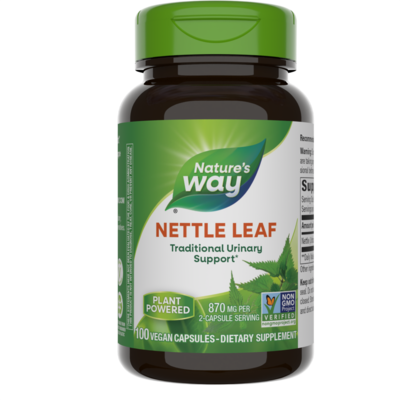
Allergy Support Supplement Plan The following supplement plan is designed for people who have allergies. It is not intended that you take all the listed supplements. Rather, the plan is designed to include almost ALL of the supplements that have been found to provide benefits for people with allergies. This allows you to tailor your supplement choices based on your specific situation and priorities while giving you specific product suggestions for each item. This supplement plan is designed to be used in combination with the advice of your physician as allergies require a proper diagnosis by a physician to evaluate the need for prescription medication. Do not stop taking prescription medication without consulting your physician. With that said, there are many things you can do to reduce allergic reactions naturally. Below, you'll find supplement recommendations, but diet and lifestyle are important too. Read more in our article: Allergies: Your Guide To The Top Nutritional Supplements for Allergy Relief . The links below connect to Supplement-Sciences.com articles on each of the nutrients below, allowing you to explore food sources, medication interactions, and other details for these nutrients. What Nutritional Supplements Are Suggested For Allergies? Quercetin : Quercetin is a flavonoid found in many fruits, vegetables, and grains, acting as a potent antioxidant and anti-inflammatory agent. It aids the immune system and reduces allergy symptoms by lowering histamine levels and inflammation. Common sources of quercetin-rich foods include onions, apples, berries, and leafy greens, making it a popular choice in allergy treatments for its natural effectiveness. Quercetin is said to be "more competent in inhibiting of IL-8 than cromolyn," an anti-allergic drug. [ PMC6273625 ] Butterbur : Butterbur is a herb that has been traditionally used to relieve allergy symptoms, such as sneezing, runny nose, and itchy eyes. However, it's essential to choose a standardized butterbur extract that is free of pyrrolizidine alkaloids, which can be harmful to the liver. A study examined whether different doses of Butterbur extract (Ze339) could effectively treat symptoms of intermittent allergic rhinitis. [PMID: 15611396 ] Stinging nettle : Stinging nettle is an herb that may help reduce inflammation and alleviate allergy symptoms such as nasal congestion and itching. It can be consumed as a tea or taken in supplement form. Nettle extract has been found to block key inflammatory processes involved in seasonal allergies. It acts on receptors and enzymes to reduce the release of substances that cause allergy symptoms like sneezing and itching. [ PMC9253158 ] Give Us Your Feedback! Please let us know how these supplements worked for you! Send your comments to Feedback@Supplement-Sciences.com. Best Regards, Supplement Sciences, LLC is a Division of The NutriScape Project _____________________________________________________________ This Information is Not a Substitute for Medical Advice Dietary supplements are not designed to diagnose, treat, cure, or prevent any disease. Supplement Sciences seeks to provide comprehensive access to the most relevant supplement information along with convenient online ordering. Individual practitioners receive no financial compensation from Supplement Sciences or Fullscript. We do not provide medical advice and cannot guarantee that every product suggested is completely without risk. Since each person is unique in their health history and medication use, it is important to discuss supplements with your personal physician. Specifically, pregnant women and individuals being treated for serious medical issues including cancer or liver or kidney problems must consult their physician about every nutritional supplement they plan to take. _______________________________________________________________
Irritable Bowel Syndrome (IBS)
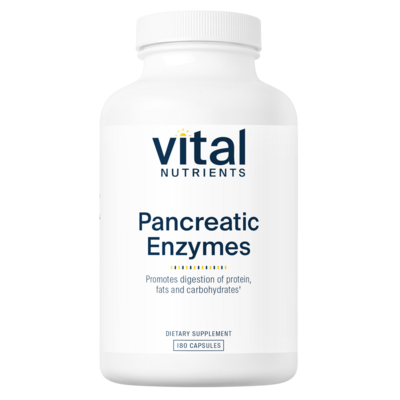
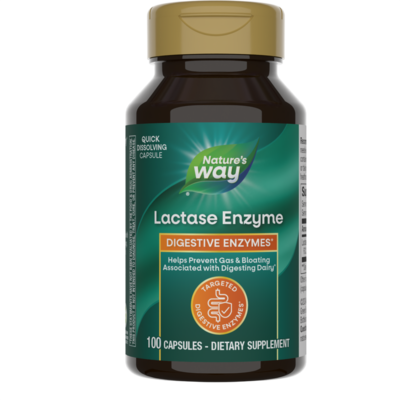 6 more items in Irritable Bowel Syndrome (IBS)
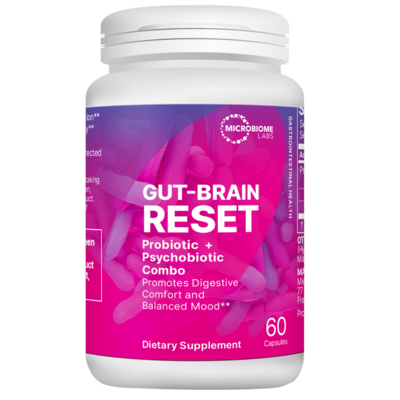
IBS Supplement Plan The following supplement plan is designed for people who have IBS. It is not intended that you take all the listed supplements. Rather, the plan is designed to include almost ALL of the supplements that have been found to provide benefits for irritable bowel syndrome (IBS). This allows you to tailor your supplement choices based on your specific situation and priorities while giving you specific product suggestions for each item. This supplement plan is designed to be used in combination with the advice of your physician as IBS requires a proper diagnosis by a physician to rule out other gastrointestinal issues. Do not stop taking prescription medication without consulting your physician. With that said, there are many things you can do to improve IBS symptoms naturally. Below, you'll find supplement recommendations, but diet and lifestyle are important too. Read more in our article: Irritable Bowel Syndrome (IBS): Discover the Best Supplements for Digestive Harmony . The links below connect to Supplement-Sciences.com articles on each of the nutrients below, allowing you to explore food sources, medication interactions, and other details for these nutrients. Supplements For Irritable Bowel Syndrome (IBS)? Probiotics : Probiotics, supplements containing live bacteria, may improve symptoms in some people with irritable bowel syndrome (IBS) by influencing gut bacteria. Recent research suggests that probiotics with multiple bacterial strains, taken for at least 8 weeks, might be most effective in reducing IBS symptoms. Look for products containing strains such as Lactobacillus and Bifidobacterium to relieve symptoms like bloating, gas, and abdominal discomfort. [ PMC6769995 ] [ PMC8891724 ] Digestive Enzymes : There is a long history of the successful use of multi-enzyme preparations to ease IBS-like symptoms that show up after eating. Lactase enzymes that break down milk sugar are especially helpful when symptoms consistently happen after certain dairy foods. [ PMC6910206 ] Peppermint Oil : A study examined the effectiveness and safety of enteric-coated peppermint oil capsules versus a placebo for treating irritable bowel syndrome (IBS). It was found that peppermint oil significantly improved overall IBS symptoms and reduced abdominal pain, despite some patients experiencing mild, temporary side effects like heartburn. Enteric-coated peppermint oil capsules are often recommended to prevent heartburn. [PMID: 24100754 ] Fiber Supplements : Irritable bowel syndrome (IBS) is a common gut disorder, often linked to insufficient fiber intake. Certain fibers, like psyllium, can improve IBS symptoms by adding bulk to stools and affecting gut bacteria, while also offering additional health benefits such as lowering cholesterol and aiding weight management. [ PMC5548066 ] Curcumin/Turmeric : Recent research suggests that curcumin, found in turmeric, may help alleviate IBS symptoms, with clinical trials showing improvements in symptom severity and quality of life when using curcumin or turmeric supplements. [ PMC9659538 ] Aloe Vera : Contains compounds with anti-inflammatory effects on the digestive tract, offering relief from symptoms like abdominal pain and diarrhea in some people with IBS. Researchers analyzed studies comparing Aloe vera (AV) to a placebo in 151 people with irritable bowel syndrome (IBS), finding that AV significantly improved IBS symptoms compared to placebo, with no reported adverse effects. This suggests that Aloe vera may be an effective and safe treatment option for IBS symptoms. [ PMC6175553 ] Melatonin : Researchers investigated whether melatonin could improve symptoms and quality of life in 136 people with irritable bowel syndrome (IBS), dividing them based on sleep issues. They found that melatonin supplementation for 8 weeks led to improvements in IBS symptoms and quality of life, particularly in those with sleep problems. [ PMC10131443 ] When Following a Low FODMAPs Diet: L-Glutamine : Supplementing L-Glutamine may be helpful when a person is following a low FODMAP diet. A study showed significant improvements in IBS symptoms, bowel habits, and daily activities among those who took glutamine while following a low FODMAP diet. [ PMC8716871 ] Give Us Your Feedback! Please let us know how these supplements worked for you! Send your comments to Feedback@Supplement-Sciences.com. Best Regards, Supplement Sciences, LLC is a Division of The NutriScape Project _____________________________________________________________ This Information is Not a Substitute for Medical Advice Dietary supplements are not designed to diagnose, treat, cure, or prevent any disease. Supplement Sciences seeks to provide comprehensive access to the most relevant supplement information along with convenient online ordering. Individual practitioners receive no financial compensation from Supplement Sciences or Fullscript. We do not provide medical advice and cannot guarantee that every product suggested is completely without risk. Since each person is unique in their health history and medication use, it is important to discuss supplements with your personal physician. Specifically, pregnant women and individuals being treated for serious medical issues including cancer or liver or kidney problems must consult their physician about every nutritional supplement they plan to take. _______________________________________________________________
Nutritional Fatigue Supplement Plan
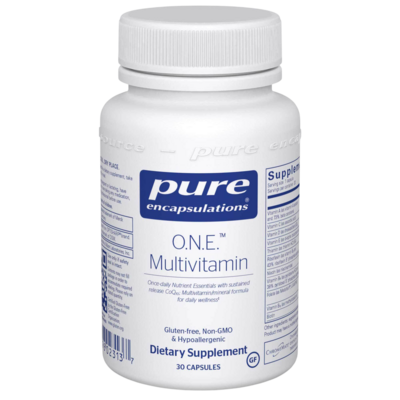
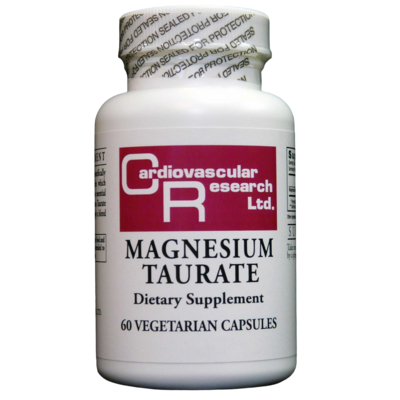
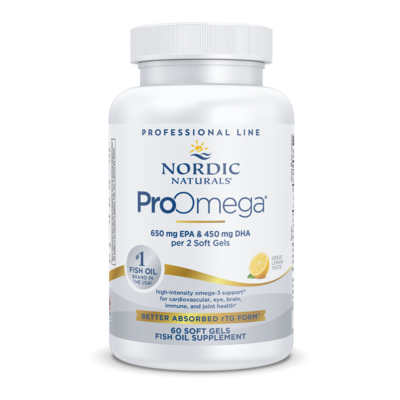
Nutritional Fatigue Supplement Plan The following supplement plan is designed for people who suspect their fatigue is related to their diet intake. This plan is designed to include only the basic supplements needed by people eating the standard American diet and experiencing fatigue. This supplement plan is designed to be used in combination with the advice of your physician as fatigue requires a proper diagnosis by a physician to rule out specific medical conditions. Your physician or registered dietitian nutritionist may recommend additional nutrient supplements and food strategies. Below, you'll find supplement recommendations, but diet and lifestyle are important too. There are many things you can do to support the " Five Pillars of Health ". Read more about nutrients in our article: Deficiencies Cause Fatigue: What Nutrient Science Says about Supplements . For a discussion of some of the other causes of fatigue, refer to our article titled, " Fatigue: What Causes It And How Do You Get Your Energy Back? " The links below connect to Supplement-Sciences.com articles on each of the nutrients below, allowing you to explore food sources, medication interactions, and other details for these nutrients. Supplements For Fatigue: Your supplements should be adjusted based on your eating habits and other root causes of fatigue. These contain the core nutrients most people are missing when fatigue is related to nutrition: Vitamins and Minerals: Vitamin D : Vitamin D plays a role in muscle strength and immune health, both of which can affect how energized you feel. Deficiency can lead to muscle aches, low energy, and a greater chance of feeling run-down. [ PMC5207540 ] Iron : Iron helps red blood cells carry oxygen from the lungs to the rest of the body, which is essential for keeping energy levels steady. Low iron can leave you feeling tired, weak, and short of breath, especially if linked to anemia. [ PMC5892776 ] Excess Iron can be proinflammatory, so it is important to avoid supplements unless your iron-related labs show that you have low iron status. Vitamin C : Vitamin C helps the body absorb iron more effectively, making it easier for the body to maintain healthy energy levels. It also works as an antioxidant, protecting cells from damage that can drain energy. [ PMC956448 2 ] B Vitamins (B6, B9, B12) : B vitamins help the body turn food into energy and support red blood cell production, which helps deliver oxygen to cells. Low levels can lead to fatigue, brain fog, and sometimes numbness or tingling in the hands and feet. [ PMC10542023 ] [ PMC7019700 ] Magnesium : Magnesium supports muscle function, nerve health, and energy production at the cellular level. When magnesium levels are low, you might experience muscle cramps, fatigue, and poor physical recovery after activity. [ PMC7019700 ] Selenium : Selenium supports the thyroid, which helps control energy use and metabolism. Low selenium can slow down thyroid function, making you feel sluggish. [ PMC8658851 ] Iodine : Iodine helps the thyroid regulate how the body uses energy. If iodine levels are too low, it can lead to fatigue, muscle weakness, and cold sensitivity. [ PMC10844808 ] Amino Acids and Protein Support: L-Carnitine : L-Carnitine helps the body use stored fat for energy by moving fatty acids into cells where they can be converted into fuel. This can support endurance and reduce fatigue during physical activity. [PMID: 17658628 ] Tyrosine : Tyrosine supports the production of brain chemicals like dopamine, which help with focus, alertness, and mood. It can be helpful during stress or fatigue linked to mental strain. [PMID: 26424423 ] Beta-Alanine : Beta-alanine helps muscles perform better during physical activity by reducing acid buildup, which often causes that burning sensation during exercise. It can improve stamina and reduce muscle fatigue. [ PMC4501114 ] Antioxidants and Cellular Support: Studies from sources like PubMed reveal that while antioxidants have their perks for health, such as battling fatigue and managing oxidative stress, there's a twist: taking too many might actually make fatigue worse. Astaxanthin : Astaxanthin is a strong antioxidant that can reduce muscle fatigue and oxidative stress. It may be especially helpful for people with fatigue linked to physical exertion. [PMID: 38243785 ] Quercetin : Quercetin helps reduce inflammation and oxidative stress, both of which can drain energy over time. It may also support healthy circulation, further boosting energy availability in cells. [PMID: 37716119 ] N-Acetylcysteine (NAC) : NAC helps the body make glutathione, a key antioxidant that protects cells from stress-related damage. It may be helpful for managing fatigue linked to inflammation or oxidative stress. [ PMC8211525 ] D-Ribose : D-Ribose is a sugar that directly supports ATP production, the body’s main energy source. It may help reduce fatigue by replenishing cellular energy stores. Omega-3 Fatty Acids : Omega-3s support brain health and cognitive function, which can help reduce mental fatigue. They also help control inflammation, which can drain energy if left unmanaged. Electrolytes (Sodium, Potassium, Magnesium) : Electrolytes help maintain proper fluid balance, muscle function, and nerve signaling. They are especially important during physical activity to prevent dehydration-related fatigue. Botanicals and Adaptogens: Adaptogens, such as ashwagandha and rhodiola, are renowned for their ability to modulate the body's stress response systems. By influencing key mediators of the stress response such as cortisol, adaptogens help to enhance resilience to stress and mitigate the physiological impacts of chronic stress, including fatigue. This support for adrenal function can lead to improved energy levels and a more balanced response to daily stressors. Ginseng (Panax and Siberian): Ginseng has been traditionally used to support stamina and physical endurance. It may also help the body manage stress, which can drain energy over time. [ PMC8020288 ] Rhodiola Rosea : Rhodiola is an adaptogen that helps the body respond to stress more effectively. It can support better focus and stamina, especially during periods of mental strain. [PMID: 19016404 ] Ashwagandha : Ashwagandha is best known for helping balance stress hormones, particularly cortisol, which can ease stress-related fatigue. Research also suggests it may improve resilience to stress, reduce anxiety, and support better sleep. [ PMC11800443 ] Sleep and Recovery Support: Melatonin : Melatonin supports healthy sleep cycles, which is essential for the body to restore energy. Better sleep can help reduce fatigue linked to sleep deprivation. [PMID: 33417003 ] Probiotics : Probiotics help maintain a healthy gut, which can improve nutrient absorption and overall energy balance. A healthier gut can also reduce fatigue linked to poor digestion. [ PMC9733784 ] Give Us Your Feedback! Please let us know how these supplements worked for you! Send your comments to Feedback@Supplement-Sciences.com. Best Regards, Supplement Sciences, LLC is a Division of The NutriScape Project _____________________________________________________________ This Information is Not a Substitute for Medical Advice Dietary supplements are not designed to diagnose, treat, cure, or prevent any disease. Supplement Sciences seeks to provide comprehensive access to the most relevant supplement information along with convenient online ordering. We do not provide medical advice and cannot guarantee that every product suggested is completely without risk. Since each person is unique in their health history and medication use, it is important to discuss supplements with your personal physician. Specifically, pregnant women and individuals being treated for serious medical issues including cancer or liver or kidney problems must consult their physician about every nutritional supplement they plan to take. _______________________________________________________________
Multiple Sclerosis (MS)
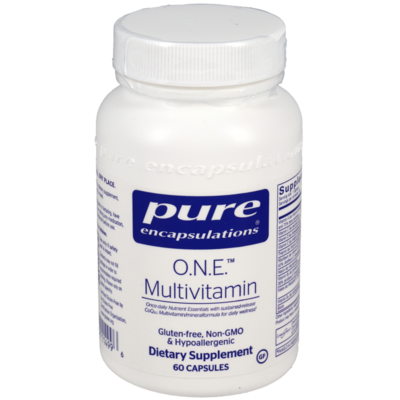
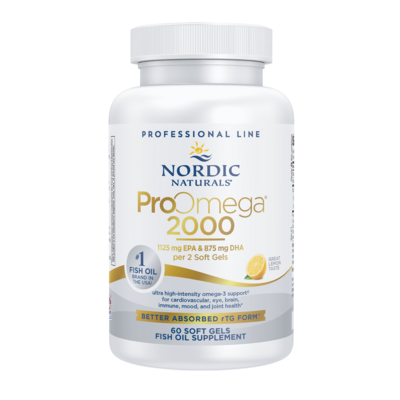
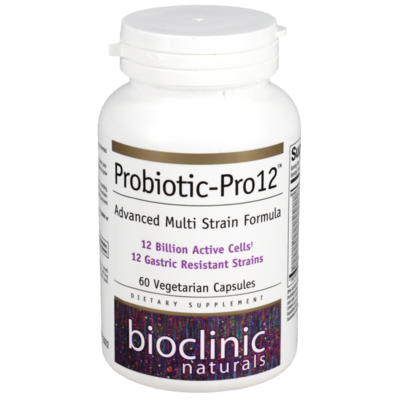 7 more items in Multiple Sclerosis (MS)
Multiple Sclerosis Supplement Plan The following supplement plan is designed for people who have Multiple Sclerosis. It is not intended that you take all the listed supplements. Rather, the plan is designed to include almost ALL of the supplements that have been found to provide benefits for MS. This allows you to tailor your supplement choices based on your specific situation and priorities while giving you specific product suggestions for each item. This supplement plan is designed to be used in combination with the advice of your physician as MS requires a proper diagnosis by a physician to evaluate the need for prescription medication. Do not stop taking prescription medication without consulting your physician. With that said, there are many things you can do to manage MS naturally. Below, you'll find supplement recommendations, but diet and lifestyle are important too. Read more in our article: Multiple Sclerosis: Navigating The Key Nutrients to Optimize Your MS Journey . The links below connect to Supplement-Sciences.com articles on each of the nutrients below, allowing you to explore food sources, medication interactions, and other details for these nutrients. Supplements For Multiple Sclerosis? Evening Primrose Oil : A study found that evening primrose oil (EPO) significantly improved cognitive function, vitality, and life satisfaction, and reduced pain and fatigue in patients with multiple sclerosis, although it did not affect the overall progression of the disease. [ PMC6003444 ] Omega-3 : Found in fish oil and flaxseed oil, omega-3s are praised for their anti-inflammatory properties, which can be especially helpful in managing conditions like MS. Research indicates that omega-3 fatty acids and fish oil supplements can enhance the quality of life for MS patients by reducing inflammation, decreasing relapse rates, and balancing fatty acid ratios. A review stated, "Omega-3 and fish oils supplementations have beneficial effects on reducing the relapsing rate, inflammatory markers, and improving the quality of life for MS patients." [PMID: 31462182 ] [PMID: 37606147 ] B Vitamins : These vitamins are vital for nerve health and energy. B12, in particular, is crucial, and supplementing it can be beneficial. A study found that high-dose supplements of Vitamins B1 , B6 , and B12 significantly improved visual function in patients with relapsing-remitting multiple sclerosis and visual impairment from acute optic neuritis. [PMID: 32669520 ] N-acetylcysteine (NAC): A study demonstrated that patients with multiple sclerosis (MS) taking 600 mg of N-acetylcysteine (NAC) twice daily for 8 weeks had reduced certain markers of oxidative stress and improved anxiety symptoms. [ PMC10496087 ] Probiotics: Maintaining a healthy gut microbiome with probiotics may influence your immune response and possibly lessen MS symptoms. Recent studies indicate that gut microbiota interventions like diets, probiotics, fecal transplants, and intermittent fasting significantly improve multiple sclerosis symptoms by positively affecting inflammation, fatigue, disability scores, and emotional health. PMC10743570 [ PMC6213508 ] Antioxidants ( Vitamin A , Vitamin C , Vitamin E) : These help combat oxidative stress levels, which are often elevated in chronic illnesses like MS, protecting your cells from damage. Research into antioxidant therapies shows potential to slow or prevent MS progression by mitigating oxidative damage, highlighting the need for further investigation to develop new treatments. [ PMC6682972 ] Curcumin : With its strong anti-inflammatory effects, turmeric is another supplement that might help reduce overall inflammation in the body. In animal models of MS, Curcumin shows potential in treating multiple sclerosis by enhancing cell growth, modulating immune responses, and improving neurological and nerve insulation symptoms through its anti-inflammatory and antioxidant properties. [ PMC9369178 ] Alpha-Lipoic Acid: This antioxidant is thought to help reduce inflammation and has been studied for its potential to slow the progression of MS, particularly in the secondary progressive phase. PMC5489387 [ PMC8841304 ] Coenzyme Q10 (CoQ10): As an antioxidant that helps generate energy in cells, CoQ10 is sometimes taken by people with MS to improve energy levels and reduce fatigue. PMC6381428 [ PMC8069673 ] Quercetin : This flavonoid has antioxidant and anti-inflammatory properties. It's thought to help reduce inflammation and strengthen the immune system. [ PMC10638059 ] Vitamin D : Since Vitamin D may help modulate the immune system and people with MS frequently have lower levels, it's commonly recommended to supplement this vitamin. [ PMC10571821 ] Ginger : Often used for its anti-inflammatory properties, ginger might help manage inflammation which can be beneficial for people with MS. [PMID: 30243185 ] Give Us Your Feedback! Please let us know how these supplements worked for you! Send your comments to Feedback@Supplement-Sciences.com. Best Regards, Supplement Sciences, LLC is a Division of The NutriScape Project _____________________________________________________________ This Information is Not a Substitute for Medical Advice Dietary supplements are not designed to diagnose, treat, cure, or prevent any disease. Supplement Sciences seeks to provide comprehensive access to the most relevant supplement information along with convenient online ordering. We do not provide medical advice and cannot guarantee that every product suggested is completely without risk. Since each person is unique in their health history and medication use, it is important to discuss supplements with your personal physician. Specifically, pregnant women and individuals being treated for serious medical issues including cancer or liver or kidney problems must consult their physician about every nutritional supplement they plan to take. ______________________________________________________________
Blood Pressure Supplement Plan
 5 more items in Blood Pressure Supplement Plan
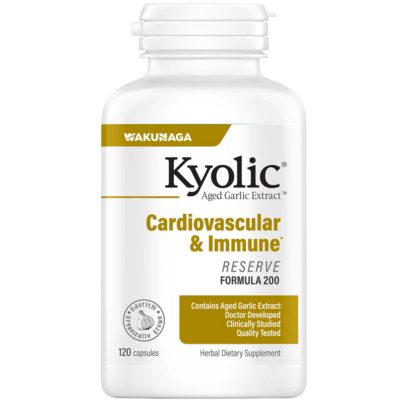
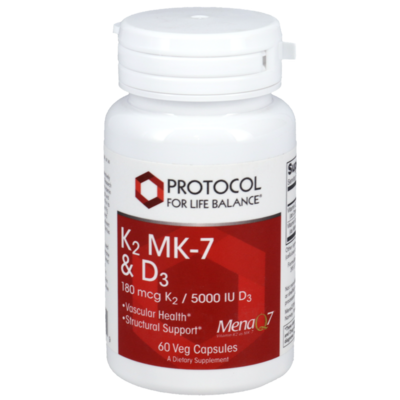
Blood Pressure Supplement Plan The following supplement plan is designed for people who have elevated blood pressure. It is designed to include almost ALL of the supplements that provide benefits for blood pressure. This allows you to tailor your supplement choices to your situation while giving you specific product suggestions for each item. This supplement plan is designed to supplement the advice of your physician as high blood pressure requires a proper diagnosis by a physician to evaluate the need for prescription medication. It requires regularly scheduled follow-up to prevent serious medical issues including kidney failure, stroke, and heart disease. Do not stop taking prescription medication without your physician's approval. With that said, there are many things you can do to lower blood pressure naturally. Below, you'll find supplement recommendations, but diet and lifestyle are important too. Read more in our article: Beyond Low Sodium and Weight Loss: Which Supplements Can Bring Blood Pressure Down. Supplements For High Blood Pressure: These are listed roughly in order of their benefit for blood pressure: Garlic : Garlic contains allicin, which is thought to have vasodilator properties, helping to relax blood vessels and lower blood pressure. Several studies have shown that garlic supplements can have a beneficial effect on blood pressure. [ PMC4734812 ] Magnesium : Magnesium plays a key role in vascular tone and reactivity, as well as sodium-potassium balance. It helps in the relaxation of blood vessels, which can lower blood pressure. Studies show that magnesium supplementation may have a modest effect on reducing blood pressure, particularly in people with magnesium deficiency. [ PMC5573024 ] Magnesium deficiency is very common. Omega-3 Fatty Acids (Fish Oil) : Omega-3 fatty acids, especially EPA and DHA found in fish oil, have anti-inflammatory effects and can improve cardiovascular health. They help in reducing artery stiffness and improving endothelial function, leading to lower blood pressure. Clinical trials have demonstrated the benefits of omega-3 fatty acids in reducing heart disease risk factors, including blood pressure. [PMID: 24610882 ][PMID: 12172309 ] Vitamin D : Some studies suggest that Vitamin D supplementation can help in reducing blood pressure in individuals with low Vitamin D levels who have high blood pressure. Blood pressure may affect renin production (an enzyme that regulates blood pressure). Low Vitamin D has been associated with an increased risk of hypertension and it is very common. [ PMC8968037 ] [PMID: 33234810 ] Vitamin D dosages should be adjusted based on your blood level with many clinicians recommending an optimal Vitamin D level of 50-80 ng/ml. Vitamin D Labs (affiliate link) can be ordered in the NutriScape Lab Shop . Melatonin : Melatonin, a hormone produced by the pineal gland, is primarily known for regulating sleep-wake cycles. It also has properties that may affect blood pressure. Melatonin can improve endothelial function, reduce oxidative stress, and has a vasodilatory effect, which can help in lowering blood pressure. Some studies suggest that melatonin supplementation, especially in individuals with nocturnal hypertension, can have a beneficial effect on blood pressure regulation. [ PMC1395802 , PMID: 12019357 ] Nattokinase : Nattokinase is an enzyme extracted from natto, a traditional Japanese fermented soybean dish. It is known for its fibrinolytic activity, meaning it can help break down blood clots. Nattokinase may also aid in reducing blood pressure by acting on the body’s natural clotting mechanisms and potentially reducing arterial stiffness. Some research has shown that nattokinase supplementation can lead to modest reductions in blood pressure readings. [PMID: 18971533 ] Berberine : Berberine is a compound found in several plants like goldenseal and barberry. It has been traditionally used in Chinese medicine and is known for its cardiovascular benefits. Berberine may help lower blood pressure by improving arterial health, enhancing vasodilation, and exhibiting anti-inflammatory properties. Studies indicate that berberine can effectively reduce blood pressure, particularly in individuals with metabolic syndrome or type 2 diabetes. [PMID: 25498346 ] Calcium : Calcium plays a critical role in vascular contraction and dilation, muscle function, nerve transmission, and intracellular signaling. Proper calcium levels can help maintain the health of blood vessels and reduce the risk of hypertension. [ PMC8748265 ] Research has shown mixed results, but calcium supplementation might be beneficial in reducing blood pressure in certain populations. Potassium : Potassium helps to balance the amount of sodium in cells, a critical factor for blood pressure regulation. Increased potassium intake can help relax blood vessel walls and excrete sodium, leading to lower blood pressure. Research has shown that diets rich in potassium are associated with lower blood pressure levels but potassium supplements may not provide the same benefit. [ PMC7429027 ] Give Us Your Feedback! Please let us know how these supplements worked for you! Best Regards, Stephanie Figon, MS, RDN, LD Supplements@NutriScape.NET Supplement Sciences, LLC is a Division of The NutriScape Project _____________________________________________________________ This Article is Not a Substitute for Medical Advice Dietary supplements are not designed to diagnose, treat, cure, or prevent any disease. The Supplement Sciences website seeks to provide comprehensive access to the most relevant supplement information along with convenient online ordering. We do not provide medical advice and cannot guarantee that every product suggested is completely without risk. Since each person is unique in their health history and medication use, it is important to discuss supplements with your personal physician. Specifically, pregnant women and individuals being treated for cancer or liver or kidney problems must consult their physician about every nutritional supplement they plan to take. _______________________________________________________________
Wound Healing & Surgery
 5 more items in Wound Healing & Surgery
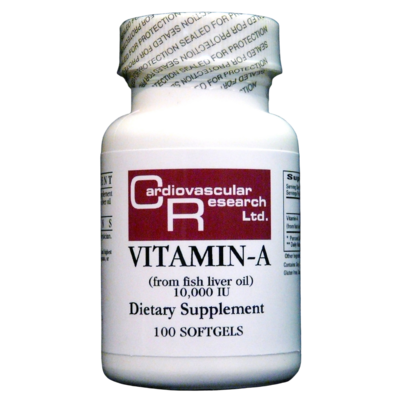
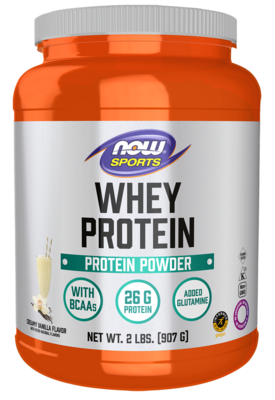
Wound Healing & Surgery Supplement Plan This supplement plan is designed to include most of the nutrients that are important for wound healing. It is not intended that you take all the listed supplements. Rather, the plan is designed to include almost ALL of the supplements that have been found to provide benefits for wound healing. This allows you to tailor your supplement choices based on your specific situation and priorities while giving you specific product suggestions for each item. This supplement plan is designed to be used in combination with the advice of your physician and registered dietitian nutritionist. Wounds often require regularly scheduled follow-up to prevent complications. Do not stop taking prescription medication without consulting your physician. It should go without saying that nutrient-dense food is important in wound healing because these supplements don't provide all essential nutrients. Read our full article: Wounds: Key Nutrient Supplements for Faster Healing . What Nutritional Supplements Are Recommended For Wounds? Protein and Amino Acid Supplements : Whey Protein : Protein is vital for tissue repair and regeneration. Whey protein is a good choice for supporting wound healing. Its high quality, complete protein profile, rich in essential amino acids, particularly branched-chain amino acids, aids in tissue repair and growth. They are particularly beneficial in cases where dietary protein intake is insufficient, ensuring the body has the necessary resources for effective wound healing. [PMID: 35043693 ] Collagen Protein : Collagen is the most abundant protein in the human body, constituting approximately 30% of the total protein content. It plays a crucial role in providing structure and strength to various tissues, including skin, bones, tendons, and ligaments. [ PMC8151502 ] Arginine and Glutamine : These amino acids support wound healing through their roles in collagen synthesis and tissue repair. Supplementing these nutrients is more important for those who are highly stressed and are healing major wounds. Arginine : Arginine is known for enhancing blood flow, which can help deliver nutrients and oxygen to the wound site to speed up healing. [ PMC4217021 ] Glutamine : Glutamine plays a role in supporting the immune system, crucial for preventing infections in wounds. The suggested dose of glutamine is 0.14 gram per pound while healing. [ PMC8399682 ] Curcumin : The active component of turmeric, curcumin, has potent anti-inflammatory properties. In wound healing, it can help reduce inflammation and pain, facilitating a better environment for the wound to heal. [ PMC11012053 , PMC6429075 ] Magnesium : Involved in numerous enzymatic reactions, including protein synthesis and cell growth, magnesium is crucial for the repair of damaged tissues. Adequate magnesium levels ensure optimal functioning of the processes necessary for wound healing. [ PMC11084488 ] Micronutrients included in the Multivitamin: Vitamin C : Essential for collagen formation, Vitamin C is critical in wound healing as it helps in the development of new connective tissue. For larger wounds and surgery, extra vitamin C is needed. Vitamin A : Important for immune function and skin regeneration, Vitamin A accelerates wound healing by promoting the growth of new skin cells. For significant wounds or surgery, extra vitamin A will be needed for healing. Zinc : Crucial for wound healing, immune function, and protein synthesis, Zinc plays a vital role in numerous enzymatic reactions that are necessary for skin repair and regeneration. It helps in maintaining the structural integrity of dermal tissue and speeds up the healing of damaged skin. Adequate zinc is present in the O.N.E. multivitamin by Pure Encapsulations. B Vitamins : Including B12 and folate, these vitamins support the rapid cell division required for wound repair. They are essential for DNA synthesis and repair, and for the overall process of producing new cells to replace those damaged in the wound. In situations of high stress, a B Complex supplement is recommended in addition to the multivitamin. Iron : Essential for the transport of oxygen in the blood, iron plays a key role in the wound healing process. It's particularly important in situations where wound healing is impaired due to anemia, as it helps in ensuring that sufficient oxygen is delivered to the wound site to support the healing tissues. If your physician finds that your iron level is low, consider adding Iron Plus C by Vital Nutrients. Vitamin E : Known for its antioxidant properties, Vitamin E contributes to wound healing by reducing oxidative stress at the wound site. Selenium : As an antioxidant, selenium helps protect cells at the wound site from oxidative damage and also plays a role in the immune response, helping to prevent infections. Other Supplements that Might Be Effective : In addition to the previously mentioned supplements, there are other nutritional supplements that can be beneficial for wound healing. These supplements support various aspects of the healing process, from helping in tissue repair to reducing inflammation and supporting immune function. Here's a list: Bromelain : Bromelain is absorbed into the body, although its bioavailability (the proportion that enters the circulation. Found in pineapples, bromelain may help in reducing swelling, bruising, and pain associated with wounds and surgeries. It's believed to work by breaking down proteins that trap fluids in the tissues after an injury, thereby aiding in reducing edema and improving healing. [PMID: 32924815 ] Quercetin : This flavonoid has strong anti-inflammatory and antioxidant properties. In wound healing, quercetin can help reduce inflammation and oxidative stress at the wound site, which can accelerate the healing process and improve the quality of scar tissue. [PMID: 39738831 ] Spermidine : Spermidine is known for its role in cellular growth and repair. It can improve wound healing by promoting tissue regeneration and reducing inflammation at the wound site. [ PMC7986284 ] Probiotics : While not directly involved in wound healing, probiotics can support the immune system, a key player in the healing process. A healthy gut flora, maintained through probiotics, can help the body fight off potential infections at the wound site and support overall health. [ PMC12114949 ] Beta-Glucans : Known for their immune-enhancing properties, beta-glucans can help in wound healing by supporting the body's immune response. This is particularly important in preventing and fighting infections in wounds. [ PMC9586175 ] Grounding Improves Wound Healing Some studies have shown that grounding may enhance the body’s ability to heal wounds. This effect is thought to be related to the reduction of inflammation and improved circulation that grounding provides. In one study, participants who were grounded showed faster healing of skin wounds compared to those who were not. [ PMC4378297 ] Refer to our full article: Grounding: Electron Deficiency And How Walking Barefoot Might Be The Ultimate Anti-Inflammatory . Give Us Your Feedback! Please let us know how these supplements worked for you! Best Regards, Stephanie Figon, MS, RDN, LD Supplements@NutriScape.NET Supplement Sciences, LLC is a Division of The NutriScape Project _____________________________________________________________ This Article is Not a Substitute for Medical Advice Dietary supplements are not designed to diagnose, treat, cure, or prevent any disease. The Supplement Sciences website seeks to provide comprehensive access to the most relevant supplement information along with convenient online ordering. We do not provide medical advice and cannot guarantee that every product suggested is completely without risk. Since each person is unique in their health history and medication use, it is important to discuss supplements with your personal physician. Specifically, pregnant women and individuals being treated for cancer or liver or kidney problems must consult their physician about every nutritional supplement they plan to take. _______________________________________________________________
Gout Supplement Plan
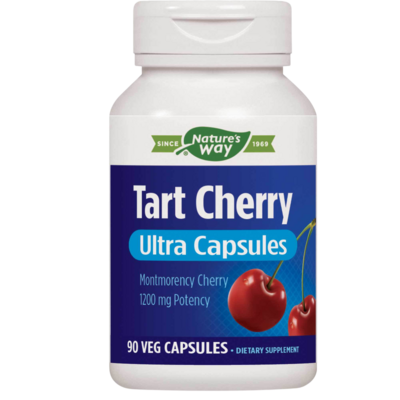
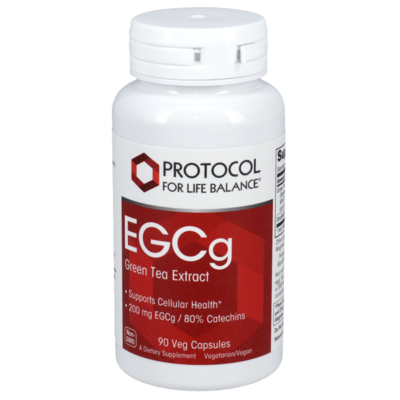
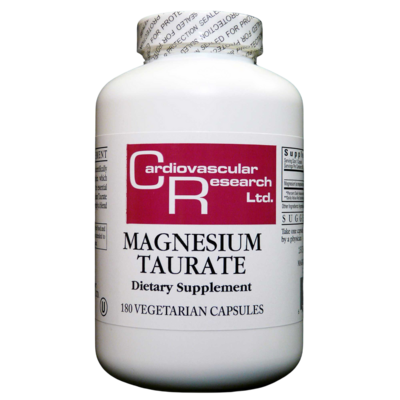 3 more items in Gout Supplement Plan
Gout Supplement Plan The following supplement plan is for people who have gout. It is designed to include almost ALL of the supplements that have been researched and provide benefits for gout although many other anti-inflammatory supplements are theorized to be helpful as well. This supplement plan is meant to be used in combination with the recommendations of your physician as gout requires a proper diagnosis by a physician to evaluate the need for prescription medication. Do not stop taking prescription medication without your physician's approval. There are some things you can do to reduce your risks for gout attacks naturally. Below, you'll find supplement recommendations, but diet and lifestyle are important too. Read more in our article: Gout: How To Avoid It and The Supplements That Can Help . Supplements For Gout: Quercetin : 500 mg/day. This flavonoid has been studied for its ability to reduce uric acid levels by inhibiting its production and release in the body. Including quercetin-rich foods or supplements may support gout management. [ PMC9315272 ] Vitamin C : 500 mg/day. Some studies suggest that vitamin C can contribute to lowering uric acid levels. [ PMC9959749 ] Magnesium : Magnesium plays a role in improving kidney function, which is essential for the body's ability to excrete uric acid efficiently. Adequate magnesium intake may help reduce the risk of gout. [PMID: 32213225 ] Cherry Extract : There is a correlation between cherry intake and reduced gout attacks. [ PMC6914931 ] Cherries and cherry extract had been thought to have the potential to reduce uric acid levels and minimize gout flare-ups. [PMID: 33506357 ] However, this has not been found consistently and researchers in 2020 found that Tart cherry concentrate (30 ml twice daily for 28 days) had no effect on serum urate or urine urate excretion. They concluded that if there is an effect of cherry concentrate on gout flares, it is not likely to be mediated by a reduction in serum urate. [ PMC10687352 ] Green Tea Extract : Rich in antioxidants, green tea extract is believed to possess anti-inflammatory effects. It may play a role in lowering uric acid levels, contributing to gout management. In an animal model, researchers found that EGCG blocked production of free radicals and suppressed gouty inflammation. [ PMC6600669 ] Curcumin : Curcumin has potent anti-inflammatory properties. It may help alleviate joint pain and reduce swelling in individuals dealing with gout. [PMID: 37488765 ] More : High Dose Omega-3 Fatty Acids : “Dietary n-3 PUFA-rich fish consumption, when adjusted for total purine intake, was associated with lower risk of recurrent gout flares, whereas n-3 PUFA supplementation alone, as taken in a self-directed manner, was not.” [ PMC6717014 ] Omega-3 supplements at a dose of 6.2 grams per day-a very large dose, did reduce gout flares in an open-label trial. [ PMC9175343 ] Luteolin : 100 mg/day. Luteolin is a potent flavonoid known for its anti-inflammatory and antioxidant properties. It may help manage gout symptoms by reducing inflammation and oxidative stress associated with high uric acid levels. [ PMC10016360 , PMC11157185 ] Give Us Your Feedback! Please let us know how these supplements worked for you! Best Regards, Stephanie Figon, MS, RDN, LD Supplements@NutriScape.NET Supplement Sciences, LLC is a Division of The NutriScape Project _____________________________________________________________ This Article is Not a Substitute for Medical Advice Dietary supplements are not designed to diagnose, treat, cure, or prevent any disease. Supplement Sciences seeks to provide comprehensive access to the most relevant supplement information along with convenient online ordering. We do not provide medical advice and cannot guarantee that every product suggested is completely without risk. Since each person is unique in their health history and medication use, it is important to discuss supplements with your personal physician. Specifically, pregnant women and individuals being treated for serious medical issues including cancer or liver or kidney problems must consult their physician about every nutritional supplement they plan to take. _______________________________________________________________
Gallstone Supplement Plan
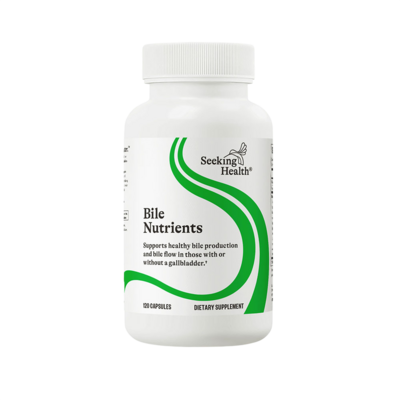
 3 more items in Gallstone Supplement Plan
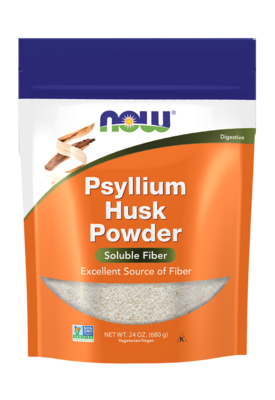
Gallstone Supplement Plan The following supplement plan is designed for people who either have existing gallstones or are at high risk for gallstones. (If you have had gallbladder surgery, refer to the Post-Cholecystectomy (Gallbladder Surgery) Supplement Plan ). It is not intended that you take all the listed supplements. Rather, the plan is designed to include almost ALL of the supplements that have been found to provide benefits for supporting bile flow and thereby possibly reducing the risk related to gallstones. This allows you to tailor your supplement choices based on your specific situation and priorities while giving you specific product suggestions for each item. This supplement plan is designed to be used in combination with the advice of your physician as gallstones require medical intervention to evaluate the need for prescription medication or surgery to prevent very serious medical issues. Do not stop taking prescription medication without consulting your physician. With that said, there are many things you can do to reduce the risk from gallstones naturally. Below, you'll find supplement recommendations, but diet and lifestyle are important too. Read more in our article: Gallstones: A"Heads Up" For Dieters, Plus How Supplements Can Reduce The Risk. The links below connect to Supplement-Sciences.com articles on each of the nutrients below, allowing you to explore food sources, medication interactions, and other details for these nutrients. Supplements For Gallstone Risk Reduction: Once gallstones form, there are no supplements proven to dissolve them. In these cases, a physician will either recommend surgery or prescription medication to prevent serious complications. However, for those who have or are at risk for gallstones, several supplements may help. These include: Milk Thistle : For centuries, milk thistle extracts have been used for liver and gallbladder issues, containing beneficial compounds called flavonolignans, notably silymarin. These extracts are widely used in medicines and supplements, with ongoing research focusing on advanced techniques to ensure their quality and effectiveness. PMID: 27321822 Dandelion Root : Dandelion root, traditionally used as a diuretic and for liver support, also shows promise in treating digestive issues and promoting gastrointestinal health. It stimulates bile production and enhances bile flow, aiding in managing gallstones by promoting the elimination of substances that could form stones. However, further research is needed to fully understand its benefits. PMID: 35405251 Turmeric : Contains curcumin, known for its potent anti-inflammatory properties. Curcumin improves bile flow, contributing to the prevention of gallstone formation by ensuring cholesterol and other substances do not concentrate excessively in the gallbladder. [ PMC9100705 ] Omega-3 Fatty Acids : Omega-3 Fatty Acids, found in fish oil and flaxseed oil, may reduce cholesterol content in bile, lowering the risk of cholesterol gallstones, the most common type of gallstones. Research also shows that higher levels of omega-3 and omega-6 fatty acids are associated with a decreased risk of gallstones, emphasizing the importance of including these healthy fats in the diet for gallstone prevention. [ PMC9537577 ] Fiber Supplements : Soluble fiber binds to cholesterol in the intestines, reducing its absorption and preventing cholesterol from concentrating in bile, thereby lowering the risk of cholesterol gallstone formation. A study examined whether dietary fiber intake is associated with gallstone disease risk. It found that higher fiber intake was linked to a reduced risk of gallstones, especially among overweight or obese persons. [ PMC10091554 ] Berberine : Berberine, a compound found in several plants, has been studied for its role in managing gallstones. It may help in reducing inflammation, preventing cholesterol crystal formation and gallstone development, and regulating cholesterol levels in the body and bile. It may also have therapeutic effects on gallbladder inflammation and gallstones. [ PMC8497101 ] Artichoke Leaf Extract : Enhances bile production, improves bile flow and improves regular gallbladder emptying. It is also found to reduce cholesterol [PMID: 22183827 ], from which gallstones are composed and thereby reduce the risk of stone formation. Lecithin : Found in soy and egg yolks, lecithin contains phospholipids that reduce the concentration of cholesterol in bile. By increasing the phospholipid content in bile, lecithin can help enhance the solubility of cholesterol in bile, reducing the likelihood of cholesterol crystallizing and forming gallstones. [PMID: 9053971 ] Peppermint Oil : Known for its ability to relax the muscles in the digesive tract, peppermint oil may help alleviate symptoms associated with gallstones, such as pain and discomfort. [ PMC5814329 ] Magnesium : Research suggests that taking magnesium supplements might help stop gallstones from forming by lowering cholesterol in bile and improving how the gallbladder moves. A recent study also found that higher magnesium intake could lower the risk of gallstones in adults in the US, and it seems that a certain marker in the blood (called the atherogenic index of plasma) helps explain this connection. [ PMC10953275 ] Vitamin C : In a study, researchers looked at whether taking vitamin C regularly is linked to a lower risk of gallstones. They found that people who reported taking vitamin C supplements were about 66% less likely to develop gallstones compared to those who didn’t take them. [ PMC2763865 ] Give Us Your Feedback! Please let us know how these supplements worked for you! Best Regards, Supplement Sciences, LLC is a Division of The NutriScape Project _____________________________________________________________ This Article is Not a Substitute for Medical Advice Dietary supplements are not designed to diagnose, treat, cure, or prevent any disease. Supplement Sciences seeks to provide comprehensive access to the most relevant supplement information along with convenient online ordering. We do not provide medical advice and cannot guarantee that every product suggested is completely without risk. Since each person is unique in their health history and medication use, it is important to discuss supplements with your personal physician. Specifically, pregnant women and individuals being treated for serious medical issues including cancer or liver or kidney problems must consult their physician about every nutritional supplement they plan to take. _______________________________________________________________
Neuropathy Supplement Plan
 6 more items in Neuropathy Supplement Plan
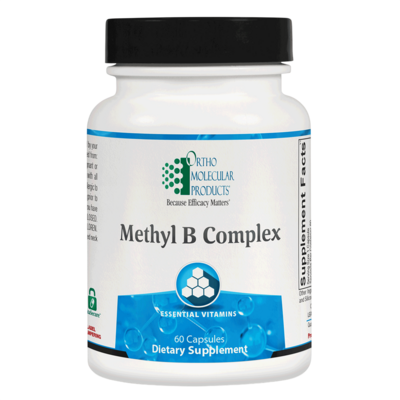
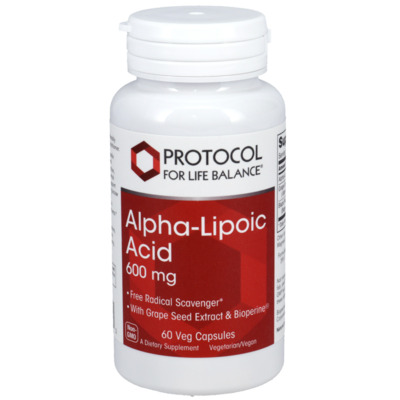
Neuropathy Supplement Plan The following supplement plan is designed for people who have neuropathy. It is designed to include almost ALL of the supplements that provide benefits for neuropathy. This allows you to tailor your supplement choices based on your situation while giving you specific product suggestions for each item. This supplement plan is meant to be used in addition to your physician's advice as neuropathy requires a proper diagnosis by a physician to evaluate related medical problems and the need for prescription medication. Do not stop taking prescription medication without your physician's approval. With that said, there are many things you can do to improve neuropathy naturally. Below, you'll find supplement recommendations, but diet and lifestyle are important too. Read more in our article: Neuropathy: Nutrients Provide Hope To Heal The Nerves & Reduce The Pain . Meanwhile, nutrient deficiencies including B1, B3, B6, folate, B12, and essential fatty acids can cause neuropathy symptoms. One of the most common deficiencies is B12. People who consume a lot of alcohol are very prone to thiamine (B1) deficiency. Copper deficiencies related to excessive zinc intake or bariatric surgery are a less common cause for neuropathy. Causes: Diabetic Neuropathy often related to inadequate blood glucose control. Bariatric Surgery inadequate dietary supplementation. Intestinal Malabsorption leading to nutritional deficiencies. High Alcohol Intake with poor nutrition leading to thiamine deficiency. Excessive Zinc supplementation that causes copper deficiency. Testing to Consider : Since neuropathies indicate nerve issues that also affect brain function, more extensive nutrient testing might be considered once you have been seen by your physician. Rule Out a B12 Deficiency: Anemia Panel (affiliate link) will test for iron, B12, and folate. Rule Out Celiac : You can request a Celiac Blood Test (affiliate link). This blood test will not be valid if you are not eating gluten prior to the test. Find Deficiencies : The NutrEval FMV (affiliate link) is one of the most comprehensive nutrient tests available. These are generally not covered by insurance but are eligible for payment by your health savings account. Supplements For Neuropathy: B Vitamins : [PMID: 35156556 ] B1 (Thiamine) : Thiamine is crucial for energy metabolism in nerve cells. It helps in the proper functioning of neurons and is essential for nerve signal transmission. Thiamine deficiency can lead to neuropathic conditions like beriberi, which can cause nerve damage and pain. Thiamine deficiency is common in heavy users of alcohol. [PMID: 38018774 ] B6 (Pyridoxine) : Pyridoxine is involved in the synthesis of neurotransmitters and myelin, which is the protective sheath around nerves. It plays a role in the repair and regeneration of nerves. However, it's important to note that excessive intake of B6 can also lead to neuropathy. B12 (Cobalamin) : Cobalamin is vital for maintaining the myelin sheath and for nerve repair. It helps in the regeneration of damaged nerves and prevents nerve damage by maintaining the fatty sheaths that protect nerve endings. Alpha-Lipoic Acid : This is a powerful antioxidant that helps protect against oxidative stress, a contributing factor in diabetic neuropathy. It improves the blood flow to nerves and has been shown to relieve pain, burning, and numbness associated with diabetic neuropathy. Researchers state: "ALA is a valuable therapeutic option for diabetic neuropathy. When compared with currently licensed analgesic drugs, it is better tolerated, has a more rapid onset of action, and improves paraesthesiae, numbness, sensory deficits, and muscle strength in addition to neuropathic pain." [PMID: 25381809 ] Omega-3 Fatty Acids : Omega-3s, particularly EPA and DHA found in fish oil, play a critical role in nerve health. They are components of cell membranes and can help repair nerve damage. Their anti-inflammatory properties are beneficial in reducing the inflammation associated with neuropathy. [ PMC8876723 ] Magnesium : Magnesium is important for nerve function as it helps regulate nerve signal transmission and muscle contraction. Magnesium deficiency can lead to neuromuscular symptoms such as cramps, numbness, and tingling. Supplementing with magnesium can aid in nerve function and reduce neuropathy symptoms. [ PMC7468697 ] The Taurate form of magnesium may provide additional benefits. Acetyl-L-Carnitine : This compound is involved in mitochondrial energy production within nerve cells. It has neuroprotective properties and can help in pain reduction, nerve regeneration, and improving nerve function in neuropathic conditions. [PMID: 31118753 ] Vitamin D : Essential for nerve growth, Vitamin D also plays a critical role in the maintenance of healthy nerve cells and has neurotrophic effects. Adequate levels of Vitamin D have been linked to reduced neuropathic pain, as deficiency in this nutrient is associated with increased pain sensitivity. Supplementing with Vitamin D can improve nerve function and alleviate neuropathy symptoms, particularly in those who are deficient. [PMID: 32089370 ] Vitamin D dosages should be adjusted based on your blood level with many clinicians recommending an optimal Vitamin D level of 50-80 ng/ml. Vitamin D labs can be ordered online through the NutriScape Lab Shop (Affiliate Link). Vitamin E : As a potent antioxidant, Vitamin E protects nerve cells from oxidative stress and damage. It is known to improve nerve conduction velocity, helping nerves transmit signals more effectively. Its neuroprotective role is beneficial in slowing the progression of neuropathy and alleviating symptoms. [PMID: 24905305 ] Curcumin (from Turmeric) : Known for its anti-inflammatory properties, curcumin reduces inflammation that can exacerbate neuropathic pain. It has shown effectiveness in reducing pain associated with neuropathy and offers a natural alternative for pain management. Curcumin also protects nerves from damage by reducing oxidative stress. [PMID: 33925121 ] Zinc : Involved in nerve signal transmission, zinc is essential for proper nervous system functioning. It may modulate neuropathic pain by influencing pain signal transmission and processing. Zinc also has a neuroprotective role, supporting antioxidant defenses and maintaining nerve cell health. However, research is mainly limited to animal models of neuropathy. [ PMC8231824 ] More: Coenzyme Q10 (CoQ10) : CoQ10 is an antioxidant that supports cellular energy production. It may help improve nerve function and reduce symptoms of neuropathy, particularly in persons with certain metabolic disorders. Adding CoQ10 to pregabalin(a medication used to treat nerve pain) significantly improved pain relief, sleep, and overall symptoms in patients with painful diabetic neuropathy compared to pregabalin alone. [ PMC11457790 ] Gamma-Linolenic Acid (GLA) : GLA is a type of omega-6 fatty acid found in plant oils like evening primrose oil and borage oil. It has anti-inflammatory properties and may help ease neuropathic pain. [PMID: 8380765 ], PMC7453980 ] N-Acetylcysteine (NAC) : NAC is a compound that helps the body produce glutathione, a powerful antioxidant. It may reduce oxidative stress and inflammation in neuropathic conditions. N-acetyl-cysteine may effectively treat neuropathic pain by blocking enzymes that cause nerve inflammation. This suggests NAC could be a safe and promising option for pain relief. [PMID: 27075430 ] Resveratrol : Resveratrol is a natural compound found in foods like red grapes, berries, and peanuts, but may in much higher doses in supplements. It has antioxidant and anti-inflammatory properties and may protect nerves from damage and alleviate neuropathy symptoms. [ PMC8064179 ] Give Us Your Feedback! Please let us know how these supplements worked for you! Best Regards, Stephanie Figon, MS, RDN, LD Supplements@NutriScape.NET Supplement Sciences, LLC is a Division of The NutriScape Project _____________________________________________________________ This Article is Not a Substitute for Medical Advice Dietary supplements are not designed to diagnose, treat, cure, or prevent any disease. Supplement Sciences seeks to provide comprehensive access to the most relevant supplement information along with convenient online ordering. We do not provide medical advice and cannot guarantee that every product suggested is completely without risk. Since each person is unique in their health history and medication use, it is important to discuss supplements with your personal physician. Specifically, pregnant women and individuals being treated for serious medical issues including cancer or liver or kidney problems must consult their physician about every nutritional supplement they plan to take. _______________________________________________________________
Shop the entire wellness catalog, held to a higher standard
Shop practitioner-grade products, each meeting the same bar for quality through Fullscript's standards.
Powered byVerified
Sourced straight from the brand — no resellers or fakes
Enhanced testing
Select products are tested in-house — get exactly what the label promises
Stored and shipped
From certified facilities, to protect product integrity