PCOS Supplement Routine
Products
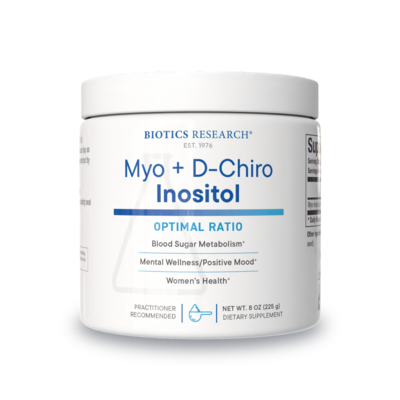
Dosage instructions
- Dosage amount:
1.5 Teaspoons
once per day
Ongoing
Additional notes
"For individuals with PCOS, it's thought that there may be an issue with "secondary messengers," which play a role in transmitting insulin signals. This defect can contribute to insulin resistance. Myo-inositol (MYO) and D-chiro-inositol (DCI) function as these secondary messengers. To simplify: when we consume food, particularly carbohydrates, it's broken down into glucose, which enters our bloodstream. Glucose needs to move into our cells to provide energy. When blood glucose levels increase, a signal (like pressing a doorbell) is sent to the cell's "door," prompting it to open and allow glucose inside. In PCOS, this "doorbell" may not work properly, causing delays in glucose entering the cells. As a result, the body needs to release higher levels of insulin to compensate. Secondary messengers like MYO and DCI help restore the function of this "doorbell," allowing cells to respond to glucose more efficiently and reducing the amount of insulin the body needs to produce. Myo-inositol and D-chiro-inositol Combination: Ratio: A 40:1 ratio of myo-inositol to D-chiro-inositol is often recommended because it mimics the physiological ratio found in healthy individuals. This combination has been shown to improve ovulation and reduce hyperandrogenism and insulin resistance more effectively than either form alone in many studies. "
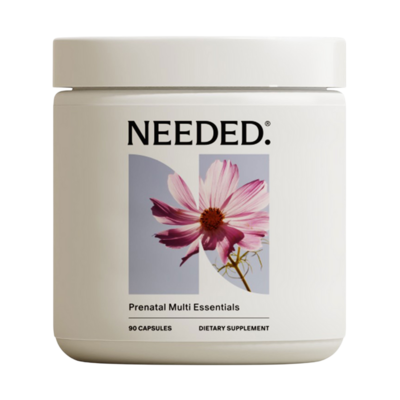
Dosage instructions
- Dosage amount:
3 Vegetable Capsules
once per day
Additional notes
" Taking a prenatal vitamin can be highly beneficial for individuals with PCOS, even if pregnancy isn’t the immediate goal. PCOS often leads to nutrient deficiencies or imbalances, and prenatal vitamins provide essential nutrients that support hormone regulation, insulin sensitivity, and overall health. Key benefits include replenishing common deficiencies (e.g., vitamin D, magnesium, folate), improving egg quality and metabolic health, and preparing the body for a healthy pregnancy if desired. Prenatal vitamins offer targeted support for managing PCOS and promoting well-being. "
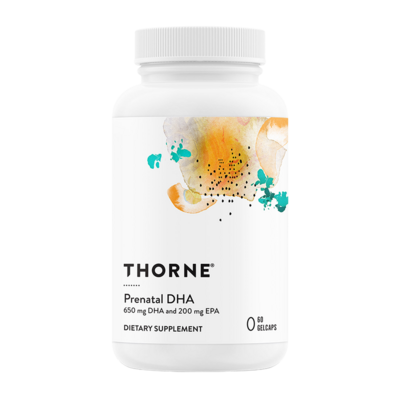
Dosage instructions
- Dosage amount:
2 Gelcaps
once per day
Additional notes
"*another prenatal option that contains DHA (omega-3 fatty acids) please refer to the omega-3 section to see why these are helpful! This prenatal is a great option if you'd like to take a prenatal + omega-3 fatty acid in one rather than taking two separate supplements. "
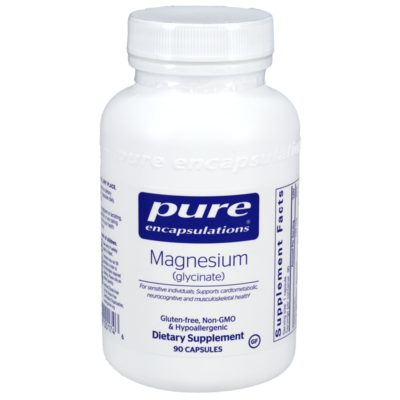
Dosage instructions
- Dosage amount:
1 Vegetarian Capsule
once per day
Additional notes
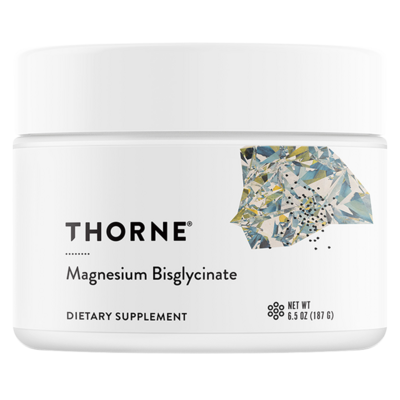
"Magnesium is a crucial mineral that is often deficient in individuals with PCOS. Research published in Gynecology Endocrinology found that women with PCOS are 19 times more likely to experience magnesium deficiency. This is significant because magnesium plays an essential role in regulating glucose, insulin levels, and blood pressure, all of which are commonly impacted by PCOS. Bonus: Magnesium glycinate specifically may help with sleep and anxiety. "
Dosage instructions
- Dosage amount:
1 Scoop
once per day
Additional notes
"Another option for magnesium. A powder form that would be easy to mix into a beverage. "
Dosage instructions
- Dosage amount:
1 Vegetarian Capsule
once per day
Additional notes
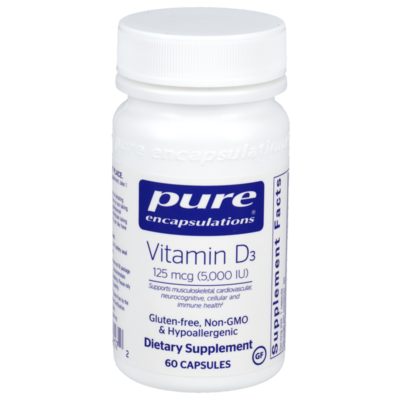
"Vitamin D is essential for women with PCOS as it plays a key role in hormonal balance, insulin sensitivity, and overall metabolic health. Research indicates that many women with PCOS are deficient in vitamin D, which is linked to worsened symptoms such as irregular menstrual cycles, insulin resistance, and inflammation. Adequate vitamin D levels may improve ovulation, reduce insulin resistance, and support weight management, making it a vital nutrient in managing PCOS effectively."
Dosage instructions
- Dosage amount:
2 Softgels
once per day
Additional notes
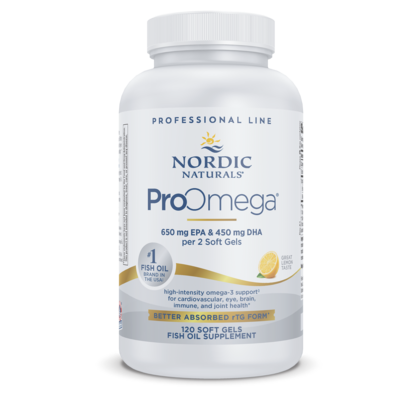
"Omega-3 fatty acid supplements can be highly beneficial for women with PCOS due to their anti-inflammatory and hormone-regulating properties. Evidence shows that omega-3s may help reduce insulin resistance, improve lipid profiles, and lower inflammation, all of which are common challenges in PCOS. Additionally, omega-3s have been linked to improved menstrual regularity and reduced androgen levels, potentially alleviating symptoms such as acne and excess hair growth. Including omega-3s as part of a PCOS management plan can support both metabolic and hormonal health."
Dosage instructions
- Dosage amount:
1 Fish Gelatin Softgel
once per day
Additional notes
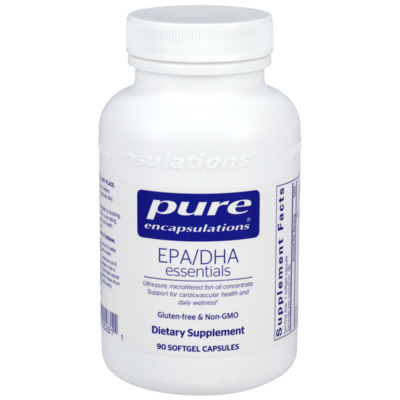
"Another omega-3 option. "
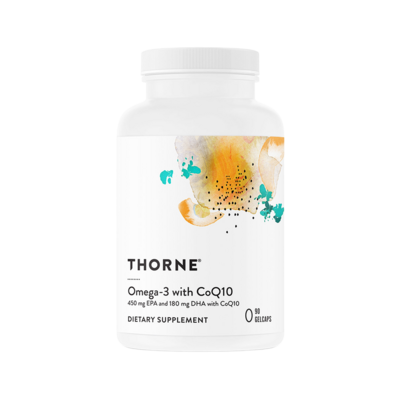
Dosage instructions
- Dosage amount:
1 Fish Gelatin Softgel
twice per day
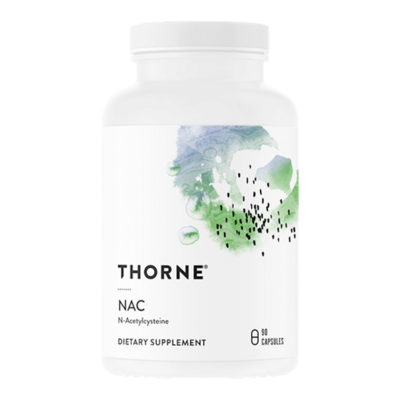
Dosage instructions
- Dosage amount:
1 Capsule
twice per day
Additional notes
"NAC, an antioxidant and amino acid derived from L-cysteine, helps the body produce glutathione, a key antioxidant that protects against oxidative stress and supports immune health. A study in the European Journal of Obstetrics, Gynecology, and Reproductive Biology compared NAC (600 mg three times daily) with metformin (500 mg three times daily) in 100 women with PCOS over 24 weeks. Both treatments showed similar benefits, including reduced BMI, hirsutism, fasting insulin, free testosterone, and menstrual irregularity."
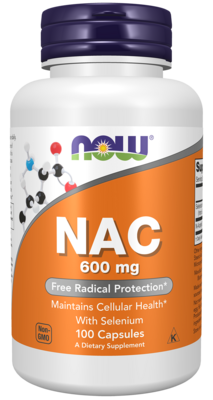
Dosage instructions
- Dosage amount:
1 Vegetable Capsule
twice per day
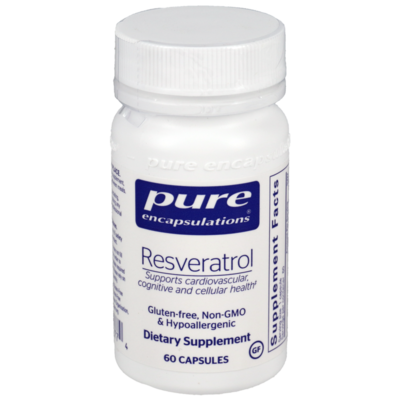
Dosage instructions
- Dosage amount:
1 Vegetarian Capsule
once per day
Additional notes
"Resveratrol, a natural compound found in red grapes and certain plants, may offer benefits for women with PCOS due to its antioxidant and anti-inflammatory properties. Evidence suggests that resveratrol can help reduce insulin resistance, lower androgen levels, and improve ovarian function. Studies also indicate it may support metabolic health by reducing inflammation and oxidative stress, common issues in PCOS. These effects make resveratrol a promising supplement for managing PCOS symptoms."
Shop the entire wellness catalog, held to a higher standard
Shop practitioner-grade products, each meeting the same bar for quality through Fullscript's standards.
Powered byVerified
Sourced straight from the brand — no resellers or fakes
Enhanced testing
Select products are tested in-house — get exactly what the label promises
Stored and shipped
From certified facilities, to protect product integrity