
the Barefoot Physician
Welcome! Through Fullscript, the Barefoot Physician offers high-quality supplements and wellness products, delivered right to your door. Get started with the recommended products from the Barefoot Physician.
Up to 10% off your order when you sign up*
Shop the highest quality, rigorously tested supplements
Fast and free shipping for orders over $50
*Discounts may vary by order. Labs and select products not eligible
Existing account? Log in here
Featured public protocols
the Barefoot Physician's general recommendations, available to anyone who visits this store.
Musculoskeletal Health – General Pain & Inflammation Support
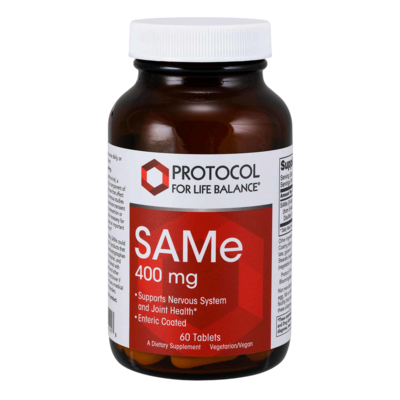
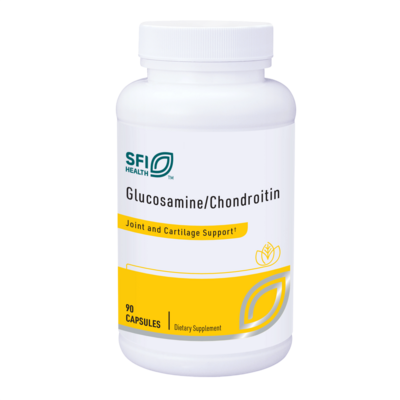
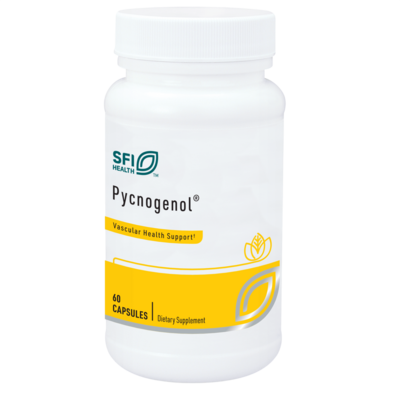 3 more items in Musculoskeletal Health – General Pain & Inflammation Support
Overview Joint pain and degradation has been steadily increasing throughout the past two decades. Incidence of osteoarthritis (OA) in the hip and knee increased from an estimated 6-8% in early industrial and prehistoric years to 16% in postindustrial people, which is 2.1 fold higher. ( 25 ) Additionally, the years of life lived with this disability rose from 10.5 million in 1990 to 17.1 million in 2010. ( 8 ) A variety of features make up osteoarthritis. Of these features, pooled prevalence for cartilage defects is 24% and meniscal tear is 10%. ( 9 ) Osteoarthritis prevalence and contributing features increases with age. Risk for OA is associated with obesity, prior trauma, female sex, and old age. ( 4 ) Comorbidities contribute to increased pain and/or decreased physical function. Common comorbidities with osteoarthritis are cardiac disease, hypertension, back pain, and diabetes, or a combination of them. ( 5 ) Mainstream prevention and treatment for osteoarthritis relies on pain management through nonsteroidal anti-inflammatory drugs (NSAIDs), glucocorticoid injections, exercise therapy, bracing, and kinesiotaping. Additionally, integrative treatments such as acupuncture, heat therapy, topical herbs, and supplements, are widely accepted as well. ( 18 ) Managing pain and inflammation as well as preventing further degradation of the affected joints is key to helping patients with OA and related joint concerns. In the protocol below we present ingredients associated with improved pain management, prevention of degradation, and improvement of joint function. Glucosamine chondroitin 1500 mg of glucosamine sulfate combined with 800-1200 mg of chondroitin sulfate total per day, for a minimum of 6-24 months ( 14 )( 11 ) Chondroitin sulfate combined with glucosamine sulfate is comparable to celecoxib treatment as demonstrated by decreased Western Ontario and McMaster osteoarthritis index (WOMAC) by 50.1%, with 79.7% of patients fulfilling Outcome Measures in Rheumatology Clinical Trials and Osteoarthritis Research Society International (OMERACT-OARSI) ( 14 ) When given CS and GH, similarly patients treated with the 200 mg of celecoxib had a decrease of WOMAC by 50.2% with 79.3% fulfilling OMERACT-OARSI; additionally both groups reduced joint swelling and effusion by more than 50% ( 14 ) Combined supplementation of glucosamine sulfate with chondroitin sulfate decreased joint space narrowing by a mean difference of 0.10 mm when compared to placebo over 2 years in patients with chronic knee pain and medial tibio-femoral compartment narrowing ( 11 ) In a meta-analysis of common knee and hip osteoarthritis therapies, it was found that celecoxib had the largest effect size, followed by combined supplementation of glucosamine and chondroitin, both demonstrating effect in improving physical function when compared to placebo as well as being ideal for stiffness ( 27 ) S-adenosyl methionine (SAMe) 1200 mg, one to two times per day, minimum 30 days ( 23 ) Demonstrated effectiveness at reducing symptoms of osteoarthritis ( 22 ) Multiple RDBPC studies demonstrated comparable pain reduction to OTC pharmaceuticals like naproxen and nabutone ( 6 )( 16 ) When compared with celecoxib, SAMe had no difference in efficacy for isometric joint function; additionally both demonstrated similar reductions in pain ( 22 ) Decreases in pain intensity on visual analog scale by 13.0 and 15.7 were observed in SAMe and nabumetone therapy, respectively ( 16 ) When compared with naproxen, SAMe demonstrated similar analgesic activity and fewer side effects ( 6 ) Turmeric (Curcuma) 500 mg Meriva® or 400 mg of curcumin, two to four times per day, minimum 30 days ( 1 )( 10 ) Curcuma longa extract ameliorates pain as demonstrated by improvements in visual analog scale (VAS) and WOMAC; additionally decreases in oxidative stress and inflammation occurred as shown by improved viz., IL-1β, ROS, and MDA ( 24 ) When used for acute pain management, 2g per day of meriva (corresponding to 400 mg of curcumin) was comparable to 1g dose of acetaminophen while having improved gastric tolerability in comparison ( 10 ) When compared to 800 mg per day of ibuprofen, 2g per day of curcuma extract was equally effective in ameliorating pain as shown by similar WOMAC scores; subsequently, less gastrointestinal adverse effects were observed with curcuma extract than ibuprofen ( 19 ) Bio-optimized curcuma longa extract supplementation decreased visual analog pain scores by 29.5% in low dose group and 36.5% in high dose group, compared to 8 mm in placebo group in patients with OA; although adverse events were not significant a general trend of more adverse events was noted in the high dose group; the comparison suggests that patients finding difficulty with high doses will still benefit when given a lower dose ( 13 ) Frankincense (Boswellia) 338 mg of standardized extract, minimum 4 weeks ( 20 )( 26 ) or 150 mg of boswellic acid in addition to curcumin supplement ( 12 ) Patients with knee OA experienced a decrease in pain and frequency of swelling as well as an increase in knee flexion and walking distance when compared to placebo ( 17 ) Physical function improved after 120 days, as demonstrated by a decrease in stiffness and increase in knee joint; inflammation also improved as shown by a decrease in CRP, osteophytes, and pain ( 20 ) When given in addition to curcumin, boswellic acid improved the efficacy of curcuminoids to decrease pain shown by WOMAC score and improve physical performance ( 12 ) A meta-analysis of seven trials (including 545 patients) showed reduced weighted mean difference for visual analog scale pain scores (-8.33), WOMAC pain scores (-14.22), WOMAC stiffness scores (-10.04), and improved WOMAC joint function (-10.75), for Boswellia extract compared to control, when taken for a minimum of four weeks ( 26 ) Pycnogenol (Knotted Pine) 100-200 mg per day, minimum of 3 weeks ( 15 )( 2 ) Inflammation improved as demonstrated by a decrease in CRP from 3.9 mg/l to 1.1 mg/l (compared to control decreasing to 3.6 mg/l), decrease in free radicals to 70.1% of baseline, and a decrease of fibrinogen to 61.8% of baseline ( 3 ) Pain decreased as shown by an improvement in WOMAC and VAS, as well as decreased use of analgesic pharmaceuticals (NSAIDs) while no improvements were observed in placebo ( 7 ) Decreased WOMAC by 56% (9.6% in placebo), drug use by 58% (less than 1% in placebo), gastrointestinal complications by 63% (3% in placebo), foot edema by 79% (1% in placebo), and treatment cost (no notable change in placebo); additionally walking distance increased from 68 m at baseline to 198 m compared to 65 m at baseline to 88 m in placebo ( 2 ) When given in the 3 weeks prior to knee arthroplasty, gene expression of cartilage degradation markers were downregulated in chondrocytes; MMP3, MMP13, cytokine IL1B, and ADAMTS-5 protein concentration decreased, suggesting improvements in catabolic and inflammatory processes ( 15 ) References Belcaro, G., Cesarone, M. R., Dugall, M., Pellegrini, L., Ledda, A., Grossi, M. G., Togni, S., & Appendino, G. (2010). Efficacy and safety of Meriva®, a curcumin-phosphatidylcholine complex, during extended administration in osteoarthritis patients. Alternative Medicine Review: A Journal of Clinical Therapeutic , 15 (4), 337–344. https://pubmed.ncbi.nlm.nih.gov/21194249/ Belcaro, G., Cesarone, M. R., Errichi, S., Zulli, C., Errichi, B. M., Vinciguerra, G., Ledda, A., Di Renzo, A., Stuard, S., Dugall, M., Pellegrini, L., Errichi, S., Gizzi, G., Ippolito, E., Ricci, A., Cacchio, M., Cipollone, G., Ruffini, I., Fano, F., … Rohdewald, P. (2008). Treatment of osteoarthritis with Pycnogenol. The SVOS (San Valentino Osteo-arthrosis Study). Evaluation of signs, symptoms, physical performance and vascular aspects. Phytotherapy Research: PTR , 22 (4), 518–523. https://pubmed.ncbi.nlm.nih.gov/18386255/ ( Belcaro, G., Cesarone, M. R., Errichi, S., Zulli, C., Errichi, B. M., Vinciguerra, G., Ledda, A., Di Renzo, A., Stuard, S., Dugall, M., Pellegrini, L., Gizzi, G., Ippolito, E., Ricci, A., Cacchio, M., Cipollone, G., Ruffini, I., Fano, F., Hosoi, M., & Rohdewald, P. (2008). Variations in C-reactive protein, plasma free radicals and fibrinogen values in patients with osteoarthritis treated with Pycnogenol. Redox Report: Communications in Free Radical Research , 13 (6), 271–276. https://pubmed.ncbi.nlm.nih.gov/19017467/ Blagojevic, M., Jinks, C., Jeffery, A., & Jordan, K. P. (2010). Risk factors for onset of osteoarthritis of the knee in older adults: a systematic review and meta-analysis. Osteoarthritis and Cartilage / OARS, Osteoarthritis Research Society , 18 (1), 24–33. https://pubmed.ncbi.nlm.nih.gov/19751691/ Calders, P., & Van Ginckel, A. (2018). Presence of comorbidities and prognosis of clinical symptoms in knee and/or hip osteoarthritis: A systematic review and meta-analysis. Seminars in Arthritis and Rheumatism , 47 (6), 805–813. https://pubmed.ncbi.nlm.nih.gov/29157670/ Caruso, I., & Pietrogrande, V. (1987). Italian double-blind multicenter study comparing S-adenosylmethionine, naproxen, and placebo in the treatment of degenerative joint disease. The American Journal of Medicine , 83 (5A), 66–71. https://pubmed.ncbi.nlm.nih.gov/3318442/ Cisár, P., Jány, R., Waczulíková, I., Sumegová, K., Muchová, J., Vojtassák, J., Duraćková, Z., Lisý, M., & Rohdewald, P. (2008). Effect of pine bark extract (Pycnogenol) on symptoms of knee osteoarthritis. Phytotherapy Research: PTR , 22 (8), 1087–1092. https://pubmed.ncbi.nlm.nih.gov/18570266/ Cross, M., Smith, E., Hoy, D., Nolte, S., Ackerman, I., Fransen, M., Bridgett, L., Williams, S., Guillemin, F., Hill, C. L., Laslett, L. L., Jones, G., Cicuttini, F., Osborne, R., Vos, T., Buchbinder, R., Woolf, A., & March, L. (2014). The global burden of hip and knee osteoarthritis: estimates from the global burden of disease 2010 study. Annals of the Rheumatic Diseases , 73 (7), 1323–1330. https://pubmed.ncbi.nlm.nih.gov/24553908/ Culvenor, A. G., Øiestad, B. E., Hart, H. F., Stefanik, J. J., Guermazi, A., & Crossley, K. M. (2019). Prevalence of knee osteoarthritis features on magnetic resonance imaging in asymptomatic uninjured adults: a systematic review and meta-analysis. British Journal of Sports Medicine , 53 (20), 1268–1278. https://pubmed.ncbi.nlm.nih.gov/29886437/ Di Pierro, F., Rapacioli, G., Di Maio, E. A., Appendino, G., Franceschi, F., & Togni, S. (2013). Comparative evaluation of the pain-relieving properties of a lecithinized formulation of curcumin (Meriva(®)), nimesulide, and acetaminophen. Journal of Pain Research , 6 , 201–205. https://pubmed.ncbi.nlm.nih.gov/23526055/ Fransen, M., Agaliotis, M., Nairn, L., Votrubec, M., Bridgett, L., Su, S., Jan, S., March, L., Edmonds, J., Norton, R., Woodward, M., Day, R., & LEGS study collaborative group. (2015). Glucosamine and chondroitin for knee osteoarthritis: a double-blind randomised placebo-controlled clinical trial evaluating single and combination regimens. Annals of the Rheumatic Diseases , 74 (5), 851–858. https://pubmed.ncbi.nlm.nih.gov/24395557/ Haroyan, A., Mukuchyan, V., Mkrtchyan, N., Minasyan, N., Gasparyan, S., Sargsyan, A., Narimanyan, M., & Hovhannisyan, A. (2018). Efficacy and safety of curcumin and its combination with boswellic acid in osteoarthritis: a comparative, randomized, double-blind, placebo-controlled study. BMC Complementary and Alternative Medicine , 18 (1), 7. https://pubmed.ncbi.nlm.nih.gov/29316908/ Henrotin, Y., Malaise, M., Wittoek, R., de Vlam, K., Brasseur, J.-P., Luyten, F. P., Jiangang, Q., Van den Berghe, M., Uhoda, R., Bentin, J., De Vroey, T., Erpicum, L., Donneau, A. F., & Dierckxsens, Y. (2019). Bio-optimized Curcuma longa extract is efficient on knee osteoarthritis pain: a double-blind multicenter randomized placebo-controlled three-arm study. Arthritis Research & Therapy , 21 (1), 179. https://pubmed.ncbi.nlm.nih.gov/31351488/ Hochberg, M. C., Martel-Pelletier, J., Monfort, J., Möller, I., Castillo, J. R., Arden, N., Berenbaum, F., Blanco, F. J., Conaghan, P. G., Doménech, G., Henrotin, Y., Pap, T., Richette, P., Sawitzke, A., du Souich, P., Pelletier, J.-P., & MOVES Investigation Group. (2016). Combined chondroitin sulfate and glucosamine for painful knee osteoarthritis: a multicentre, randomised, double-blind, non-inferiority trial versus celecoxib. Annals of the Rheumatic Diseases , 75 (1), 37–44. https://pubmed.ncbi.nlm.nih.gov/25589511/ Jessberger, S., Högger, P., Genest, F., Salter, D. M., & Seefried, L. (2017). Cellular pharmacodynamic effects of Pycnogenol® in patients with severe osteoarthritis: a randomized controlled pilot study. BMC Complementary and Alternative Medicine , 17 (1), 537. https://pubmed.ncbi.nlm.nih.gov/29246219/ Kim, J., Lee, E. Y., Koh, E.-M., Cha, H.-S., Yoo, B., Lee, C. K., Lee, Y. J., Ryu, H., Lee, K. H., & Song, Y. W. (2009). Comparative clinical trial of S-adenosylmethionine versus nabumetone for the treatment of knee osteoarthritis: an 8-week, multicenter, randomized, double-blind, double-dummy, Phase IV study in Korean patients. Clinical Therapeutics , 31 (12), 2860–2872. https://pubmed.ncbi.nlm.nih.gov/20110025/ Kimmatkar, N., Thawani, V., Hingorani, L., & Khiyani, R. (2003). Efficacy and tolerability of Boswellia serrata extract in treatment of osteoarthritis of knee–a randomized double blind placebo controlled trial. Phytomedicine: International Journal of Phytotherapy and Phytopharmacology , 10 (1), 3–7. https://pubmed.ncbi.nlm.nih.gov/12622457/ Kolasinski, S. L., Neogi, T., Hochberg, M. C., Oatis, C., Guyatt, G., Block, J., Callahan, L., Copenhaver, C., Dodge, C., Felson, D., Gellar, K., Harvey, W. F., Hawker, G., Herzig, E., Kwoh, C. K., Nelson, A. E., Samuels, J., Scanzello, C., White, D., … Reston, J. (2020). 2019 American College of Rheumatology/Arthritis Foundation Guideline for the Management of Osteoarthritis of the Hand, Hip, and Knee. Arthritis Care & Research , 72 (2), 149–162. https://pubmed.ncbi.nlm.nih.gov/31908149/ Kuptniratsaikul, V., Dajpratham, P., Taechaarpornkul, W., Buntragulpoontawee, M., Lukkanapichonchut, P., Chootip, C., Saengsuwan, J., Tantayakom, K., & Laongpech, S. (2014). Efficacy and safety of Curcuma domestica extracts compared with ibuprofen in patients with knee osteoarthritis: a multicenter study. Clinical Interventions in Aging , 9 , 451–458. https://pubmed.ncbi.nlm.nih.gov/24672232/ Majeed, M., Majeed, S., Narayanan, N. K., & Nagabhushanam, K. (2019). A pilot, randomized, double-blind, placebo-controlled trial to assess the safety and efficacy of a novel Boswellia serrata extract in the management of osteoarthritis of the knee. Phytotherapy Research: PTR , 33 (5), 1457–1468. https://pubmed.ncbi.nlm.nih.gov/30838706/ McAlindon, T. E., LaValley, M. P., Gulin, J. P., & Felson, D. T. (2000). Glucosamine and chondroitin for treatment of osteoarthritis: a systematic quality assessment and meta-analysis. JAMA: The Journal of the American Medical Association , 283 (11), 1469–1475. https://pubmed.ncbi.nlm.nih.gov/10732937/ Najm, W. I., Reinsch, S., Hoehler, F., Tobis, J. S., & Harvey, P. W. (2004). S-adenosyl methionine (SAMe) versus celecoxib for the treatment of osteoarthritis symptoms: a double-blind cross-over trial. [ISRCTN36233495]. BMC Musculoskeletal Disorders , 5 , 6. https://pubmed.ncbi.nlm.nih.gov/15102339/ Pavelká, K., Gatterová, J., Olejarová, M., Machacek, S., Giacovelli, G., & Rovati, L. C. (2002). Glucosamine sulfate use and delay of progression of knee osteoarthritis: a 3-year, randomized, placebo-controlled, double-blind study. Archives of Internal Medicine , 162 (18), 2113–2123. https://pubmed.ncbi.nlm.nih.gov/12374520/ Srivastava, S., Saksena, A. K., Khattri, S., Kumar, S., & Dagur, R. S. (2016). Curcuma longa extract reduces inflammatory and oxidative stress biomarkers in osteoarthritis of knee: a four-month, double-blind, randomized, placebo-controlled trial. Inflammopharmacology , 24 (6), 377–388. https://pubmed.ncbi.nlm.nih.gov/27761693/ Wallace, I. J., Worthington, S., Felson, D. T., Jurmain, R. D., Wren, K. T., Maijanen, H., Woods, R. J., & Lieberman, D. E. (2017). Knee osteoarthritis has doubled in prevalence since the mid-20th century. Proceedings of the National Academy of Sciences of the United States of America , 114 (35), 9332–9336. https://pubmed.ncbi.nlm.nih.gov/28808025/ Yu, G., Xiang, W., Zhang, T., Zeng, L., Yang, K., & Li, J. (2020). Effectiveness of Boswellia and Boswellia extract for osteoarthritis patients: a systematic review and meta-analysis. BMC Complementary Medicine and Therapies , 20 (1), 225. https://pubmed.ncbi.nlm.nih.gov/32680575/ Zhu, X., Wu, D., Sang, L., Wang, Y., Shen, Y., Zhuang, X., Chu, M., & Jiang, L. (2018). Comparative effectiveness of glucosamine, chondroitin, acetaminophen or celecoxib for the treatment of knee and/or hip osteoarthritis: a network meta-analysis. Clinical and Experimental Rheumatology , 36 (4), 595–602. https://pubmed.ncbi.nlm.nih.gov/29465368/
Gastrointestinal Health – General Digestive Support
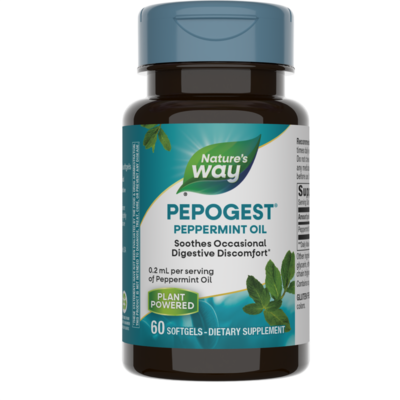
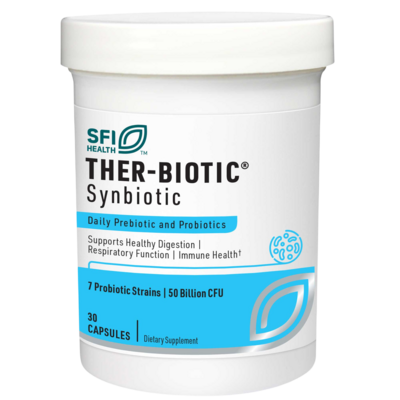
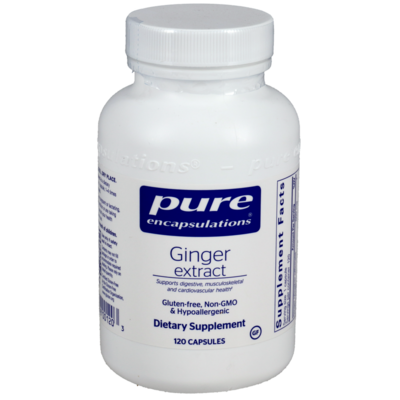 5 more items in Gastrointestinal Health – General Digestive Support
Overview Dysfunctional gastrointestinal processes vary widely. Chronic abdominal pain with persistent or recurrent tendencies may be associated with abnormalities in bowel function and structure. The prevalence of gastrointestinal problems presenting in this way ranges anywhere from 5 to 20% of people being affected. ( 7 ) Depending on the symptoms presented, there are a variety of ways to help ameliorate symptoms. For example, antispasmodics such as peppermint oil can help with pain associated with digestive dysfunction. ( 11 ) Both probiotics and fiber contribute to improving stool consistency through the mechanism of creating a healthy microbiota, ( 9 )( 19 ) which can lend to easier passing as well as serving as an indicator for digestive health. Having integral intestinal permeability helps the body absorb nutrients and dispose of waste properly; the amino acid glutamine helps to improve this function and may contribute to better digestion. ( 17 )( 20 ) Based on current research findings, the ingredients in the protocol below have demonstrated efficacy in improving a variety of factors associated with gastrointestinal upset or digestive dysfunction. Peppermint oil 180 mg, three times per day, minimum four weeks ( 3 ) 42.4% of patients with IBS were pain-free after 8 weeks of supplementation with delayed-release peppermint oil, compared to 22.2% in placebo. The proportion of patients reporting persistent pain decreased from 42% to 15% in the peppermint oil group, whereas it increased from 33% to 52% in the placebo group ( 11 ) Peppermint oil supplementation ameliorated symptoms of IBS at 24 hours shown by a decrease in Total IBS Symptom Score (TISS) of 19.6%, compared to 10.3% in the placebo group; after 4 weeks, the decrease in TISS scores were 40% in the treatment group, compared to 24.3% in the placebo group ( 3 ) 75% of patients treated with enteric-coated peppermint oil capsules for four weeks experienced at least a 50% reduction in TISS scores compared to 38% in the placebo group ( 2 ) Soluble dietary fiber Ranges widely, from 4.1-40.0 g per day for 3-16 weeks ( 12 ) A systematic review of 22 studies with dose ranging 4.1-40.0 g/day for 3-16 weeks determined that soluble (but not insoluble) fiber supplementation resulted in a significant improvement in global assessment of symptoms (RR 1.49) as well as abdominal pain scores ( 12 ) In patients with tendency toward diarrhea (IBS-D), 5 g/day of soluble fiber of partially hydrolyzed guar gum improved and normalized bristol stool scale ratings after 3 months compared to placebo ( 19 ) After 10 g/day for 12 weeks, symptom severity improved by 90 points in psyllium group (RR 1.60), compared to 29 points in placebo and 58 points in bran groups, in patients with IBS aged 18 to 65; it is notable that the group receiving bran had a high dropout rate due to symptoms of IBS worsening ( 1 ) A systematic review of 14 studies involving 906 patients found that soluble fiber (but not insoluble fiber) significantly improved IBS symptoms (RR 0.86) ( 6 ) Probiotics 50 billion CFU, twice per day, minimum 12 weeks (15) or 25-50 billion CFU, one to three times per day (5) Note: Dosages vary widely across studies and product formulations; depending on the patient’s individual needs, we recommended referring to our Probiotics Guide Part 1 , which provides a detailed look at the various strains that benefit gastrointestinal conditions. A systematic review of 15 studies with 1793 patients found that probiotics reduced pain and symptom severity scores in patients with IBS; relative risk (RR) of general symptom improvement for 7 of the key trials was 2.14, in favor of probiotics over placebo (5) Another systematic review of 43 RCTs found that probiotics reduced the risk of persistent symptoms compared to placebo (RR 0.79); benefits were seen among global IBS, abdominal pain, bloating, and flatulence scores ( 6 ) A recent systematic review showed that 7/11 of the included studies reported improved IBS symptoms from probiotic supplementation compared to placebo; multi-strain probiotics with an intervention of 8 weeks or more were more likely to have a benefit ( 4 ) Female patients with IBS-D (diarrhea predominant IBS) and IBS-C (constipation predominant IBS) improved quality of life, stool frequency, and consistency when supplemented with 2 capsules per day of probiotics containing 50×10^9 CFU of live organisms of Lactobacillus acidophilus CL1285, Lactobacillus casei LBC80R, and Lactobacillus rhamnosus CLR2 for 12 weeks ( 15 ) Ginger 1200 mg, 1 hour before eating, as needed ( 8 )( 18 ) Patients with mild to moderate ulcerative colitis experienced a decreased severity of disease activity as well as in improvement in quality of life scores after 12 weeks of supplementation at 2000 mg/day, compared to placebo; malondialdehyde levels (but not total antioxidant capacity) also decreased at both 6 and 12 weeks ( 13 ) Digestion improved in two RCTs as shown by a faster gastric half-emptying time and increased antral contractions in treatment group (1200 mg/day ginger capsule) compared to placebo ( 8 )( 18 ) Patients with a history of motion sickness experienced a delayed onset of nausea after vection cessation as well as a decrease in tachygastria activity and vasopressin release ( 10 ) Glutamine 5 g, three times daily, for eight weeks ( 20 ) Intestinal hyperpermeability improved in burn victims given 0.5 g/kg/day for 14 days, compared to placebo ( 14 ) Acute glutamine administration at 0.25-0.9 g/kg fat-free mass 2 hours prior to running in a heat chamber has been shown to reduce GI permeability in a dose-dependent manner ( 16 ) Adults with IBS-D symptoms following a GI infection were given 5 g/t.i.d. Glutamine or placebo for 8 weeks; 79.6% of patients in the glutamine group experienced at least a 50 point reduction in IBSS scores, compared to 5.8% in the placebo group ( 20 ) References 1. Bijkerk, C. J., de Wit, N. J., Muris, J. W. M., Whorwell, P. J., Knottnerus, J. A., & Hoes, A. W. (2009). Soluble or insoluble fibre in irritable bowel syndrome in primary care? Randomised placebo controlled trial. BMJ , 339 , b3154. https://pubmed.ncbi.nlm.nih.gov/19713235/ 2. Cappello, G., Spezzaferro, M., Grossi, L., Manzoli, L., & Marzio, L. (2007). Peppermint oil (Mintoil) in the treatment of irritable bowel syndrome: a prospective double blind placebo-controlled randomized trial. Digestive and Liver Disease: Official Journal of the Italian Society of Gastroenterology and the Italian Association for the Study of the Liver , 39 (6), 530–536. https://pubmed.ncbi.nlm.nih.gov/17420159/ 3. Cash, B. D., Epstein, M. S., & Shah, S. M. (2016). A Novel Delivery System of Peppermint Oil Is an Effective Therapy for Irritable Bowel Syndrome Symptoms. Digestive Diseases and Sciences , 61 (2), 560–571. https://pubmed.ncbi.nlm.nih.gov/26319955/ 4. Dale, H. F., Rasmussen, S. H., Asiller, Ö. Ö., & Lied, G. A. (2019). Probiotics in Irritable Bowel Syndrome: An Up-to-Date Systematic Review. Nutrients , 11 (9). https://pubmed.ncbi.nlm.nih.gov/31480656/ 5. Didari, T., Mozaffari, S., Nikfar, S., & Abdollahi, M. (2015). Effectiveness of probiotics in irritable bowel syndrome: Updated systematic review with meta-analysis. World Journal of Gastroenterology: WJG , 21 (10), 3072–3084. 6. Ford, A. C., Quigley, E. M. M., Lacy, B. E., Lembo, A. J., Saito, Y. A., Schiller, L. R., Soffer, E. E., Spiegel, B. M. R., & Moayyedi, P. (2014). Efficacy of prebiotics, probiotics, and synbiotics in irritable bowel syndrome and chronic idiopathic constipation: systematic review and meta-analysis. The American Journal of Gastroenterology , 109 (10), 1547–1561; quiz 1546, 1562. https://pubmed.ncbi.nlm.nih.gov/25070054/ 7. Ford, A. C., & Vandvik, P. O. (2012). Irritable bowel syndrome. BMJ Clinical Evidence , 2012 . https://pubmed.ncbi.nlm.nih.gov/22296841/ 8. Hu, M.-L., Rayner, C. K., Wu, K.-L., Chuah, S.-K., Tai, W.-C., Chou, Y.-P., Chiu, Y.-C., Chiu, K.-W., & Hu, T.-H. (2011). Effect of ginger on gastric motility and symptoms of functional dyspepsia. World Journal of Gastroenterology: WJG , 17 (1), 105–110. https://pubmed.ncbi.nlm.nih.gov/21218090/ 9. Liang, D., Longgui, N., & Guoqiang, X. (2019). Efficacy of different probiotic protocols in irritable bowel syndrome: A network meta-analysis. Medicine , 98 (27), e16068. https://pubmed.ncbi.nlm.nih.gov/31277101/ 10. Lien, H.-C., Sun, W. M., Chen, Y.-H., Kim, H., Hasler, W., & Owyang, C. (2003). Effects of ginger on motion sickness and gastric slow-wave dysrhythmias induced by circular vection. American Journal of Physiology. Gastrointestinal and Liver Physiology , 284 (3), G481–G489. https://pubmed.ncbi.nlm.nih.gov/12576305/ 11. Merat, S., Khalili, S., Mostajabi, P., Ghorbani, A., Ansari, R., & Malekzadeh, R. (2010). The effect of enteric-coated, delayed-release peppermint oil on irritable bowel syndrome. Digestive Diseases and Sciences , 55 (5), 1385–1390. https://pubmed.ncbi.nlm.nih.gov/19507027/ 12. Nagarajan, N., Morden, A., Bischof, D., King, E. A., Kosztowski, M., Wick, E. C., & Stein, E. M. (2015). The role of fiber supplementation in the treatment of irritable bowel syndrome: a systematic review and meta-analysis. European Journal of Gastroenterology & Hepatology , 27 (9), 1002–1010. https://pubmed.ncbi.nlm.nih.gov/26148247/ 13. Nikkhah-Bodaghi, M., Maleki, I., Agah, S., & Hekmatdoost, A. (2019). Zingiber officinale and oxidative stress in patients with ulcerative colitis: A randomized, placebo-controlled, clinical trial. Complementary Therapies in Medicine , 43 , 1–6. https://pubmed.ncbi.nlm.nih.gov/30935515/ 14. Peng, X., Yan, H., You, Z., Wang, P., & Wang, S. (2004). Effects of enteral supplementation with glutamine granules on intestinal mucosal barrier function in severe burned patients. Burns: Journal of the International Society for Burn Injuries , 30 (2), 135–139. https://pubmed.ncbi.nlm.nih.gov/15019120/ 15. Preston, K., Krumian, R., Hattner, J., de Montigny, D., Stewart, M., & Gaddam, S. (2018). Lactobacillus acidophilus CL1285, Lactobacillus casei LBC80R and Lactobacillus rhamnosus CLR2 improve quality-of-life and IBS symptoms: a double-blind, randomised, placebo-controlled study. Beneficial Microbes , 9 (5), 697–706. https://pubmed.ncbi.nlm.nih.gov/29888656/ 16. Pugh, J. N., Sage, S., Hutson, M., Doran, D. A., Fleming, S. C., Highton, J., Morton, J. P., & Close, G. L. (2017). Glutamine supplementation reduces markers of intestinal permeability during running in the heat in a dose-dependent manner. European Journal of Applied Physiology , 117 (12), 2569–2577. https://pubmed.ncbi.nlm.nih.gov/29058112/ 17. Sevastiadou, S., Malamitsi-Puchner, A., Costalos, C., Skouroliakou, M., Briana, D. D., Antsaklis, A., & Roma-Giannikou, E. (2011). The impact of oral glutamine supplementation on the intestinal permeability and incidence of necrotizing enterocolitis/septicemia in premature neonates. The Journal of Maternal-Fetal & Neonatal Medicine: The Official Journal of the European Association of Perinatal Medicine, the Federation of Asia and Oceania Perinatal Societies, the International Society of Perinatal Obstetricians , 24 (10), 1294–1300. https://pubmed.ncbi.nlm.nih.gov/21463215/ 18. Wu, K.-L., Rayner, C. K., Chuah, S.-K., Changchien, C.-S., Lu, S.-N., Chiu, Y.-C., Chiu, K.-W., & Lee, C.-M. (2008). Effects of ginger on gastric emptying and motility in healthy humans. European Journal of Gastroenterology & Hepatology , 20 (5), 436–440. https://pubmed.ncbi.nlm.nih.gov/18403946/ 19. Yasukawa, Z., Inoue, R., Ozeki, M., Okubo, T., Takagi, T., Honda, A., & Naito, Y. (2019). Effect of Repeated Consumption of Partially Hydrolyzed Guar Gum on Fecal Characteristics and Gut Microbiota: A Randomized, Double-Blind, Placebo-Controlled, and Parallel-Group Clinical Trial. Nutrients , 11 (9). https://pubmed.ncbi.nlm.nih.gov/31509971/ 20. Zhou, Q., Verne, M. L., Fields, J. Z., Lefante, J. J., Basra, S., Salameh, H., & Verne, G. N. (2019). Randomised placebo-controlled trial of dietary glutamine supplements for postinfectious irritable bowel syndrome. Gut , 68 (6), 996–1002. https://pubmed.ncbi.nlm.nih.gov/30108163/
Neurological Health - General Sleep Support
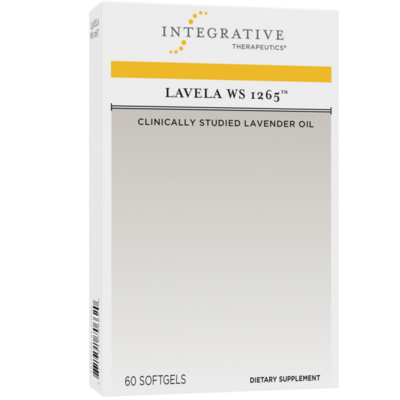
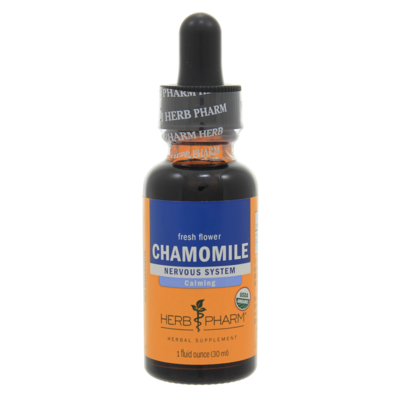
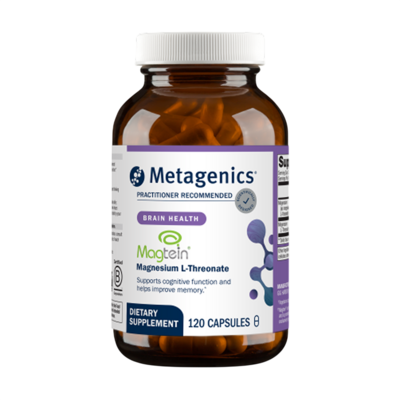 3 more items in Neurological Health - General Sleep Support
Overview Sleep is essential for good health, yet it is reported that up to 30% of people experience difficulties with falling or staying asleep. ( 24 ) One study found the number of people suffering from various sleep disorders has also been on the rise. From the year 2013 to 2016, increases were seen in the prevalence of narcolepsy by 14%, idiopathic hypersomnia by 32%, periodic limb movement disorder by 30%, and rapid eye movement sleep behavior disorder by 64%. ( 2 ) Sleep disorders can occur as a secondary disease from other disorders or they can be considered the primary disease affecting a patient. A meta-analysis found that patients with anxiety, eating disorders, pervasive developmental, borderline, and antisocial disorders, and schizophrenia all experienced some sort of alteration to sleep. None of the conditions studied had similar polysomnographic profiles, suggesting each condition may have different underlying mechanisms. ( 6 ) Depending on the factors associated with disturbed sleep, a variety of therapies may be used. Interventions such as sedatives or anxiolytic pharmaceuticals are available; however, the American Academy of Sleep Medicine endorses the use of melatonin, light therapy, and behavioral interventions as the primary treatments. ( 4 ) The protocol presented below represents research findings to aid in achieving and maintaining good sleep. Melatonin 2.5 to 3 mg, total per day (at bedtime), minimum three weeks ( 9 ) ( 20 ) All patients with delayed sleep-wake phase disorder (DSWPD) received behavioral sleep-wake scheduling and then split into groups for a 0.5 mg dose of fast-release melatonin or placebo, melatonin decreased patient reported outcomes measurement information system (PROMIS) sleep disturbance, insomnia severity, functional disability, and sleep onset latency by 34 minutes compared to placebo; additionally 52.8% of patients in the treatment group had a more than minimal clinician-rated improvement compared to 24% of placebo, suggesting that while behavioral sleep-wake scheduling scheduling combining with melatonin is much more effective ( 22 ) A meta-analysis of 12 studies found melatonin efficacious in delaying sleep phase syndrome, and decreasing sleep onset latency in primary insomnia; additionally melatonin was able to regulate sleep-wake patterns in blind patients ( 5 ) Pooled data from a meta-analysis and systematic review of 7 studies to be effective for management of secondary sleep disorders as demonstrated by the ability of melatonin to lower sleep onset latency and increase total sleep time ( 14 ) Patients with insomnia improved quality of sleep, as well as night before and morning alertness when given 2 mg of prolonged-release melatonin compared to placebo ( 12 ) Valerian 1060 mg, total per day, minimum 4 weeks ( 23 ) Postmenopausal women demonstrated improved quality of sleep in 30% of the intervention group compared to 4% in the palcebo ( 23 ) Primary insomnia patients previously treated with nightly benzodiazepines were given valerian or placebo for 15 days, treatment decreased wake time after sleep onset (WASO), increased sleep latency and alpha count in slow wave sleep, and improved subjective sleep quality after benzodiazepine withdrawal compared to placebo ( 19 ) In a systematic review and meta-analysis, 6 studies found valerian to have significant benefits to improve sleep quality without side effects at a range of dosing ( 7 ) Patients with psychophysiological insomnia demonstrated decreased slow wave sleep latency of 21.3 compared to 13.5 minutes in placebo; additionally, there was a low number of adverse effects compared to placebo ( 10 ) Lavender 80 mg Silexan™ daily for a minimum of 10 weeks ( 21 ) or diffused at bedtime ( 13 )( 17 ) A systematic review of 11 randomized controlled trials found that inhaled lavender essential oil had a positive effect on sleep for people with mild sleep disturbances ( 15 ) When given Silexan™ once daily for 10 weeks, sleep and anxiety improved as shown by a decrease in total scores for hamilton anxiety scale (HAM-A) and Pittsburgh sleep quality index (PSQI), demonstrating the anxiolytic action of Silexan™ rather than sedative ( 21 ) Patients with insomnia who diffused lavender before bedtime experienced decreased PSQI by 2.5 points compared to an almond oil control group; notably a more pronounced improvement in women and younger volunteers with milder insomnia ( 13 ) Patients hospitalized in the ICU experienced increased overall sleep score (48.25 in treatment group, 40.10 in control) and experienced a significantly lower blood pressure between 12 am and 4 am compared to control when 3 mL of pure lavender oil was provided at bedside from 10 pm to 6 am ( 17 ) 55 μl of lavender essential oil patch placed on the chest at night was effective for improving sleep quality and increasing feelings of refreshment upon awakening in college students with self-reported sleep problems ( 16 ) Chamomile 200 mg twice per day for a minimum of 28 days ( 3 ) or as a tea for a minimum of 2 weeks ( 8 ) Sleep quality improved when elderly people aged 60 or older in day care nursing homes were given 200 mg twice per day compared to control ( 3 ) Postnatal women with poor sleep quality improved physical symptoms related to sleep inefficiency and symptoms of depression when given chamomile tea for 2 weeks compared to control ( 8 ) A systematic review and meta-analysis of 12 randomized controlled trials found chamomile to be effective in improving sleep quality and generalized anxiety disorder ( 11 ) Magnesium 320 mg, total per day of magnesium citrate, minimum 7 weeks Improved Pittsburg sleep quality index (PSQI) score, which includes improvements in sleep quality, sleep onset latency, sleep duration, sleep disturbance, daytime dysfunction, and hypnotic drug scores in adults with poor sleep quality; additionally participants who had a baseline value more than 3.0 mg/L of CRP experienced a decrease ( 18 ) In addition to decreasing insomnia severity index (ISI) score, sleep onset latency and serum cortisol concentration, magnesium reduced early morning awakenings in elderly participants ( 1 ) References Abbasi, B., Kimiagar, M., Sadeghniiat, K., Shirazi, M. M., Hedayati, M., & Rashidkhani, B. (2012). The effect of magnesium supplementation on primary insomnia in elderly: A double-blind placebo-controlled clinical trial. Journal of Research in Medical Sciences: The Official Journal of Isfahan University of Medical Sciences , 17 (12), 1161–1169. https://pubmed.ncbi.nlm.nih.gov/23853635/ Acquavella, J., Mehra, R., Bron, M., -H. Suomi, J. M., & Hess, G. P. (2020). Prevalence of narcolepsy and other sleep disorders and frequency of diagnostic tests from 2013–2016 in insured patients actively seeking care. Journal of Clinical Sleep Medicine: JCSM: Official Publication of the American Academy of Sleep Medicine . https://jcsm.aasm.org/doi/abs/10.5664/jcsm.8482 Adib-Hajbaghery, M., & Mousavi, S. N. (2017). The effects of chamomile extract on sleep quality among elderly people: A clinical trial. Complementary Therapies in Medicine , 35 , 109–114. https://pubmed.ncbi.nlm.nih.gov/29154054/ Auger, R. R., Burgess, H. J., Emens, J. S., Deriy, L. V., Thomas, S. M., & Sharkey, K. M. (2015). Clinical Practice Guideline for the Treatment of Intrinsic Circadian Rhythm Sleep-Wake Disorders: Advanced Sleep-Wake Phase Disorder (ASWPD), Delayed Sleep-Wake Phase Disorder (DSWPD), Non-24-Hour Sleep-Wake Rhythm Disorder (N24SWD), and Irregular Sleep-Wake Rhythm Disorder (ISWRD). An Update for 2015: An American Academy of Sleep Medicine Clinical Practice Guideline. Journal of Clinical Sleep Medicine: JCSM: Official Publication of the American Academy of Sleep Medicine , 11 (10), 1199–1236. https://pubmed.ncbi.nlm.nih.gov/26414986/ Auld, F., Maschauer, E. L., Morrison, I., Skene, D. J., & Riha, R. L. (2017). Evidence for the efficacy of melatonin in the treatment of primary adult sleep disorders. Sleep Medicine Reviews , 34 , 10–22. https://pubmed.ncbi.nlm.nih.gov/28648359/ Baglioni, C., Nanovska, S., Regen, W., Spiegelhalder, K., Feige, B., Nissen, C., Reynolds, C. F., & Riemann, D. (2016). Sleep and mental disorders: A meta-analysis of polysomnographic research. Psychological Bulletin , 142 (9), 969–990. https://pubmed.ncbi.nlm.nih.gov/27416139/ Bent, S., Padula, A., Moore, D., Patterson, M., & Mehling, W. (2006). Valerian for sleep: a systematic review and meta-analysis. The American Journal of Medicine , 119 (12), 1005–1012. https://pubmed.ncbi.nlm.nih.gov/17145239/ Chang, S.-M., & Chen, C.-H. (2016). Effects of an intervention with drinking chamomile tea on sleep quality and depression in sleep disturbed postnatal women: a randomized controlled trial. Journal of Advanced Nursing , 72 (2), 306–315. https://pubmed.ncbi.nlm.nih.gov/26483209/ Chen, W. Y., Giobbie-Hurder, A., Gantman, K., Savoie, J., Scheib, R., Parker, L. M., & Schernhammer, E. S. (2014). A randomized, placebo-controlled trial of melatonin on breast cancer survivors: impact on sleep, mood, and hot flashes. Breast Cancer Research and Treatment , 145 (2), 381–388. https://pubmed.ncbi.nlm.nih.gov/24718775/ Donath, F., Quispe, S., Diefenbach, K., Maurer, A., Fietze, I., & Roots, I. (2000). Critical evaluation of the effect of valerian extract on sleep structure and sleep quality. Pharmacopsychiatry , 33 (2), 47–53. https://pubmed.ncbi.nlm.nih.gov/10761819/ Hieu, T. H., Dibas, M., Surya Dila, K. A., Sherif, N. A., Hashmi, M. U., Mahmoud, M., Trang, N. T. T., Abdullah, L., Nghia, T. L. B., Y, M. N., Hirayama, K., & Huy, N. T. (2019). Therapeutic efficacy and safety of chamomile for state anxiety, generalized anxiety disorder, insomnia, and sleep quality: A systematic review and meta-analysis of randomized trials and quasi-randomized trials. Phytotherapy Research: PTR , 33 (6), 1604–1615. https://pubmed.ncbi.nlm.nih.gov/31006899/ Lemoine, P., Nir, T., Laudon, M., & Zisapel, N. (2007). Prolonged-release melatonin improves sleep quality and morning alertness in insomnia patients aged 55 years and older and has no withdrawal effects. Journal of Sleep Research , 16 (4), 372–380. https://pubmed.ncbi.nlm.nih.gov/18036082/ Lewith, G. T., Godfrey, A. D., & Prescott, P. (2005). A single-blinded, randomized pilot study evaluating the aroma of Lavandula augustifolia as a treatment for mild insomnia. Journal of Alternative and Complementary Medicine , 11 (4), 631–637. https://pubmed.ncbi.nlm.nih.gov/16131287/ Li, T., Jiang, S., Han, M., Yang, Z., Lv, J., Deng, C., Reiter, R. J., & Yang, Y. (2019). Exogenous melatonin as a treatment for secondary sleep disorders: A systematic review and meta-analysis. Frontiers in Neuroendocrinology , 52 , 22–28. https://pubmed.ncbi.nlm.nih.gov/29908879/ Lillehei, A. S., & Halcon, L. L. (2014). A systematic review of the effect of inhaled essential oils on sleep. Journal of Alternative and Complementary Medicine , 20 (6), 441–451. https://pubmed.ncbi.nlm.nih.gov/24720812/ Lillehei, A. S., Halcón, L. L., Savik, K., & Reis, R. (2015). Effect of Inhaled Lavender and Sleep Hygiene on Self-Reported Sleep Issues: A Randomized Controlled Trial. Journal of Alternative and Complementary Medicine , 21 (7), 430–438. https://pubmed.ncbi.nlm.nih.gov/26133206/ Lytle, J., Mwatha, C., & Davis, K. K. (2014). Effect of lavender aromatherapy on vital signs and perceived quality of sleep in the intermediate care unit: a pilot study. American Journal of Critical Care: An Official Publication, American Association of Critical-Care Nurses , 23 (1), 24–29. https://pubmed.ncbi.nlm.nih.gov/24382614/ Nielsen, F. H., Johnson, L. K., & Zeng, H. (2010). Magnesium supplementation improves indicators of low magnesium status and inflammatory stress in adults older than 51 years with poor quality sleep. Magnesium Research: Official Organ of the International Society for the Development of Research on Magnesium , 23 (4), 158–168. https://pubmed.ncbi.nlm.nih.gov/21199787/ Poyares, D. R., Guilleminault, C., Ohayon, M. M., & Tufik, S. (2002). Can valerian improve the sleep of insomniacs after benzodiazepine withdrawal? Progress in Neuro-Psychopharmacology & Biological Psychiatry , 26 (3), 539–545. https://pubmed.ncbi.nlm.nih.gov/11999905/ Scheer, F. A. J. L., Morris, C. J., Garcia, J. I., Smales, C., Kelly, E. E., Marks, J., Malhotra, A., & Shea, S. A. (2012). Repeated melatonin supplementation improves sleep in hypertensive patients treated with beta-blockers: a randomized controlled trial. Sleep , 35 (10), 1395–1402. https://pubmed.ncbi.nlm.nih.gov/23024438/ Seifritz, E., Schläfke, S., & Holsboer-Trachsler, E. (2019). Beneficial effects of Silexan on sleep are mediated by its anxiolytic effect. Journal of Psychiatric Research , 115 , 69–74. https://pubmed.ncbi.nlm.nih.gov/31121394/ Sletten, T. L., Magee, M., Murray, J. M., Gordon, C. J., Lovato, N., Kennaway, D. J., Gwini, S. M., Bartlett, D. J., Lockley, S. W., Lack, L. C., Grunstein, R. R., Rajaratnam, S. M. W., & Delayed Sleep on Melatonin (DelSoM) Study Group. (2018). Efficacy of melatonin with behavioural sleep-wake scheduling for delayed sleep-wake phase disorder: A double-blind, randomised clinical trial. PLoS Medicine , 15 (6), e1002587. https://pubmed.ncbi.nlm.nih.gov/29912983/ Taavoni, S., Ekbatani, N., Kashaniyan, M., & Haghani, H. (2011). Effect of valerian on sleep quality in postmenopausal women: a randomized placebo-controlled clinical trial. Menopause , 18 (9), 951–955. https://pubmed.ncbi.nlm.nih.gov/21775910/ Yazdi, Z., Sadeghniiat-Haghighi, K., Loukzadeh, Z., Elmizadeh, K., & Abbasi, M. (2014). Prevalence of Sleep Disorders and Their Impacts on Occupational Performance: A Comparison between Shift Workers and Nonshift Workers. Sleep Disorders , 2014 , 870320. https://pubmed.ncbi.nlm.nih.gov/24977041/
Featured product collections
Discover groups of products curated by the Barefoot Physician.
Allergy Relief
5 products
Shop your provider's products, held to a higher standard
Shop practitioner-grade products, each meeting the same bar for quality through Fullscript's standards.
Powered byVerified
Sourced straight from the brand — no resellers or fakes
Enhanced testing
Select products are tested in-house — get exactly what the label promises
Stored and shipped
From certified facilities, to protect product integrity