Brain Health Basics
Products

Dosage instructions
once per day
For Brain support
Additional notes
"Eat 1–2 nuts a day, and no more. Just a couple a day covers your selenium, a mineral that supports antioxidant defenses, thyroid health, and the brain. Selenium is one nutrient where more isn’t better, so stick to 1–2 a day."
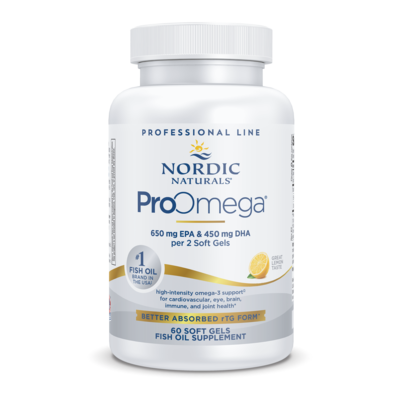
Dosage instructions
- Dosage amount:
2.00 Softgels
once per day
Take with food
Additional notes
"Take 1 softgel with breakfast and 1 with dinner. A high-quality fish oil with the omega-3s EPA and DHA, which are building blocks for brain cells and support memory, mood, and heart health. Splitting the dose helps with absorption and keeps any fishy aftertaste away. If you take a blood thinner or have surgery coming up, check with your doctor first."
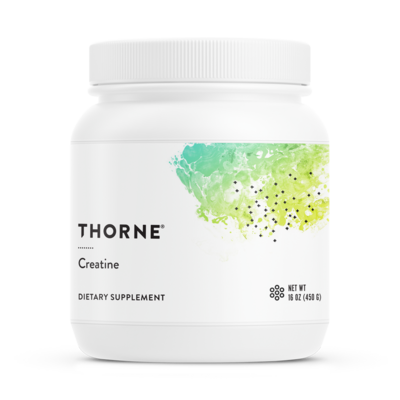
Dosage instructions
- Dosage amount:
1.00 Scoop
once per day
Additional notes
"1-2 scoops per day (5-10 g) - start slowly to avoid GI upset. Supports muscle strength and helps protect lean mass alongside strength training. There’s also growing research on creatine for brain health and cognition, especially as we age."
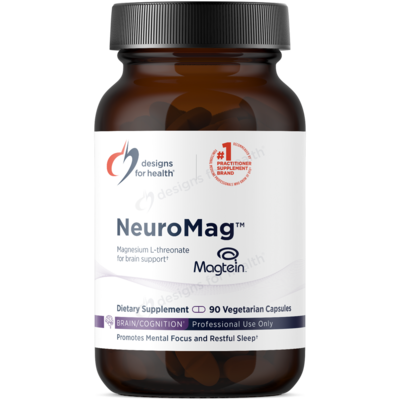
Dosage instructions
- Dosage amount:
3.00 Capsules
once per day
Additional notes
"Take 3 capsules daily, or split morning and evening. A form of magnesium studied for its ability to reach the brain, supporting focus, memory, and healthy aging. Research is still early, but it’s my morning pick. If you have kidney disease, check with your doctor first."
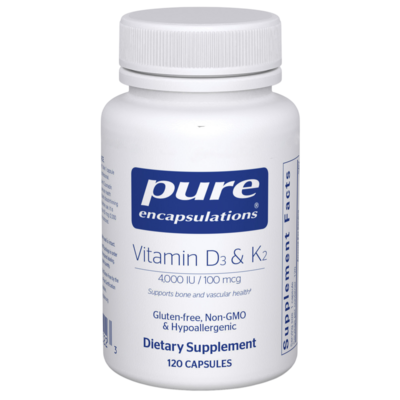
Dosage instructions
- Dosage amount:
1 Capsule
morning
Ongoing
Additional notes
"Start by checking your vitamin D levels with a simple blood draw with your doctor. Take 1 capsule daily with a meal that contains some fat, preferably in the morning. Vitamin D supports brain, mood, bone, and immune health, and K2 helps direct calcium to your bones. If you take a blood thinner or have a history of blood clots, check with your doctor before taking vitamin K2."

Dosage instructions
- Dosage amount:
1 Capsule
morning
Take with food
Ongoing
Additional notes
"Take 1 capsule (250 mg) daily, or up to 2 capsules, ideally in the morning. Citicoline is a well-absorbed form of choline your brain uses to make acetylcholine, a messenger important for memory and focus. It has studies supporting memory in healthy older adults. Food comes first, though, so eggs are still your best everyday source."
Lifestyle recommendations
Movement
Nutrition
Eat the Mediterranean way: leafy greens most days, berries several times a week, fatty fish like salmon or sardines twice a week, plus olive oil, nuts, and beans. Get enough protein at every meal, and keep alcohol and ultra-processed foods to a minimum, as they negatively impact both sleep and the brain.Movement
Combine strength training 2–3 times a week with brisk walks outdoors or other cardio most days. Movement boosts blood flow to the brain, and building muscle supports overall healthy aging. Fifteen minutes counts.Sleep
Aim for 7–9 hours with a consistent bedtime. Deep sleep is when your brain does its overnight cleanup, so protecting your sleep is one of the best things you can do for your memory and focus.Stress Management
Make time for things that calm your nervous system, like walks outside, deep breathing, or time with people you love. Chronic stress takes a toll on the brain, and small daily resets add up.Brain-Boosting Habits
Stay socially connected, keep learning new things (a language, an instrument, a new recipe), and get your hearing and vision checked. Untreated hearing loss is one of the most significant modifiable risk factors for cognitive decline.
Shop the entire wellness catalog, held to a higher standard
Shop practitioner-grade products, each meeting the same bar for quality through Fullscript's standards.
Powered byVerified
Sourced straight from the brand — no resellers or fakes
Enhanced testing
Select products are tested in-house — get exactly what the label promises
Stored and shipped
From certified facilities, to protect product integrity