Public protocols
Binford Ventures LLC's general recommendations, available to anyone who visits this store.
Dr. Tyler's Current Supplements
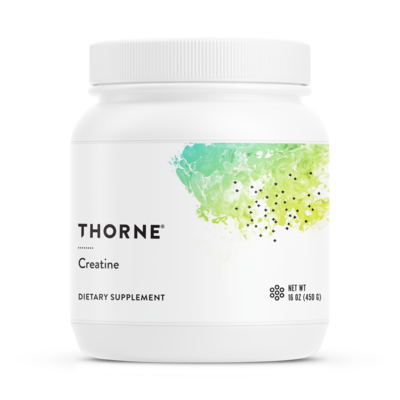
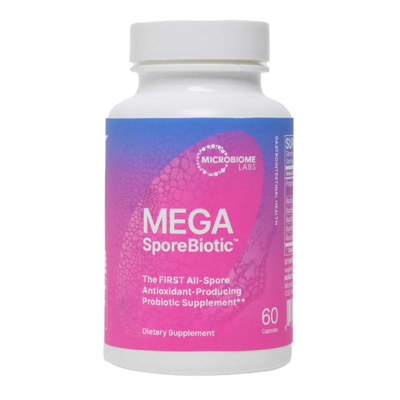
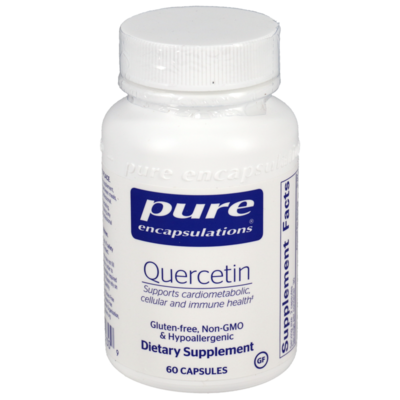 5 more items in Dr. Tyler's Current Supplements
I get so many questions about supplements, and which products and brands I personally use (and trust) that I created an outline of my foundational supplements. While my specific dietary needs may different than yours, many of these supplements support foundational physiological processes that aid in health/wellbeing. This includes: -Micronutrient support -Antioxidant support -Detoxification support -Digestive/gut support -Sleep support -Energy/metabolism support -Immune support -Cognitive support When it comes to supplements, you really get what you pay for. The supplement industry, which is not regulated by the Food and Drug Administration (FDA) in the United States, is a grey market. To ensure you are getting exactly what is on the label, go with a trusted professional brand that is third-party tested, uses good manufacturing practices (GMP), and takes extra measures to ensure authenticity and high-quality products. Remember, while supplementation can be beneficial, you cannot supplement your way out of an unhealthy diet/lifestyle. Further, supplements are not a substitution for an otherwise unhealthy diet. Supplements support the body by filling in the gaps where adequate nutrition is subpar.
Sleep Support
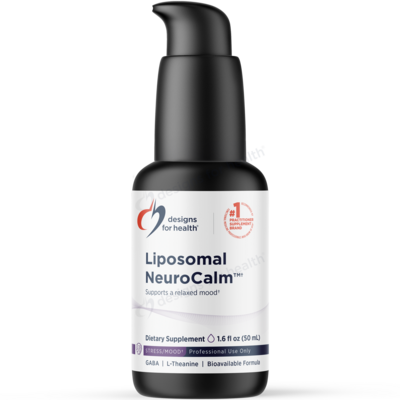
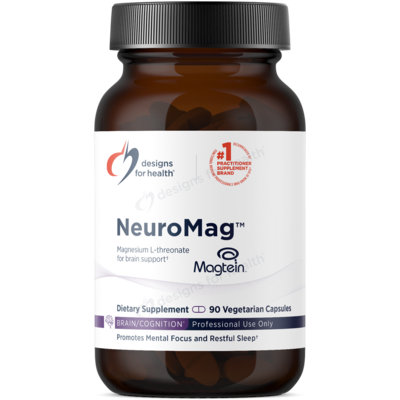
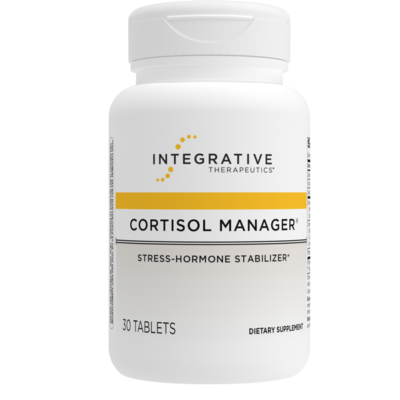
Sleep is a fundamental physiological process that is crucial for our overall well-being, restoration, and healing. Despite its importance, a significant number of adults, around 35%, don't achieve the recommended 7-9 hours of sleep nightly. Lack of adequate sleep has been robustly linked to numerous health challenges including Alzheimer’s, anxiety, depression, cardiovascular diseases, and even a shortened lifespan. During sleep, our bodies go through cycles of Non-Rapid Eye Movement (NREM) and Rapid Eye Movement (REM) sleep. NREM, occurring predominantly in the early part of our sleep, is subdivided into stages, culminating in deep sleep which is essential for memory retention, brain detoxification, and physical restoration. This is the period when our bodies undergo maximum protein synthesis, muscle repair, and when pivotal hormones like testosterone and growth hormones are secreted. REM sleep, mostly taking place in the latter part of our sleep cycle, is integral for brain maturation, memory consolidation, and emotional processing. This is vividly illustrated in instances like PTSD, where affected individuals often struggle to attain sufficient REM sleep. Both NREM and REM are instrumental for health, with neither being superior. What’s paramount is the ‘sleep efficiency’ or the quality of sleep that one gets, as it is a more reliable indicator compared to the subjective duration of sleep. Adults should aim for a minimum of 7 hours of sleep, tailoring the exact duration based on individual needs and requirements, to ensure holistic health and well-being. When it comes to supplements to enhance sleep quality and duration, there are several that have been shown to be effective. Magnesium, an often overlooked mineral, is pivotal in numerous physiological processes including supporting cardiovascular health, and promoting a calm nervous system. Due to its relaxing properties and the ability to maintain healthy blood pressure levels, magnesium supplementation can be a beneficial ally in improving sleep. Utilizing forms like magnesium glycinate or threonate, which crosses the blood-brain barrier, in dosages ranging from 300-500 mg nightly, is often recommended. GABA, is a naturally occurring inhibitory neurotransmitter, which acts as a calming agent that helps maintain sleep continuity and quality. Nervine herbs such as kava, skullcap, passion flower, chamomile, and valerian all exert calming anxiolytic properties. Magnolia Officinalis and Ashwagandha stand out for their stress-combatting and sleep-promoting properties. These adaptogenic herbs aid in fine-tuning the body's response to stress, promoting relaxation and enhancing mental clarity, contributing to a restful and rejuvenating sleep experience. NuLeaf Naturals CBD oil - CBD oil has garnered significant attention recently due to its potent anti-inflammatory and analgesic properties. Derived from the Cannabis sativa plant, CBD is a non-psychoactive compound that interacts with the body's endocannabinoid system to modulate various physiological processes, promoting healing and homeostasis. For this reason, CBD oil has become a powerful ally in pain management, helping to alleviate chronic pain, muscle soreness, and joint stiffness by reducing inflammatory responses and interacting with neurotransmitters involved in pain perception. Additionally, CBD oil may enhance the quality of sleep and reduce anxiety and stress levels, which can indirectly contribute to pain relief and improved overall well-being. Start with 8-10 drops orally and hold under the tongue for 30 seconds before swallowing. Increase to 15-20 drops if necessary to desired effect. While there is no true established upper limit to CBD, I would not exceed 33 drops (100 mg) at one time. It’s best to use the minimum effective dose. Grogginess is often a side effect due to excessive dosing. If you’re waking up feeling excessively groggy, consider going down in dose until morning grogginess is alleviated. ***Affiliate code functionalfoods20 saves you 20%.
Immune Support
 6 more items in Immune Support
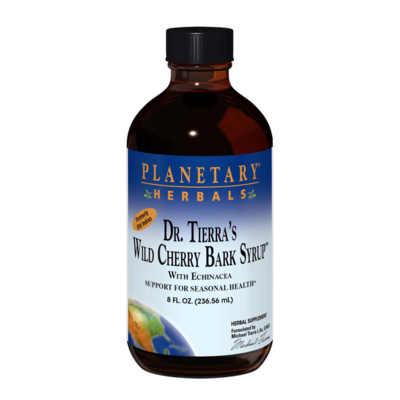
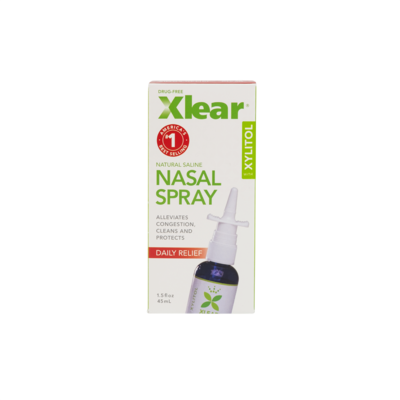
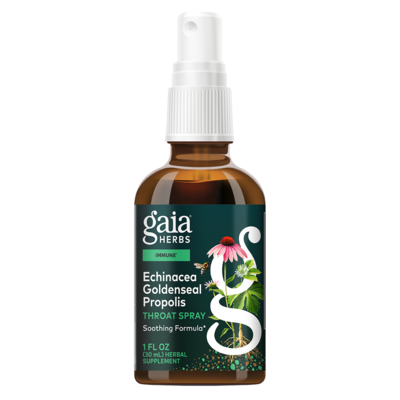
Your immune system is constantly working hard to defend against daily exposures. While sleep, stress management, and a nutrient-dense diet form the foundation, targeted supplementation can offer added support. My Immune Protocol includes the natural products I keep in my own medicine cabinet to help maintain year-round immunity. Our immune system is a coordinated network of cells, proteins, and signaling molecules designed to identify and neutralize bacteria, viruses, and other pathogens. It relies on both the rapid “innate” response and the more specialized “adaptive” response, which creates long-term memory to improve how we respond to future threats. A key feature of this system is its precision—recognizing what belongs to the body and what doesn’t. Innate immune cells like macrophages and neutrophils handle immediate defense, while adaptive cells build antibodies and refine the response over time. Nutrition directly influences how well this system functions. Adequate protein, omega-3 fatty acids, vitamins, and minerals support immune activation, inflammation resolution, antibody production, and antioxidant defenses. When omega-3 intake is low, the body has a harder time turning off inflammation after an infection, which can delay recovery. Vitamins and minerals such as A, D, C, zinc, and selenium play central roles in immune regulation. Vitamins A and D support antibody production and T-cell regulation. Selenium strengthens antioxidant capacity. Zinc supports wound healing and antiviral defense. Vitamin C and quercetin help reduce oxidative stress and inflammatory mediators during illness. L-glutamine is another critical nutrient for immunity. It serves as the primary fuel source for rapidly dividing immune cells—especially lymphocytes and macrophages—and helps maintain the integrity of the gut barrier, which houses nearly 70% of the immune system. During stress or infection, glutamine demand increases significantly, making adequate intake essential for a strong immune response. Herbal support such as elderberry, echinacea, and astragalus can further enhance immune activity, while fermented and prebiotic foods strengthen the gut microbiome and support immunoglobulin production.
Gastrointestinal Health
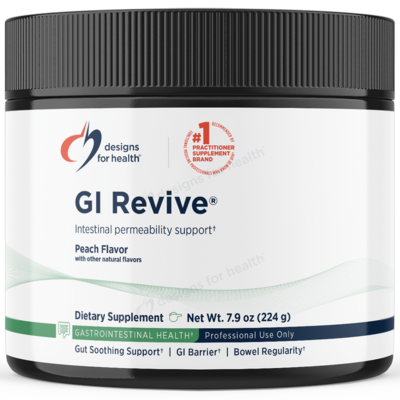
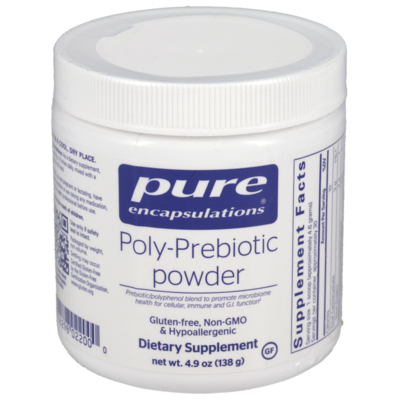
Gut health is fundamental to our overall wellness, with the gastrointestinal (GI) tract playing a crucial role in nutrient absorption and immune function. The lining of the small intestine facilitates the assimilation of nutrients while acting as a barrier against harmful substances. The integrity of this barrier is vital; its breakdown, known as "intestinal permeability" or "leaky gut," can lead to various health issues, including eczema, food allergies/sensitivities, autoimmune disease, and liver disease. Healing and maintaining gut health necessitate a multifaceted approach, emphasizing the removal of harmful factors and the inclusion of beneficial nutrients and supplements. Prebiotics and probiotics are cornerstone elements in this healing process. Prebiotics, found in fibrous foods like fruits, vegetables, and legumes, serve as nourishment for beneficial gut bacteria. Probiotics, live microorganisms found in fermented foods and supplements, help restore and maintain a healthy gut microbiota balance. They work in tandem to enhance the gut's barrier function, reduce inflammation, and support immune health. Nutraceuticals like L-glutamine, zinc carnosine, and omega-3 fatty acids offer additional support for repairing the intestinal lining. L-glutamine, an amino acid, serves as a key nutrient for enterocytes, promoting the regeneration of the gut barrier. Zinc carnosine has been shown to bolster the gut's mucosal defense, aiding in the healing of ulcerations. Omega-3 fatty acids, known for their anti-inflammatory properties, further contribute to reducing gut inflammation. Addressing gut health also involves dietary adjustments to eliminate offending factors such as food sensitivities, artificial sweeteners, and certain medications such as non-steroidal anti-inflammatory (NSAIDs) drugs that may compromise the gut lining. Integrating mindful eating practices, reducing stress, and avoiding excessive alcohol and antibiotic use are essential steps in fostering a conducive environment for gut healing.
Stress Support
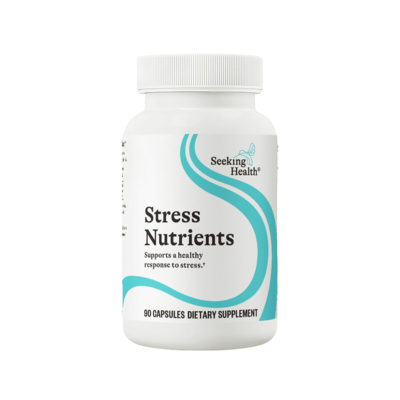
Chronic activation of the stress response can disrupt various physiological processes, including immune function, hormonal balance, blood sugar regulation, and cardiovascular health. This disruption predisposes individuals to a host of chronic conditions, from heart disease and diabetes to autoimmune disorders and mental health issues. Stress triggers the hypothalamic-pituitary-adrenal (HPA) axis, leading to a cascade of hormonal releases that culminate in the secretion of cortisol, a hormone crucial for the stress response and maintaining homeostasis. Cortisol mobilizes blood sugar to prepare the body for a fight-or-flight response, influences immune function, and regulates inflammation. However, chronic stress can lead to dysregulation of this system, resulting in adverse health effects such as weight gain, high blood pressure, and cognitive impairments. Supporting the adrenal glands, responsible for cortisol production, is essential for managing stress. Adaptogens, herbs that help the body adapt to stress, can modulate cortisol levels, providing a higher threshold for stress tolerance. Nutrients like magnesium, vitamin C, and B vitamins are pivotal in the synthesis and regulation of cortisol and other stress-related hormones. Consuming foods rich in these nutrients or supplementing can aid in stress management. Additionally, lifestyle practices like regular physical activity, sufficient sleep, and mindfulness techniques can bolster resilience against stress. Functional mushrooms also offer further support for the adrenal glands, enhancing the body's ability to cope with stress.
Inflammation Support
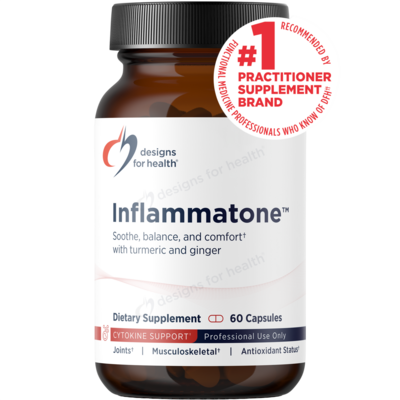
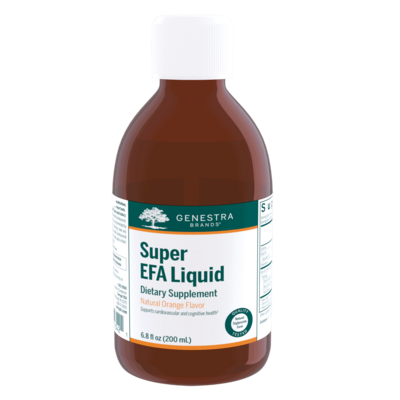
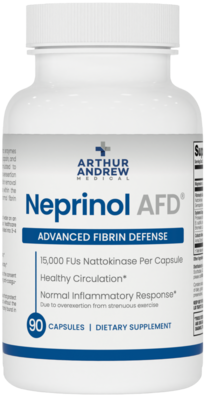
When we think of inflammation , we might often think of pain, swelling, and heat. But inflammation is a much more complex biological reaction. Inflammation is an adaptive response to injury that is orchestrated by the immune system. Its job is to help initiate repair of tissue after an environmental or physical insult. When something goes wrong in your body, like an injury or infection, it makes special molecules called reactive oxygen species (ROS). Think of them as a flare signal telling the body it needs to respond. These ROS molecules then wake up something called NF-kB , a kind of emergency response team inside your cells. NF-kB moves to the cell's control center (the nucleus) to start its work. Once NF-kB reaches the nucleus, it's like hitting the alarm button. It starts the production of cytokines (IL-1B, IL-6, and TNF-a) , which are like messengers that tell the body to bring on the inflammation. At the same time, the body also starts making eicosanoids. These eicosanoids (PGs, COXs, and LOXs) are like local managers in the inflammation process, helping to handle the situation. This process of acute inflammation is crucial in the body's response to damage and plays a key role in the resolution of inflammation, typically in 3-10 days. However, most people never get the job done. The problem becomes chronic, and the body keeps sending an inflammatory response. This adaptive response that usually leads to healing, becomes maladaptive as acute inflammatory mechanisms fail to eliminate tissue injury. Now, chronic inflammation sets in. Chronic inflammation is a BIG PROBLEM. It can wreak havoc on your physical health and well-being. In fact, chronic inflammation is the main driver of many common medical conditions such as arthritis, asthma, cardiovascular disease, endometriosis, Alzheimer's, autoimmune disorders, cancer, diabetes, and even mental illness. There are several natural products that have potent anti-inflammatory benefits and work by targeting the emergency response team (NF-kB), the messengers (cytokines), or the local managers (eicosanoids) to calm down the inflammation. Turmeric , particularly its active ingredient curcumin , is one of the most well studied and potent anti-inflammatory compounds. Used in Eastern cultures for ages, it's applied to inflamed areas like joints, bites, and bruises, and when ingested, it blocks key inflammatory pathways. It's often paired with black pepper to improve its effectiveness, but caution is advised during pregnancy or with bile duct issues. Ginger , with its gingerols, combats inflammation, stomach upset, and migraines. It's effective in easing arthritis, muscle, and joint pain, and helps with digestive problems and menstrual pain due to its anti-inflammatory properties. Fibrinolytic enzymes , including papain from papaya, bromelain from pineapple, and nattokinase from fermented soybeans, offer significant anti-inflammatory benefits. They break down proteins at inflammation sites, aiding in healing and are especially helpful in conditions like osteoarthritis and post-injury recovery. Omega-3 fatty acids , especially eicosapentaenoic acid (EPA) , play a vital role in resolving inflammation. They produce compounds that help end the inflammatory response, making them essential for managing conditions like arthritis, cardiovascular diseases, and autoimmune disorders. Omega-3s are typically obtained from oily fish or supplements. NuLeaf Naturals CBD oil - Start with 8-10 drops orally and hold under the tongue for 30 seconds before swallowing. Increase to 15-20 drops if necessary to desired effect. While there is no true established upper limit to CBD, I would not exceed 33 drops (100 mg) at one time. It’s best to use the minimum effective dose. Grogginess is often a side effect due to excessive dosing. If you’re feeling excessively groggy, consider going down in dose until grogginess is alleviated. You can alternatively apply 10-15 drops of CBD oil topically to the affected area such as your knee or shoulder. Do not apply directly to an open wound or lesion. ***Affiliate code functionalfoods20 saves you 20%.
Dr. Tyler's Current Supplements
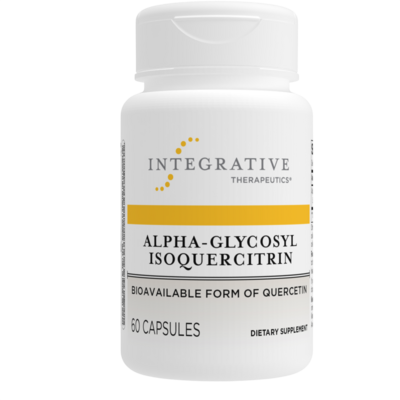
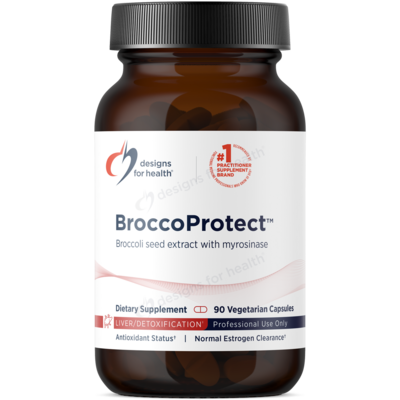 14 more items in Dr. Tyler's Current Supplements
I get so many questions about supplements, and which products and brands I personally use (and trust) that I created this protocol. While my specific dietary needs may different than yours, many of these supplements support foundational physiological processes that aid in health/wellbeing. This includes: -Micronutrient support -Antioxidant support -Detoxification support -Digestive/gut support -Sleep support -Energy/metabolism support -Immune support -Cognitive support When it comes to supplements, you really get what you pay for. The supplement industry, which is not regulated by the Food and Drug Administration (FDA) in the United States, is a grey market. To ensure you are getting exactly what is on the label, go with a trusted professional brand that is third-party tested, uses good manufacturing practices (GMP), and takes extra measures to ensure authenticity and high-quality products. Remember, while supplementation can be beneficial, you cannot supplement your way out of an unhealthy diet/lifestyle. Further, supplements are not a substitution for an otherwise unhealthy diet. Supplements support the body by filling in the gaps where adequate nutrition is subpar. In addition, targeted supplementation can support weakened or damaged organ systems, support normal physiological processes, and stimulate the body's innate healing capacities.
Allergy support + Histamine-related issues

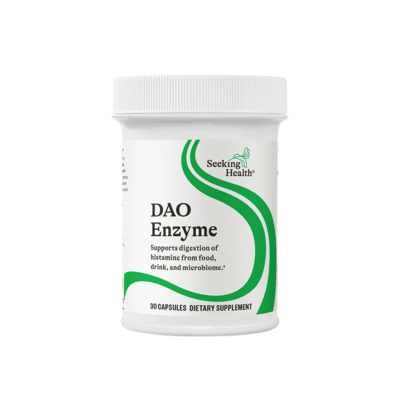
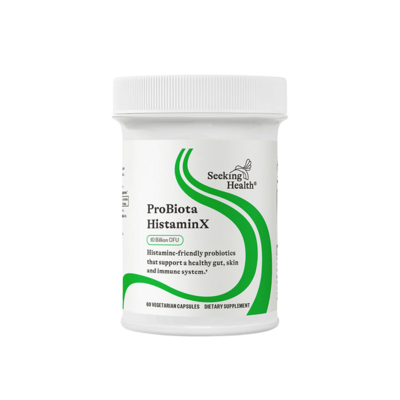 Allergy support + Histamine-related issues resource 1
While canned fish (mackerel/sardines), aged cheeses (cheddar/swiss/gouda), fermented foods, and cured meats are well tolerated by the majority, they can also be problematic. Even seemingly healthy foods such as avocado, citrus, spinach, and walnuts can be problematic for some. There is one major player driving this process- histamine. Histamine is a chemical compound released by mast cells of the immune system. In response to a potential invader, histamine is released and acts as a signaling molecule mobilize immune cells . When you think of histamine, think inflammation . Your body naturally contains an enzyme called diamine oxidase (DAO) to break down and remove histamine. DAO is produced by cells in the gut . Therefore, gastrointestinal diseases can alter the function of the cells lining the gut and the microbiome which can cause decreased production of DAO and increased levels of histamine. Therefore, a healthy gut is a key factor in normal histamine metabolism and healthy histamine levels throughout the body. Cofactors for DAO such as vitamin B-6, copper, and vitamin C are also necessary to support histamine degradation. Some individuals lack the ability to break down histamine, and therefore, their levels build up. This is called histamine intolerance (approximately 1% of the population) and symptoms range from itchy and watery eyes, unexplained headaches, hives, fatigue, nasal congestion, flushed skin, asthma, abdominal pain, and diarrhea. In healthy persons, dietary histamine can be rapidly cleared. For those with histamine issues, certain foods (see attached handout) can contribute to our histamine load. Leftovers that sit in the fridge as well as collagen peptides can also be a source of hidden histamines! There are also specific DAO blocking foods such as alcohol, energy drinks, black and green tea. Have you ever had a glass of wine and felt allergy-like symptoms after? That's histamine. There is evidence to suggest the benefits of an elimination diet, low-FODMAP diet, and low-histamine diet for symptom management. However, this is not a sustainable solution long term as dietary intervention largely work to manage symptom If you suspect that you have histamine intolerance, it's important to consider the root cause. Gastrointestinal diseases such as small intestinal bacterial overgrowth (SIBO), yeast overgrowth, inflammatory bowel disease (Crohn's/colitis), and Celiac can all damage the cells lining the gut, contributing to histamine issues. Some may have a genetic predispositions which causes abnormal DAO function or HLA haplotypes which increase susceptibility to chronic inflammatory response syndrome (CIRS), immune dysregulation, mast cell activation disorder (MCAS), and autoimmune. Mycotoxicity (mold illness), Lyme disease and other tick-borne infections, and parasites are also intimately related. The liver is responsible for breaking down excess histamine , and if it is sluggish, histamine may build up in the body. For this reason, targeted liver support such as NAC, burdock root, and milk thistle can be helpful. Vitamin C supplementation may help with histamine related symptoms since vitamin C has been shown to stabilize mast cell degranulation and decrease histamine levels. Quercetin is a flavanol found in red onion, capers, berries, and green tea. It is a potent antioxidant and boasts anti-inflammatory properties in addition to stabilizing mast cells. For the reason, quercetin has been a popular natural remedy for the management of allergies since it is proposed to dampen the histamine response secreted in response to environmental antigens. Urtica dioica, also known as stinging nettles, is well known in the herbalism world for the management of allergies. Nettles work by dampening the histamine and inflammatory response induced by allergies by stabilizing mast cells and inhibiting pro-inflammatory pathways. One randomized double-blind clinical study found that 600 mg of freeze-dried nettles administered orally once daily reduced allergy symptoms better than standard antihistamines. Estrogen also plays a role in influencing histamine levels, especially in women. This is why some woman experience histamine related issues such as bloating, itchiness, water retention, and abdominal discomfort around menses. Natural products such as di-Indio-methane (DIM) can support healthy estrogen levels by influencing estrogen metabolism in the liver. A healthy gut microbiome is also essential for healthy estrogen levels since the estrobolome , a collection of bacteria that resides in the gut, influences estrogen elimination.
Sensitive Gut & Digestion Support
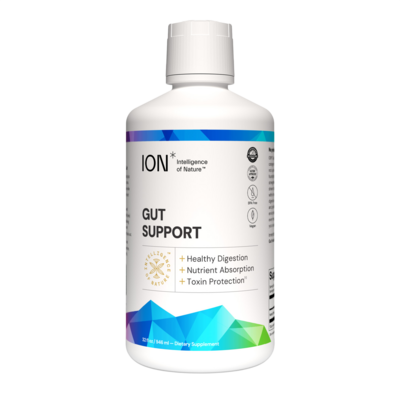
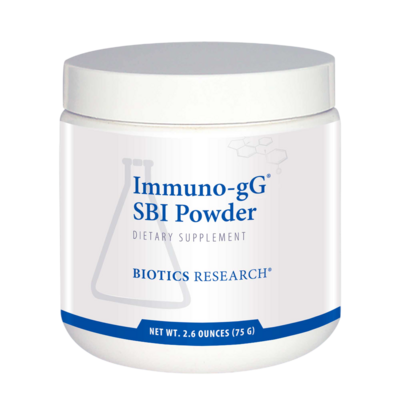
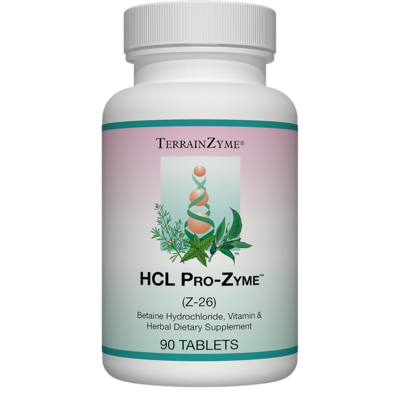
Food allergies and sensitivities can significantly contribute to systemic inflammation and gut health issues. Allergies trigger an immune response to proteins seen as harmful, causing symptoms that can be severe. Sensitivities, though often less acute, lead to chronic inflammation and a range of issues including digestive discomfort and fatigue. Both conditions can damage the gut lining over time, leading to increased intestinal permeability or "leaky gut." Understanding and addressing food allergies and sensitivities are imperative when creating an individualized approach to nutrition. Each individual's body reacts uniquely to different foods, and what may be nourishing for one person could be problematic for another. An individualized dietary plan allows for the identification and elimination of specific allergens and irritants, promoting gut healing and reducing inflammation. This tailored approach not only alleviates symptoms related to food reactions but also supports overall health by enhancing nutrient absorption, balancing the gut microbiome, and strengthening the immune system. By focusing on the person as a whole and recognizing the specific influences of different foods on their health, individuals can effectively improve their wellbeing and resilience against disease.
Shop the entire wellness catalog, held to a higher standard
Shop practitioner-grade products, each meeting the same bar for quality through Fullscript's standards.
Powered byVerified
Sourced straight from the brand — no resellers or fakes
Enhanced testing
Select products are tested in-house — get exactly what the label promises
Stored and shipped
From certified facilities, to protect product integrity