Public protocols
Tom Nikkola's general recommendations, available to anyone who visits this store.
Sleep Support
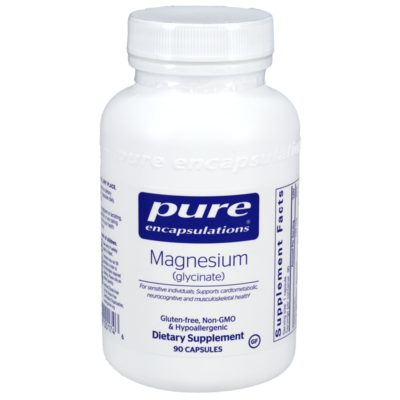
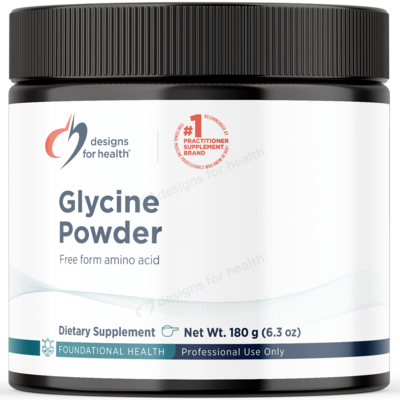
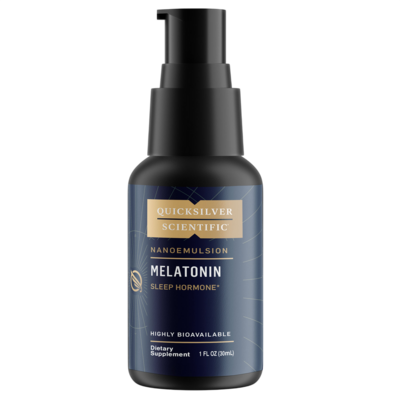 6 more items in Sleep Support
Each of these individual supplements has solid research support showing it improves sleep quality, and since each person is unique, some work better than others for each person. It's best to try one at a time and see how you respond. Magnesium Glycinate. Magnesium helps your brain use GABA, the chemical that slows everything down at night. Progesterone helps too, and it's often the first hormone to drop in perimenopause. Researchers gave older adults who slept poorly either magnesium or a placebo for eight weeks. The magnesium group fell asleep faster, and their cortisol came down. About 1 in 10 of my clients feel a bit wired on glycinate at night, so they take it in the morning. Glycine Powder (Designs for Health) Your core temperature needs to stay low for deep sleep. In perimenopause, a small rise at night can wake you up hot enough to kick the covers onto the floor. Glycine is an amino acid that seems to open up small blood vessels in your skin, so heat can leave your core. When researchers gave restless sleepers 3 grams at bedtime, they rated their sleep better. Most women take too little, so start with a half teaspoon (3 grams) at bedtime and work up to 6 or 9 grams if you need to. Melatonin 1 mg (Quicksilver Scientific) Your brain releases melatonin when it gets dark, and you make less of it as you age. Across 19 trials, melatonin got people to sleep about seven minutes sooner. That's a small effect, and it's why this is a 1 mg liquid instead of a 10 mg gummy. Bigger doses won't fix a 3am wake-up, and they tend to leave you groggy. If falling asleep is the hard part, hold one pump in your mouth for 30 seconds about half an hour before bed. Myo + D-Chiro Inositol 40:1 (Fairhaven Health) If you wake around 3am with your heart pounding, a blood sugar dip is often the cause. Your body releases adrenaline to bring it back up, and that's what wakes you. Myo-inositol helps your cells respond to insulin, which can smooth out those dips. Pair it with a dinner that has carbs and protein, since that's the bigger lever for this kind of waking. In a small study, pregnant women who took 2 grams a day slept longer and better than women on a placebo, though no one has tested it for sleep in perimenopause yet. Sleep Benefits Melatonin Free (DaVinci Labs) This blend is for the nights you can't wind down after a stressful day. It combines L-theanine (the calming amino acid in green tea), lemon balm, GABA, and Shoden ashwagandha. When 150 adults who woke up tired took 120 mg of that same ashwagandha (the amount in this blend) for six weeks, they slept longer, fell asleep faster, and woke less than a placebo group. The label says it's for occasional use, so save it for your rougher nights. Valerian Root (Gaia Herbs) Valerian root seems to act on the same GABA receptors as progesterone, so it can help fill the gap as your progesterone drops. A group of 100 postmenopausal women who slept badly took valerian or a placebo twice a day for four weeks. About 30% of the valerian group slept better, compared with 4% on placebo. Give it the same four weeks before you judge it. It smells like old gym socks, so put the drops in a splash of water. PharmaGABA 250 mg (Natural Factors) If you wake at 3am and your mind starts in on tomorrow's to-do list, start with this one. It's one of my top five most-recommended supplements, because GABA is the brake pedal for your nervous system. In a small Korean study, people who slept badly took 300 mg of GABA a day for four weeks. In a sleep lab, they fell asleep faster and spent more of the night asleep, while the placebo group didn't change. Take it at bedtime. In addition to these supplements, the other therapies with strong evidence from research and from working with clients myself include: Cognitive Behavioral Therapy for Insomnia (CBT-I) Oral Progesterone (this is HUGE for women in perimenopause)...you need to find a doctor to prescribe it Sermorelin , a growth hormone secretagogue. I have had tremendous success with clients using this. Low-dose naltrexone...again, you need to find a doctor to prescribe this Of course, these work best when combined with a sound nutrition plan and good sleep hygiene.
Foundational Five
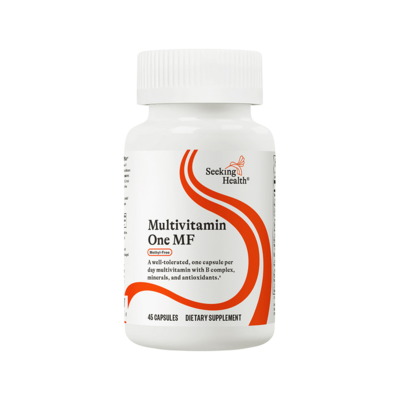
 5 more items in Foundational Five
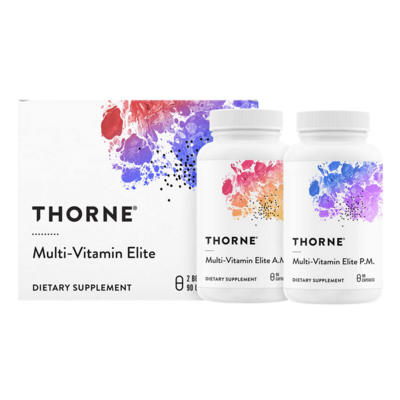
These are the five supplements I start almost everyone on, especially if you're dealing with: MTHFR variants or sluggish methylation PMS, perimenopause, or hormones that feel off Fatigue and low motivation Bloating or digestive trouble Inflammation or autoimmune symptoms Losing strength or muscle, or serious training goals Everything you add later works better with these in place. That includes a new training plan, a cold plunge, and peptides. One note before you order: choose one multivitamin from this plan, not all of them. Everything else is one of each. 1. Multivitamin: matched to how you handle B vitamins If you've taken a multivitamin and felt nothing, the form was probably the problem. Most cheap ones use folic acid instead of folate, at doses too low to matter. There's also the opposite problem. About one in three women I work with don't feel good on methylated B vitamins. If a B complex ever made your heart race or left you wired and irritable, that's likely why. Pick the one that fits you: Thorne Multi-Vitamin Elite A.M. & P.M. Fully methylated, split into a morning and an evening dose. NSF Certified for Sport. Best if methylated B vitamins have always agreed with you. Pure Encapsulations PureGenomics Multivitamin. Methylfolate with hydroxocobalamin, a non-methyl form of B12. A good middle option if supplements tend to bother you or you're not sure how you'll react. Seeking Health Multivitamin One MF. No methylated B vitamins at all. It uses folinic acid instead. If methylated Bs have ever made you anxious, start here. IM8 Daily Ultimate Essentials. A powder in a stick pack. Pour it into water, stir, and drink. Best if you have trouble swallowing pills. Why it matters: with an MTHFR variant, your body turns folate into its active form more slowly. That affects how you make neurotransmitters, clear estrogen, and keep homocysteine down. Without the variant, you still need the full range of vitamins and minerals, with fewer decisions about form. 2. Creatine: Momentous Creatine, unflavored Most women I talk with think creatine is for young guys with gym bags. It's one of the most studied supplements there is. Your muscles and brain use creatine to remake ATP, the energy your cells spend every second. Your body makes some, and you get more from red meat and fish. Women tend to eat less of both and carry lower stores than men. If you have MTHFR, this part matters. Researchers in Newfoundland worked out that making creatine uses about 40% of the methyl groups from SAMe, your body's main methyl donor. When you take creatine, your body makes less of its own, and more of those methyl groups are left for everything else methylation does. That's why I treat creatine as part of methylation support, not only a gym supplement. At 5 grams a day, people usually notice it in their strength and their workouts over the first month. Some women notice clearer thinking at 10 grams. How to take it: One scoop is 5 grams. It's unflavored and mixes into water, coffee, or a protein shake. Take it whenever you'll remember. Taking it every day matters more than when. You don't need a loading phase. If 10 grams gives you gas, split it into two doses or drop back to 5. Why Momentous: it's one ingredient, creatine monohydrate, and it's NSF Certified for Sport. That means an outside lab tests it for contaminants and banned substances. One heads-up for your next blood draw. Creatine can push your creatinine up a little, which usually reflects muscle and creatine, not your kidneys. If it gets flagged, ask your doctor about a cystatin C test, which creatine doesn't affect. 3. Magnesium: Pure Encapsulations Magnesium Glycinate Magnesium is one of the most common gaps I see. No multivitamin can fit enough of it, so it always comes as its own bottle. Why it matters: It helps your muscles relax, including the ones in your jaw at 11 p.m. It keeps your blood sugar steadier Most people feel calmer on it, and many sleep better Your body needs it to make SAMe, and COMT, the enzyme that clears stress hormones and estrogen, depends on it too Why glycinate? It absorbs well and is easy on your stomach. Magnesium oxide barely absorbs. Citrate pulls water into your gut, which is why it doubles as a laxative. 4. Vitamin D3 + K2: Metagenics D3 5000 + K2 If you live in the northern half of the US, your skin makes almost no vitamin D from about November through February. Even in summer, most of us aren't outside long enough to make up for it. The dose I see most often is 5,000 IU a day. I've never had a client test too high at that amount, but check your level so you know where you're starting. Vitamin D raises how much calcium you absorb from food. K2 activates the proteins that move that calcium into your bones and keep it out of your artery walls. That's why I don't use one without the other. 5. Digestive Support: Designs for Health Digestzymes This is the supplement I recommend more than any other. You can eat a near-perfect diet, but it only helps if you break it down and absorb it. Stomach acid, bile, and enzymes all tend to drop with age and stress. When your stomach acid is low, protein moves on half-digested and ferments further down. That's often where the gas and bloating come from. Digestzymes puts acid (betaine HCl), bile, and enzymes in one capsule. It's especially helpful if: Protein sits in your stomach for hours You're bloated even when you eat "clean" Your gut hasn't been the same since antibiotics, birth control, or mold exposure You're on a GLP-1, which slows how fast food leaves your stomach Before you start Take warfarin? Ask your doctor before adding K2. Kidney disease, kidney stones, or high calcium? Talk with your doctor before taking magnesium, creatine, or vitamin D at these amounts. Ulcer, gastritis, an acid blocker, or daily NSAIDs or steroids? Ask your doctor before the digestive formula, since it contains acid. Why These Five? I've worked with thousands of clients. These five cover the gaps I see over and over, especially in women 35 to 55, with or without MTHFR. Most men need them too. When someone tells me she's tried everything and still feels off, she's usually skipped one of these, or bought a version her body couldn't use. My goal is to get most people down to five to eight supplements. If you need more than that, we're probably missing something. So no, these aren't trendy. They work. What Comes Next Once your foundation is covered, we can target what you're working on: Handling stress better Sharper thinking More energy Fat loss Fewer aches and pains That's where targeted supplements, and sometimes peptides, come in.
Bile / Gallbladder Support
 3 more items in Bile / Gallbladder Support
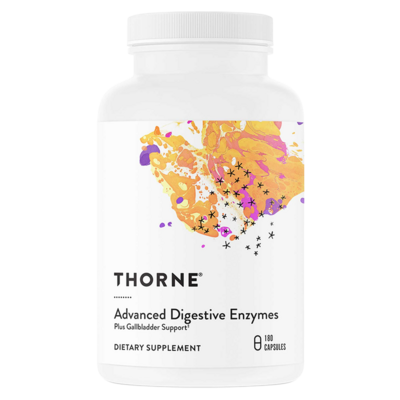
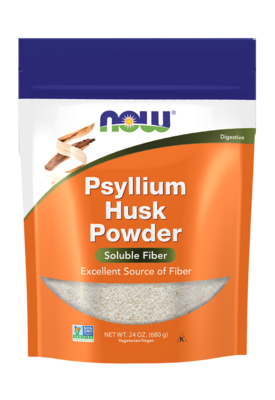
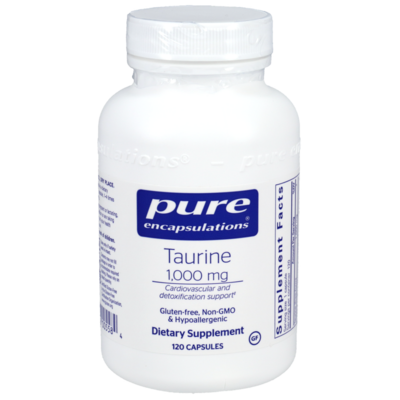
Without a gallbladder, bile drips continuously into the small intestine instead of releasing in a concentrated pulse when fat hits the duodenum. The result is predictable: poor fat emulsification, fat-soluble vitamin malabsorption (A, D, E, K), loose or urgent stools, bloating after meals, and over time, a sluggish enterohepatic circulation that strains detox pathways and estrogen clearance. This trio addresses the three things a missing gallbladder can no longer do well. It supplies bile and digestive enzymes on demand, replenishes the raw material your liver needs to make bile salts, and binds excess bile acids in the colon so they don't irritate the bowel or recirculate. Thorne Advanced Digestive Enzymes, 1 to 2 capsules with each meal containing fat or protein. This formula combines ox bile, pancreatin (amylase, lipase, protease), betaine HCl, and pepsin. The ox bile compensates for the missing concentrated bile release, while the pancreatic enzymes and HCl handle the upstream digestion that often falters alongside gallbladder loss. Skip with very low-fat snacks. Avoid if you have an active peptic ulcer. Note: Designs for Health and OrthoMolecular makes a similar formula, Digestzymes, which I've included here. You don't need all three...just choose one. Pure Encapsulations Taurine, 1 capsule (1000 mg) once or twice daily, away from meals. Taurine conjugates with bile acids in the liver to form taurocholic acid, which is more water-soluble and gentler on the gut than glycine-conjugated bile. After gallbladder removal, taurine-conjugated bile is often better tolerated and supports more efficient fat digestion and cholesterol clearance. NOW Psyllium Husk Powder, 1 teaspoon in 8 to 12 oz of water, once or twice daily, away from medications and supplements by 2 hours. Psyllium binds excess bile acids in the colon, which reduces the bile acid diarrhea many post-cholecystectomy clients experience. It also supports estrogen and toxin elimination through stool, since unbound bile can otherwise be reabsorbed and recirculated. Start with ½ teaspoon and increase as tolerated. Always take with adequate water. BodyBio TUDCA, 2 capsules once per day with food. TUDCA is a bile acid naturally formed in the body that supports the digestion and utilization of fats and oils and demonstrates neuroprotective benefits*. TUDCA supports digestive ability by supporting healthy fat metabolism and breakdown as well as proper nutrient absorption. It is also supportive to cellular and mitochondrial health. Reassess after 4 to 6 weeks. Most clients notice steadier digestion, less urgency, and better tolerance of fat-containing meals within the first two weeks.
Hey Perimenopause
 16 more items in Hey Perimenopause
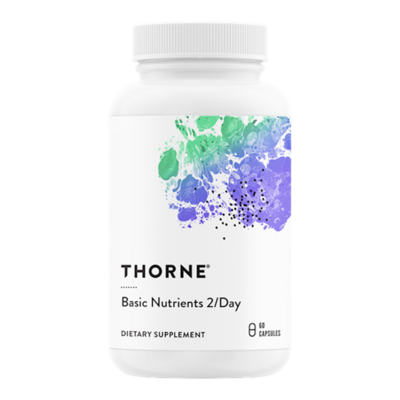
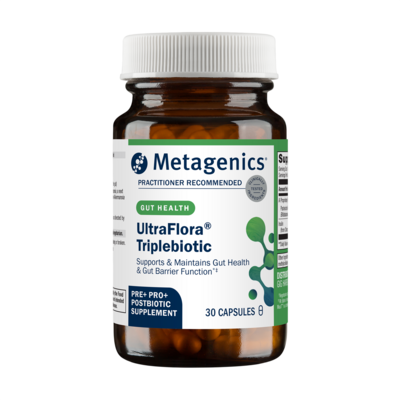
Hey Perimenopause Recommends This is a curated list of supplements I recommend for midlife women. It's not a stack. No one needs every product on this page. The supplements here have earned their place because the research holds up and the brands meet practitioner-grade standards. I can help you pick what's right for you. If there's a supplement you take that's not on this list and want to switch to a better quality option, you have full access to the catalog through your free Fullscript account. After you set up your free account you'll receive a 15% discount + free shipping on your orders. 💜, Vanessa vanessa@heyperimenopause.com @heyperimenopause 651-571-4471 Foundational Five: Multivitamin (Pick either Multi 50+ or Basic Nutrients) Pre/Pro/Post-biotic Omega-3 Magnesium Glycinate Vitamin D3/K2 (Test serum 25(OH)D | Optimal = 50-80 ng/mL) GLP-1 Users: Digestive Enzymes (Pick either Advanced DE if you need gallbladder support or DE Ultra) Electrolytes Body (Re)Composition: Creatine Whey Protein Isolate Hormone Metabolism/Support: DHEA (Test serum DHEA-S | Optimal = 275-390 ug/dL) Boron Broccoli Seed Extract Calcium D-Glucarate Targeted Addons: Zinc Vitamin C Collagen PharmaGaba
Non-Methylated Multis
 2 more items in Non-Methylated Multis
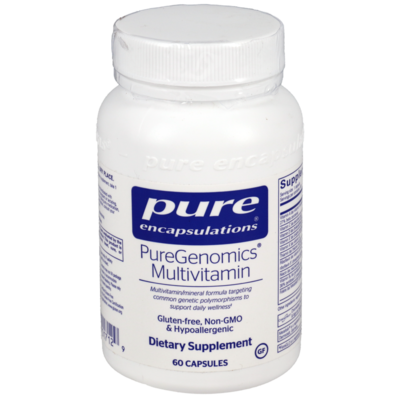
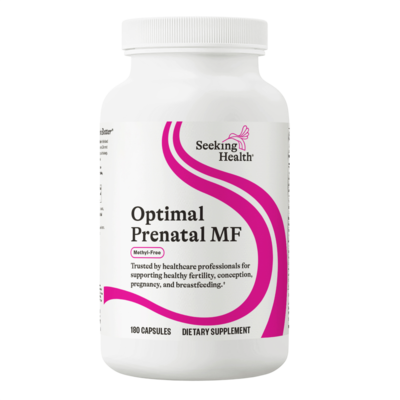
The following are non-methylated (the Seeking Health options) or "less methylated" (the PureGenomics multi) multivitamin options. For many of my clients with slow COMT, they do well with SOME methylated B vitamins, which is where the PureGenomics multi comes in. It contains methylfolate, but hydroxocobalamin instead of methylcobalamin. The Seeking Health options are completely methyl free
Stomach Support
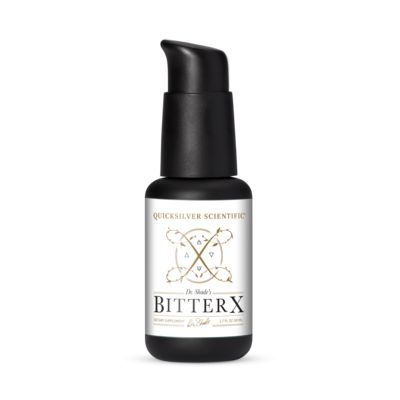
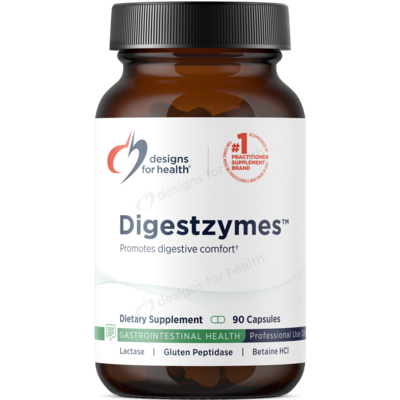
Because so many people are low in stomach acid and enzymes, Advanced Digestive Enzymes has been the most "life-changing" supplement across the board for my clients. This unique formulas has a significant impact on increasing the acidity of the stomach, which not only helps break down protein and fat, but a more acidic stomach also kills pathogens before they can reach the gut. If you deal with reflux or heartburn, it's almost always an issue of too little acid in the stomach, not too much. Digestzymes should not be used concurrent with H2-blocking drugs and proton pump inhibitors because these drugs are intended to block the production of stomach HCl. If you're using acid-lowering medications, you may need to work with your practitioner to put a plan together so you can reduce the use of those meds, which make your stomach less acidic. Digestzymes is contraindicated in patients with peptic ulcers. And if you're dealing with other gut issues, such as dysbiosis, addressing the acidity of the stomach is a crucial first step before tackling the gut and the microbiome, or you'll just continue letting bad bacteria populate your gut. That's why I start my clients with this supplement for 4-8 weeks before moving onto gut supporting nutrition or supplement plans. Though individual needs vary, most of my clients start with using 1 capsule with each meal for the first week, and then use 2 per meal thereafter.
ZNQ Immune Support
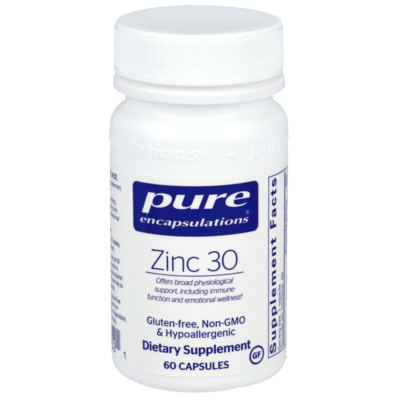
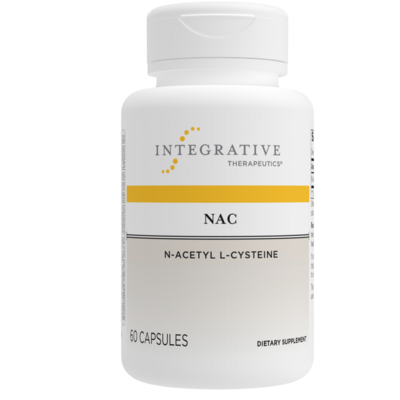
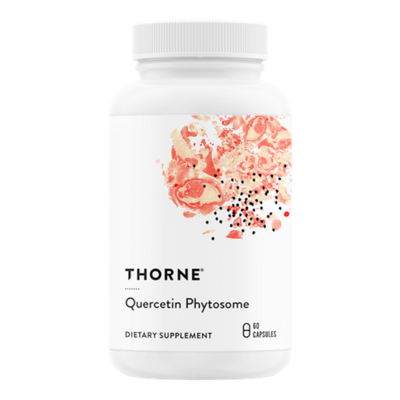
The combination of zinc, N-acetylcysteine (NAC), and quercetin can be beneficial in combating viral infections due to their complementary roles in supporting the immune system and mitigating oxidative stress. Vitamin C, a low-sugar, high-protein diet, and plenty of sleep are also essential in supporting your immune system when you've been exposed to viruses or any other pathogens.
Wake Up Rested — 3AM Awakener
 3 more items in Wake Up Rested — 3AM Awakener
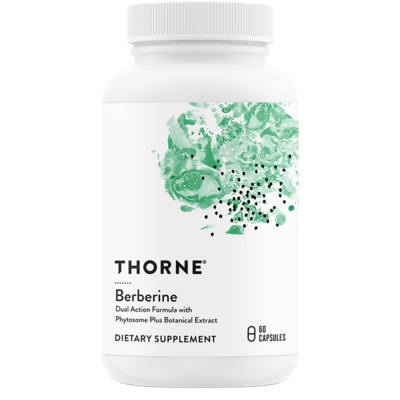
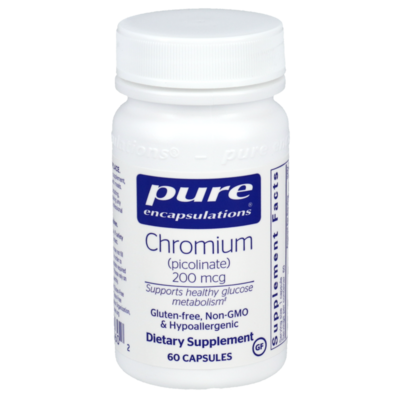
Your quiz results identified blood sugar instability as your primary sleep disruptor. Your liver is running low on glucose around 2–4 AM, triggering an adrenaline surge that pulls you out of sleep. This protocol supports insulin sensitivity, overnight glucose stability, and hepatic gluconeogenesis so your body doesn't need to sound the alarm at 3 AM. Pair this protocol with a protein-and-fat dinner and eliminate alcohol for best results. Give this protocol 2–3 weeks before evaluating.
Histamine Support
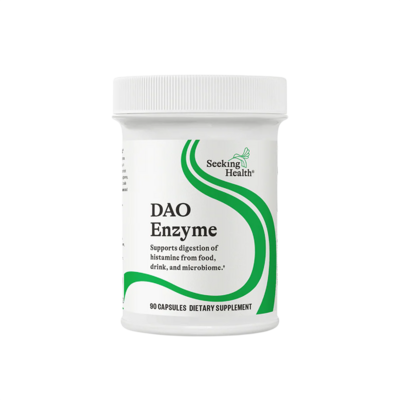
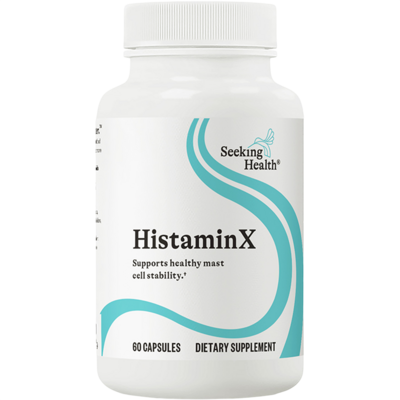
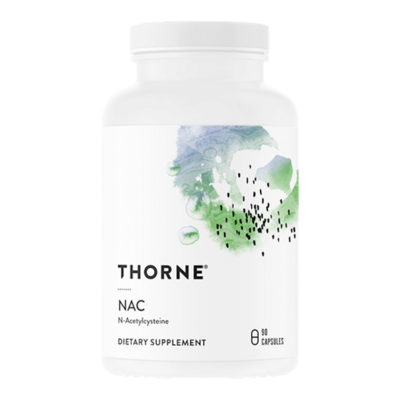
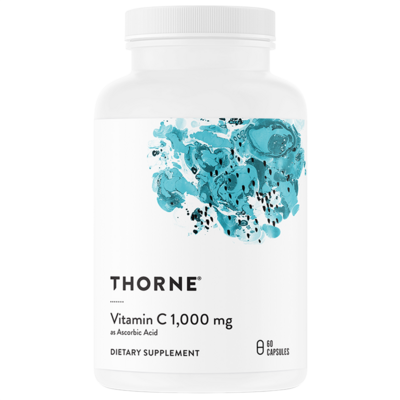
My Histamine Support Protocol is ideal for... Those who experience symptoms of histamine intolerance , such as headaches, skin flushing, hives, nasal congestion, or digestive discomfort after eating certain foods. Individuals with mast cell activation or chronic inflammation. Anyone looking to manage histamine-related issues through natural, targeted supplementation while improving their overall well-being. The specific supplements in this protocol help to support normal histamine histamine levels. Histamine Digest (Seeking Health): Contains DAO (Diamine Oxidase), the enzyme responsible for breaking down histamine in the digestive tract. Helps mitigate histamine reactions caused by high-histamine foods, such as fermented foods, aged cheeses, and cured meats. Vitamin C + NAC (Thorne): Vitamin C: Acts as a natural antihistamine and stabilizes mast cells, preventing the release of histamine into the body. NAC (N-Acetylcysteine): Boosts glutathione production, which detoxifies histamine and supports the body's natural histamine breakdown pathways. HistaminX (Seeking Health): A powerful combination of quercetin, luteolin, bromelain, rutin, and stinging nettle. Stabilizes mast cells, reduces histamine release, and alleviates inflammation commonly associated with histamine-related symptoms. In addition to these supplements, to help lower histamine, incorporate the following into your diet and lifestyle: Follow a Low-Histamine Diet: Avoid high-histamine foods such as fermented products (sauerkraut, kimchi), aged cheeses, alcohol, cured meats, and leftovers. Focus on fresh, whole foods like leafy greens, fresh proteins, and root vegetables. Stay Hydrated: Drink plenty of water to support histamine metabolism and detoxification. Support Gut Health: Incorporate histamine-degrading probiotics like Bifidobacterium infantis or Lactobacillus rhamnosus GG to improve gut function. Avoid probiotics that produce histamine, such as Lactobacillus casei or Lactobacillus bulgaricus. Manage Stress: Chronic stress can increase histamine release. Incorporate stress-reducing practices like mindfulness, meditation, or yoga. Sleep Well: Prioritize 7–8 hours of sleep per night, as poor sleep can exacerbate histamine-related symptoms. Avoid Histamine Triggers: Identify and minimize environmental triggers like pollen, mold, or dust mites, which can worsen histamine issues. If you have questions on this or any other protocol, please contact me at tom@tomnikkola.com. *These statements have not been evaluated by the Food and Drug Administration. This protocol is not intended to diagnose, treat, cure or prevent any disease.
Shop the entire wellness catalog, held to a higher standard
Shop practitioner-grade products, each meeting the same bar for quality through Fullscript's standards.
Powered byVerified
Sourced straight from the brand — no resellers or fakes
Enhanced testing
Select products are tested in-house — get exactly what the label promises
Stored and shipped
From certified facilities, to protect product integrity