Public protocols
Recommendations from Wozani Integrative Health, available to anyone who visits this store.
Stress Management

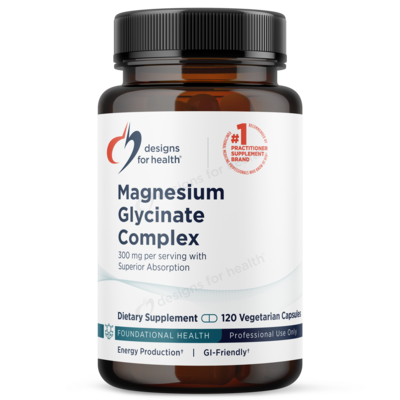
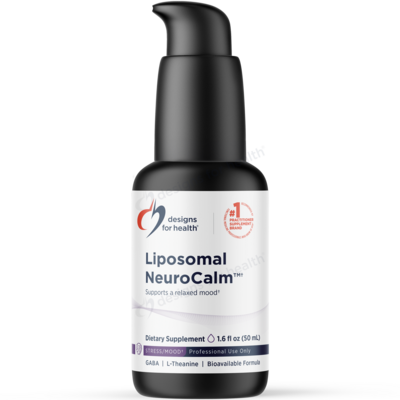

Ashwagandha ( Withania somnifera ) Dosing: 125–500 mg daily for at least eight weeks (Pandit 2024) Supporting evidence: Ashwagandha is an adaptogenic herb traditionally used in Ayurvedic medicine for stress reduction, cognitive enhancement, and general well-being. (Mukherjee 2021) (Khalid 2025) Ashwagandha modulates the HPA axis, leading to reduced cortisol secretion and improved stress adaptation. (Wiciński 2023) Its antioxidant/anti-inflammatory properties and ability to enhance GABA and serotonin transmission may also contribute to its anxiolytic and calming effects. (Speers 2021) (Khalid 2025) RCTs and meta-analyses demonstrate that ashwagandha significantly reduces perceived stress and anxiety scores with a moderate to large effect size. (Gopukumar 2021) (Akhgarjand 2022) Specifically, positive outcomes correlated with supplementation include reductions in morning salivary cortisol and Hamilton Anxiety Rating Scale (HAM-A) scores, and improvements in quality of life, sleep quality, and cognitive function in stressed adults. (Lopresti 2019) (Gopukumar 2021) (Majeed 2023) Holy Basil ( Ocimum tenuiflorum ) Dosing: 125 mg twice daily for eight weeks (Lopresti 2022) Supporting evidence: Holy basil, also known as tulsi, is another medicinal adaptogenic herb widely used in Ayurveda for its purported anti-stress properties. (Jamshidi 2017) It attenuates the stress response by modulating the HPA axis. This effect is partially mediated by antagonism of the corticotropin-releasing factor 1 (CRF1) receptor and inhibition of cortisol release. (C M 2023) Animal studies have shown that holy basil extracts reduce stress-induced immobility and elevations in corticosterone during forced swim tests. (C M 2023) An RCT from 2011 demonstrated that stressed adults taking holy basil extract experienced reductions in general stress symptoms, including forgetfulness, exhaustion, sleep disturbances, and sexual dysfunction. (Saxena 2011) A more recent trial corroborated these anti-stress properties, reporting reductions in perceived stress, insomnia, hair cortisol levels, salivary amylase, and blood pressure. (Lopresti 2022) Gamma-Aminobutyric Acid (GABA) Dosing: 20–300 mg as a single dose (as needed) or daily for eight weeks (Hepsomali 2020) Supporting evidence: GABA is the principal inhibitory neurotransmitter in the human central nervous system. Its binding to GABA receptors reduces neuronal excitability, resulting in anxiolytic and calming effects. (Ngo 2019) (Zhang 2024) Oral GABA administration can acutely increase alpha brain wave activity (associated with relaxation) and reduce beta wave activity (linked to anxiety), with effects observed within one hour of intake. (Abdou 2006) While animal and early clinical data support GABA’s calming and stress-reducing effects, a 2020 systematic review reported limited and mixed evidence for its ability to reduce acute psychological and physiological stress. Further research is warranted to establish GABA’s clinical utility in stress management. (He 2019) (Hepsomali 2020) L-Theanine Dosing: 200–400 mg daily for at least four weeks (Hidese 2019) (Williams 2020) Supporting evidence: L-theanine is a non-protein amino acid found primarily in green tea ( Camellia sinensis ) leaves. It is well absorbed orally and crosses the blood-brain barrier (BBB). (Lardner 2014) (Dashwood 2025) It is believed to exert neurophysiological effects by modulating neurotransmitter systems, including GABA, serotonin, and dopamine, in selected brain regions. (Shen 2019) (Dasdelen 2022) It may also act as a glutamate receptor antagonist, reducing neuronal excitation, thereby attenuating sympathetic nervous system activity and stress responses. (Dasdelen 2022) L-theanine increases alpha brain wave activity, which is associated with a state of relaxed alertness and selective attention. (Lardner 2014) (White 2016) RCTs in healthy adults have demonstrated that short- and long-term administration of L-theanine can reduce subjective and physiological stress, anxiety, and improve sleep quality (as measured by validated scales and biomarkers, such as the State-Trait Anxiety Inventory, Pittsburgh Sleep Quality Index, and salivary alpha-amylase). (Hidese 2019) (Williams 2020) (Lim 2024) Magnesium Dosing: 250–500 mg daily for at least four weeks (Rawji 2024) Supporting evidence: Magnesium exerts calming effects on the nervous system by acting as an N-methyl-D-aspartate (NMDA) receptor antagonist, enhancing GABAergic activity, and reducing oxidative stress in the brain. (Pickering 2020) Studies indicate that 68% of Americans eat less than the recommended levels of magnesium, and stress further increases the risk of magnesium inadequacy/deficiency by increasing urinary magnesium excretion. Deficiency exacerbates stress symptoms like fatigue, irritability, nervousness, gastrointestinal upset, and headache. (Boyle 2017) (Pickering 2020) In an eight-week RCT, individuals with low magnesium and stress were given magnesium with or without vitamin B6. Anxiety and depression scores, measured by the Depression Anxiety Stress Scales (DASS-42), were improved in both treatment groups as early as four weeks, with continued improvements through the end of the trial. The greatest improvement was observed in the participants who were given magnesium with B6. (Noah 2021) In a double-blind RCT, 46 elderly individuals were randomly assigned to take daily magnesium or a placebo for eight weeks. At the end of the trial, those taking magnesium had significant improvements in subjective and objective measures of sleep and stress-related physiology: Increases in total sleep time, sleep efficiency, and melatonin concentrations Decreases in Insomnia Severity Index [ISI] scores, sleep onset latency, and serum cortisol concentrations. (Abbasi 2012) Rhodiola ( Rhodiola rosea ) Dosing: 200–1,500 mg daily for at least 28 days (Tinsley 2023) Supporting evidence: The root and rhizome of rhodiola contain approximately 140 active compounds that work together to modulate the HPA axis, inhibit neuroinflammatory pathways that reduce the expression of stress-related proteins, stimulate endorphin production, and modulate neurotransmitter levels. (Ivanova Stojcheva 2022) (Bernatoniene 2023) In patients with burnout and fatigue syndrome, taking standardized rhodiola extract significantly reduced symptoms of stress-related fatigue and improved mental performance (especially concentration) and the cortisol awakening response (CAR). (Olsson 2009) In a clinical trial of 80 mildly anxious people, those who supplemented with rhodiola reported improvements in anxiety, stress, anger, confusion, and depression. (Cropley 2015)
Antibiotic Support

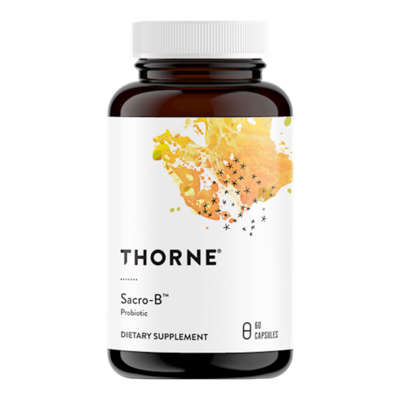
Sometimes, antibiotics are necessary to treat certain infections in the body. They can be beneficial in certain cases, but at the same time will disrupt the gut microbiome. Antibiotics have been shown to disrupt the gastrointestinal flora, contributing to undesirable digestive concerns. It’s estimated that approximately 30% of individuals taking antibiotics experience diarrhea, with symptoms ranging from mild to severe, especially in cases involving Clostridium difficile . ( Newberry 2012 ) Antibiotic-associated diarrhea (AAD) is a primary factor in individuals discontinuing their antibiotic treatment. ( D’Souza 2002 ) Various studies demonstrate that probiotics may help maintain or restore gut microbe diversity during or after antibiotic treatment. Current evidence primarily involves Lactobacillus strains as well as Saccharomyces boulardii . ( Newberry 2012 ) ( Szajewska 2005 ) Lactobacillus strains (e.g., Lactobacillus rhamnosus GG , Lactobacillus reuteri , Lactobacillus casei ) 50–100 billion colony-forming units (CFUs) of a multi-strain probiotic containing Lactobacilli for 1–3 weeks with the onset of antibiotic use or for five days after the last antibiotic dose ( Gao 2010 )( Rodgers 2013 ) A meta-analysis indicates that probiotics, particularly Lactobacilli , show promise in preventing AAD. ( D’Souza 2002 ) A meta-analysis of 63 randomized controlled trials (RCTs) involving 11,811 participants found that probiotics, primarily Lactobacillus -based probiotics, significantly reduced the risk of AAD by 42%. ( Newberry 2012 ) A subgroup analysis of six RCTs found that starting probiotics within two days of antibiotic treatment lowered AAD prevalence by 29% in elderly individuals. ( Zhang (2022) A probiotic blend containing Lactobacillus acidophilus CL1285 and Lactobacillus casei LBC80R Bio-K+ CL1285 significantly reduced the incidence of AAD by 44.1% compared to placebo, with shorter symptom duration for AAD and lower incidence of Clostridium difficile -associated diarrhea (CDAD). The study demonstrated that a higher dose of 100 billion CFUs was more effective and resulted in fewer gastrointestinal symptoms than 50 billion CFUs. ( Gao 2010 ) Saccharomyces boulardii Saccharomyces boulardii 500–1,000 mg (10–20 billion CFUs) per day, starting with the initiation of antibiotic treatment and continuing for three days to two weeks. A systematic review of five RCTs found that S. boulardii reduced the risk of AAD from 17.2% to 6.7%. S. boulardii was shown to be moderately effective in preventing AAD in patients taking antibiotics, primarily for respiratory tract infections. ( Szajewska 2005 ) A systematic review of 21 RCTs noted that S. boulardii reduced the risk of AAD from 18.7% to 8.5%. Furthermore, S. boulardii was shown to effectively reduce the risk of AAD in both children and adults, with significant reductions also seen in CDAD in children. ( Szajewska 2015
Foundational Cardiovascular Support


1. High-Quality Omega-3 Fish Oil (EPA/DHA) Why: Omega-3s are essential for reducing inflammation, supporting healthy triglyceride levels, promoting blood vessel flexibility, and maintaining a stable heart rhythm. Dose: Take 1-2 capsules/teaspoons, twice daily with meals, to achieve a combined total of 2,000-3,000 mg of EPA + DHA per day. 2. Magnesium (Glycinate or Malate) Why: Magnesium is a crucial mineral for heart muscle function, maintaining a normal heart rhythm, and relaxing blood vessels, which helps support healthy blood pressure. Dose: Take 200-400 mg once or twice daily. Taking it in the evening can also promote relaxation and restful sleep. 3. Vitamin D3 + K2 Why: Vitamin D is essential for immune function and reducing inflammation. Vitamin K2 works with Vitamin D to help direct calcium into the bones and away from the arteries, which is critical for preventing arterial calcification and maintaining blood vessel health. Dose: Take 1 capsule daily with a meal containing fat. (Dosage based on achieving optimal blood levels of 50-80 ng/mL).

Shop the entire wellness catalog, held to a higher standard
Shop practitioner-grade products, each meeting the same bar for quality through Fullscript's standards.
Powered byVerified
Sourced straight from the brand — no resellers or fakes
Enhanced testing
Select products are tested in-house — get exactly what the label promises
Stored and shipped
From certified facilities, to protect product integrity