
Refresh Your Soul
Welcome! Through Fullscript, Refresh Your Soul offers high-quality supplements and wellness products, delivered right to your door. Get started with the recommended products from Refresh Your Soul, or sign in/up to explore the entire product catalog.
Up to 10% off your order when you sign up*
Shop the highest quality, rigorously tested supplements
Fast and free shipping for orders over $50
*Discounts may vary by order. Labs and select products not eligible
Existing account? Log in here
Featured public protocols
Refresh Your Soul's general recommendations, available to anyone who visits this store.
Parasite Support
 3 more items in Parasite Support
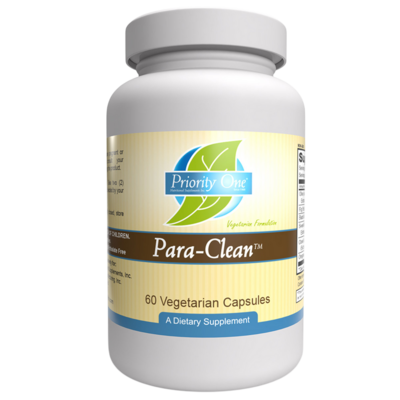
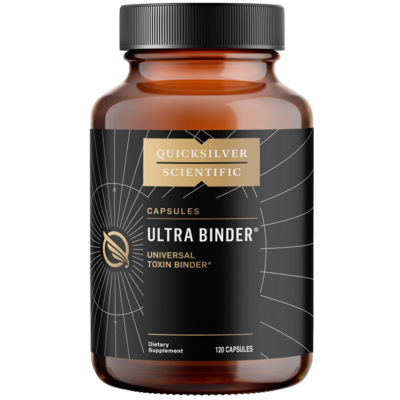
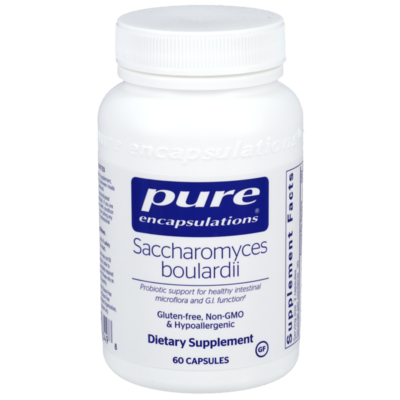
Parasite & Gut Microbial Support Supporting Gastrointestinal Balance, Gut Integrity & Healthy Elimination Parasites are organisms that live in or on a host and obtain nourishment from that host. Gastrointestinal parasites may include protozoa and helminths and may be acquired through contaminated food or water, exposure to infected animals or contaminated environments, soil, and other routes. Possible symptoms associated with gastrointestinal parasitic infections may include nausea, vomiting, diarrhea or constipation, gas, abdominal discomfort, rectal itching, changes in the stool, fatigue, and other systemic symptoms. However, symptoms alone cannot confirm the presence of a parasite. This protocol is intended to provide nutritional and botanical support for: Healthy gastrointestinal microbial balance Normal digestive function Healthy intestinal elimination Gastrointestinal barrier support Healthy immune and inflammatory balance Overall digestive wellness Supplement Protocol 1. Para Clean Take: 2 capsules, 3 times daily. This botanical formula is included as targeted gastrointestinal microbial support. Because botanical antimicrobial products may not be appropriate for every individual, discontinue use and consult a qualified healthcare provider if you experience significant adverse reactions. 2. Garlic Complex Take: 2 capsules, 3 times daily. Garlic contains naturally occurring sulfur compounds, including allicin-related compounds, that have been studied for broad antimicrobial activity. The source material provided also discusses allicin as a botanical used in integrative parasite-management approaches. 3. Saccharomyces boulardii Take: 2 capsules, twice daily. Timing: Between meals. Saccharomyces boulardii is a beneficial probiotic yeast used to support gastrointestinal microbial balance, intestinal function, and digestive wellness. 4. Ultra Binder Capsules Take: 4 capsules, once daily. Use according to product directions. Because binding products may affect absorption of other substances, take them separately from prescription medications and other supplements unless otherwise directed by your healthcare provider. 5. Super Seed Take: 1 scoop daily. Add to water, a smoothie, or another appropriate food or beverage. Fiber supports healthy bowel regularity and provides nourishment for beneficial intestinal microorganisms. Increase fiber gradually and maintain adequate hydration. If significant bloating, cramping, diarrhea, or digestive discomfort occurs, reduce or discontinue and seek individualized guidance. 6. ProOmega® 2000 Take: 2 softgels, twice daily. Included as foundational nutritional support for overall wellness and healthy inflammatory balance. Food & Lifestyle Foundations Nutrition is an important part of supporting gastrointestinal health. Focus on a whole-food dietary pattern emphasizing: Vegetables and fruits Adequate protein Healthy fats Fiber-rich foods as tolerated Prebiotic and probiotic foods as tolerated Herbs and spices Adequate clean water Limit highly processed foods, refined sugars, and excessive alcohol while emphasizing nutrient-dense whole foods. Your source also recommends a dietary pattern emphasizing fiber, prebiotics, and probiotics during parasite-support protocols. Foods such as garlic, pumpkin seeds, pomegranate, and papaya may also be incorporated as part of a balanced whole-food diet. Hydration & Elimination Adequate hydration is especially important when supporting healthy gastrointestinal elimination. Drink sufficient clean water throughout the day and aim to maintain regular bowel movements. Hydration is also particularly important if loose stools occur, since diarrhea may increase the risk of dehydration. Food Safety & Prevention To help reduce potential exposure or reinfection: Wash hands thoroughly before eating or preparing food. Wash fruits and vegetables well. Cook meat and seafood thoroughly. Avoid unsafe or potentially contaminated water. Practice appropriate hygiene after handling animals or animal waste. Use appropriate precautions when gardening or working with soil. Contaminated food and water, animal exposure, and soil are recognized routes through which some gastrointestinal parasites may be transmitted. Suspect a Parasite? Test — Don't Guess. Different gastrointestinal parasites may require different approaches. A conventional stool ova and parasite test may be used to identify intestinal parasites. However, false-negative results can occur, and multiple stool specimens may sometimes be recommended. Specialty stool testing may also combine microscopic and molecular/PCR methods to improve detection. A comprehensive gastrointestinal stool assessment may also evaluate areas such as: Parasites and gastrointestinal pathogens Gut microbiome balance Digestive function Intestinal inflammation Microbial dysbiosis Other markers of gastrointestinal health Need More Personalized Support? If you suspect a parasite or continue to experience symptoms such as: Persistent bloating or gas Constipation or loose stools Abdominal discomfort Unexplained changes in bowel habits Changes in stool Persistent digestive symptoms Unexplained fatigue or weight changes consider scheduling an individualized Functional Nutrition consultation with Wendy Sebastian at Refresh Your Soul . Depending on your health history, symptoms, medications, nutrition, and wellness goals, functional gastrointestinal testing may be considered to help determine whether a more individualized approach is appropriate. You do not need to determine which laboratory test you need on your own. Wendy can help review your presentation and determine whether testing may be appropriate. To schedule a consultation or learn more about functional lab testing: [INSERT BOOKING LINK] Recommended Reading 📖 RYSE From Within: A Guide to Heal Your Gut by Wendy Sebastian Learn more about digestive health, nutrition, lifestyle, and foundational strategies for supporting a healthier gut. Purchase the book: https://a.co/d/0fcDOHDt Important Educational Disclaimer This protocol is provided for educational and wellness purposes only . It is not intended to diagnose, treat, cure, eradicate, or prevent a parasitic infection or any other medical condition and is not a substitute for evaluation, diagnosis, or treatment by a licensed medical doctor or other qualified healthcare provider. Wendy Sebastian and Refresh Your Soul provide functional nutrition, wellness education, and integrative support within their professional scope of practice and do not replace your physician or other licensed medical provider. A suspected or confirmed parasitic infection may require medical evaluation and prescription antiparasitic treatment. The appropriate treatment depends on the specific organism, severity of infection, health history, medications, and other individual factors. Always consult your physician or qualified healthcare provider regarding diagnosed infections, prescription medications, pregnancy or breastfeeding, medical conditions, or questions about whether these supplements are appropriate for you. Seek prompt medical evaluation for significant or worsening abdominal pain, persistent vomiting or diarrhea, blood in the stool, fever, dehydration, unexplained weight loss, or other severe or rapidly worsening symptoms.
Constipation and Regularity Support
Constipation & Regularity Support Supporting Healthy, Consistent Bowel Movements Functional constipation may present as infrequent bowel movements, hard or difficult-to-pass stools, straining, or the feeling that a bowel movement is incomplete. Gas, bloating, and abdominal discomfort may also occur. Constipation can have many contributing factors, including inadequate fiber or fluid intake, changes in gastrointestinal motility, stress, sedentary habits, delayed bowel movements, dietary patterns, and other underlying digestive or health concerns. This foundational protocol is designed to support healthy bowel regularity, adequate fiber intake, intestinal motility, and overall digestive wellness. Supplement & Nutrition Support 1. Magnesium Oxide Take: 2 capsules before bed. Magnesium oxide may help support bowel regularity by drawing water into the intestinal tract and supporting normal intestinal contractions. 2. Motility Activator Take: 2 capsules daily. Designed to support healthy gastrointestinal motility and the normal movement of contents through the digestive tract. 3. Super Seed Take: 1 scoop daily in your smoothie. Fiber helps support stool bulk, hydration, intestinal transit, and the production of beneficial short-chain fatty acids by the gut microbiome. Important: Increase fiber gradually and drink adequate water throughout the day. 4. Organic Greens Take: 1 scoop daily in your smoothie. Use as part of a nutrient-dense dietary pattern that emphasizes vegetables, fruits, whole grains, legumes, nuts, seeds, and other minimally processed plant foods. 5. ProOmega® 2000 Take: 2 softgels twice daily. Included as foundational nutritional support for overall wellness. Daily Foundations For best results, supplements should be used alongside consistent nutrition and lifestyle habits. Aim for adequate fluid intake throughout the day. Gradually work toward a fiber-rich diet that includes a variety of resistant starch, soluble and insoluble fibers. Include fruits, vegetables, legumes, whole grains, nuts, and seeds as tolerated. Move your body daily. Respond to the natural urge to have a bowel movement rather than routinely delaying it. Create time for relaxed, unhurried bowel movements. Consider stress-management practices that support the parasympathetic or “rest-and-digest” nervous system. Adequate fiber intake combined with hydration can be particularly important for supporting normal stool consistency and intestinal transit. Smoothie Support Use the smoothie recipe found in RYSE From Within: A Guide to Heal Your Gut as your foundational daily smoothie and add: 1 scoop Organic Greens 1 scoop Super Seed Recommended Reading 📖 RYSE From Within: A Guide to Heal Your Gut by Wendy Sebastian The book provides additional education, recipes, and practical strategies for supporting digestive health and creating healthier daily habits. Purchase the book: https://a.co/d/0fcDOHDt Smoothie Recommendation : 1. ½ Blue Berries 2. ½ Strawberries 3. 1 cup spinach 4. 1 cup coconut or almond Milk 5. ½ Avocado 6. ½ scoop Fiber 7. 1 scoop of Greens Amy Meyers MD 8. 1 scoop of protein Precision Grass fed Isolate Whey Need More Personalized Support? Constipation can have many underlying contributors, and a general wellness protocol may not address the root cause for everyone. If you continue to experience constipation, bloating, incomplete bowel movements, abdominal discomfort, or other digestive concerns, consider scheduling an individualized nutrition consultation with Wendy Sebastian at Refresh Your Soul. Depending on your health history and symptoms, functional testing may also be appropriate to help evaluate areas such as: Gut microbiome balance Digestion and absorption Intestinal inflammation Gastrointestinal infections or microbial imbalances Nutrient status Hormone or stress patterns Other factors that may be contributing to digestive symptoms Book a consultation or learn more about functional lab testing: Info@refreshyoursoul.net You do not need to determine which lab test you need on your own. During your consultation, Wendy can help determine whether functional testing may be appropriate based on your individual history, symptoms, and wellness goals. Important Educational Disclaimer This protocol is provided for educational and wellness purposes only . It is not intended to diagnose, treat, cure, or prevent any disease and is not a substitute for evaluation, diagnosis, or treatment by a licensed medical doctor or other qualified healthcare provider. Wendy Sebastian and Refresh Your Soul provide nutrition, wellness education, and integrative support within their professional scope of practice and do not replace your physician or other licensed medical provider. Individual needs vary. Always consult your physician or qualified healthcare provider regarding persistent constipation, new or worsening symptoms, medical conditions, prescription medications, pregnancy, or questions about whether a supplement is appropriate for you. Seek prompt medical evaluation for constipation accompanied by significant or worsening abdominal pain, vomiting, blood in the stool, unexplained weight loss, fever, or a significant unexplained change in bowel habits.
Bloating and Digestive Discomfort Support
Bloating & Digestive Discomfort Support Supporting Comfortable Digestion & Reduced Abdominal Fullness Bloating is the feeling of fullness, pressure, tightness, or distension in the abdomen . It is extremely common and may occur occasionally after a large meal or become a recurring digestive concern. Bloating itself is not a diagnosis. It is a symptom that may develop for many different reasons, which is why understanding the underlying contributor can be important when symptoms become persistent. Why Can Bloating Occur? One of the most common reasons for bloating is the production and accumulation of gas within the gastrointestinal tract. When carbohydrates are not completely digested or absorbed in the small intestine, they may travel into the colon where intestinal bacteria ferment them. This fermentation produces gases such as hydrogen and methane , which may contribute to abdominal pressure, distension, and bloating. Potential contributors may include: Eating too quickly Eating very large meals Swallowing excess air while eating Poor chewing or distracted eating Carbohydrate malabsorption Lactose or fructose intolerance Highly fermentable foods Small intestinal bacterial overgrowth (SIBO) Changes in gastrointestinal motility Delayed gastric emptying Constipation Irritable bowel syndrome Food-related intolerance Alterations in the gut microbiome Visceral hypersensitivity, where the digestive tract becomes more sensitive to normal amounts of gas or stretching Changes in digestive motility can also contribute. When food and gas move more slowly through the digestive tract, there may be more opportunity for fermentation and gas accumulation. Some individuals also experience significant bloating even when the actual amount of intestinal gas is normal because the nerves within the gastrointestinal tract may be unusually sensitive to stretching and distension. This foundational protocol is designed to support healthy digestion, intestinal integrity, digestive comfort, and the gastrointestinal environment . Supplement & Nutrition Support 1. GI Revive Powder Take: 1 scoop daily. GI Revive provides nutrients and botanical ingredients designed to support the gastrointestinal lining and intestinal-barrier integrity. Supporting the intestinal lining may be beneficial when digestive discomfort occurs alongside irritation or changes in the gastrointestinal environment. 2. IgGI Shield™ Immunoglobulins Take: 1 scoop daily. Immunoglobulin-based support may help support the gastrointestinal immune environment and intestinal barrier. This may be useful as part of a broader approach to supporting intestinal integrity and digestive wellness. 3. Digestive Enzymes Ultra with Betaine HCl Take: 1 capsule with every meal. Digestive enzymes can help support the breakdown of proteins, fats, and carbohydrates during meals. Poor digestion or malabsorption of certain carbohydrates can contribute to increased fermentation and gas production. Important: Because this formula contains betaine HCl, it may not be appropriate for everyone. Individuals with reflux, gastritis, ulcers, certain gastrointestinal conditions, or those taking acid-suppressing medications should discuss its use with their qualified healthcare provider before taking it. 4. ProOmega® 2000 Take: 2 softgels in the morning with a meal. Omega-3 fatty acids provide foundational nutritional support for overall health and a healthy inflammatory response. Food & Digestive Foundations Diet can play an important role in both contributing to and supporting relief from bloating. Some highly fermentable carbohydrates, commonly referred to as FODMAPs , may increase gas and digestive discomfort in susceptible individuals because they may be poorly absorbed and then fermented by intestinal bacteria. Common foods that may trigger bloating in some individuals include: Onions Garlic Beans and legumes Certain wheat products Some dairy products Certain fruits Sugar alcohols such as sorbitol, mannitol, xylitol, and erythritol Carbonated beverages This does not mean everyone needs to eliminate these foods. Food tolerance is highly individual, and unnecessary long-term food restriction may reduce dietary variety. When symptoms are persistent, an individualized nutrition strategy may be more appropriate. Fiber: Helpful, but Individualized Fiber is important for digestive health, but more fiber is not always better when someone is already bloated. Some highly fermentable fibers may worsen gas and bloating in susceptible individuals, while more slowly fermented fibers may be better tolerated. Increase fiber gradually and monitor your individual response. How You Eat Matters Digestive comfort is influenced not only by what you eat , but also by how you eat . Consider: Eating slowly Chewing food thoroughly Sitting down and being present during meals Avoiding very large meals Eating smaller, balanced meals when appropriate Avoiding excessive carbonated beverages Allowing adequate time for digestion between meals Avoiding large late-night meals Staying adequately hydrated Moving your body regularly Eating slowly and mindfully may help reduce overeating and excess air swallowing, while smaller meals may help reduce digestive pressure and gas accumulation. Don't Forget Bowel Regularity Constipation is an often-overlooked contributor to bloating. When stool remains in the intestinal tract for longer periods of time, fermentation and gas accumulation may increase. Adequate hydration, appropriate fiber intake, movement, and healthy bowel habits are important foundations for digestive comfort. If constipation is a significant part of your symptoms, please also review the Constipation & Regularity Support collection. Recommended Reading 📖 RYSE From Within: A Guide to Heal Your Gut by Wendy Sebastian The book provides additional education, recipes, nutritional strategies, and practical tools for supporting digestive health and understanding factors that may contribute to common gastrointestinal symptoms. Purchase the book: https://a.co/d/0fcDOHDt Need More Personalized Support? Persistent bloating may require a more individualized approach because there can be many different underlying contributors. If you regularly experience: Significant abdominal bloating or distension Bloating after most meals Excessive gas Constipation or loose stool Abdominal discomfort Food-related symptoms Changes in bowel habits Difficulty determining which foods trigger symptoms consider scheduling an individualized nutrition consultation with Wendy Sebastian at Refresh Your Soul. Depending on your health history, symptoms, and wellness goals, further evaluation or functional testing may be appropriate to explore areas such as: Gut microbiome balance Digestion and absorption Gastrointestinal inflammation SIBO Carbohydrate malabsorption Lactose or fructose intolerance Gastrointestinal infections or microbial imbalances Pancreatic digestive function Bowel motility Other factors that may be contributing to digestive discomfort Evaluation for persistent bloating may include stool testing, blood testing, breath testing for SIBO or certain carbohydrate intolerances, or conventional medical evaluation when appropriate. Book a consultation or learn more about functional lab testing: Info@refreshyoursoul.net You do not need to determine which test you need on your own. During your consultation, Wendy can help determine whether functional testing or individualized nutrition support may be appropriate based on your history, symptoms, and wellness goals. Important Educational Disclaimer This protocol is provided for educational and wellness purposes only . It is not intended to diagnose, treat, cure, or prevent any disease and is not a substitute for evaluation, diagnosis, or treatment by a licensed medical doctor or other qualified healthcare provider. Wendy Sebastian and Refresh Your Soul provide nutrition, wellness education, and integrative support within their professional scope of practice and do not replace your physician, gastroenterologist, or other licensed medical provider. Individual needs vary. Always consult your physician or qualified healthcare provider regarding persistent or worsening gastrointestinal symptoms, medical conditions, prescription medications, pregnancy, or questions about whether a supplement is appropriate for you. Seek medical evaluation for persistent or severe bloating, unexplained weight loss, blood in the stool, significant abdominal pain, or a significant unexplained change in bowel habits.
Reflux & Upper Digestive Support
Reflux & Upper Digestive Support Supporting Upper Digestive Comfort & Esophageal Health Acid reflux occurs when stomach contents move upward into the esophagus. Occasional reflux can happen after a large meal or certain foods, but gastroesophageal reflux disease (GERD) refers to more frequent or chronic reflux that may cause ongoing irritation of the esophagus. At the bottom of the esophagus is a muscular valve called the lower esophageal sphincter (LES) . Normally, the LES opens to allow food into the stomach and then closes to help keep stomach contents where they belong. When the LES weakens, relaxes at the wrong time, or does not close effectively, stomach contents may travel back upward and contribute to reflux symptoms. Common Reflux & GERD Symptoms Symptoms can vary from person to person and may include: Heartburn or burning in the chest Sour or bitter taste in the mouth Regurgitation of food or stomach contents Upper abdominal discomfort Difficulty swallowing Feeling that food is stuck Chronic cough Hoarseness or sore throat Throat clearing Symptoms that become worse after eating or lying down GERD may also present as laryngopharyngeal reflux (LPR) , sometimes called silent reflux, which may cause coughing, hoarseness, sore throat, or a lump-in-the-throat sensation without classic heartburn. Why Can Reflux Occur? Reflux does not always have one single cause. Factors that may contribute include: Weakness or inappropriate relaxation of the lower esophageal sphincter Eating large meals Lying down too soon after eating Individual food triggers Increased abdominal pressure Excess body weight Pregnancy Changes in gastric motility Stress Certain medications Hiatal hernia or other structural factors Other gastrointestinal conditions that may mimic reflux Common food triggers may include spicy foods, citrus, caffeine, chocolate, and other foods depending on the individual. Smaller meals may be better tolerated for some people. Because reflux-like symptoms can sometimes overlap with other medical conditions, persistent symptoms should be appropriately evaluated. This protocol is designed to provide nutritional and lifestyle support for upper digestive comfort, the gastrointestinal lining, healthy digestive function, and overall digestive wellness. Supplement & Nutrition Support 1. GI Revive Powder Take: 1 scoop daily. GI Revive provides nutrients and botanicals designed to support the gastrointestinal lining and mucosal barrier. 2. DGL Plus Take: 1 capsule in the morning and 1 capsule in the evening. DGL, or deglycyrrhizinated licorice, is commonly used to support and soothe the upper gastrointestinal tract. Research discussed in the source you provided suggests that DGL may help support digestive comfort and GERD-related quality of life, although additional research is still needed. 3. Zinc-Carnosine Take: 1 capsule in the morning and 1 capsule in the evening. Zinc-carnosine is used as nutritional support for the gastric and gastrointestinal mucosal lining and may help support upper GI tissue integrity. 4. Digestive Enzymes Ultra Take: 1 capsule with every meal. Digestive enzymes may help support the breakdown and digestion of proteins, fats, and carbohydrates. 5. Melatonin Liquid Take: 3 mg before bed. Melatonin is best known for supporting sleep, but emerging research has also evaluated its role in supporting lower esophageal sphincter function and reflux symptoms. The source you provided discusses a study using 3 mg of melatonin daily alongside conventional GERD therapy. Daily Reflux & Upper Digestive Foundations Eat smaller meals rather than very large meals. Avoid lying down immediately after eating. Allow adequate time between dinner and bedtime. Identify and reduce personal food triggers. Limit foods that consistently worsen symptoms. Moderate alcohol intake. Avoid overeating. Maintain a healthy body weight when appropriate. Manage stress. Eat slowly and chew food thoroughly. Stay upright after meals. Consider elevating the head of the bed for nighttime reflux. Sleeping on the left side may help some individuals with nighttime symptoms. Lifestyle approaches such as smaller meals, avoiding trigger foods, weight management when appropriate, and sleep-position adjustments may help reduce reflux symptoms. Recommended Reading 📖 RYSE From Within: A Guide to Heal Your Gut by Wendy Sebastian Purchase the book: https://a.co/d/0fcDOHDt Need More Personalized Support? If you continue to experience frequent heartburn, regurgitation, bloating, upper abdominal discomfort, chronic cough, hoarseness, or difficulty identifying triggers, consider scheduling an individualized nutrition consultation with Wendy Sebastian at Refresh Your Soul. Depending on your health history and symptoms, further evaluation or functional testing may be appropriate to explore digestive function, gut microbiome balance, gastrointestinal inflammation, SIBO or other microbial imbalances, nutrient status, food tolerance, and other factors that may be influencing digestive health. Book a consultation or learn more about functional lab testing: Info@refreshyoursoul.net Important Educational Disclaimer This protocol is provided for educational and wellness purposes only . It is not intended to diagnose, treat, cure, or prevent GERD or any other disease and is not a substitute for evaluation, diagnosis, or treatment by a licensed medical doctor or other qualified healthcare provider. Wendy Sebastian and Refresh Your Soul provide nutrition, wellness education, and integrative support within their professional scope of practice and do not replace your physician, gastroenterologist, or other licensed medical provider. Do not discontinue proton pump inhibitors, H2 blockers, or other prescription medications without discussing this with the healthcare provider who prescribed them. Persistent GERD can cause damage to the esophagus and may require medical treatment. Seek prompt medical evaluation for difficulty or pain with swallowing, persistent vomiting, gastrointestinal bleeding, black or tarry stools, unexplained weight loss, persistent or severe abdominal pain, or worsening symptoms. Chest pain should not automatically be assumed to be reflux. New, severe, or concerning chest pain requires prompt medical evaluation because cardiac conditions can sometimes resemble GERD symptoms.
Digestive Stability And Loose Stool Support
Digestive Stability & Loose Stool Support Supporting Healthy Stool Consistency & Digestive Stability Loose stool refers to bowel movements that are softer, less formed, or more watery than usual. When loose stools occur frequently, they may also be accompanied by urgency, cramping, bloating, gas, nausea, changes in appetite, or increased bowel frequency. Loose stool can happen for many different reasons, and the underlying cause matters. Why Can Loose Stool Happen? Some common contributors may include: Gastrointestinal infections, including viral, bacterial, or parasitic infections Traveler’s diarrhea Medication or supplement side effects Antibiotic use Magnesium, high-dose vitamin C, aloe, or fish oil, which may loosen stool in some individuals Food intolerances Food-related sensitivities or reactions Small intestinal bacterial overgrowth (SIBO) Changes in digestion or absorption Pancreatic or gallbladder-related digestive insufficiency Irritable bowel syndrome with diarrhea Inflammatory bowel disease or celiac disease Thyroid imbalance Other gastrointestinal or systemic health conditions The source you provided notes that infections, medications, supplements, food reactions, SIBO, malabsorption, and several gastrointestinal conditions can all contribute to loose stool or diarrhea. Because there are many possible causes, persistent or recurrent loose stool should not automatically be treated as a simple digestive imbalance. This foundational protocol is designed to support healthy stool consistency, intestinal integrity, digestive function, and microbiome balance . Supplement & Nutrition Support 1. Saccharomyces Boulardii Take: 2 capsules in the morning and 2 capsules in the evening. Saccharomyces boulardii is a beneficial probiotic yeast commonly used to support digestive health and microbial balance. 2. GI Revive Powder Take: 1 scoop daily. GI Revive contains nutrients and botanicals designed to support the gastrointestinal lining and intestinal-barrier integrity. Supporting the intestinal lining may be helpful when loose stool is accompanied by irritation, digestive discomfort, or a disrupted gut environment. 3. IgGI Shield™ Immunoglobulins Take: 1 scoop daily. Immunoglobulin-based support may help support the gastrointestinal immune environment and intestinal barrier. 4. Super Seed Take: 1 scoop daily. Soluble fiber absorbs water in the digestive tract and can help support stool consistency and normal intestinal transit. The source material you provided specifically notes that soluble fiber may help firm stool and support healthy stool frequency. Increase fiber gradually and monitor tolerance. 5. Enzy-Gest Take: 1 capsule with a significant meal. Use with a major meal rather than automatically taking it with every meal. Digestive enzymes may help support the breakdown of food and nutrient absorption. Because enzyme needs can vary significantly from person to person, digestive-enzyme support should ideally be individualized when possible. Daily Digestive Stability Foundations Supplements should be paired with supportive dietary and lifestyle habits. Focus on: Maintaining adequate hydration Replacing electrolytes when loose stool is frequent Choosing simple, easy-to-digest foods during acute episodes Avoiding foods that clearly worsen symptoms Limiting alcohol Monitoring supplements that may contribute to loose stool Eating a nutrient-dense, whole-food diet as symptoms stabilize Including soluble fiber as tolerated Supporting the microbiome with appropriate probiotic and prebiotic foods Prioritizing sleep and stress management During acute loose stool, hydration and electrolyte replacement are especially important. Food & Fiber Support As symptoms begin to stabilize, gradually return to a balanced whole-food diet. Helpful food strategies may include: Bananas Oats Applesauce or cooked apples Rice Potatoes Well-cooked vegetables Lean protein Soluble-fiber-rich foods Fermented foods as tolerated Soluble fiber, including pectin-containing foods, may help support stool consistency and a healthy gut microbiome. Recommended Reading 📖 RYSE From Within: A Guide to Heal Your Gut by Wendy Sebastian The book provides additional education, recipes, nutrition strategies, and practical guidance for supporting digestive health. Purchase the book: https://a.co/d/0fcDOHDt Need More Personalized Support? Loose stool that continues, frequently returns, or is associated with other symptoms may need a more individualized evaluation. Depending on your history and symptoms, functional testing may help evaluate areas such as: Gut microbiome balance Digestive and absorptive function Gastrointestinal infections Parasites Intestinal inflammation Pancreatic function Fat digestion SIBO Food intolerances Nutrient status Other factors contributing to digestive instability A comprehensive stool test can evaluate digestion, inflammation, immune function, infections, dysbiosis, and other gut-health markers. Book a consultation or learn more about functional lab testing: Info@refreshyoursoul.net You do not need to determine which test you need on your own. During your consultation, Wendy Sebastian can help determine whether functional testing or a more individualized nutrition approach may be appropriate based on your symptoms, history, and wellness goals. Important Educational Disclaimer This protocol is provided for educational and wellness purposes only . It is not intended to diagnose, treat, cure, or prevent any disease and is not a substitute for evaluation, diagnosis, or treatment by a licensed medical doctor or other qualified healthcare provider. Wendy Sebastian and Refresh Your Soul provide nutrition, wellness education, and integrative support within their professional scope of practice and do not replace your physician or other licensed medical provider. Individual needs vary. Always consult your physician or qualified healthcare provider regarding persistent or worsening gastrointestinal symptoms, medical conditions, prescription medications, pregnancy, or questions about whether a supplement is appropriate for you. Seek medical evaluation for loose stool accompanied by blood or mucus in the stool, fever, significant abdominal pain, persistent vomiting, dehydration, unexplained weight loss, or symptoms that persist or worsen over time.
Gut Barrier and Gut Lining Support
Gut Barrier & Gut Lining Support Supporting the Integrity of the Intestinal Barrier The gastrointestinal tract is lined by a protective barrier made up of intestinal cells joined together by structures commonly referred to as tight junctions . Under normal conditions, this barrier is selectively permeable, allowing nutrients and water to pass through while helping prevent larger, unwanted substances from crossing into circulation. When the intestinal barrier becomes compromised, these tight junctions may become less effective. This is often referred to as increased intestinal permeability , or more commonly, “leaky gut.” While “leaky gut syndrome” is not universally recognized as a distinct medical diagnosis, increased intestinal permeability continues to be an area of scientific research. How Can Gut Barrier Dysfunction Occur? Gut barrier health can be influenced by a variety of dietary, lifestyle, environmental, and gastrointestinal factors. Potential contributors may include: A highly processed diet that is low in fiber Excessive refined sugar and alcohol intake Chronic physical or emotional stress Poor or insufficient sleep Gut dysbiosis, or an imbalance in the intestinal microbiome Frequent antibiotic exposure Certain medications, including chronic NSAID use Gastrointestinal infections or microbial imbalances Nutrient insufficiencies Environmental exposures Ongoing intestinal inflammation Diet, chronic stress, poor sleep, medications, dysbiosis, and environmental exposures may all influence intestinal permeability and gut-barrier function. Why Does the Gut Barrier Matter? The intestinal lining plays an important role in: Nutrient absorption Immune-system communication Supporting a healthy gut microbiome Maintaining a healthy intestinal environment Helping protect the body from unwanted substances within the gastrointestinal tract Changes in gut-barrier function may occur alongside symptoms such as gas, bloating, constipation, loose stools, or abdominal discomfort. However, these symptoms can have many different causes and do not by themselves confirm increased intestinal permeability. This protocol is designed to provide nutritional and lifestyle support for intestinal-barrier integrity, mucosal health, microbial balance, and overall digestive wellness. Supplement & Nutrition Support 1. GI Revive Take: 1 scoop daily. GI Revive provides a combination of nutrients and botanical ingredients designed to support the gastrointestinal lining, mucosal health, and healthy intestinal-barrier function. 2. Tributyrin Take: 2 capsules in the morning and 2 capsules in the evening. Butyrate is a short-chain fatty acid naturally produced when certain dietary fibers are fermented by intestinal bacteria. Butyrate serves as an important energy source for cells lining the colon and helps support a healthy intestinal environment and normal barrier function. 3. Probiotic Support A healthy and diverse microbiome plays an important role in digestive health, intestinal-barrier function, nutrient metabolism, and immune-system support. Visbiome is one probiotic I frequently recommend. Visbiome is not currently available for purchase through Fullscript. Visbiome: Take 2 capsules in the morning on an empty stomach. Because probiotic needs can vary from person to person, individualized recommendations may sometimes be more appropriate. If you would like a personalized probiotic recommendation, you may schedule an appointment with Wendy Sebastian at Refresh Your Soul. Depending on your individual needs, another professional probiotic option may be recommended through Fullscript, including products from Orthomolecular Products. 4. ProOmega® 2000 Take: 2 softgels in the morning to start. Omega-3 fatty acids provide foundational nutritional support for overall wellness and a healthy inflammatory response. Omega-3s are also included among nutritional considerations used to support intestinal-barrier health. Don't Forget Fiber Fiber is an important part of supporting both the gut microbiome and intestinal health. Certain fibers are fermented by intestinal bacteria and help produce beneficial short-chain fatty acids, including butyrate. Rather than relying only on a fiber supplement, I encourage my clients to build fiber into their daily nutrition through a variety of plant foods. One of my favorite ways to do this is through a daily nutrient-dense smoothie that combines protein, fiber, healthy fats, fruits, vegetables, and seeds. Fiber-rich foods help nourish the microbiome and support the intestinal environment. Daily Smoothie I highly recommend incorporating a daily smoothie as part of your gut-health routine. Please see the Smoothie Recipes below for examples of how to build a balanced smoothie that provides: Quality protein Soluble and insoluble fiber Healthy fats Fruits and vegetables Nuts and seeds Phytonutrients and antioxidants You can also find my foundational smoothie recipes and additional gut-health education in my book. Smoothie Recommendation : 1. ½ Blue Berries 2. ½ Strawberries 3. 1 cup spinach 4. 1 cup coconut or almond Milk 5. ½ Avocado 6. ½ scoop Fiber 7. 1 scoop of Greens Amy Meyers MD 8. 1 scoop of protein Precision Grass fed Isolate Whey Recommended Reading 📖 RYSE From Within: A Guide to Heal Your Gut by Wendy Sebastian This book provides additional education, recipes, nutritional strategies, and practical tools to help you better understand and support your digestive health. Purchase the book: https://a.co/d/0fcDOHDt Daily Gut-Lining Foundations Supplements are intended to complement — not replace — consistent nutrition and lifestyle habits. Focus on: Eating a variety of whole, minimally processed foods Including colorful vegetables and fruits Consuming adequate protein Including healthy dietary fats Eating a variety of fiber-rich plant foods as tolerated Staying adequately hydrated Limiting highly processed foods and excessive added sugars Limiting excessive alcohol intake Prioritizing quality sleep Managing chronic stress Moving your body regularly Supporting a diverse gut microbiome through dietary variety Need More Personalized Support? Gut-barrier dysfunction and digestive symptoms can have many different contributing factors, and a foundational wellness protocol may not address the underlying reason you are experiencing symptoms. If you continue to experience: Bloating Constipation Loose stools Abdominal discomfort Reflux Food-related digestive symptoms Changes in bowel habits Persistent digestive concerns consider scheduling an individualized nutrition consultation with Wendy Sebastian at Refresh Your Soul. Depending on your health history, symptoms, and wellness goals, functional testing may also be appropriate to help evaluate areas such as: Gut microbiome balance Digestion and absorption Intestinal inflammation Gastrointestinal infections Microbial imbalances Short-chain fatty acid production Nutrient status Stress and hormone patterns Other factors that may be influencing gastrointestinal health Book a consultation or learn more about functional lab testing: Info@refreshyoursoul.net You do not need to determine which laboratory test or probiotic is appropriate for you on your own. During your consultation, Wendy can help determine whether functional testing and more individualized nutritional support may be appropriate based on your history, symptoms, and wellness goals. Important Educational Disclaimer This protocol is provided for educational and wellness purposes only . It is not intended to diagnose, treat, cure, or prevent any disease and is not a substitute for evaluation, diagnosis, or treatment by a licensed medical doctor or other qualified healthcare provider. Wendy Sebastian and Refresh Your Soul provide nutrition, wellness education, and integrative support within their professional scope of practice and do not replace your physician or other licensed medical provider. The term “leaky gut” is commonly used to describe increased intestinal permeability; however, leaky gut syndrome is not universally recognized as a distinct medical diagnosis. Individual needs vary. Always consult your physician or qualified healthcare provider regarding persistent or worsening gastrointestinal symptoms, medical conditions, prescription medications, pregnancy, or questions about whether a supplement is appropriate for you. Seek medical evaluation for significant or worsening abdominal pain, persistent vomiting, blood in the stool, black or tarry stool, unexplained weight loss, fever, difficulty swallowing, or other significant changes in gastrointestinal health.
Featured product collections
Discover groups of products curated by Refresh Your Soul.
Beginner Gut Health Essentials
3 products
Shop the entire wellness catalog, held to a higher standard
Shop practitioner-grade products, each meeting the same bar for quality through Fullscript's standards.
Powered byVerified
Sourced straight from the brand — no resellers or fakes
Enhanced testing
Select products are tested in-house — get exactly what the label promises
Stored and shipped
From certified facilities, to protect product integrity