
Dr. Meg's Supplements for SUCCESS
Welcome! Through Fullscript, Dr. Meg's Supplements for SUCCESS offers high-quality supplements and wellness products, delivered right to your door. Get started with the recommended products from Dr. Meg's Supplements for SUCCESS, or sign in/up to explore the entire product catalog.
Up to 10% off your order when you sign up*
Shop the highest quality, rigorously tested supplements
Fast and free shipping for orders over $50
*Discounts may vary by order. Labs and select products not eligible
Existing account? Log in here
Featured public protocols
Recommendations from Dr. Meg's Supplements for SUCCESS, available to anyone who visits this store.
The Little B Vitamins That Aren’t So Little


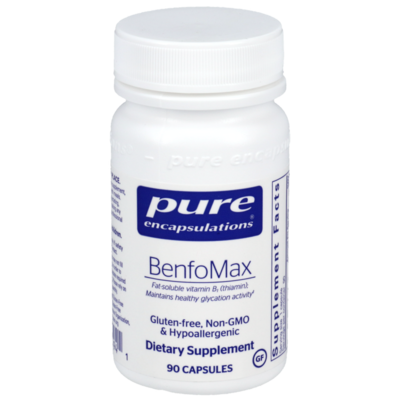 2 more items in The Little B Vitamins That Aren’t So Little
THE LITTLE B VITAMINS THAT AREN'T SO LITTLE: Why thiamine and riboflavin matter for mitochondria, hormones, the brain and women's health WHY THESE LITTLE VITAMINS MATTER: Vitamins B1 and B2 don't get the attention that vitamin D, magnesium or B12 do. They're the little numbers tucked into the back of your multivitamin or prenatal, and you may have taken them for years without a second thought. But inside your mitochondria (the energy factories in your cells), they are major players. They help: - Turn food into usable energy - Move fuel through the TCA (Krebs) cycle - Transfer electrons - Metabolize fats and carbohydrates - Maintain redox (oxidation) balance - Support the metabolism of other vitamins and hormones This matters because some of the tissues we care about most in women's health are "metabolically expensive": the brain, heart, liver, immune system and especially the ovary. The ovary is constantly building, remodeling, signaling, ovulating and, if pregnancy doesn't occur, dismantling and rebuilding again. That takes an enormous amount of cellular energy. B1 (THIAMINE): THE "SPARK OF LIFE": Dr. Derrick Lonsdale titled his 2012 review "Thiamin(e): the spark of life," and the phrase fits. Thiamine sits at several key points where your body converts carbohydrates and other fuels into usable cellular energy. Your body converts thiamine into its main active form, thiamine diphosphate (TDP, also called TPP). TDP is a required helper (cofactor) for enzymes involved in glucose, amino-acid and fat metabolism, including pyruvate dehydrogenase, alpha-ketoglutarate dehydrogenase, branched-chain alpha-ketoacid dehydrogenase and transketolase. How B1 opens the door to the mitochondrial engine: 1. Glucose is broken down to pyruvate. 2. Pyruvate needs to become acetyl-CoA, and the enzyme that does this (pyruvate dehydrogenase) needs thiamine. 3. Acetyl-CoA enters the TCA (Krebs) cycle. 4. Thiamine is needed again at alpha-ketoglutarate dehydrogenase, another step inside the TCA cycle. So calling thiamine an "energy vitamin" actually undersells it. It is part of the machinery that makes energy from fuel. What about the RDA? - Adult women: 1.1 mg/day - Pregnancy: 1.4 mg/day - Lactation: 1.4 mg/day That can look comically small next to people taking 100, 200 or even 500 mg of thiamine. The key distinction: - The RDA answers: How much does a healthy person need to prevent inadequacy? - It does not answer: How much thiamine would best support someone with a particular condition, high metabolic demand or altered physiology? The RDA isn't "too low." It just isn't designed to be a therapeutic dose. High-dose thiamine At high doses, thiamine is absorbed not only through the body's normal (saturable) transport system but also by passive diffusion. In a randomized crossover study, healthy adults took single oral doses of 100, 500 or 1,500 mg of thiamine hydrochloride. Blood levels rose quickly and increased with dose, though not in a straight line. So higher doses really do raise blood levels. But higher blood levels don't automatically mean better outcomes. High-dose thiamine has been studied in diabetes, heart failure, metabolic stress and neurologic disease, with interesting mechanisms, studies and case reports. The evidence is not yet strong enough to call it a universal mitochondrial therapy. The different forms of thiamine - Thiamine hydrochloride (HCl) and thiamine mononitrate: the standard water-soluble forms found in multivitamins, B-complexes and fortified foods. Fine for meeting nutritional needs. - Benfotiamine: a synthetic, fat-soluble derivative with higher bioavailability than thiamine HCl. Used in studies on diabetic neuropathy, glucose metabolism and higher-dose strategies. - TTFD (fursultiamine), sulbutiamine and allithiamine: more lipophilic derivatives that cross cell membranes differently. Studied for tissue availability and neurologic function. You may see claims that one form is dramatically better because it "crosses the blood-brain barrier" or "gets directly into the mitochondria." Some of the underlying pharmacology is real, but we don't fully know whether it means better clinical outcomes. Different forms behave differently; that doesn't make one automatically "better." The form you swallow is a delivery system. It is absorbed, carried to your tissues, taken up by your cells and converted into TDP, the active form that thiamine-dependent enzymes use for energy metabolism. So the real question isn't "Which form is best?" but "Best for what?" It's about understanding the form, the dose, the reason and the evidence. Please don't change your dose or form without talking to your practitioner. Testing B1 The preferred test is TDP measured in whole blood by LC-MS/MS. Serum or plasma thiamine tests are less accurate. If your blood level is low, you are low. But a normal blood level doesn't guarantee what's happening deep in your tissues, which is why testing remains controversial. Normal might not always mean normal. Thiamine deficiency is a spectrum Deficiency doesn't start with classic beriberi. Early symptoms are often vague, which makes mild deficiency hard to recognize. - Early / subclinical: fatigue, irritability, poor appetite, sleep problems, poor memory, mood changes, weakness, muscle pain or cramps, tingling in the feet, fast heart rate or breathing, GI symptoms (nausea, vomiting, abdominal discomfort, sluggish digestion). - Dry beriberi (nerves): symmetric tingling or burning feet (often worse at night), leg pain, calf cramps, reduced vibration sense and reflexes, progressive weakness, muscle wasting; can spread to the arms. - Wet beriberi (heart): fast heart rate, swelling in the legs, enlarged heart, shortness of breath, fluid in the lungs, high-output heart failure. - Wernicke encephalopathy (brain): confusion or altered mental status, loss of coordination, abnormal eye movements. All three appear together in only a minority of patients. The early symptoms are not specific to thiamine. They occur with many other conditions and nutrient deficiencies. But if you find yourself checking off many of them, especially with risk factors, talk with your practitioner. Thiamine is also worth considering for anyone being evaluated for memory problems or dementia. B2 (RIBOFLAVIN): THE FLAVIN THAT KEEPS THE MACHINERY MOVING: If B1 helps move fuel into the mitochondria, B2 handles another fundamental job: electron transfer. Without electron transfer, energy production stalls. Your body converts riboflavin into two active forms: - FMN (flavin mononucleotide) - FAD (flavin adenine dinucleotide) These take part in many reactions involved in energy production, fat metabolism, hormone (steroid) metabolism, drug metabolism and antioxidant defenses. Here's the mitochondrial connection: FAD is a cofactor for succinate dehydrogenase, which is both a step in the TCA (Krebs) cycle and Complex II of the electron transport chain. So B2 sits right at the intersection of the two. Together, B1 and B2 keep your mitochondria humming. B2 does more than mitochondria A 2024 review looked at riboflavin through the lens of women's health and the microbiome, covering energy and steroid metabolism, reproductive health, pregnancy, breastfeeding and hormonal fluctuations. - Folate and homocysteine: FAD is required for MTHFR (yes, that MTHFR), linking riboflavin to folate metabolism and homocysteine handling. - Detoxification of hormones and drugs: FAD and FMN power cytochrome P450 reductase, which supplies electrons to the Phase 1 CYP enzymes that process hormones, drugs, toxins and other compounds. For example, Phase 1 estrogen detoxification moves estradiol and estrone toward Phase 2, and it needs these B2 derivatives. Women's riboflavin needs aren't static - Women 19-50: 1.1 mg/day - Pregnancy: 1.4 mg/day - Lactation: 1.6 mg/day These numbers are a baseline for nutritional adequacy. But menstruation, pregnancy, lactation, diet changes, metabolic disease, medications and malabsorption can all change your needs. That doesn't mean every woman needs extra B2; it means the RDA is the start of the conversation, not the end. The neon yellow urine situation If your urine turns highlighter-yellow a few hours after a B-complex, that's riboflavin. It is naturally yellow and fluorescent, and your body stores only small amounts, so the excess is excreted in urine. It doesn't mean the vitamin "went straight through you" and did nothing. It's harmless. B2 and your gut Bacteria in the large intestine can make riboflavin, though how much this contributes to your overall needs is uncertain. The relationship also runs the other way: riboflavin can influence what gut microbes do. In the RIBOGUT trial, healthy adults took a placebo or 50 or 100 mg/day of riboflavin for two weeks. Overall gut bacteria composition didn't change dramatically, but when the two riboflavin groups were combined, butyrate production increased significantly. Butyrate is a short-chain fatty acid that is very important for the cells lining your large intestine. The trial was small and short, so it doesn't mean "take B2 to raise butyrate." But it suggests nutrients may change what your gut microbes do without changing who is there. Testing B2 - EGRAC (erythrocyte glutathione reductase activation coefficient): the best-established test. It's functional: it measures how much an FAD-dependent enzyme in red blood cells perks up when FAD is added. Common cutoffs: 1.2 or below is adequate, 1.2-1.4 is marginal, above 1.4 is deficient (cutoffs vary). Not reliable with G6PD deficiency. - Plasma riboflavin, FAD and FMN (HPLC or LC-MS): strongly affected by recent intake, so stop riboflavin-containing products for a few days first. - Urinary riboflavin (24-hour or relative to creatinine): also affected by recent intake. Under about 40 mcg/day traditionally suggests deficiency. Less useful than EGRAC for long-term status. Before plasma or urine testing, check labels on your multivitamin, B-complex, protein powder and any other fortified products, and ask your practitioner about pausing them. The forms of B2 This part is simpler than B1. On a label you'll usually see: - Riboflavin - Riboflavin-5'-phosphate, related to FMN and often marketed as the "active" form Your body converts riboflavin into FMN and FAD on its own, so either option is fine. What low B2 looks like: Classic riboflavin deficiency (ariboflavinosis) is considered rare, but some signs may look familiar: - Cracks at the corners of the mouth (angular stomatitis) - Dry, swollen, cracked lips (cheilosis) - Inflamed, smooth, sometimes magenta tongue (glossitis) - Sore throat and red, inflamed mouth and throat tissues - Seborrheic-type dermatitis - Itchy, red eyes - With more severe or prolonged deficiency: anemia, hair loss, cataracts, liver dysfunction and neurologic problems B2 deficiency rarely travels alone. Iron, B6, folate, B12 and zinc deficiencies can cause overlapping signs, so these are worth checking too. Milder, subclinical deficiency may be more common than the classic form and is often missed because it isn't routinely tested. Possible signs include fatigue or weakness, sore throat, mouth and skin changes, anemia, and effects on iron, folate and B6 metabolism. Links to brain fog, mood changes, anxiety or headaches from mild B2 deficiency are much less established. B2 and migraine: Migraine has been linked to altered mitochondrial energy metabolism, which is why researchers have studied riboflavin for prevention. In a randomized placebo-controlled trial, 400 mg/day of riboflavin for three months reduced migraine frequency and headache days: about 59% of participants responded, compared with 15% on placebo. Later reviews have generally found a benefit, though the studies are small and varied. **Notice the dose: 400 mg versus an RDA of 1.1 mg. This doesn't mean everyone needs hundreds of milligrams, or that migraine is simply a B2 deficiency. It shows how a nutrient can be used at a much higher dose for a specific purpose. Riboflavin is generally well tolerated at these doses, with bright yellow urine the most obvious (and harmless) effect. B1, B2 AND YOUR HORMONES: We often talk about hormones as the main event, but they don't operate in a vacuum: 1. Hormones are made, metabolized and used by cells. 2. Cells require energy. 3. Energy production depends on enzymes. 4. Enzymes often require cofactors, and B1 and B2 are among them. For the ovary, this matters enormously. Follicle development, egg maturation, hormone production, ovulation and corpus luteum function all require boatloads of cellular activity. As the ovary ages, mitochondrial function, oxidative balance and inflammation become increasingly important. So even if you don't have cracked lips or itchy red eyes, B1 and B2 may be worth a closer look if you're struggling with hormonal or reproductive concerns. The bottom line: B1 and B2 are easy to overlook. They're inexpensive, familiar and already in your multivitamin, prenatal or protein powder. But they're built into some of the most fundamental processes that keep your cells alive. - B1 helps move carbohydrate fuel into the mitochondria and supports several key metabolic enzymes. - B2 becomes FMN and FAD, which drive electron transfer, the TCA cycle, fat metabolism, redox reactions and hormone metabolism. - Both connect to folate metabolism, homocysteine, reproductive health and the gut microbiome. Every month, the ovary builds a city: follicles develop, cells multiply, blood vessels remodel, hormones are produced, ovulation occurs and the corpus luteum forms, and if pregnancy doesn't happen, it's taken down and rebuilt. Somebody has to pay the energy bill. Mitochondria are the power grid, and B1 and B2 are two of the little cofactors keeping it running. TALK WITH YOUR PRACTITIONER: This is meant to put B1 and B2 on your radar, not to tell you what dose or form to take. Before starting, stopping or changing any supplement, or before testing, talk with your practitioner. Bring up: - Symptoms from the lists above that you're experiencing - All the supplements, protein powders and fortified foods you take - Any medications, digestive issues, pregnancy or breastfeeding - Whether B1 or B2 testing makes sense for you This resource is for educational purposes only and is not a substitute for individualized medical advice, diagnosis or treatment. REFERENCES: - Lonsdale D. Thiamin(e): the spark of life. Subcellular Biochemistry, 2012. - NIH Office of Dietary Supplements. Thiamin fact sheet: https://ods.od.nih.gov/factsheets/Thiamin-HealthProfessional/ - NIH Office of Dietary Supplements. Riboflavin fact sheet: https://ods.od.nih.gov/factsheets/Riboflavin-HealthProfessional/ - Randomized crossover pharmacokinetic study of oral thiamine hydrochloride at 100, 500 and 1,500 mg in healthy adults. - Human pharmacokinetic studies comparing benfotiamine with thiamine hydrochloride. - Review of thiamine deficiency in pregnancy and lactation. - 2024 review of riboflavin in women's health and the microbiome. - 2023 Annual Review of Nutrition paper on subclinical riboflavin deficiency. - RIBOGUT trial: riboflavin 50 or 100 mg/day for two weeks in healthy adults. - Randomized placebo-controlled trial of riboflavin 400 mg/day for migraine prevention, and subsequent meta-analyses.
What Is the Best Form of Zinc? Picolinate vs. Bisglycinate


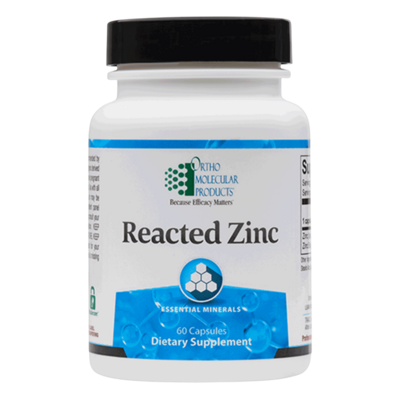

What Is the Best Form of Zinc? Picolinate vs. Bisglycinate Which form of zinc is best absorbed? Chelated forms, zinc picolinate and zinc bisglycinate, have both outperformed zinc oxide, gluconate, and citrate in absorption studies. Both are excellent choices for general immune support;* bisglycinate has a slight edge in head-to-head absorption data, while picolinate has a longer clinical track record. But which is the best type of zinc supplement? This article explains how to choose the best zinc supplement for your needs and why zinc form matters. have both outperformed zinc oxide, gluconate, and citrate in absorption studies. Both are excellent choices for general immune support;* bisglycinate has a slight edge in head-to-head absorption data, while picolinate has a longer clinical track record. But which is the best type of zinc supplement? This article explains how to choose the best zinc supplement for your needs and why zinc form matters. What is zinc and why does your body need it? Zinc is the second-most abundant trace mineral in the body, after iron. Zinc is involved in more than 200 enzymatic reactions and plays a key role in genetic expression, cell division, and growth. Because it is an essential mineral, which means your body doesn’t make it on its own, zinc must be obtained from the diet or supplementation . In most diets, zinc comes from red meat, poultry, and oysters, with lesser amounts coming from beans and nuts. Of all foods with zinc, oysters have the highest amount – approximately 30 mg of zinc per 3-ounce serving, according to the NIH – which is almost twice the recommended daily allowance (RDA) and eight times the amount in beef, which comes in the No. 2 spot, with 3.8 mg per 3-ounce serving. Who is susceptible to a zinc deficiency? Populations particularly susceptible to a zinc deficiency include: Athletes who engage in prolonged activity and lose zinc through sweat Vegans or vegetarians who have low dietary intakes of zinc Elderly people, due to decreased overall intake and poor absorption Teenagers, related to widespread poor diet and eating habits Immune-compromised individuals, such as burn victims, due to increased zinc need Those with limited access to healthy food options Why is zinc important for optimal health? Zinc supplementation can help support general wellness, as well as have a beneficial impact on immune health, skin and connective tissue, growth in children, reproductive health, and nerve and eye health.* The prostate gland in men contains the highest amount of zinc of any soft tissue. Adequate zinc levels support prostate health and the body’s normal production of testosterone. Because of this, adequate zinc is a key factor in choosing the best zinc supplement for men. The skin has the third highest amount of zinc of the various organs in the body. Because of zinc’s beneficial effect on immune function and collagen synthesis and its natural restorative activity, zinc plays an important role in wound healing. Zinc’s role in skin, collagen, and reproductive health also makes it an important consideration in finding the best zinc supplement for women and men. Zinc and immune support: How does zinc help the immune system? Perhaps most important is zinc’s role in the function of the immune system. Zinc helps regulate immune function, exhibits antioxidant activity, and helps maintain a balanced inflammatory response in the immune system. 1 It seems every immunological event is influenced by zinc, making immune function especially susceptible to changes in zinc level. A zinc deficiency can depress your body's immune response, which reduces the ability to eliminate pathogens, mount a response against threats, and produce antibodies. The antioxidant properties of zinc mitigate oxidative stress – a process that damages cells and tissues, particularly when a person has an infection. A study of immune function in the elderly found that even a marginal zinc deficiency in this population adversely impacts immune function and that zinc supplementation promotes a healthy immune response.* 2 What’s the best form of zinc for immune support? The best zinc supplement for immune support is a well-absorbed, well-tolerated form you can take consistently.* In practice, that means a chelated form such as zinc picolinate or zinc bisglycinate. Whether you are searching for the best zinc supplement for yourself or a family member, absorption and tolerability matter most. When it comes to taking supplemental zinc, the primary objective is to absorb the greatest amount of zinc from the fewest number of capsules, without side effects. So, how is this best accomplished? When taking any mineral supplement, the form of the mineral – including the compound it is bound to – matters. One factor that is always an issue when supplementing minerals is that, by their very nature, they are not particularly well absorbed by the human body. This obstacle to absorption can be partially overcome by optimizing the form the mineral comes in. For zinc, this is simple chemistry – different forms of zinc are better absorbed than others. So, which form of zinc is best absorbed? Thorne offers two different forms of zinc – zinc picolinate and zinc bisglycinate – in many of our product formulas, as well as standalone products. But is there a best form of zinc? That’s a good question, because both are well-absorbed, excellent choices. Zinc bisglycinate has data showing better absorption compared to other forms. Zinc picolinate, meanwhile, has a longer history of use as a supplement and, as such, has been the subject of more clinical studies. Zinc picolinate vs. zinc bisglycinate: Which is better absorbed? In comparing zinc bisglycinate vs. zinc picolinate, both forms are highly absorbable. Either is a strong choice; the studies below show how they perform. In one study, 12 healthy women were given single doses of zinc bisglycinate, zinc picolinate, zinc gluconate, or zinc oxide. 3 With blood levels tested every hour for four hours, zinc bisglycinate resulted in the highest plasma zinc levels. In addition, zinc in red blood cells (RBC) was measured over the same four-hour period. At the end of the study, RBC levels of zinc were in the following order from highest to lowest: zinc bisglycinate > zinc picolinate > zinc gluconate > zinc oxide. References Jarosz M, Olber M, Wyszogrodzka G, et al. Antioxidant ... effects of zinc. Zinc-dependent NF-κB signaling. Inflammopharmacology 2017;25(1):11-24. Haase H, Rink L. The immune system and the impact of zinc during aging. Immun Ageing 2009;6:9. https://pubmed.ncbi.nlm.nih.gov/19523191/ DiSilvestro R, Swan M. Comparison of four commercially available zinc supplements for performance in a zinc tolerance test. FASEB J 2008;22:693.3 Barrie S, Wright J, Pizzorno J, et al. Comparative absorption of zinc picolinate, zinc citrate and zinc gluconate in humans. Agents Actions 1987;21(1-2):223-228. https://pubmed.ncbi.nlm.nih.gov/3630857/
Are Our Foods Losing Their Minerals? 🌱

Are Our Foods Losing Their Minerals? 🌱 You can buy fresh produce, eat a variety of vegetables, and prioritize a whole-food diet—and still wonder: Am I actually getting all the nutrients I need? It turns out, the answer may depend on more than what’s on your plate. It starts with the soil. Plants depend on soil for minerals like magnesium, zinc, iron, copper, and manganese. But decades of intensive farming can remove these nutrients faster than they're replaced. At the same time, modern crops have been bred to produce more food per acre—and some research suggests those higher yields can come with a trade-off: fewer minerals in every bite. This doesn’t mean fruits and vegetables aren’t nutritious. Far from it. But it does mean that eating a healthy diet today may not always provide the same mineral density it once did—and making sure you get enough essential minerals may be more important than ever. This month, we’re following the science from the soil all the way to your cells. Want to geek out deeper? Click the links to explore the studies. 🔬 Here’s What You’ll Learn: 🌱 How repeated farming can slowly drain minerals from soil 🌾 Why modern high-yield crops may contain fewer minerals 🧑🌾 What nearly two decades of soil testing tells us about intensive agriculture ❤️ Why getting enough essential minerals matters for long-term health 💧 How broad-spectrum mineral support can help fill nutritional gaps 1. Growing food can slowly drain minerals from the soil Study: El-Fouly, M. M., et al. (2010). Depletion of Zn, Fe, Mn and Cu from cultivated Egyptian soils by field crops. Journal of Food Agriculture and Environment. 8. 713-720. 🔗 Link to Study Key Highlights: Researchers compared soils and crops from 11 agricultural regions in Egypt. Cultivated soils showed depletion of zinc, iron, manganese, and copper when these nutrients weren't replenished with fertiliser. Repeatedly harvesting the same crops removes minerals from the soil, creating the potential for reserves to decline over time. Why It Matters: Every crop we harvest takes nutrients with it. If those minerals aren't returned to the soil, it's a little like repeatedly withdrawing money without making another deposit. Over time, depleted soil may make it harder to grow crops with an optimal balance of essential nutrients. 2. Bigger crop yields don't always mean more nutrition Study: Fan, M. S., et al. (2008). Evidence of decreasing mineral density in wheat grain over the last 160 years. Journal of Trace Elements in Medicine and Biology, 22(4), 315–324. 🔗 Link to Study Key Highlights: Researchers analysed wheat from a farming experiment spanning more than 160 years. Zinc, iron, copper, and magnesium concentrations in wheat declined significantly beginning around the introduction of modern high-yield wheat varieties. Soil mineral levels remained stable, pointing to a “dilution effect” from higher-yielding wheat varieties rather than soil depletion. Why It Matters: This study introduces an important twist: depleted soil isn't the whole story. When crops are bred to grow bigger or produce more grain, the minerals inside the plant may become more diluted. In other words, we're getting more food from the field—but potentially less of certain minerals in each serving. 3. Intensive farming can change soil nutrition within decades Study: Nyiraneza, J., et al. (2019). Long-term changes in soil nutrient status under intensive agriculture in Prince Edward Island, Canada. Communications in Soil Science and Plant Analysis, 50(20), 2505–2520. 🔗 Link to Study Key Highlights: Researchers tracked hundreds of soil sampling locations from 1998 through 2015. Extractable sulfur and magnesium declined substantially over the study period. The percentage of surveyed soils considered high in sulfur fell dramatically by the final sampling cycles. Why It Matters: Mineral depletion isn't just something that happens over generations. This research shows meaningful changes can occur within a relatively short period under intensive agriculture. It reinforces why soil health and nutrient replacement matter—not only for the quantity of crops we grow, but ultimately for the nutritional quality of our food supply. 4. Mineral intake matters for long-term human health Study: Yazdanpanah, N., et al. (2024). Dietary mineral intake and risk of cardiovascular, cancer, and all-cause mortality in the Golestan Cohort Study. Nutrients, 16(3), 344. 🔗 Link to Study Key Highlights: Researchers followed dietary patterns in more than 41,000 adults. They examined nine essential minerals, including magnesium, zinc, selenium, potassium, calcium, and iron. Relationships differed between individual minerals and health outcomes, highlighting the importance—and complexity—of overall mineral nutrition. Why It Matters: Minerals may be tiny, but their jobs are anything but. Your cells depend on them for energy production, hydration, nerve signalling, antioxidant defences, and hundreds of enzyme reactions. This research is a reminder that mineral nutrition isn't about chasing one trendy nutrient—it's about getting a broad spectrum of essential minerals over a lifetime. In Summary Eating healthy food still matters enormously—but its nutritional value starts long before it reaches your plate. Research shows that intensive farming can reduce mineral reserves in soil, while modern high-yield crops may contain lower concentrations of certain minerals even when the soil itself isn't depleted. That makes mineral nutrition worth paying attention to. A varied, whole-food diet should always be the foundation, but targeted mineral support can help fill the gaps when modern food doesn't provide everything your cells need. IT is important to put the minerals back in! BodyBio ReMineralize provides a full spectrum of macro and trace minerals to help: ✓ Replenish essential minerals that may be missing from modern diets ✓ Support cellular energy and enzyme function ✓ Promote healthy hydration and electrolyte balance ✓ Provide broad-spectrum mineral support for everyday wellness
Parasite Purge with Dr. Meg
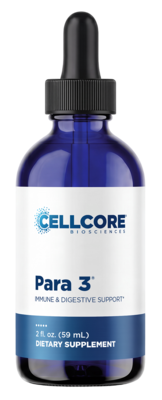
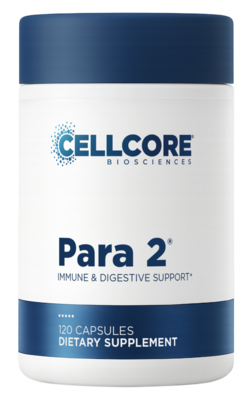
 4 more items in Parasite Purge with Dr. Meg
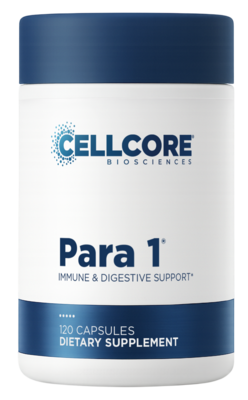
CellCore’s Para Kit is a comprehensive intestinal cleansing system designed to support the body’s natural defenses against unwanted intestinal organisms while promoting healthy microbial balance, digestive clearance, and elimination. Key Benefits Supports the body’s natural defenses against unwanted intestinal organisms Promotes healthy intestinal microbial balance and a balanced gut environment Encourages digestive clearance and elimination of unwanted intestinal material Provides broad-spectrum botanical support for intestinal and digestive health Provides daily binding support to aid the elimination of unwanted compounds See the dosing information attached, and reach out to Dr. Meg for a more personalized dosing structure.
The Missing Link in Estrogen Metabolism


The Missing Link in Estrogen Metabolism: For women moving through perimenopause and postmenopause, declining estrogen is often viewed primarily through the lens of hormone levels and replacement. But estrogen does not operate independently. Its synthesis, metabolism, and clearance are closely connected to choline availability, phosphatidylcholine production, and the liver pathways that support both. This article explores an often-overlooked relationship between estrogen and phosphatidylcholine—specifically, how estrogen regulates PC synthesis through the PEMT pathway and why declining estrogen can increase a woman’s dependence on dietary choline and phospholipids. We’ll also examine how genetics, nutrient intake, fatty acid status, and other physiological demands can widen this gap, and what this means when supporting women before and after menopause. The Missing Link to Estrogen in Perimenopause and Postmenopause Most practitioners treat estrogen and choline as two separate conversations. They are not. Estrogen can't be made, moved through the body, or cleared out safely without enough choline and phosphatidylcholine on hand — and estrogen is what tells the liver to make more choline in the first place. Break that loop, which happens routinely in perimenopause and post-menopause, and whatever estrogen a patient has, whether it's her own or from therapy, stops doing what it's supposed to do. Why Choline Is Essential to Estrogen A patient's estrogen level on paper does not tell you much if her body can’t do anything with it. Making it, moving it around, and getting rid of it once it is done its job all draw on the same pool of methyl donors and phospholipids that choline feeds. Clearance is where this shows up most clearly. The liver disarms estrogen through COMT, an enzyme that methylates catechol estrogens into water-soluble compounds the body can excrete. That reaction runs on SAMe, and choline is one of the main ways the body keeps its SAMe supply stocked: it gets oxidized into betaine, and betaine hands off a methyl group through BHMT to regenerate methionine, which becomes SAMe. A 2025 study out of South Africa actually measured this in women on estrogen-containing birth control. How much of their estrogen got safely methylated corresponded with their betaine, DMG, and SAMe levels — not with how much estrogen was circulating (Venter et al., 2025, Scientific Reports) [1]. So choline touches estrogen twice over. PEMT ties it to how much the body makes in response to estrogen, which we'll get to below. Methylation ties it to whether that estrogen clears safely once it's done its work. What the Research Shows: Optimal Estrogen vs. Poor Estrogen Metabolism Adequate estrogen through perimenopause and postmenopause does real protective work. A 2023 review of randomized trials found it helps bone density, has direct effects on vascular smooth muscle (cell turnover, fibrinolysis, apoptosis), and slowed cognitive decline in women who already had mild impairment [2]. The European Menopause and Andropause Society puts it plainly in their position statement: falling estrogen raises risk for vasomotor symptoms, cardiovascular disease, bone loss, cognitive decline, and all-cause mortality [3]. Data from women who have had their ovaries removed tells the same story — more coronary disease, more fractures, worse cognition and sexual function [4]. Where it gets more complicated: estrogen that doesn't clear well is its own liability. When methylation capacity is limited, catechol estrogens build up instead of getting safely methoxylated, and they can oxidize into genotoxic quinones and reactive oxygen species [1]. Which is really the point here: a patient doesn't just need more estrogen, or even a normal-looking estrogen number. She needs estrogen her body can actually make, use, and get rid of. Choline and PC status dictates all three. The Other Half of the Loop: How Estrogen Drives Choline Production via PEMT It works the other way too — estrogen itself controls how much choline the body makes on its own. Phosphatidylcholine is the most abundant phospholipid in every cell membrane, and patients get it two ways: from dietary choline, or from PEMT, a liver enzyme that converts phosphatidylethanolamine into PC on its own. Estrogen binds a response element near the PEMT gene and turns its transcription up in a dose-dependent way in human hepatocytes, which is the actual mechanism behind why premenopausal women need less choline from food than everyone else (Resseguie et al., 2007, The FASEB Journal) [5]. There's a common SNP, rs12325817, sitting right next to that response element. The risk allele can't bind the estrogen receptor or FOXA1, so it blocks PEMT from getting its hormonal boost no matter where a woman is in menopause [6]. Once estrogen drops — at menopause, or sooner in someone carrying that SNP — PEMT-driven PC synthesis drops with it, and diet becomes almost the only source left. The Evidence: Four Studies That Define the Risk These four studies, all out of Steven Zeisel's group at UNC, lay out the risk in direct terms. Resseguie et al., 2007 (The FASEB Journal 21(10):2622-32). 17β-estradiol increased PEMT transcription, protein, and enzyme activity in primary human and mouse hepatocytes in a dose-dependent manner — the first direct evidence that estrogen governs PC synthesis in human liver tissue. [5] Resseguie et al., 2010 (Journal of Biological Chemistry 286(2):1649-58). Mapped the estrogen response element in PEMT and identified rs12325817 as the polymorphism most strongly linked to choline-deficiency-associated liver dysfunction (p<0.00006); the risk allele fails to bind the estrogen receptor or FOXA1. [6] Fischer et al., 2010 (The American Journal of Clinical Nutrition 92(5):1113-9). Randomized trial of 49 women (27 premenopausal, 22 postmenopausal) on a very-low-choline diet. 73% of postmenopausal women on placebo developed organ dysfunction (hepatic or muscle damage) versus only 18% of those given estrogen replacement — direct clinical proof that estrogen protects against choline deficiency. Premenopausal women's own risk rose with rs12325817 allele count: 13% (0 alleles), 43% (1 allele), 80% (2 alleles). [7] Zeisel, 2011 (The Journal of Nutrition 141(3):531-4). Synthesized this body of work: estrogen-induced PEMT expression explains why premenopausal women are comparatively resistant to choline deficiency, while postmenopausal women and men are not. [8] The same group had already spotted the pattern a few years earlier, before anyone knew why it was happening: on a low-choline diet, 80% of postmenopausal women and 77% of men developed organ dysfunction, compared with 44% of premenopausal women [9]. Why the Gap Widens in Practice The PEMT-estrogen research describes a baseline risk. In practice, three other things stack on top of it. Diet is the most obvious one. Choline is the nutrient U.S. adults are most consistently short on. NHANES data spanning 2003 to 2018, covering almost 40,000 adults, found intake below the adequate level the entire time, supplements included [10]. Another NHANES analysis found only 8% of the population hits adequate choline intake even counting multivitamin use [11]. Among adults over 60, 96% fall short [12]. Then there's fatty acid status. Building PC and repairing membranes both need a steady supply of polyunsaturated fats to attach to the phospholipid backbone. A patient who's low on essential fatty acids is short on raw material even when her choline intake and PEMT activity are otherwise fine. And there's chronic stress . Sustained sympathetic and HPA-axis activation raises oxidative load on cell membranes, and lipid peroxidation breaks phospholipids down faster than the body can replace them. That's mechanistic reasoning more than a direct trial finding in this specific population, but it points the same direction: a patient under chronic stress is drawing from the same phospholipid pool a postmenopausal, PEMT-limited liver is already struggling to refill. Put it together and the membrane is getting hit from three sides at once: less synthesis, less raw material, faster breakdown. Choline and PC status in a postmenopausal patient isn't a standalone micronutrient issue — it's one piece of a bigger membrane problem. Clinical Takeaway For a postmenopausal patient, or anyone carrying rs12325817, diet alone usually won't cover it. Most adults don't hit adequate choline intake even before the estrogen-driven loss is factored in. Giving PC directly sidesteps the whole PEMT bottleneck — you are handing the body the finished phospholipid instead of asking a stalled enzyme to build it from a precursor. That is the case for the BodyBio PC here. It delivers phosphatidylcholine directly, supporting membrane structure and hepatic lipid transport whether or not PEMT is getting its usual estrogen signal — which makes it the straightforward answer for a patient whose own synthesis is compromised by menopause, genotype, or just years of poor diet, low fatty acid status, and chronic stress. Contributed by Dr. John Kim, PharmD, BodyBio Clinical Science Liaison References Venter G et al. (2025). Scientific Reports, 15(1), 31468. Yoon BK. (2023). Climacteric, 26(3), 193–197. Cano A et al. (2020). Maturitas, 139, 90–97. Adelman MR & Sharp HT. (2017). American Journal of Obstetrics and Gynecology, 218(3), 269–279. Resseguie ME et al. (2007). FASEB Journal, 21(10), 2622–2632. Resseguie ME et al. (2010). Journal of Biological Chemistry, 286(2), 1649–1658. Fischer LM et al. (2010). American Journal of Clinical Nutrition, 92(5), 1113–1119. Zeisel SH. (2011). Journal of Nutrition, 141(3), 531–534. Fischer LM et al. (2007). American Journal of Clinical Nutrition, 85(5), 1275–1285. Freedman MR, Fulgoni VL & Lieberman HR. (2024). American Journal of Clinical Nutrition, 119(5), 1309–1320. Wallace TC, McBurney M & Fulgoni VL. (2014). Journal of the American College of Nutrition, 33(2), 94–102. Agarwal S & Fulgoni VL. (2024). Nutrients, 16(11), 1779.
DAO: The Enzyme at the Center of the Dietary Histamine Conversation
 2 more items in DAO: The Enzyme at the Center of the Dietary Histamine Conversation
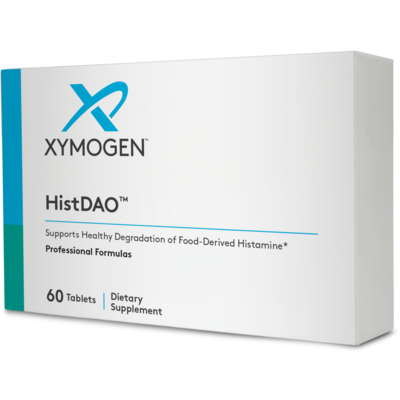
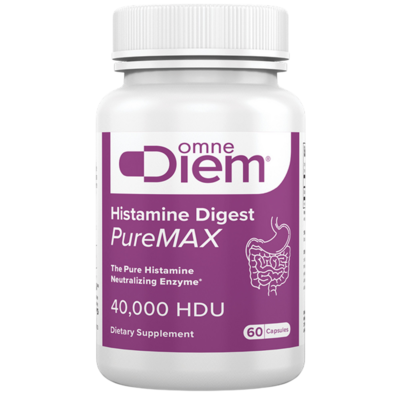
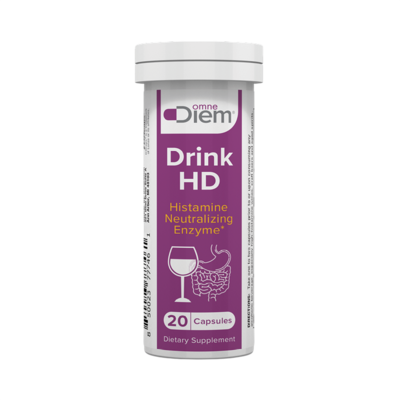
DAO: The Enzyme at the Center of the Dietary Histamine Conversation Diamine oxidase (DAO) is the enzyme your gut uses to break down histamine from food before it reaches your bloodstream. When the body’s natural DAO activity can’t keep up with its overall histamine load, occasional discomfort is often the first clue. Read on to learn more about how DAO plays an important role in understanding histamine sensitivity and how you can help support your body’s natural response to histamine overload. What Is DAO (Diamine Oxidase)? Histamine occurs naturally in the body and in many foods. Two enzymes clear it: DAO, in the gut lining, and HNMT (Histamine N-methyltransferase), inside cells. DAO helps your body clear excess histamine in the body, especially from foods that carry high histamine such as leftovers, fermented products and beverages like red wine, or aged meats and cheese. Where Is DAO Produced, and Why Does DAO Activity Vary? Most DAO is produced in the small intestine lining, plus the kidneys and, during pregnancy , the placenta. Activity varies person to person; lower activity is associated with a histamine-heavy diet, alcohol (which competes with DAO along the same pathway), intestinal-lining conditions, some medications, and genetics. 1 Why Do I React More on Certain Days From High Histamine Foods and Not Other Days? One of the most confusing things about histamine intolerance is how unpredictable it feels. This is where the histamine bucket metaphor comes into play. Every day, your bucket starts at a different level, depending on a variety of factors, including stress, hormones , and the food you eat. Same food, same person, different starting level — that’s the variable most people miss. How Do You Know If Your DAO Is Low? Because DAO acts in the gut, its effects tend to show up shortly after eating foods that are either high in histamine, or are histamine liberators : digestive discomfort, facial flushing, itching, nasal congestion, or a pounding head tied to certain foods. Food-related discomfort can have many causes, so these patterns are worth discussing with a healthcare provider rather than self-diagnosing. Nutrient Cofactors DAO Depends On Like most enzymes, DAO depends on specific nutrients. The clearest example is copper: DAO belongs to a family of copper-containing amine oxidases, making copper a structural, catalytic part of the enzyme. What Are HDUs? HDU stands for Histamine-Degrading Unit — a lab measurement of how much histamine a set amount of DAO enzyme can break down under standardized conditions. It’s how DAO potency is compared across products, similar to USP or FCC units for other enzymes. A higher HDU count means more measured activity per capsule, not a different type of DAO — from a standard formula’s 30,000 HDU up to a purer formula’s 40,000 HDU . How Do I Support My DAO Enzyme Levels? Typically, lowering dietary histamine intake, and giving your gut extra DAO when needed via supplementation, is the standard way to support your body’s overall histamine load and the natural clearing process. Choosing fresher foods over aged, fermented, or leftovers is one way many people find helpful, along with DAO supplementation. Check out our Low Histamine Shopping List , which also includes links to healthy, tasty recipes you can try as a good starting point. Pea vs. Porcine-Derived DAO Supplements DAO supplements are sourced from porcine (pork) kidney or from peas. Porcine-derived DAO is behind most published human research, with an established safety profile and HDU-measurable activity. Pea-derived DAO’s advantage is dietary inclusivity for vegetarian, vegan, or religious needs — but human trials are limited, and it isn’t well established that active DAO survives extraction from peas (dried pea powder contains none). That’s why DAOgest® is porcine-derived. See our full comparison for more.* How Long Before Eating Should I Take DAO Supplements? For optimal effectiveness, we recommend taking OmneDiem’s Histamine Digest 15–30 minutes before consuming a meal or beverage. This allows the DAO enzyme to be present in your digestive tract and ready to assist the body’s natural process of breaking down histamine from the food you consume. How Are DAO Supplements Different From Antihistamines? Antihistamines work after the fact, blocking histamine receptors once histamine is already circulating. A DAO enzyme supplement works earlier, in the gut, helping support the breakdown of dietary histamine before it’s absorbed — used proactively, before a meal, rather than reactively.* If you’re taking antihistamines for allergies, a DAO supplement isn’t a replacement for them. Talk with your healthcare provider before adding a DAO supplement to your antihistamine routine. FAQ About DAO Supplements What is Histamine Intolerance? Histamine intolerance describes what happens when more histamine comes in — from food, or the body’s own release — than DAO can break down in the gut, so dietary histamine builds past a person’s individual tolerance. Because effects can show up across the gut, skin, sinuses, sleep, and mood, it’s easily mistaken for other things, and standard testing has real limits, so many people go a long time without a clear answer. It isn’t a formal diagnosis in the way an allergy is — it’s a pattern of sensitivity that people and their healthcare providers work through case by case. Read more in Histamine Intolerance Is Real . What is DAO deficiency? “DAO deficiency” describes gut DAO activity that doesn’t keep pace with dietary histamine, rather than a single diagnosable condition. A healthcare provider is the right resource for evaluating persistent symptoms. What’s the Difference Between a Food Allergy and a Food Intolerance? A food allergy is an immune-system response that can trigger a sudden, severe reaction — including anaphylaxis — from even a small amount. A food intolerance is a digestive-system issue, often tied to an enzyme shortfall (DAO for dietary histamine, lactase for lactose), with symptoms usually limited to discomfort like gas and bloating. 1 OmneDiem’s DAO enzyme supplements support the normal breakdown of dietary histamine and have no effect on food allergies. If you suspect a true food allergy, seek immediate medical attention. This page is for general educational purposes only and isn’t intended as medical advice. Talk with a trusted healthcare provider for your individual health needs.
Featured product collections
Discover groups of products curated by Dr. Meg's Supplements for SUCCESS.
Acid Reflux/ Gerd/ GI
28 products

Dr. Meg Landis
Welcome to your path to wellness! Dr. Meg's practice revolves around YOU! Together we will focus on getting to your root cause: why do you feel they way you feel? We will create a customized plan that will help you reach your goals for WELLNESS! I am honored to join you on this journey!
My websiteFocus areas
Environmental Health
Gastrointestinal Health
Immune Health
Endocrine / Hormonal Health
States of practice
Alabama
Alaska
Arizona
Arkansas
California
Colorado
Connecticut
Delaware
District of Columbia
Florida
Georgia
Hawaii
Idaho
Illinois
Indiana
Iowa
Kansas
Kentucky
Louisiana
Maine
Maryland
Massachusetts
Michigan
Minnesota
Mississippi
Missouri
Montana
Nebraska
Nevada
New Hampshire
New Jersey
New Mexico
New York
North Carolina
North Dakota
Ohio
Oklahoma
Oregon
Pennsylvania
Puerto Rico
Rhode Island
South Carolina
South Dakota
Tennessee
Texas
Utah
Vermont
Virginia
Washington
West Virginia
Wisconsin
Wyoming
Shop the entire wellness catalog, held to a higher standard
Shop 50K+ practitioner-grade products, each meeting the same bar for quality through Fullscript's standards.
Powered byTested
Independent lab testing backs the label
Verified
Every brand is vetted for identity and purity
Trusted
Relied on by 135k+ practitioners nationwide