
Aslan Health, LLC
Aslan Health — Where Science Meets Soul
Welcome to the Aslan Health storefront. Browse products and protocols. Many of the protocols here pair with an Aslan Health guide, a newsletter series, or a podcast episode. Enjoy! Dr. Mike Hauman Serving Him by Serving You. Aslan Health earns a commission on purchases made through the dispensary. Your price is the same either way, and it does not change what is recommended here.
Up to 25% off your order when you sign up*
Shop the highest quality, rigorously tested supplements
Fast and free shipping for orders over $50
*Discounts may vary by order. Labs and select products not eligible
Existing account? Log in here
Featured public protocols
Aslan Health, LLC's general recommendations, available to anyone who visits this store.
Sleep Support
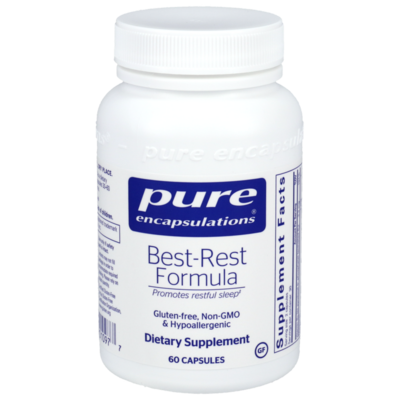
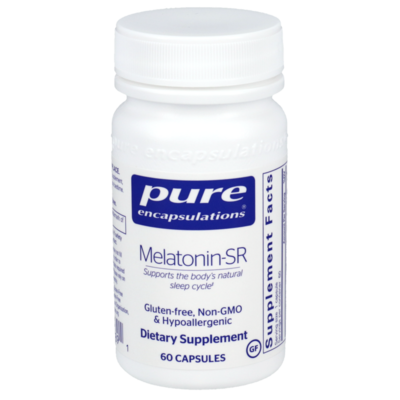
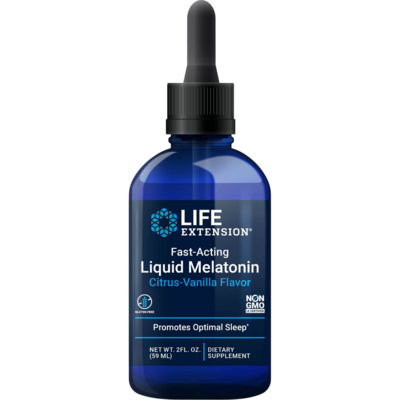 3 more items in Sleep Support
This protocol lists four products that some people use alongside a sleep plan. It is not a stack. Do not start all at once. Sleep habits, daily rhythm, and a wise clinical evaluation come first; then add one product at a time, with a clear purpose, appropriate guidance, and periodic review. Products are tools; they are not substitutes for good habits or for a diagnosis. Dr. Mike Hauman ABOUT SLEEP What is going on: Healthy sleep is less like pressing a button and more like tending a garden. You cannot demand a harvest tonight, but you can prepare the ground: light, rhythm, movement, calm, and a protected sleep environment. Sleep follows downstream from the life that precedes it, so your most useful sleep practice may begin hours before your head reaches the pillow. A consistent wake time is your strongest circadian anchor. Caffeine's effects may persist for hours, and alcohol fragments sleep and depresses breathing. What the evidence shows: Insomnia is considered chronic when trouble falling asleep, staying asleep, or obtaining good-quality sleep occurs at least three nights per week for at least three months and affects daytime function. The American Academy of Sleep Medicine (AASM) strongly recommends multicomponent cognitive behavioral therapy for insomnia (CBT-I), and sleep-hygiene advice alone is not an adequate stand-alone treatment for chronic insomnia. A 2026 AASM guideline suggests CBT-I plus medication over medication alone, and CBT-I alone over routinely starting both together; both recommendations are conditional. Melatonin is primarily a timing signal and is not recommended by the AASM as routine treatment for chronic sleep-onset or sleep-maintenance insomnia in adults; some people may still use it for specific circadian-timing problems under appropriate guidance. The sleep guides name no supplement product and give no amount, and this protocol makes no claim that its products treat insomnia or any other sleep disorder. Start here: Start with the pattern, not the perfect night. Record one week with the Sleep Hygiene Tracker before you change anything. Then choose two or three actions that are realistic now: keep a consistent wake time, within about one hour, weekends included; get outdoor light soon after waking; set a caffeine curfew 8 or more hours before bedtime; reduce or avoid alcohol near bedtime; dim lights and screens during the final hour before bed; repeat the same wind-down routine; and keep the bedroom dark, cool, and quiet. Practice them for seven days, change one thing at a time, and add another step only when the first habits feel steady. If you cannot sleep after 20 minutes, get up, pray, do something quiet in the dark, and return when sleepy. Talk with your clinician first if: You have frequent loud snoring, witnessed pauses in breathing, gasping for air, daytime sleepiness, or a dry mouth or headache on waking; these are signs to ask about evaluation for sleep apnea, which often includes a sleep study. Seek evaluation as well when poor sleep persists, impairs daily life, or fits the description of chronic insomnia above. Sleep products can interact with prescriptions, alcohol, and one another. Extra caution is warranted during pregnancy or nursing, with seizure history, significant mental-health conditions, liver or kidney disease, or complex medical care. Review new sleep aids with your physician or pharmacist. If sleepiness makes driving or safety-sensitive work unsafe, do not try to push through it: stop the hazardous activity and obtain prompt medical guidance. COMPANION RESOURCES Sleep Hygiene Tracker : a seven-day record of bedtime, wake time, sleep, morning mood, caffeine, and evening state, with a weekly snapshot and reflection questions. Sleep Hygiene Guide : what to stop, what to start, and a seven-day practice of seven anchors. Aslan Health Sleep Renew Plan : twelve actions, a day-shaped framework, the signs that better habits are not enough, a seven-day practice tracker, and the sources for the statements above. Listen: Why Sleep Matters: What Poor Sleep Does to Your Mind, Body, and Soul (Part 1) Listen: Sleep Hygiene: What to Stop and What to Start for Better Sleep (Part 2) Listen: How to Sleep Better Long Term: Building a Life Your Body Can Sleep In (Part 3) Products listed in this protocol can change with availability. Aslan Health earns a commission on purchases made through the dispensary. Your price is the same either way, and it does not change what is recommended here. This content is educational and is not medical advice. Listening or reading does not create a physician-patient relationship, and nothing here substitutes for individualized care from your own clinician. Do not use it to diagnose or treat a health problem, and do not delay or disregard professional medical advice because of something you read or heard here. Talk with your physician or pharmacist before starting any supplement — particularly if you are pregnant or nursing, have a diagnosed condition, or take prescription medication. Supplements can interact with medications. If you think you may have a medical emergency, call 911 or your local emergency number. These statements have not been evaluated by the Food and Drug Administration. These products are not intended to diagnose, treat, cure, or prevent any disease.
Circadian Rhythm Stabilization
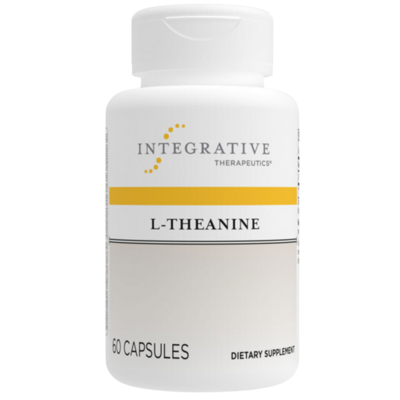
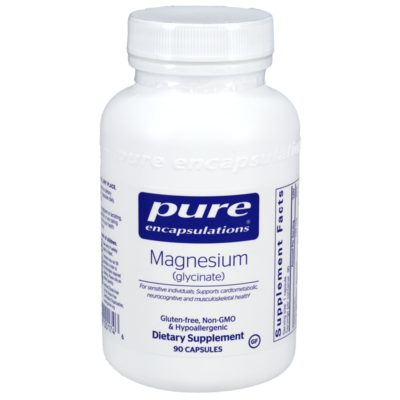
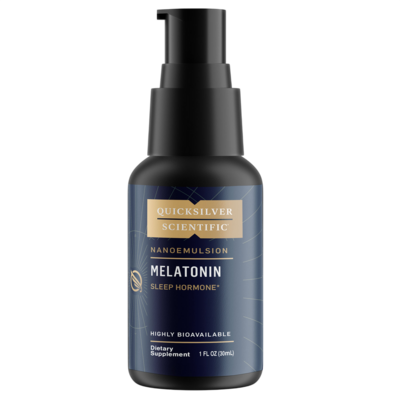 2 more items in Circadian Rhythm Stabilization
This protocol lists three products that some people use alongside a circadian rhythm plan. It is not a stack. Do not start all at once. Start with the timing signals: morning light, evening darkness, a consistent wake time, and meal timing; then add one product at a time, with a clear purpose, appropriate guidance, and periodic review. Products are tools; they do not replace the timing signals. Dr. Mike Hauman ABOUT CIRCADIAN RHYTHM What is going on: Circadian rhythm is your body's 24-hour timing system. It helps coordinate sleep, energy, hormones, digestion, metabolism, and recovery. Your brain uses light and darkness as the strongest cues for when to be alert and when to repair. Meal timing is a powerful cue for the liver, pancreas, and gut; movement is a cue as well; and routine and social rhythm matter because predictability calms the nervous system. If you keep returning to these signals, your body learns the difference between day and night. What the evidence shows: When outdoor morning light is not viable (dark winters, unsafe weather, extreme cold), the Circadian Rhythm Guide describes bright light therapy as the most evidence-supported substitute: a broad-spectrum white light box giving 10,000 lux at the eyes for about 30 minutes within the first hour after waking, or a longer session with a lower-intensity device (5,000 lux for about 45 to 60 minutes, or 2,500 lux for about 1 to 2 hours). Outdoor daylight is best when it is available. The Aslan Health Sleep Renew Plan states that melatonin is primarily a timing signal and is not recommended by the American Academy of Sleep Medicine (AASM) as routine treatment for chronic sleep-onset or sleep-maintenance insomnia in adults; some people may still use it for specific circadian-timing problems under appropriate guidance. The circadian guides name no supplement product and give no amount, and this protocol makes no claim that its products treat a circadian rhythm disorder or any other sleep problem. Start here: Start by observing. For seven days, record with the Circadian Rhythm Audit: wake time, morning outdoor light, caffeine start and stop, last meal, screen off, bedtime, and how the next day felt. At the end of the week, name the one rhythm change that would have the biggest positive impact. Then choose a start date and keep it simple. Your job is not perfection; it is to send your body consistent signals. Keep your wake time within about 60 minutes each day, weekends included. Get light within 60 minutes of waking. Stop caffeine 8 hours before bedtime, or 10 hours if you are sensitive. Finish your last meal 2 to 3 hours before bed. Dim lights after dinner, reduce bright screens in the last 60 minutes before bed, and keep a calming routine for the last 30 to 60 minutes. Optional boosts: a 10-minute walk outdoors in the morning or at midday, and strength or aerobic exercise earlier in the day if late workouts keep you wired. Talk with your clinician first if: You are considering bright light therapy and have bipolar disorder (it may trigger hypomania or mania) or significant eye disease, especially a retinal condition, or you take a photosensitizing medication; ask your clinician or pharmacist. With a light box, choose a device with UV-filtered or minimal UV output, and prefer one evaluated under photobiological safety standards. Do not use tanning lamps or UV therapy as a substitute. Position the light slightly off to the side and do not stare into it. Avoid bright light therapy late in the evening; it can delay sleep onset. COMPANION RESOURCES Circadian Rhythm Guide : the four strongest circadian signals, a daily reset plan, an indoor morning light substitute with a safety checklist, and who should be cautious. Circadian Rhythm Audit : a seven-day worksheet for wake time, morning light, caffeine, last meal, screens, and bedtime, with four end-of-week reflection questions. Listen: What Is Circadian Rhythm? How Your Body Clock Shapes Energy and Sleep (Part 1) Listen: How to Reset Your Circadian Rhythm: Six Practical Principles (Part 2) Listen: How to Build a Circadian Rhythm That Lasts: Six Pillars (Part 3) Products listed in this protocol can change with availability. Aslan Health earns a commission on purchases made through the dispensary. Your price is the same either way, and it does not change what is recommended here. This content is educational and is not medical advice. Listening or reading does not create a physician-patient relationship, and nothing here substitutes for individualized care from your own clinician. Do not use it to diagnose or treat a health problem, and do not delay or disregard professional medical advice because of something you read or heard here. Talk with your physician or pharmacist before starting any supplement — particularly if you are pregnant or nursing, have a diagnosed condition, or take prescription medication. Supplements can interact with medications. If you think you may have a medical emergency, call 911 or your local emergency number. These statements have not been evaluated by the Food and Drug Administration. These products are not intended to diagnose, treat, cure, or prevent any disease.
Omega-3, Fish Oil
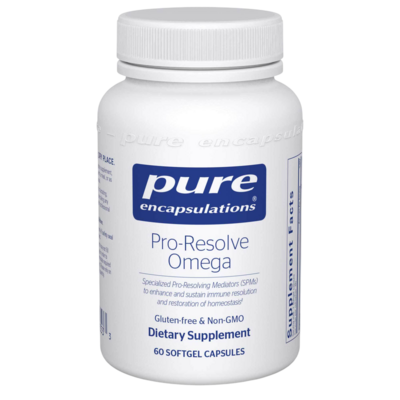
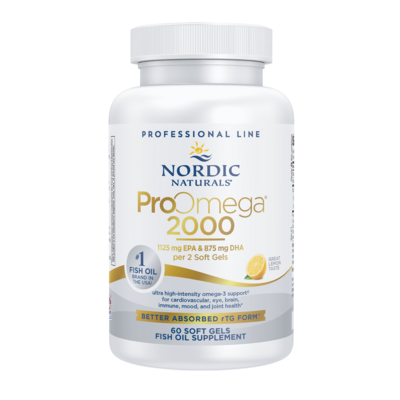
 3 more items in Omega-3, Fish Oil
This protocol lists omega-3 product options, each matched to a different goal. Choose only one : start with food, name your goal, then pick the product that fits it. Dose by combined EPA + DHA, not by total fish oil. Dr. Mike Hauman ABOUT OMEGA-3 What is going on: EPA and DHA are the omega-3 fats found in fatty fish. They support the structure and flexibility of cell membranes; DHA is a major structural fat in the brain and retina; and both supply raw materials for the body's resolution response, the shift from inflammatory alarm toward cleanup, protection, and repair. The plant omega-3, ALA, converts to EPA and DHA only to a limited degree. What the evidence shows: The largest primary-prevention trial, VITAL, gave 840 mg a day of EPA and DHA to 25,871 adults over a median of 5.3 years. Its primary composite cardiovascular endpoint was not significantly reduced. Heart attack, a secondary endpoint, was 28% lower; secondary endpoints carry a higher chance of a false positive and should be read with caution. The evidence supports correcting low intake more strongly than it supports routine supplementation in people already eating fatty fish. For triglycerides, the American Heart Association concluded that 4 g a day of prescription omega-3 lowers triglycerides by 20% to 30% when they are 200–499 mg/dL and by 30% or more at 500 mg/dL and above. Higher doses also carry a safety signal: in a meta-analysis of cardiovascular outcome trials, the risk of new atrial fibrillation rose roughly 11% for each additional gram a day. For oils enriched with specialized pro-resolving mediators (SPMs), outcome evidence in people is still early: one small randomized, placebo-controlled pilot trial in knee osteoarthritis reported less pain at 8 and 12 weeks, with no change in joint function. Start here: Food first. For most people the best long-term omega-3 strategy begins with fatty fish about twice a week, when tolerated and appropriate: salmon, sardines, anchovies, herring, mackerel, trout, and occasionally tuna, with an awareness of mercury. If a supplement has a clear reason, read the Supplement Facts panel: a bottle that says “1000 mg fish oil” on the front may supply only 300 mg of EPA + DHA. The guide's targets are 500–1,000 mg a day of combined EPA + DHA for general wellness or low fish intake, and 1,000–2,000 mg a day for higher-dose goals or for inflammatory balance as part of a larger plan. Store softgels in a cool, dark place, and reassess about every 3 months. Talk with your clinician first if: you have a fish or shellfish allergy; a bleeding disorder, easy bruising, nosebleeds, or bleeding gums; a surgery or procedure ahead; very high triglycerides or complex cardiovascular disease; a history of atrial fibrillation or significant heart rhythm problems; or liver disease; are pregnant or breastfeeding; or take a blood thinner, an antiplatelet medication, or multiple medications. Because of the atrial fibrillation signal, moving into higher-dose territory is a conversation with your clinician, not a self-directed decision. Triglyceride lowering is clinician-directed and may require a prescription product; do not self-prescribe for very high triglycerides. Stop and seek guidance for easy bruising, nosebleeds, bleeding gums, rash, new palpitations, or worsening reflux. COMPANION RESOURCES Omega-3 Go-To Guide : definitions, what EPA and DHA do, the food-first foundation, how to read a label, the quality and freshness checklist, and the safety list. Omega-3 Protocol & Product Guide : the goal-based table of targets, each product's label details, the published evidence with its sources, and clinical experience labeled separately. Listen: Fish Oil Benefits: What Omega-3s Really Do in Your Body (Part 1) Listen: How to Choose a Fish Oil Supplement: Labels, Freshness, and Dosing (Part 2) Listen: How to Use Omega-3s Long Term With Targeted Dosing (Part 3) Products listed in this protocol can change with availability. The Omega-3 Protocol & Product Guide describes the form and the amount; my suggestions are listed options. Aslan Health earns a commission on purchases made through the dispensary. Your price is the same either way, and it does not change what is recommended here. This content is educational and is not medical advice. Listening or reading does not create a physician-patient relationship, and nothing here substitutes for individualized care from your own clinician. Do not use it to diagnose or treat a health problem, and do not delay or disregard professional medical advice because of something you read or heard here. Talk with your physician or pharmacist before starting any supplement — particularly if you are pregnant or nursing, have a diagnosed condition, or take prescription medication. Supplements can interact with medications. If you think you may have a medical emergency, call 911 or your local emergency number. These statements have not been evaluated by the Food and Drug Administration. These products are not intended to diagnose, treat, cure, or prevent any disease.
Bone Building
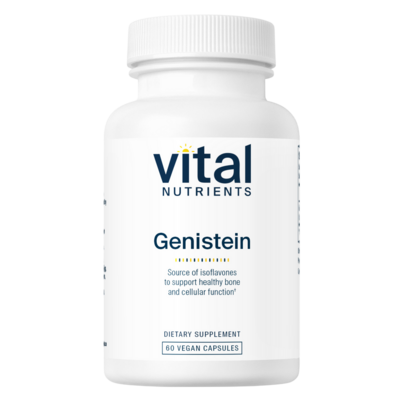
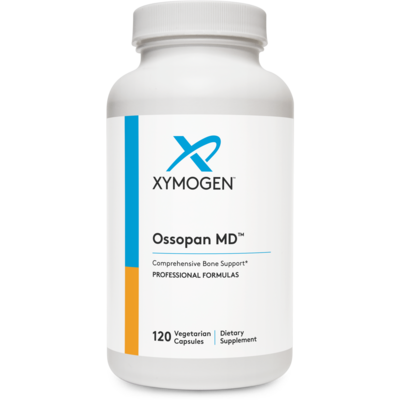
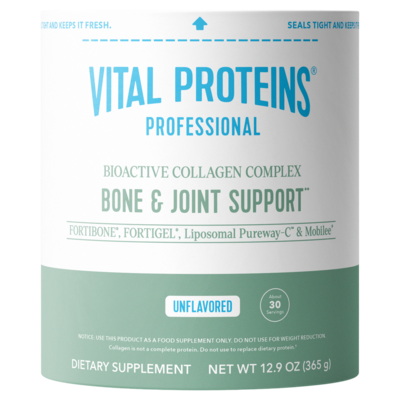 Bone Building resource 1
This Bone Health protocol is for adults filling a documented nutritional gap or choosing a specific adjunct for bone health. The products included here have different jobs. It is not a stack; not all products will be appropriate for all individuals . Do not start all at once. Dr. Mike Hauman Aslan Health, LLC ABOUT BONE HEALTH What is going on: Your skeleton is living tissue that keeps responding to food and load. A DXA scan measures bone mineral density at the hip and spine; a T-score of −2.5 or lower indicates osteoporosis, and a score below −1.0 and above −2.5 indicates low bone mass, often called osteopenia. Fracture risk also depends on age, prior fractures, family history, medications, muscle strength, and falls. What the evidence shows: In a large trial of generally healthy adults, vitamin D did not lower total, hip, or nonvertebral fractures, and adding nutrients beyond adequacy has not reliably prevented fractures in generally healthy adults. A 2024 review of 63 trials in postmenopausal women found bone-density benefit in studies lasting at least 12 months and providing at least 50 mg/day of genistein; it reported no fracture outcomes. In a 12-month trial in 131 postmenopausal women, 5 g/day of specific collagen peptides improved bone density compared with placebo; fractures were not studied, and the collagen product here is not established as equivalent. In a Cochrane review of older adults living in the community, exercise programs reduced the rate of falls by about 23%. Start here: Count calcium from food over several typical days and supplement only the remaining gap, keeping each dose to 500 mg of elemental calcium or less. Count calcium, magnesium, and vitamin D in every product you take, and keep supplemental magnesium at or below 350 mg a day unless your clinician directs otherwise. Ossopan MD supplies calcium: do not add the Calcium protocol’s product as well unless your clinician directs it. Add one product at a time and wait about two weeks before adding another. Best utilized alongside strength work at least twice weekly and daily balance practice. Talk with your clinician first if: you have osteoporosis, a prior fragility fracture, kidney disease, kidney stones, or high calcium; you take a prescription bone medicine, levothyroxine, a thiazide diuretic, lithium, warfarin, certain antibiotics, or iron; you have a history of estrogen-sensitive breast cancer or take tamoxifen or an aromatase inhibitor; you have a soy allergy; or you are pregnant or breastfeeding. Do not stop an osteoporosis medicine because you add a supplement, and never stop or delay provider-prescribed denosumab without your prescriber’s transition plan. COMPANION RESOURCES Aslan Health Bone Health Guide : your scan, your risks, food, exercise, and fall prevention, with the sources. Aslan Health Bone Health Protocol Guide : each product’s amount, evidence, and interactions, and what the plan leaves out. Aslan Health Calcium Go-To Guide : how much calcium you need and how to count it. Listen: the bone health series on The Aslan Health Podcast Products listed in this protocol can change with availability. Aslan Health earns a commission on purchases made through the dispensary. Your price is the same either way, and it does not change what is recommended here. This content is educational and is not medical advice. Listening or reading does not create a physician-patient relationship, and nothing here substitutes for individualized care from your own clinician. Do not use it to diagnose or treat a health problem, and do not delay or disregard professional medical advice because of something you read or heard here. Talk with your physician or pharmacist before starting any supplement — particularly if you are pregnant or nursing, have a diagnosed condition, or take prescription medication. Supplements can interact with medications. If you think you may have a medical emergency, call 911 or your local emergency number. These statements have not been evaluated by the Food and Drug Administration. These products are not intended to diagnose, treat, cure, or prevent any disease.
Prostate Care
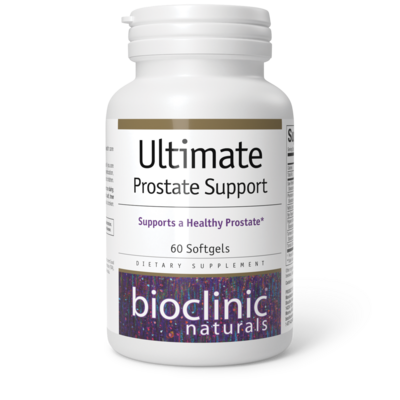
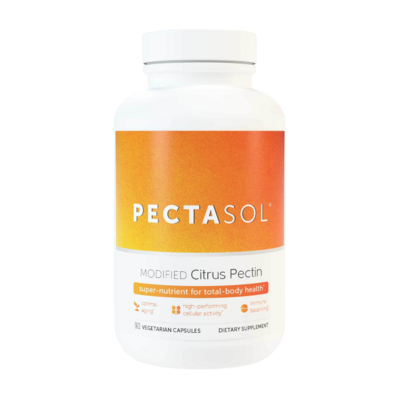
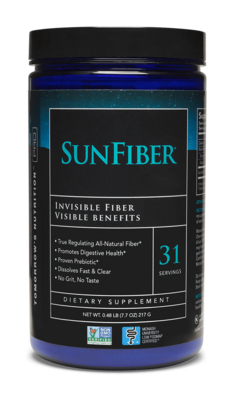
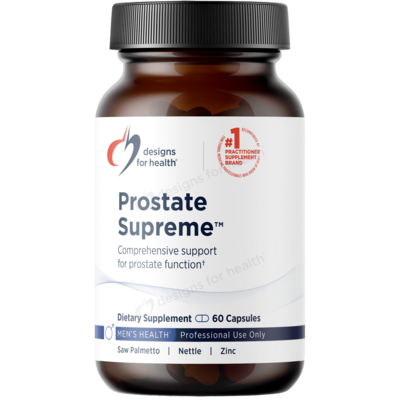
This protocol lists products that some men use alongside a plan for prostate care. It is not a stack. Do not start all at once. Start with a clear evaluation and the Aslan Health Prostate Care Guide; then, if you and your clinician decide to try a product, add one at a time, with a clear purpose and a review date. Dr. Mike Hauman ABOUT PROSTATE CARE What is going on: The prostate sits below the bladder and surrounds the upper urethra. When urinary flow changes, the prostate may be involved—but it is only one part of the system. BPH is noncancerous prostate growth. It may narrow urine flow, but gland size and symptom severity do not always match. BPH does not turn into prostate cancer, although both can coexist. Frequency, urgency, nocturia, and a weak stream can come from the prostate, bladder, medicines, infection, or other causes. Early prostate cancer commonly causes no symptoms. Urinary symptoms overlap with benign conditions and cannot diagnose—or exclude—cancer. PSA can help estimate risk, but one result cannot confirm or exclude cancer. What the evidence shows: A “prostate” label does not establish benefit, purity, or safety, and no supplement has been proven to prevent or treat prostate cancer. The guide reports this for the ingredients it covers. Saw palmetto: A 2023 Cochrane review of 27 studies found saw palmetto used alone provides little or no benefit for BPH symptoms; conclusions about combination products could not be reached. It is well tolerated and does not appear to change PSA readings. Pygeum: A Cochrane review found pygeum may modestly improve urinary symptoms and flow, but the trials were small and short and used varied doses and preparations. Beta-sitosterol: A Cochrane review of four trials (519 men, 4 to 26 weeks) found improved symptom scores and urine flow but no reduction in prostate size. Long-term effectiveness and safety are not known. Zinc: The adult upper limit is 40 mg a day from all sources. In a study following 46,974 men, zinc supplements above 100 mg a day, or taken for 10 years or more, were associated with roughly twice the risk of advanced prostate cancer—an association, not proof of cause. Vitamin D3: In the VITAL trial, more than 25,000 adults took 2,000 IU a day or placebo; after 5 years, prostate cancer incidence was the same in both groups. Observational links between vitamin D levels and prostate cancer are mixed. Modified citrus pectin (PectaSol®): In a pilot study, PSA doubling time lengthened in 7 of 10 men with rising PSA after treatment. A later study of 59 men reported improvement in about three of four at 6 months; the product’s developer was a coauthor. Neither study had a comparison group, so the evidence is preliminary. DIM: Human research is limited to small early-phase studies, mostly in men who already have prostate cancer. In a 12-man phase I study, DIM was well tolerated with only a modest effect on PSA. A benefit for urinary symptoms or cancer prevention has not been established. The guide gives no amount to take for any of these. It does not cover fiber, or the nettle root, rye flower pollen, turmeric, tomato extract, lycopene, chrysin, amino acids, and vitamin B6 in two of the products listed here. This protocol makes no claim that its products treat an enlarged prostate, prostate cancer, or any other condition. Start here: The wisest next step is usually not panic, a single laboratory number, or a crowded supplement shelf. It is a clear evaluation, an honest discussion of benefits and tradeoffs, and a plan that fits your health, risk, and values. Note timing, nighttime trips, urgency, stream changes, and likely triggers for one to two weeks. Reduce late-evening fluids when nocturia is a problem—but avoid dehydration or unsafe restriction. Trial a reduction in caffeine and alcohol if they increase urgency, frequency, or nighttime urination. Allow time to empty, and avoid chronically holding urine. If you then try a product: change one product at a time, keep a simple log, and stop anything that has not helped after about eight weeks. Talk with your clinician first if: you have urinary symptoms that have not been evaluated, or you are facing PSA interpretation, biopsy, surgery, radiation, or cancer treatment; tell your clinician about everything you take. Do not stop prescriptions or start concentrated extracts, “hormone-balancing” products, or antioxidant stacks without clinical review. Get urgent or emergency care now if you cannot urinate at all, have severe lower-abdominal, back, flank, or urinary-tract pain, or are rapidly becoming very unwell. Contact a healthcare professional promptly if you see blood in your urine, or if painful, frequent, or urgent urination occurs with fever or chills. The Ultimate Prostate Support label adds its own cautions, given in that product’s note. COMPANION RESOURCES Aslan Health Prostate Care Guide : a nine-page guide to urinary symptoms, BPH, PSA screening, treatment choices, daily-life support, and supplement evidence, with a Prostate Health Check-In, a My Prostate Care Plan worksheet, and the sources. Aslan Health Prostate Symptoms Checklist : a three-page, non-diagnostic record to help you describe what is changing and prepare for a useful conversation with your own healthcare professional. Listen: Enlarged Prostate and Prostate Cancer: What Every Man Should Know (Part 1) Listen: How to Improve Prostate Health: Diet, Supplements, and Kegel Exercises (Part 2) Listen: Long-Term Prostate Health: Tracking Symptoms and Life After Treatment (Part 3) Products listed in this protocol can change with availability. Aslan Health earns a commission on purchases made through the dispensary. Your price is the same either way, and it does not change what is recommended here. This content is educational and is not medical advice. Listening or reading does not create a physician-patient relationship, and nothing here substitutes for individualized care from your own clinician. Do not use it to diagnose or treat a health problem, and do not delay or disregard professional medical advice because of something you read or heard here. Talk with your physician or pharmacist before starting any supplement — particularly if you are pregnant or nursing, have a diagnosed condition, or take prescription medication. Supplements can interact with medications. If you think you may have a medical emergency, call 911 or your local emergency number. These statements have not been evaluated by the Food and Drug Administration. These products are not intended to diagnose, treat, cure, or prevent any disease.
Cellular Energy Support
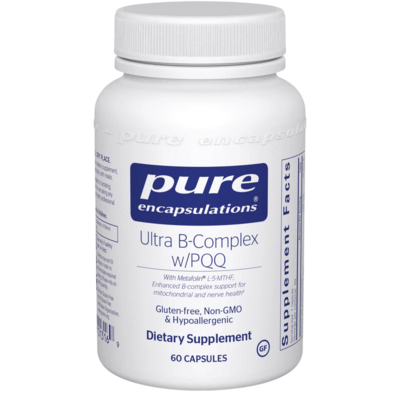
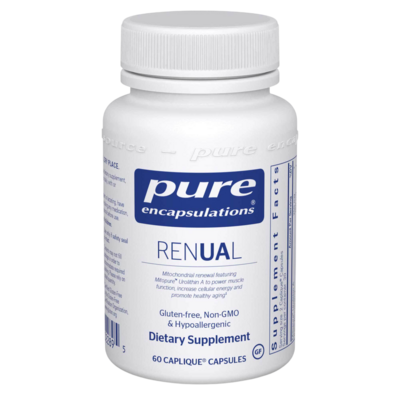 2 more items in Cellular Energy Support
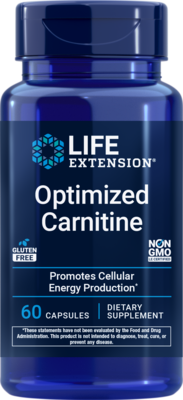
This protocol lists five products that some people use alongside a plan for low energy. It is not a stack. Do not start all at once. Start with the Energy Leak Audit: identify the two or three patterns with the greatest impact, choose one realistic change, and watch what happens over the next week; then add one product at a time, with a clear purpose and a review date. Dr. Mike Hauman ABOUT ENERGY AND FATIGUE What is going on: Low energy is rarely explained by one thing. Sleep, workload, stress, relationships, daily habits, purpose, and health conditions can all shape how you feel. “Energy leak” is a useful metaphor, not a medical diagnosis: fatigue can reflect sleep loss, stress, or lifestyle patterns, but it can also occur with anemia, thyroid disease, infection, sleep apnea, medication effects, chronic pain, mood disorders, and other health conditions. Faith and medical evaluation are not competitors. Spiritual strain can affect peace, meaning, and coping, but it should not be used to explain away persistent physical symptoms. What the evidence shows: The Energy Leak Audit is a structured reflection tool, not a diagnostic test and not a validated screening instrument: a checked box is a clue, not a diagnosis, and the checkboxes are not totaled as a medical score. Its sources are a consensus statement on sleep for healthy adults, the FDA’s consumer guidance on caffeine, the Physical Activity Guidelines for Americans, and MedlinePlus on fatigue. The audit names no supplement product and gives no amount, and this protocol makes no claim that its products treat fatigue, raise energy, or treat any other condition. For magnesium, the guide Which Magnesium Is Right For Me matches malate to energy support and muscle comfort; that match describes how the form is commonly used and tolerated and is not a claim that it has been proven better than another form. The NIH upper limit for magnesium from supplements and medications is 350 mg a day. For B vitamins, the Aslan Health Anxiety Go-To Guide says that correcting a true deficiency matters, that a 2019 meta-analysis of randomized trials found that supplementation modestly benefited stress but showed no effect on anxiety, and that more is not better: long-term high-dose B6 can cause sensory neuropathy, the U.S. adult upper limit is 100 mg a day, and European regulators set a 12 mg a day limit in 2023. None of these guides covers carnitine, D-ribose, urolithin A, resveratrol, coenzyme Q10, PQQ, alpha lipoic acid, or luteolin. Start here: Start with the audit. Answer for your usual pattern, not your best day or your worst day. Choose your top two or three energy leaks: the patterns with the highest impact and the greatest ability to change. The best next step is rarely a complete overhaul. Use the 7-Day Reset to choose one or two practical actions: something to stop or reduce, a restorative habit to protect, a boundary or conversation, or a support or faith practice. Consistency beats intensity; a small change you can repeat is more useful than an ambitious plan you cannot sustain. After 7 to 14 days, review the experiment before adding more. Look for patterns in function, attention, mood, sleep quality, and your ability to be present, not just a single “energy score.” Then, if you add a product, add one at a time. Talk with your clinician first if: your fatigue persists for several weeks, is worsening, or interferes with your usual activities. Seek prompt medical care for severe or sudden symptoms such as chest pain, shortness of breath, fainting, confusion, or new marked weakness. Ask which issue needs professional evaluation or support rather than more willpower, especially pain, physical symptoms, medications, or another health issue that may be affecting your energy. The product labels and the magnesium guide add their own cautions, given in each product’s note: pregnancy and nursing, prescription medications, a health condition under treatment, and kidney disease. COMPANION RESOURCES Aslan Health Energy Leak Audit : a seven-page reflection tool with four checklists (physical and recovery; mental and emotional; boundaries, relationships, and environment; spiritual and purpose), a 7-Day Reset worksheet, a review page, and the sources. Biblically Based Positive Affirmations : twenty declarations drawn from Scripture, each with its full verse in the English Standard Version, and a personal reflection page. Listen: What Is Allostatic Load? How Chronic Stress Drains Your Energy (Part 1) Listen: How to Reduce Chronic Stress: Practical Ways to Lower Allostatic Load (Part 2) Listen: Chronic Stress Recovery: How to Rebuild Your Energy Long Term (Part 3) Products listed in this protocol can change with availability. Aslan Health earns a commission on purchases made through the dispensary. Your price is the same either way, and it does not change what is recommended here. This content is educational and is not medical advice. Listening or reading does not create a physician-patient relationship, and nothing here substitutes for individualized care from your own clinician. Do not use it to diagnose or treat a health problem, and do not delay or disregard professional medical advice because of something you read or heard here. Talk with your physician or pharmacist before starting any supplement — particularly if you are pregnant or nursing, have a diagnosed condition, or take prescription medication. Supplements can interact with medications. If you think you may have a medical emergency, call 911 or your local emergency number. These statements have not been evaluated by the Food and Drug Administration. These products are not intended to diagnose, treat, cure, or prevent any disease.
Shop the entire wellness catalog, held to a higher standard
Shop practitioner-grade products, each meeting the same bar for quality through Fullscript's standards.
Powered byVerified
Sourced straight from the brand — no resellers or fakes
Enhanced testing
Select products are tested in-house — get exactly what the label promises
Stored and shipped
From certified facilities, to protect product integrity