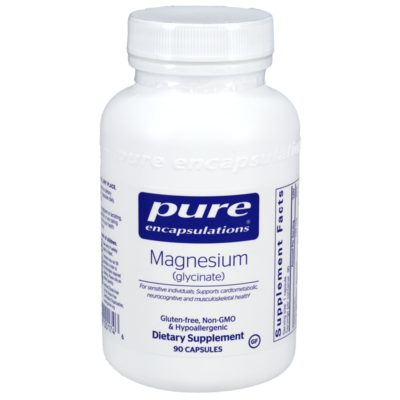
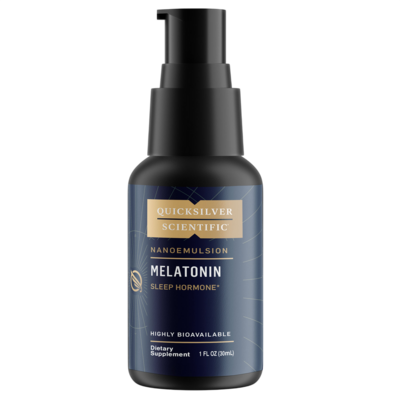
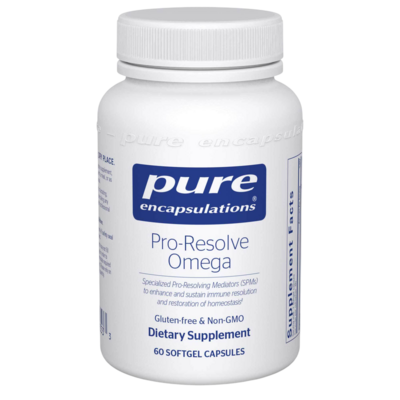
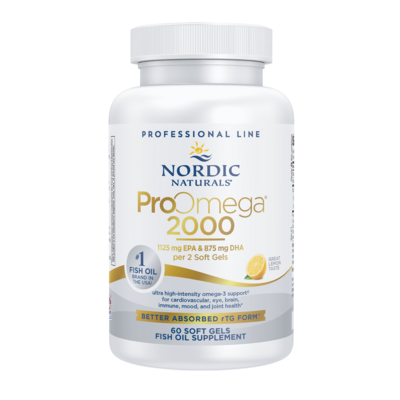
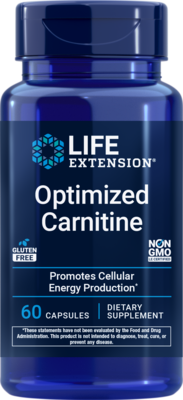
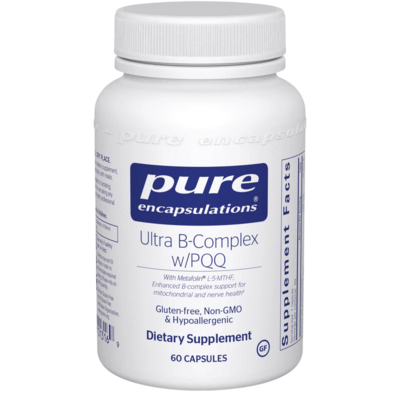
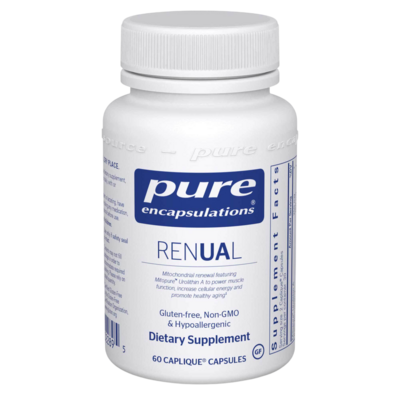
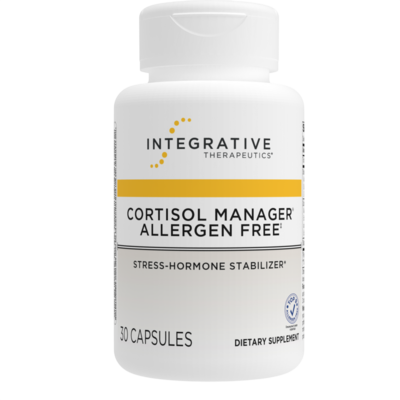
Up to 25% off

when you sign up

Public protocols

29 of Aslan Health, LLC's general recommendations, available to anyone who visits this store.

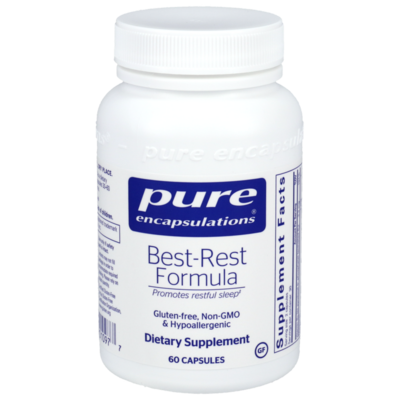
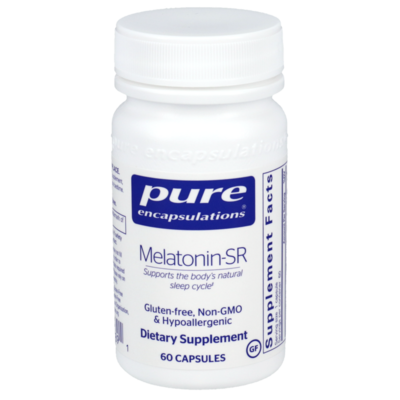
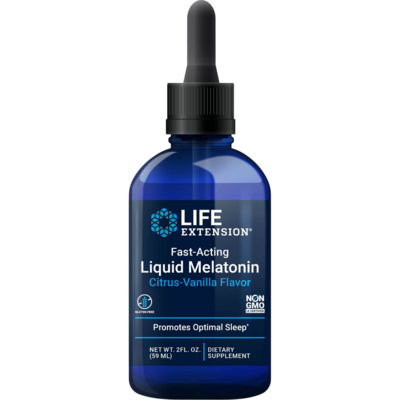
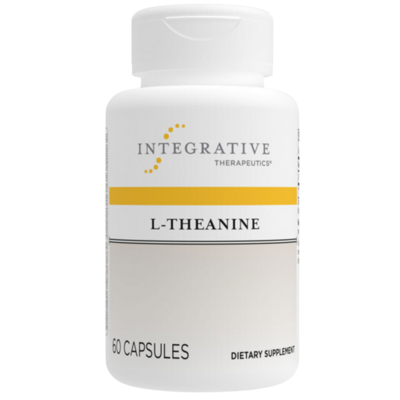
  • Sleep Support

    Sleep Support  product 1
    Sleep Support  product 2
    Sleep Support  product 3
    3 more items in Sleep Support

    Sleep is an essential component of any successful journey toward better health. Here, you will find the products I believe are best suited to help you achieve quality restorative sleep. Please follow the instructions and reach out if you have any questions. Good Night! Dr. Michael Hauman Aslan Health, LLC www.aslanhealth.com Sleep — Why do we need sleep? Getting enough sleep is crucial for maintaining brain health, reducing the risk of neurodegenerative and cardiovascular disease, bolstering the immune system, sustaining good mental health, and recovering from the stressors of the day. The American Academy of Sleep Medicine and Sleep Research Society recommends that adults (over 18 years of age) get at least 7 hours of sleep per night. [1]  Sleep deprivation is associated with obesity, and this relationship may be due to changes in eating, activity levels, and hormone levels. [2] Sleep Hygiene Training Sleep Hygiene Training consists of learning behaviors that are associated with improved sleep. Reducing exposure to blue light, practicing breathing exercises, and limiting caffeine intake are essential components of good sleep hygiene. Sleep Disturbance Signs and Symptoms Sleep disturbances (aka sleep disorders) are a collection of conditions that impair the initiation and quality of sleep. Sleep Latency Sleep latency, also known as sleep onset latency, is the time it takes to fall asleep after turning out the lights. Sleep Quality Sleep quality refers to the restfulness of your sleep — how well it rejuvenates your mind and body. To feel rested in the morning, your sleep must have sufficient duration and quality. Like insufficient sleep duration, poor sleep quality can start a cascade of health issues. You may want to read our ten tips for better sleep. Sleep Duration The amount of time spent sleeping during the night. Sleep Efficiency The amount of time in bed that was spent sleeping. Sleep — How could diet affect sleep? Changes in an individual’s dietary pattern can impact their sleep architecture. A meta-analysis found that high carbohydrate intake increases  rapid-eye movement  (REM) sleep, whereas low carbohydrate intake increases  non-rapid-eye movement  (non-REM sleep). [3]  Additionally, some observational studies have found an association between increased consumption of healthy foods (e.g., fruits, vegetables, fiber, seafood, and whole grains) and improved sleep quality. [4]  In essence, consuming a balanced and nutrient-rich diet may help to optimize sleep. Sleep — Which supplements are of most interest for sleep? The supplements of most interest: apigenin (the active ingredient in chamomile), California poppy, cannabidiol, hops, passionflower, kava, lavender, magnesium, melatonin, and valerian. However, it is best to consult a healthcare provider before consuming any sleep supplement because they may interact with prescription medications. Sleep — How exactly does eating carbohydrates or a high GI meal close to bedtime help sleep? It is thought that a carbohydrate-rich or a high-glycemic-index meal can affect sleep through its effects on tryptophan (an essential amino acid) levels. [5]  More specifically, high-glycemic-index carbohydrates cause a rise in insulin levels, which drive circulating  large neutral amino acids  (LNAAs) [6]  into muscles. Because LNAAs compete with tryptophan for transport across the blood-brain barrier, lower levels of blood LNAAs result in a higher tryptophan-to-LNAA ratio, so more tryptophan can travel to the brain. More tryptophan entering the brain leads to greater production of serotonin [7]  and, finally, to the secretion of melatonin (a sleep-inducing hormone), resulting in sleepiness. Sleep — How do sleeping patterns change in older adults? Although sleep requirements may not differ between young and middle-aged adults, older adults tend to have more difficulty getting their required amount of sleep. [8]  Some studies have suggested that, rather than being an intrinsic part of the aging process, sleep deficiencies may be secondary to other illnesses in older people. [9]  Regardless of the cause, both short and long sleep durations have been associated with increased risk of cardiovascular disease and cancer mortality. [10]  Some researchers have speculated that negative health associations with long sleep durations may be due to decreased sleep quality resulting from sleep fragmentation. [10] Sleep — When you are sleep deprived, is it possible to “catch up” by getting extra sleep? A few nights of subpar sleep will leave anyone groggy, irritable, and a bit lacking in mental acuity. A major mechanism by which one becomes sleepy is the buildup of adenosine levels in the brain, which are lower after getting adequate sleep. Based on the adenosine hypothesis, sleep debt (caused by excessive adenosine levels in the brain) can be compensated for at some point in the future by getting better sleep. However, recent animal studies suggest that this might not be the case. Instead, extended periods of sleep deprivation may lead to lasting brain injury through increased oxidative stress and inflammation that can worsen neurodegeneration. [11]  Although it remains to be seen whether similar mechanisms are at work in humans, 5–10 days of sleep deprivation impaired cognition in humans, which did not fully recover after 3 or more days of adequate sleep. [12][13]  This suggests that extended periods of sleep loss may cause lasting, negative effects on the brain that may not be “paid back” with a few days of good sleep. Sleep — Does exercising in the evening negatively affect sleep? While there is a general consensus that exercising in the morning or afternoon benefits sleep, it’s often recommended to avoid exercising, especially at high intensity, in the evening, due to concerns that it may negatively affect sleep. However, according to a 2021 meta-analysis, an acute bout of high-intensity exercise performed 2–4 hours before bedtime does not disrupt sleep. [14]  In fact, performing high-intensity exercise 2 hours before bedtime tends to increase total sleep time (+16 minutes) and decrease the time it takes to fall asleep (−5 minutes). However, longer-duration high-intensity exercise (>30–60 minutes) may decrease rapid-eye movement sleep by a small extent (−3%). In a 7-week study in elite youth soccer players, an evening high-intensity exercise session did not affect sleep quality. It slightly increased sleepiness at bedtime, compared to nights when no exercise was performed. [15] In summary, high-intensity evening exercise does not appear to affect sleep negatively, provided the activity is completed at least 2 hours before sleep onset. Careful consideration should be given to pre-workout supplements when exercising in the evening, as products containing caffeine can have a negative impact on sleep. Sleep — Does poor sleep increase the risk of negative health outcomes? Sleep plays an important role in overall health. Not getting enough sleep, or not getting enough good-quality sleep, is associated with a higher risk of many negative health outcomes. The following are just some of the outcomes linked to poor sleep: Coronary heart disease.  Sleeping less than 7 hours per night is associated with a higher risk of  coronary heart disease  (CHD) and an elevated risk of  cardiovascular disease  (CVD) mortality. [16][17]  Additionally, a genetic study found that a short sleep duration (6 or fewer hours per night) appeared causally related to a higher risk of CHD, high blood pressure, and heart attack. [18] Obesity:  Getting less sleep is associated with a higher risk of obesity. [19][20]  Consistent with this association, restricting sleep to just 4 hours per night has been shown to increase hunger and calorie intake, leading to weight gain (sometimes in as little as 5 days). [21][22]  Conversely,  increasing  sleep time from 5.9 to 7.1 hours per night in one clinical trial resulted in a reduction in caloric intake and a loss of body fat after two weeks. [23] Alzheimer’s disease:  Poor quality sleep and sleep problems are associated with a higher risk of Alzheimer’s disease, and a short sleep duration is linked to a faster rate of cognitive decline. [24][25]  This could be related to the glymphatic system, a biological drainage system active during sleep that appears to clear the brain of beta-amyloid, a protein linked to Alzheimer’s disease. [26][27] Type 2 diabetes:  A meta-analysis of roughly one million people found that a short sleep duration(6 or fewer hours per night) was associated with an increase in the risk of type 2 diabetes. [28]  Additionally, a genetic study found that insomnia increased the risk of type 2 diabetes, suggesting a causal association between sleep problems and diabetes. [29] Bone fracture:  Sleep disturbances, insomnia, and a short sleep duration (less than 7 hours per night) are associated with a higher risk of breaking a bone, possibly by increasing the tendency to fall. [30][31][32]  A relationship between poor sleep, bone fractures, and low bone mineral density has also been observed in genetic studies. [31][33] Depression:  A short sleep duration (7 or fewer hours per night) is associated with a greater risk of depression. Having insomnia is also associated with a higher risk of developing depression [34],  and treating insomnia has been shown to improve symptoms of depression. [35][36][37] References ^ , Watson NF, Badr MS, Belenky G, Bliwise DL, Buxton OM, Buysse D, Dinges DF, Gangwisch J, Grandner MA, Kushida C, Malhotra RK, Martin JL, Patel SR, Quan SF, Tasali E, , Twery M, Croft JB, Maher E, , Barrett JA, Thomas SM, Heald JL Recommended Amount of Sleep for a Healthy Adult: A Joint Consensus Statement of the American Academy of Sleep Medicine and Sleep Research Society. J Clin Sleep Med.(2015-Jun-15) ^ Cooper CB, Neufeld EV, Dolezal BA, Martin JL Sleep deprivation and obesity in adults: a brief narrative review. BMJ Open Sport Exerc Med.(2018) ^ Vlahoyiannis A, Giannaki CD, Sakkas GK, Aphamis G, Andreou E A Systematic Review, Meta-Analysis and Meta-Regression on the Effects of Carbohydrates on Sleep. Nutrients.(2021-Apr-14) ^ St-Onge MP, Mikic A, Pietrolungo CE Effects of Diet on Sleep Quality. Adv Nutr.(2016-09) ^ Wurtman RJ, Wurtman JJ, Regan MM, McDermott JM, Tsay RH, Breu JJ Effects of normal meals rich in carbohydrates or proteins on plasma tryptophan and tyrosine ratios Am J Clin Nutr.(2003 Jan) ^ Berry EM, Growdon JH, Wurtman JJ, Caballero B, Wurtman RJ A balanced carbohydrate: protein diet in the management of Parkinson's disease Neurology.(1991 Aug) ^ Zimmermann RC, McDougle CJ, Schumacher M, Olcese J, Heninger GR, Price LH Urinary 6-hydroxymelatonin sulfate as a measure of melatonin secretion during acute tryptophan depletion Psychoneuroendocrinology.(1993) ^ Chaput JP, Dutil C, Sampasa-Kanyinga H Sleeping hours: what is the ideal number and how does age impact this? Nat Sci Sleep.(2018) ^ Vitiello MV, Moe KE, Prinz PN Sleep complaints cosegregate with illness in older adults: clinical research informed by and informing epidemiological studies of sleep. J Psychosom Res.(2002-Jul) ^ Grandner MA, Drummond SP Who are the long sleepers? Towards an understanding of the mortality relationship. Sleep Med Rev.(2007-Oct) ^ Zamore Z, Veasey SC Neural consequences of chronic sleep disruption. Trends Neurosci.(2022-Jun-09) ^ Axelsson J, Kecklund G, Akerstedt T, Donofrio P, Lekander M, Ingre M Sleepiness and performance in response to repeated sleep restriction and subsequent recovery during semi-laboratory conditions. Chronobiol Int.(2008-Apr) ^ Jeremi K Ochab, Jerzy Szwed, Katarzyna Oleś, Anna Bereś, Dante R Chialvo, Aleksandra Domagalik, Magdalena Fąfrowicz, Halszka Ogińska, Ewa Gudowska-Nowak, Tadeusz Marek, Maciej A Nowak Observing changes in human functioning during induced sleep deficiency and recovery periods PLoS One.(2021 Sep 1) ^ Emmanuel Frimpong, Melodee Mograss, Tehila Zvionow, Thien Thanh Dang-Vu The effects of evening high-intensity exercise on sleep in healthy adults: A systematic review and meta-analysis Sleep Med Rev.(2021 Aug 3) ^ Robey E, Dawson B, Halson S, Gregson W, Goodman C, Eastwood P Sleep quantity and quality in elite youth soccer players: a pilot study. Eur J Sport Sci.(2014) ^ Dongming Wang, Wenzhen Li, Xiuqing Cui, Yidi Meng, Min Zhou, Lili Xiao, Jixuan Ma, Guilin Yi, Weihong Chen Sleep duration and risk of coronary heart disease: A systematic review and meta-analysis of prospective cohort studies Int J Cardiol.(2016 Sep 15) ^ Krittanawong C, Tunhasiriwet A, Wang Z, Zhang H, Farrell AM, Chirapongsathorn S, Sun T, Kitai T, Argulian E Association between short and long sleep durations and cardiovascular outcomes: a systematic review and meta-analysis. Eur Heart J Acute Cardiovasc Care.(2019-Dec) ^ Sizhi Ai, Jihui Zhang, Guoan Zhao, Ningjian Wang, Guohua Li, Hon-Cheong So, Yaping Liu, Steven Wai-Ho Chau, Jie Chen, Xiao Tan, Fujun Jia, Xiangdong Tang, Jie Shi, Lin Lu, Yun-Kwok Wing Causal associations of short and long sleep durations with 12 cardiovascular diseases: linear and nonlinear Mendelian randomization analyses in UK Biobank Eur Heart J.(2021 Sep 7) ^ Qionggui Zhou, Ming Zhang, Dongsheng Hu Dose-response association between sleep duration and obesity risk: a systematic review and meta-analysis of prospective cohort studies Sleep Breath.(2019 Dec) ^ Francesco P Cappuccio, Frances M Taggart, Ngianga-Bakwin Kandala, Andrew Currie, Ed Peile, Saverio Stranges, Michelle A Miller Meta-analysis of short sleep duration and obesity in children and adults Sleep.(2008 May) ^ Naima Covassin, Prachi Singh, Shelly K McCrady-Spitzer, Erik K St Louis, Andrew D Calvin, James A Levine, Virend K Somers Effects of Experimental Sleep Restriction on Energy Intake, Energy Expenditure, and Visceral Obesity J Am Coll Cardiol.(2022 Apr 5) ^ Bingqian Zhu, Changgui Shi, Chang G Park, Xiangxiang Zhao, Sirimon Reutrakul Effects of sleep restriction on metabolism-related parameters in healthy adults: A comprehensive review and meta-analysis of randomized controlled trials Sleep Med Rev.(2019 Jun) ^ Esra Tasali, Kristen Wroblewski, Eva Kahn, Jennifer Kilkus, Dale A Schoeller Effect of Sleep Extension on Objectively Assessed Energy Intake Among Adults With Overweight in Real-life Settings: A Randomized Clinical Trial JAMA Intern Med.(2022 Feb 7) ^ Omonigho M Bubu, Michael Brannick, James Mortimer, Ogie Umasabor-Bubu, Yuri V Sebastião, Yi Wen, Skai Schwartz, Amy R Borenstein, Yougui Wu, David Morgan, William M Anderson Sleep, Cognitive impairment, and Alzheimer's disease: A Systematic Review and Meta-Analysis Sleep.(2017 Jan 1) ^ Ma Y, Liang L, Zheng F, Shi L, Zhong B, Xie W Association Between Sleep Duration and Cognitive Decline. JAMA Netw Open.(2020-09-01) ^ Jeffrey J Iliff, Minghuan Wang, Yonghong Liao, Benjamin A Plogg, Weiguo Peng, Georg A Gundersen, Helene Benveniste, G Edward Vates, Rashid Deane, Steven A Goldman, Erlend A Nagelhus, Maiken Nedergaard A paravascular pathway facilitates CSF flow through the brain parenchyma and the clearance of interstitial solutes, including amyloid β Sci Transl Med.(2012 Aug 15) ^ Xie L, Kang H, Xu Q, Chen MJ, Liao Y, Thiyagarajan M, O'Donnell J, Christensen DJ, Nicholson C, Iliff JJ, Takano T, Deane R, Nedergaard M Sleep drives metabolite clearance from the adult brain Science.(2013 Oct 18) ^ Anothaisintawee T, Reutrakul S, Van Cauter E, Thakkinstian A Sleep disturbances compared to traditional risk factors for diabetes development: Systematic review and meta-analysis. Sleep Med Rev.(2016-12) ^ Xue Gao, Heli Sun, Yu Zhang, Long Liu, Juping Wang, Tong Wang Investigating Causal Relations Between Sleep-Related Traits and Risk of Type 2 Diabetes Mellitus: A Mendelian Randomization Study Front Genet.(2020 Dec 15) ^ Feng Pan, Jing Tian, Flavia Cicuttini, Graeme Jones Sleep disturbance and bone mineral density, risk of falls and fracture: Results from a 10.7-year prospective cohort study Bone.(2021 Jun) ^ Yu Qian, Jiangwei Xia, Ke-Qi Liu, Lin Xu, Shu-Yang Xie, Guo-Bo Chen, Pei-Kuan Cong, Saber Khederzadeh, Hou-Feng Zheng Observational and genetic evidence highlight the association of human sleep behaviors with the incidence of fracture Commun Biol.(2021 Nov 26) ^ Jane A Cauley, Kathleen M Hovey, Katie L Stone, Chris A Andrews, Kamil E Barbour, Lauren Hale, Rebecca D Jackson, Karen C Johnson, Erin S LeBlanc, Wenjun Li, Oleg Zaslavsky, Heather Ochs-Balcom, Jean Wactawski-Wende, Carolyn J Crandall Characteristics of Self-Reported Sleep and the Risk of Falls and Fractures: The Women's Health Initiative (WHI) J Bone Miner Res.(2019 Mar) ^ Chen J, Zhang J, So HC, Ai S, Wang N, Tan X, Wing YK Association of Sleep Traits and Heel Bone Mineral Density: Observational and Mendelian Randomization Studies. J Bone Miner Res.(2021-11) ^ Liqing Li, Chunmei Wu, Yong Gan, Xianguo Qu, Zuxun Lu Insomnia and the risk of depression: a meta-analysis of prospective cohort studies BMC Psychiatry.(2016 Nov 5) ^ W Vaughn McCall, Jill N Blocker, Ralph D'Agostino Jr, James Kimball, Niki Boggs, Barbara Lasater, Roger Haskett, Andrew Krystal, William M McDonald, Peter B Rosenquist Treatment of insomnia in depressed insomniacs: effects on health-related quality of life, objective and self-reported sleep, and depression J Clin Sleep Med.(2010 Aug 15) ^ Maurizio Fava, W Vaughn McCall, Andrew Krystal, Thomas Wessel, Robert Rubens, Judy Caron, David Amato, Thomas Roth Eszopiclone co-administered with fluoxetine in patients with insomnia coexisting with major depressive disorder Biol Psychiatry.(2006 Jun 1) ^ Rachel Manber, Jack D Edinger, Jenna L Gress, Melanie G San Pedro-Salcedo, Tracy F Kuo, Tasha Kalista Cognitive behavioral therapy for insomnia enhances depression outcome in patients with comorbid major depressive disorder and insomnia Sleep.(2008 Apr) This information is not meant to replace advice from any qualified professional. It is intended for educational and informational purposes only.

    View protocol
  • Exercise Pain and Recovery

    Exercise Pain and Recovery product 1
    Exercise Pain and Recovery product 2
    Exercise Pain and Recovery product 3
    6 more items in Exercise Pain and Recovery

    You have selected the Exercise Pain and Recovery Protocol. I am looking forward to assisting you on your journey toward better health. Attached are the information and products I find best suited to help you as you progress. Please follow the instructions and follow up if you have any questions. The Gain Without the Pain! Dr. Hauman Aslan Health, LLC www.aslanhealth.com Exercise Recovery Exercise recovery refers to the recovery between successive workouts. If you are able to match or exceed performance between workouts, you are recovered. Exercise-induced Stress Response Exercise-induced stress response refers to a process that activates the body’s stress responses following intense exercise and physical activity. It includes activation of the endocrine system and release of hormones, cytokines (small signaling molecules), and proteins. Muscle Gain & Exercise — How does muscle gain work? Muscle tissue is constantly turning over, with the rates of  muscle protein synthesis  (MPS) and  muscle protein breakdown  (MPB) fluctuating throughout the day. Net protein balance is the difference between MPS and MPB. For an increase in muscle mass to occur, MPS must exceed MPB, resulting in a positive net protein balance. [1]  MPS is very sensitive to exercise and diet (namely, essential amino acid intake). Muscle Gain & Exercise — How could diet affect exercise and muscle gain? An adequate energy intake is essential to optimize exercise performance and adaptations. If one maintains an energy-deficient diet during training, muscle loss, impaired recovery, illness, decreased bone mineral density, poor mood, and menstrual dysfunction can occur. [2]  Consuming a hypercaloric diet augments resistance-training-induced increases in muscle mass. [3] Beyond general energy intake, carbohydrate intake is crucial because it serves as a primary fuel source across a wide range of exercise intensities. A robust body of evidence demonstrates that matching carbohydrate availability to exercise demands enhances both prolonged endurance exercise and intermittent high-intensity exercise performance. [4]  Additionally, dietary protein intake is crucial for the synthesis and repair of muscle tissue, and it is necessary after exercise to achieve a positive net protein balance. [5] Muscle Gain & Exercise — Which supplements are of most interest for exercise and muscle gain? Supplements may benefit exercise performance and muscle gain by providing a convenient form of energy and nutrients (e.g., powdered proteins such as whey protein or vegetable protein sources, carbohydrate drinks and gels), correcting or preventing nutrient deficiencies, improving recovery from exercise, or directly enhancing exercise performance. [6]  The supplements of most interest for enhancing exercise performance directly are creatine, caffeine, nitrate, citrulline, beta-alanine, and sodium bicarbonate. [6] Muscle Gain & Exercise — Why is exercise and muscle gain important? Exercise offers a wide range of health benefits, including improved cognition, mental health, blood pressure, insulin sensitivity, body composition, body weight, sleep quality, bone health, cardiorespiratory fitness, and physical function. Moreover, regular exercise is associated with a reduced risk of all-cause mortality and an assortment of diseases (e.g., type-2 diabetes, cardiovascular disease, certain cancers, dementia). [7]  Similarly, higher levels of muscle mass are associated with improved health outcomes, such as a reduced risk of falls and all-cause mortality. [8] Muscle Gain & Exercise — What type of exercise is best for muscle gain? Resistance exercise is the most effective type of exercise for muscle gain. [5][9]  Performing sets to muscular failure (i.e., the point at which another repetition cannot be completed while maintaining proper form) is just as effective as ending sets a few repetitions away from muscular failure when moderate to heavy loads (60–90% of one-repetition maximum) are used, [10]  but sets should be performed to muscular failure when light loads (30–40% of one-repetition maximum) are used. [11]  Training frequency doesn’t seem to meaningfully affect muscle gain as long as the amount of volume performed is the same, [12]  but a high training frequency (e.g., training a muscle group three times per week) may be particularly advantageous when performing a high-volume training program. [13][14] Muscle Gain & Exercise — Should I Take BCAAs Before Exercise If I Work Out While Fasted? There is a lack of direct research to guide this decision. One study [15]  found that supplementation with BCAA enhanced exercise capacity and lipid oxidation during endurance exercise after muscle glycogen depletion. However, it is essential to remember that the only way to substantially deplete muscle glycogen is through exercise. That means whatever muscle glycogen you have when you go to sleep at night is mostly still there in the morning when you’re at the gym, so your muscles may have a full tank of gas for the workout. Perhaps surprising to some, one study [16]  showed that resting muscle glycogen levels were the same after an overnight fast and an 84-hour fast. Muscle Gain & Exercise — Does exercising in the fasted vs. fed state matter for improving glycemic control and insulin sensitivity? It is generally accepted that exercise can improve blood glucose control and enhance insulin sensitivity. Several physiological processes may be responsible for these improvements, including the following: Adaptations in muscle insulin signaling [17] Glucose transporter type four (GLUT-4) [18]  protein expression, content, and action Enhanced intramyocellular oxidative enzyme capacity [19] Increased muscle capillary density. [20] However, it is not entirely clear whether exercising in the fasted state may be better than exercising in the fed state. Based on the available scientific evidence, it seems that being physically active and losing weight (through a hypocaloric diet) are the most important factors [21]  for improving glycemic control and insulin sensitivity, while performing exercise in a fasted vs. fed state plays a minor role at most. However, the research comparing the effects of fed vs. fasted exercise on glycemic control and insulin sensitivity is still in its infancy, so it’s probably best to wait until there is more research before drawing definitive conclusions. Muscle Gain & Exercise — Will supplementing with BCAAs and arginine increase exercise performance? Supplementing with these amino acids does not appear to have meaningful ergogenic benefits for trained athletes. However, supplementation may provide long-term benefits with respect to muscle growth [22] and preservation [23], which may lead to cumulative performance benefits over time. [22]  and preservation, [23]  which can lead to long-term performance benefits. Muscle Gain & Exercise — What evidence-based methods are there for decreasing soreness after exercise? Delayed onset muscle soreness  (DOMS) is common after exercise, particularly when starting a program or increasing intensity or frequency of exercise. It is caused by the stress placed on muscles and connective tissue during exercise. Contrary to popular belief, it is not caused by lactic acid buildup in the muscles (lactic acid is gone from muscles within 1–2 hours after exercise). Cooling [24] [25][26] mitigate decrements in muscle strength and DOMS without overtly affecting [25][26] measures of muscle damage. Supplements including caffeine, [27]  omega-3 fats, [27]  tyrosine, [27]  whey protein, [28]  and BCAAs [29]  are potential candidates and often operate through different mechanisms of action. Sodium bicarbonate (baking soda) and magnesium have been studied for DOMS, with some positive results  [30] . My Favorite product is the Pure Encapsulations Muscle Cramp and Tension Formula. There are a variety of herbal interventions [31]  that could potentially ameliorate DOMS, but the reader is cautioned about the rigor of specific studies and interactions with other supplements and pharmaceuticals. Moreover, there's some evidence in favor of an anti-DOMS effect of massage. [32]  One thing to keep in mind, though, is that both "massage" and "antioxidants" are catchall terms for groups of different interventions. Accordingly, we should be wary of unwarranted generalizations of the results of individual studies on specific antioxidants and/or massage techniques to "antioxidants" or "massage therapy" in general. Muscle Gain and Exercise — When is the Best Time to Exercise to Maximize Performance? Exercise performance tends to be better in the late afternoon/early evening (1–8 p.m.) than the morning (8–10 a.m.), [33]  particularly for short-duration maximal exercise (e.g., a 30-second Wingate test or tests of jump height, repeated sprint ability, or maximal voluntary contraction). [34][35][33]  Currently, there is limited evidence to suggest that a specific time of day is best for endurance exercise performance. [33] The primary mechanism underlying this finding is the core body temperature, which peaks in the evening hours. [36][37]  An increase in core body temperature may improve exercise performance by enhancing metabolic reactions, increasing the extensibility of connective tissue, reducing muscle viscosity, and increasing the conduction velocity of action potentials. [38]  Moreover, using cold water immersion to decrease core body temperature before evening exercise has been shown to decrease muscular strength and repeated sprint ability. [39][40][41] While exercise performance may be better in the evening than in the morning at baseline, consistently training in the morning can offset this natural diurnal variation in performance. Indeed, long-term resistance exercise interventions that have participants train in the morning or evening report similar increases in strength and hypertrophy. [35]  This suggests that training at a consistent time each day is more important than the time of day training takes place. Therefore, an individual interested in maximizing exercise adaptations should choose a time of day that suits their preferences and will facilitate long-term training adherence. Besides consistently training in the morning, there are acute strategies that can diminish the natural diurnal variation in exercise performance, including exercising in a warm and humid environment, [42][43]  performing an extended warm-up (e.g., 12 minutes of cycling at 50% of VO 2 max interspersed with brief accelerations of 5 seconds), [44][45][46]  ingesting caffeine, [47][48]  and listening to music. [49][50] Muscle Gain & Exercise — Does exercising in the evening negatively affect sleep? While there is a general consensus that exercising in the morning or afternoon benefits sleep, it’s often recommended to avoid exercising, especially at a high intensity, in the evening for fear of it negatively affecting sleep. However, according to a meta-analysis published in 2021, an acute bout of high-intensity exercise performed 2–4 hours before bedtime does not disrupt sleep. [51]  In fact, performing high-intensity exercise 2 hours before bedtime tends to increase total sleep time (+16 minutes) and decrease the time it takes to fall asleep (−5 minutes). However, longer duration high-intensity exercise (>30–60 minutes) may decrease rapid-eye movement sleep to a small extent (−3%). In a 7-week study in elite youth soccer players, an evening high-intensity exercise session did not affect sleep quality and slightly increased sleepiness at bedtime, compared to nights when no exercise was performed. [52] In sum, high-intensity evening exercise does not appear to negatively affect sleep as long as it is completed 2 hours before sleep onset. Careful consideration should be given to pre-workout supplements when exercising in the evening, as products containing caffeine can negatively affect sleep. Muscle Gain & Exercise — Why do my muscles get sore? What is soreness? Soreness in the muscle during and immediately following exercise manifests as mild pain and stiffness, making it hard to continue exercising. Muscle soreness typically subsides relatively quickly. Prolonged muscle soreness is called 'Delayed Onset Muscle Soreness', or DOMS for short. It is more delayed in its resolution and can sometimes last for days. This is the soreness that somebody would feel after a hard run or leg session, and be unable to easily walk up stairs the next day. What causes soreness? Various things contribute to DOMS. [53]  Including: Neutrophil accumulation Substance P Aseptic Inflammation Interstitial Edema Creatine Kinase Lactic Acid is commonly thought to induce muscle failure or soreness, but it is not the causative factor. It's highly correlated, though [54], as lactic acid is produced when the muscle is sore; however, it serves more as a fuel source than a soreness-causing agent. [54] , As lactic acid is produced when the muscle is sore, it's more of a fuel source than a soreness-causing agent. [55][56][57] How can I alleviate soreness? There are various mechanisms for reducing DOMS. [58] Non-steroidal Anti-inflammatory agents (NSAIDs), such as aspirin (Acetylsalicylic acid) or Ibuprofen (Advil), can reduce future delayed onset muscle soreness (DOMS) when taken around the time of exercise. [59][60] Light exercise, or gently moving the affected joints and muscles, can also help alleviate DOMS. [60][61]  This may be due to merely moving the affected muscles, as 'whole-body vibration therapy' has recently been suggested to do similarly. [62][63] Cryotherapy, or ice water immersion, has been reported to have beneficial effects by various athletes; however, its benefits have not been consistently demonstrated in randomized controlled trials. [64][65]  That being said, cryotherapy may hold some potential in cases of muscular trauma, such as hamstring tears or intense muscular strains. [66][67][68]  Cryotherapy's effectiveness may be closely tied to the degree of muscular damage and serve as a bridge between anecdotal reports in high-level athletes and the lack of results in novice trainees in intervention studies. [69] Athletic massage after exercise may also be effective in controlling DOMS [70] , possibly via reducing how many neutrophils get to the site to induce soreness. Proper pre-workout nutrition can also play a role in preventing DOMS, as BCAA supplementation has been shown to be beneficial [71]  (and can be consumed through whey protein or protein-containing foods) Stretching (static) before or after exercise is not significantly effective in reducing DOMS from exercise. [72] References ^ Stokes T, Hector AJ, Morton RW, McGlory C, Phillips SM Recent Perspectives Regarding the Role of Dietary Protein for the Promotion of Muscle Hypertrophy with Resistance Exercise Training Nutrients.(2018 Feb 7) ^ Kerksick CM, Wilborn CD, Roberts MD, Smith-Ryan A, Kleiner SM, Jäger R, Collins R, Cooke M, Davis JN, Galvan E, Greenwood M, Lowery LM, Wildman R, Antonio J, Kreider RB ISSN exercise & sports nutrition review update: research & recommendations J Int Soc Sports Nutr.(2018 Aug 1) ^ Iraki J, Fitschen P, Espinar S, Helms E Nutrition Recommendations for Bodybuilders in the Off-Season: A Narrative Review Sports (Basel).(2019 Jun 26) ^ Thomas DT, Erdman KA, Burke LM American College of Sports Medicine Joint Position Statement. Nutrition and Athletic Performance Med Sci Sports Exerc.(2016 Mar) ^ Burd NA, Tang JE, Moore DR, Phillips SM Exercise training and protein metabolism: influences of contraction, protein intake, and sex-based differences J Appl Physiol (1985).(2009 May) ^ Maughan RJ, Burke LM, Dvorak J, Larson-Meyer DE, Peeling P, Phillips SM, Rawson ES, Walsh NP, Garthe I, Geyer H, Meeusen R, van Loon LJC, Shirreffs SM, Spriet LL, Stuart M, Vernec A, Currell K, Ali VM, Budgett RG, Ljungqvist A, Mountjoy M, Pitsiladis YP, Soligard T, Erdener U, Engebretsen L IOC consensus statement: dietary supplements and the high-performance athlete Br J Sports Med.(2018 Apr) ^ Piercy KL, Troiano RP, Ballard RM, Carlson SA, Fulton JE, Galuska DA, George SM, Olson RD The Physical Activity Guidelines for Americans JAMA.(2018 Nov 20) ^ Sedlmeier AM, Baumeister SE, Weber A, Fischer B, Thorand B, Ittermann T, Dörr M, Felix SB, Völzke H, Peters A, Leitzmann MF Relation of body fat mass and fat-free mass to total mortality: results from 7 prospective cohort studies. Am J Clin Nutr.(2021-03-11) ^ Kumar V, Atherton P, Smith K, Rennie MJ Human muscle protein synthesis and breakdown during and after exercise. J Appl Physiol (1985).(2009-Jun) ^ Grgic J, Schoenfeld BJ, Orazem J, Sabol F Effects of resistance training performed to repetition failure or non-failure on muscular strength and hypertrophy: A systematic review and meta-analysis. J Sport Health Sci.(2022-03) ^ Lacio M, Vieira JG, Trybulski R, Campos Y, Santana D, Filho JE, Novaes J, Vianna J, Wilk M Effects of Resistance Training Performed with Different Loads in Untrained and Trained Male Adult Individuals on Maximal Strength and Muscle Hypertrophy: A Systematic Review. Int J Environ Res Public Health.(2021-10-26) ^ Brad Jon Schoenfeld, Jozo Grgic, James Krieger How many times per week should a muscle be trained to maximize muscle hypertrophy? A systematic review and meta-analysis of studies examining the effects of resistance training frequency J Sports Sci.(2019 Jun) ^ Schoenfeld BJ, Contreras B, Krieger J, Grgic J, Delcastillo K, Belliard R, Alto A Resistance Training Volume Enhances Muscle Hypertrophy but Not Strength in Trained Men. Med Sci Sports Exerc.(2019-01) ^ Radaelli R, Fleck SJ, Leite T, Leite RD, Pinto RS, Fernandes L, Simão R Dose-response of 1, 3, and 5 sets of resistance exercise on strength, local muscular endurance, and hypertrophy. J Strength Cond Res.(2015-May) ^ Gualano AB, Bozza T, Lopes De Campos P, Roschel H, Dos Santos Costa A, Luiz Marquezi M, Benatti F, Herbert Lancha Junior A Branched-chain amino acids supplementation enhances exercise capacity and lipid oxidation during endurance exercise after muscle glycogen depletion J Sports Med Phys Fitness.(2011 Mar) ^ J J Knapik, C N Meredith, B H Jones, L Suek, V R Young, W J Evans Influence of fasting on carbohydrate and fat metabolism during rest and exercise in men J Appl Physiol (1985).(1988 May) ^ Holten MK, Zacho M, Gaster M, Juel C, Wojtaszewski JF, Dela F Strength training increases insulin-mediated glucose uptake, GLUT4 content, and insulin signaling in skeletal muscle in patients with type 2 diabetes Diabetes.(2004 Feb) ^ Richter EA, Hargreaves M Exercise, GLUT4, and skeletal muscle glucose uptake Physiol Rev.(2013 Jul) ^ Holloszy JO, Coyle EF Adaptations of skeletal muscle to endurance exercise and their metabolic consequences J Appl Physiol Respir Environ Exerc Physiol.(1984 Apr) ^ Prior SJ, Goldberg AP, Ortmeyer HK, Chin ER, Chen D, Blumenthal JB, Ryan AS Increased Skeletal Muscle Capillarization Independently Enhances Insulin Sensitivity in Older Adults After Exercise Training and Detraining Diabetes.(2015 Oct) ^ Clamp LD, Hume DJ, Lambert EV, Kroff J Enhanced insulin sensitivity in successful, long-term weight loss maintainers compared with matched controls with no weight loss history Nutr Diabetes.(2017 Jun 19) ^ David J Glass Signalling pathways that mediate skeletal muscle hypertrophy and atrophy Nat Cell Biol.(2003 Feb) ^ A Suryawan, J W Hawes, R A Harris, Y Shimomura, A E Jenkins, S M Hutson A molecular model of human branched-chain amino acid metabolism Am J Clin Nutr.(1998 Jul) ^ Hohenauer E, Taeymans J, Baeyens JP, Clarys P, Clijsen R The Effect of Post-Exercise Cryotherapy on Recovery Characteristics: A Systematic Review and Meta-Analysis PLoS One.(2015 Sep 28) ^ Hill J, Howatson G, van Someren K, Leeder J, Pedlar C Compression garments and recovery from exercise-induced muscle damage: a meta-analysis Br J Sports Med.(2014 Sep) ^ Marqués-Jiménez D, Calleja-González J, Arratibel I, Delextrat A, Terrados N Are compression garments effective for the recovery of exercise-induced muscle damage? A systematic review with meta-analysis Physiol Behav.(2016 Jan 1) ^ Kim J, Lee J A review of nutritional intervention on delayed onset muscle soreness. Part I J Exerc Rehabil.(2014 Dec 31) ^ Davies RW, Carson BP, Jakeman PM The Effect of Whey Protein Supplementation on the Temporal Recovery of Muscle Function Following Resistance Training: A Systematic Review and Meta-Analysis Nutrients.(2018 Feb 16) ^ Fouré A, Bendahan D Is Branched-Chain Amino Acids Supplementation an Efficient Nutritional Strategy to Alleviate Skeletal Muscle Damage? A Systematic Review Nutrients.(2017 Sep 21) ^ Steward CJ, Zhou Y, Keane G, Cook MD, Liu Y, Cullen T One week of magnesium supplementation lowers IL-6, muscle soreness and increases post-exercise blood glucose in response to downhill running. Eur J Appl Physiol.(2019-Dec) ^ Meamarbashi A Herbs and natural supplements in the prevention and treatment of delayed-onset muscle soreness Avicenna J Phytomed.(2017 Jan-Feb) ^ Guo J, Li L, Gong Y, Zhu R, Xu J, Zou J, Chen X Massage Alleviates Delayed Onset Muscle Soreness after Strenuous Exercise: A Systematic Review and Meta-Analysis Front Physiol.(2017 Sep 27) ^ Raphael Knaier, Jingyi Qian, Ralf Roth, Denis Infanger, Timo Notter, Wei Wang, Christian Cajochen, Frank A J L Scheer Diurnal Variation in Maximum Endurance and Maximum Strength Performance: A Systematic Review and Meta-analysis Med Sci Sports Exerc.(2022 Jan 1) ^ Mirizio GG, Nunes RSM, Vargas DA, Foster C, Vieira E Time-of-Day Effects on Short-Duration Maximal Exercise Performance. Sci Rep.(2020-06-11) ^ Grgic J, Lazinica B, Garofolini A, Schoenfeld BJ, Saner NJ, Mikulic P The effects of time of day-specific resistance training on adaptations in skeletal muscle hypertrophy and muscle strength: A systematic review and meta-analysis. Chronobiol Int.(2019-04) ^ G Atkinson, T Reilly Circadian variation in sports performance Sports Med.(1996 Apr) ^ Kusumoto H, Ta C, Brown SM, Mulcahey MK Factors Contributing to Diurnal Variation in Athletic Performance and Methods to Reduce Within-Day Performance Variation: A Systematic Review. J Strength Cond Res.(2021-Dec-01) ^ Chtourou H, Souissi N The effect of training at a specific time of day: a review. J Strength Cond Res.(2012-Jul) ^ Robinson WR, Pullinger SA, Kerry JW, Giacomoni M, Robertson CM, Burniston JG, Waterhouse JM, Edwards BJ Does lowering evening rectal temperature to morning levels offset the diurnal variation in muscle force production? Chronobiol Int.(2013-Oct) ^ Racinais S, Blonc S, Oksa J, Hue O Does the diurnal increase in central temperature interact with pre-cooling or passive warm-up of the leg? J Sci Med Sport.(2009-Jan) ^ Pullinger SA, Oksa J, Brocklehurst EL, Iveson RP, Newlove A, Burniston JG, Doran DA, Waterhouse JM, Edwards BJ Controlling rectal and muscle temperatures: Can we offset diurnal variation in repeated sprint performance? Chronobiol Int.(2018-07) ^ Racinais S, Hue O, Blonc S Time-of-day effects on anaerobic muscular power in a moderately warm environment. Chronobiol Int.(2004-May) ^ Racinais S, Blonc S, Jonville S, Hue O Time of day influences the environmental effects on muscle force and contractility. Med Sci Sports Exerc.(2005-Feb) ^ Nizar Souissi, Tarak Driss, Karim Chamari, Henry Vandewalle, Damien Davenne, Abdelkader Gam, Jean-Robert Fillard, Eric Jousselin Diurnal variation in Wingate test performances: influence of active warm-up Chronobiol Int.(2010 May) ^ Racinais S, Blonc S, Hue O Effects of active warm-up and diurnal increase in temperature on muscular power. Med Sci Sports Exerc.(2005-Dec) ^ Taylor K, Cronin JB, Gill N, Chapman DW, Sheppard JM Warm-up affects diurnal variation in power output. Int J Sports Med.(2011-Mar) ^ Souissi M, Abedelmalek S, Chtourou H, Atheymen R, Hakim A, Sahnoun Z Effects of morning caffeine' ingestion on mood States, simple reaction time, and short-term maximal performance on elite judoists. Asian J Sports Med.(2012-Sep) ^ Souissi Y, Souissi M, Chtourou H Effects of caffeine ingestion on the diurnal variation of cognitive and repeated high-intensity performances. Pharmacol Biochem Behav.(2019-02) ^ Belkhir Y, Rekik G, Chtourou H, Souissi N Listening to neutral or self-selected motivational music during warm-up to improve short-term maximal performance in soccer players: Effect of time of day. Physiol Behav.(2019-05-15) ^ Chtourou H, Chaouachi A, Hammouda O, Chamari K, Souissi N Listening to music affects diurnal variation in muscle power output. Int J Sports Med.(2012-Jan) ^ Emmanuel Frimpong, Melodee Mograss, Tehila Zvionow, Thien Thanh Dang-Vu The effects of evening high-intensity exercise on sleep in healthy adults: A systematic review and meta-analysis Sleep Med Rev.(2021 Aug 3) ^ Robey E, Dawson B, Halson S, Gregson W, Goodman C, Eastwood P Sleep quantity and quality in elite youth soccer players: a pilot study. Eur J Sport Sci.(2014) ^ Smith LL, Keating MN, Holbert D, Spratt DJ, McCammon MR, Smith SS, Israel RG The effects of athletic massage on delayed onset muscle soreness, creatine kinase, and neutrophil count: a preliminary report J Orthop Sports Phys Ther.(1994 Feb) ^ Hultman E, Spriet LL, Söderlund K Biochemistry of muscle fatigue Biomed Biochim Acta.(1986) ^ Westerblad H, Allen DG, Lännergren J Muscle fatigue: lactic acid or inorganic phosphate the major cause News Physiol Sci.(2002 Feb) ^ Cairns SP Lactic acid and exercise performance : culprit or friend Sports Med.(2006) ^ Westerblad H, Allen DG Recent advances in the understanding of skeletal muscle fatigue Curr Opin Rheumatol.(2002 Nov) ^ Cheung K, Hume P, Maxwell L Delayed onset muscle soreness : treatment strategies and performance factors Sports Med.(2003) ^ Tokmakidis SP, Kokkinidis EA, Smilios I, Douda H The effects of ibuprofen on delayed muscle soreness and muscular performance after eccentric exercise J Strength Cond Res.(2003 Feb) ^ Rahnama N, Rahmani-Nia F, Ebrahim K The isolated and combined effects of selected physical activity and ibuprofen on delayed-onset muscle soreness J Sports Sci.(2005 Aug) ^ Zainuddin Z, Sacco P, Newton M, Nosaka K Light concentric exercise has a temporarily analgesic effect on delayed-onset muscle soreness, but no effect on recovery from eccentric exercise Appl Physiol Nutr Metab.(2006 Apr) ^ Aminian-Far A, Hadian MR, Olyaei G, Talebian S, Bakhtiary AH Whole-body vibration and the prevention and treatment of delayed-onset muscle soreness J Athl Train.(2011 Jan-Feb) ^ Bakhtiary AH, Safavi-Farokhi Z, Aminian-Far A Influence of vibration on delayed onset of muscle soreness following eccentric exercise Br J Sports Med.(2007 Mar) ^ Sellwood KL, Brukner P, Williams D, Nicol A, Hinman R Ice-water immersion and delayed-onset muscle soreness: a randomised controlled trial Br J Sports Med.(2007 Jun) ^ Paddon-Jones DJ, Quigley BM Effect of cryotherapy on muscle soreness and strength following eccentric exercise Int J Sports Med.(1997 Nov) ^ Mendiguchia J, Brughelli M A return-to-sport algorithm for acute hamstring injuries Phys Ther Sport.(2011 Feb) ^ Heiderscheit BC, Sherry MA, Silder A, Chumanov ES, Thelen DG Hamstring strain injuries: recommendations for diagnosis, rehabilitation, and injury prevention J Orthop Sports Phys Ther.(2010 Feb) ^ Kuenze C, Hart JM Cryotherapy to treat persistent muscle weakness after joint injury Phys Sportsmed.(2010 Oct) ^ Hubbard TJ, Denegar CR Does Cryotherapy Improve Outcomes With Soft Tissue Injury J Athl Train.(2004 Sep) ^ Zainuddin Z, Newton M, Sacco P, Nosaka K Effects of massage on delayed-onset muscle soreness, swelling, and recovery of muscle function J Athl Train.(2005 Jul-Sep) ^ Shimomura Y, Inaguma A, Watanabe S, Yamamoto Y, Muramatsu Y, Bajotto G, Sato J, Shimomura N, Kobayashi H, Mawatari K Branched-chain amino acid supplementation before squat exercise and delayed-onset muscle soreness Int J Sport Nutr Exerc Metab.(2010 Jun) ^ Herbert RD, de Noronha M, Kamper SJ Stretching to prevent or reduce muscle soreness after exercise Cochrane Database Syst Rev.(2011 Jul 6) This information is not meant to replace advice from any qualified professional. It is intended for educational and informational purposes only.

    View protocol
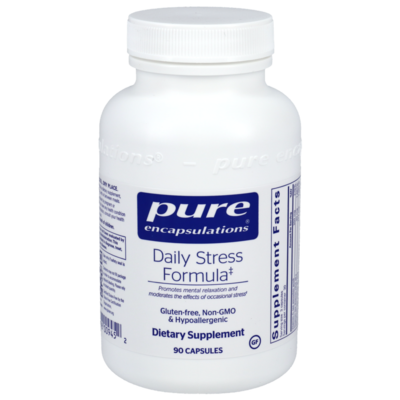
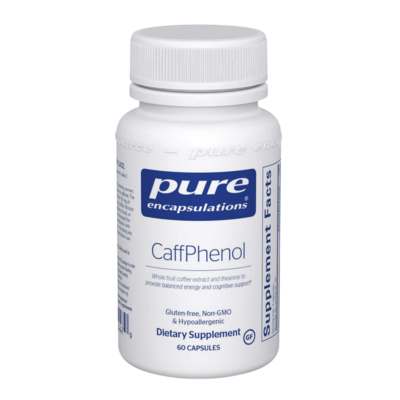
  • Stress Daily Support

    Stress Daily Support product 1
    Stress Daily Support product 2
    Stress Daily Support product 3
    2 more items in Stress Daily Support

    You have selected the Stress Support Protocol. I am looking forward to assisting you on your journey toward better health. Attached are the products that are best suited to help you as you progress. Please follow the instructions and follow up if you have any questions. See the attached information for more details. From Stressed to Success! Dr. Michael Hauman Aslan Health, LLC www.aslanhealth.com Stress Support Stress Stress (particularly distress) is excessive stimulation of the body's resources that eventually leads to negative symptoms such as fatigue or depression. Several supplements, such as adaptogens, reduce the development of stress. Energy & Fatigue — What does energy and fatigue encompass? Fatigue is generally defined as extreme tiredness resulting from exertion or illness, whereas energy refers to the actual or perceived ability to engage in physical and mental activity. Fatigue in exercise science is slightly different: fatigue is characterized as diminished output in response to sustained effort. [1]  The broad topic of fatigue and energy is related to nutrient status, metabolism, and energetics (i.e., mitochondria function), exercise, physiology, psychology, neurobiology, oxidative stress, inflammation, sleep, and many body systems. Fatigue can be as mild as feeling tired regularly, or as extreme as the disabling fatigue indicative of a severe medical condition (i.e. chronic fatigue syndrome (CFS), also known as ME/CFS). [2] Energy & Fatigue — How could diet affect energy and fatigue? Food choice is foundational for sustaining energy, as calories are metabolized into ATP, the primary source of energy that fuels cellular needs. Healthy, nutrient-dense dietary patterns support the energetic demands of life, prevent conditions that increase risk for fatigue, and have been used in studies to reduce fatigue and increase energy. [3][4]  Some foods contain nutrients at doses shown to support energy and resist fatigue, either in general (e.g., iron in red meat) or during exercise (e.g., nitrates in spinach). [5] Energy, Stress & Fatigue — Which supplements are of most interest? Getting enough essential vitamins and minerals (e.g., iron for blood cell function, B-complex vitamins for metabolic support) is foundational in any approach designed to address stress and fatigue, which means that supplementation can be beneficial if the diet does not provide sufficient amounts of these nutrients. The most common supplements people use to increase mental and physical energy are stimulants (e.g., caffeine, guarana), but these are temporary and merely push the body without actually boosting energy. Supplements that improve cognitive function, such as nootropics, are also utilized to elevate the feeling of increased energy. Supplements that increase endurance, support fatigue resistance, promote stress tolerance, or have another effect on enhancing exercise (such as ergogenics) are relevant to energy and fatigue. Energy & Fatigue — Stress Supplementation: I prefer adaptogens and multivitamin and mineral formulations to enhance an individual's ability to manage the effects of stress and provide the raw materials necessary for recovery. References ^ Wan JJ, Qin Z, Wang PY, Sun Y, Liu X Muscle fatigue: general understanding and treatment. Exp Mol Med.(2017-10-06) ^ Committee on the Diagnostic Criteria for Myalgic Encephalomyelitis/Chronic Fatigue Syndrome, Board on the Health of Select Populations, Institute of Medicine Beyond Myalgic Encephalomyelitis/Chronic Fatigue Syndrome: Redefining an Illness ^ Centers for Disease Control and Prevention Poor Nutrition (2022 May) ^ Zick SM, Colacino J, Cornellier M, Khabir T, Surnow K, Djuric Z Fatigue reduction diet in breast cancer survivors: a pilot randomized clinical trial. Breast Cancer Res Treat.(2017-01) ^ Jonvik KL, Nyakayiru J, Pinckaers PJ, Senden JM, van Loon LJ, Verdijk LB Nitrate-Rich Vegetables Increase Plasma Nitrate and Nitrite Concentrations and Lower Blood Pressure in Healthy Adults. J Nutr.(2016-05) ^ The content of this page was partially adapted from MedlinePlus of the National Library of Medicine

    View protocol
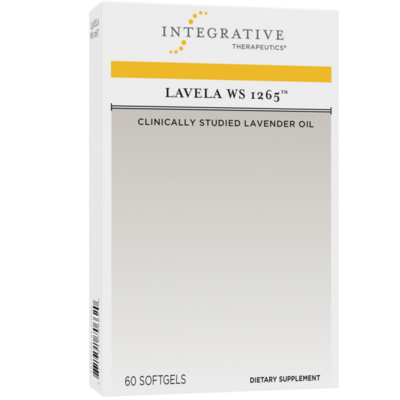
  • Anxiety Support

    Anxiety Support  product 1
    Anxiety Support  product 2
    Anxiety Support  product 3
    2 more items in Anxiety Support

    This is my Anxiety Support information. Attached are the products I recommend most for anxiety symptoms. Please follow the instructions and reach out with questions. In Good Health! Dr. Michael Hauman Aslan Health, LLC www.aslanhealth.com Anxiety — Overview Anxiety disorders are a group of disorders characterized by symptoms of excessive anxiety and/or fear. Anxiety symptoms|Anxiety itself, unlike fear, is persistent and future-oriented. There are many types of anxiety disorders, including generalized anxiety disorder, social anxiety disorder, phobia symptoms|phobias, and panic disorder. Anxiety — What are anxiety disorders? Having an anxiety disorder is not the same thing as experiencing anxiety symptoms|anxiety. Anxiety and fear can be normal, adaptive responses to stressful and scary situations. Anxiety symptoms can also occur in the context of other mental and physical disorders or as effects of medication or drugs of abuse. In anxiety disorders, however, the feelings of anxiety or fear are recurrent, excessive, consistent, and persistent. Other symptoms, like sleep disturbances or panic attacks, may also accompany them. Anxiety disorders are defined by the 5th edition of the American Psychological Association (APA)’s Diagnostic and Statistical Manual (DSM-5) as a group of disorders "that share features of excessive fear and anxiety symptoms|anxiety and related emotional disturbances". [1]  The most common anxiety disorders in adults are specific phobia symptoms|phobias, panic disorder, social anxiety disorder, generalized anxiety disorder, and agoraphobia. [2] Anxiety — What are the main signs and symptoms of anxiety disorders? Just experiencing anxiety symptoms does not mean that someone has an anxiety disorder. The American Psychological Association (APA) sets out diagnostic criteria for specific anxiety disorders in its Diagnostic and Statistical Manual of Mental Disorders (DSM). This table summarizes the symptoms used to diagnose the most common anxiety disorders. [1] DisorderSummary of symptomsGeneralized anxiety disorderExcessive anxiety and worry which are difficult to control, which cause distress or difficulty functioning, and which are associated with at least three of the following symptoms: restlessness, fatigue, difficulty concentrating, irritability, tension, sleep disturbance.Social anxiety disorder: Consistent, persistent, and disproportionate fear or anxiety around being judged by others in one or more social situations, which results in intense distress or difficulties functioning. Specific phobia: A specific object or situation consistently and persistently provokes intense fear or anxiety out of proportion to the actual danger, resulting in intense distress or difficulties functioning. Panic disorder: Recurrent, unexpected panic attacks, prompting worry or behavioural change. Agoraphobia: Consistent, persistent, disproportionate fear and anxiety about being in two or more of the following specific situations: public transportation, open spaces, enclosed spaces, being in a crowd or a line, or being away from home alone. The fear and anxiety cause avoidant behaviour and distress/difficulty functioning. Adapted from: American Psychological Association. (2013) Anxiety Disorders. Diagnostic treatment Statistical Manual of Mental Disorders  (5th ed.) For all of the above anxiety disorders, the diagnosis will only be made if the effects of a medication or drug, by another medical condition, or by another mental disorder can't better explain the symptoms. Anxiety — How are anxiety disorders diagnosed? Anxiety disorders shouldn’t be self-diagnosed: It takes clinical experience to distinguish between normal and disordered anxiety. Diagnosing an anxiety disorder is done through a psychological evaluation performed by a clinician, after ruling out other symptom causes such as medication, drugs, or medical conditions. [3]  The psychological assessment is typically based on diagnostic criteria set by a publication such as the American Psychological Association’s Diagnostic and Statistical Manual of Mental Disorders (DSM) or the World Health Organization’s International Statistical Classification of Diseases and Related Health Problems (ICD). The symptoms in the APA’s diagnostic criteria for the most common anxiety disorders are summarized in What are the main signs and symptoms of anxiety disorders? The diagnosis can only be made if the effects of a medication or drug, or another medical condition, or another mental disorder, can't better explain the symptoms. Anxiety — What are some of the main medical treatments for anxiety disorders? Antianxiety medications like beta-blockers and antidepressants are commonly used either alone or in conjunction with therapy for the relief of anxiety symptoms. Types of treatment used for anxiety disorders include  cognitive behavioral therapy  (CBT) and  mindfulness-and-acceptance-based-therapy|acceptance and commitment therapy  (ACT). [3] Anxiety — Have any supplements been studied for anxiety disorders? Several supplements have been studied for the relief of anxiety symptoms, both in the context of anxiety disorders and in other contexts. While some supplements have been studied for anxiety relief in the context of anxiety disorders, there aren’t many with substantial evidence. Lavender oil capsules were effective in two trials in people with anxiety disorders. [4] A 2010 systematic review noted that the majority of randomized controlled trials of kava saw significantly reduced anxiety in people with anxiety disorders or anxiety-related disorders. However, the supplement carries a possible risk of inducing liver toxicity. [5]  However, in a 2022 review of studies, it was not as effective in people with generalized anxiety disorder. [6] Anxiety — Are there any other treatments for anxiety disorders? Some evidence shows that meditation can reduce anxiety symptoms, [7]  performing better than no intervention or sham interventions in people without diagnosed anxiety disorders and comparable to other active therapies among people with diagnosed anxiety disorders. Exercise, particularly high-intensity aerobic exercise and resistance training, may be effective for treating anxiety symptoms, including in the context of anxiety disorders. [9][10] Anxiety — What causes anxiety disorders? The causes of anxiety disorders are complex and not fully understood. Genetics, the environment, and brain biology can all play a role. [2] Anxiety — Are there any supplements that people with anxiety disorders should avoid? Yohimbine and yohimbine-containing products — as well as supplements that have a similar mechanism, such as rauwolscine — should be avoided, because they can provoke anxiety in people with anxiety disorders. [11] Additionally, although stimulants do not always cause anxiety symptoms, many create a stress response that could worsen existing symptoms. People with anxiety disorders might not need to stop using stimulants entirely, but they may want to avoid frequent use, especially if anxiety symptoms worsen. Anxiety — What disorders are included in the category of anxiety disorders? The 5th edition of the American Psychological Association (APA)’s Diagnostic and Statistical Manual (DSM-5) defines the following anxiety disorders: [1] Separation Anxiety Disorder Selective Mutism Specific phobia symptoms|Phobia (e.g., fear of spiders) Social Anxiety Disorder (also known as social phobia) Panic Disorder Agoraphobia Generalized Anxiety Disorder Substance/Medication-Induced Anxiety Disorder Anxiety Disorder Due to Another Medical Condition Other Specified Anxiety Disorder Unspecified Anxiety Disorder Anxiety symptoms and panic attacks can be associated with any of these disorders. Anxiety — What are the differences between fear, anxiety, and anxiety disorders? Anxiety symptoms|Anxiety, as defined by the APA, combines uneasiness or dread about future events, physical symptoms of tension, and the anticipation of impending danger. [12]  In contrast, fear is an emotional and physiological response to an immediate threat. [13]  Anxiety and fear are both normal emotions that everyone experiences from time to time. In anxiety disorders, however, anxiety and fear are persistent — present for longer than 6 months — and either are excessive or are present long after they’re developmentally appropriate. Anxiety disorders can often interfere with daily activities, either directly (as with selective mutism, in which people cannot talk in some situations) or because people with anxiety disorders may rearrange their lives to avoid situations that trigger their symptoms (as with agoraphobia, in which specific spaces or situations trigger anxiety). Anxiety — Is there any human evidence concerning the anxiolytic effects of curcumin? Yes. [14]  One gram of curcumin a day was shown to reduce anxiety when supplemented by people with obesity, compared to a placebo in a crossover study. Depression was also measured, but there was no significant effect. Anxiety — Should I stop using stimulants if I have anxiety? Though stimulants do not always cause anxiety, many create a stress response that could worsen existing symptoms. People with anxiety might not need to stop using stimulants entirely, but they may want to avoid frequent use, especially if symptoms worsen. Caffeine is the stimulant least likely to cause anxiety. Ideally, 100–200 mg of caffeine should be paired with an equal dose of L-theanine. This amino acid can tame the anxiety caused in some people by caffeine without impairing caffeine’s stimulatory effect. The improvements in concentration (focus and attention span) induced by caffeine and theanine, respectively, are synergistic, meaning they work well together. Yohimbine and yohimbine-containing products — as well as supplements that have a similar mechanism, such as rauwolscine — should be avoided. Anxiety — Does exercise exacerbate the symptoms of anxiety, such as increased heart rate? Yes, many symptoms of anxiety can be exacerbated during exercise and slightly afterward. However, the effects are temporary [15]  and will usually subside. Moreover, awareness of the physical signs of anxiety may decrease [16]  after settling into an exercise routine, which could mitigate distress in people with anxiety. These two points are essential to keep in mind for people suffering from panic disorder, since awareness of rapid heart rate is one of the symptoms of a panic attack. However, one small study [17]  found that exercise did not induce panic in most people with panic disorder in the sample. But it does seem that people with panic disorder may avoid exercise, [18]  possibly due to its perceived risks of triggering an attack. Anxiety — Are there any evidence-based supplements for treating anxiety? Some supplements have been studied, but there aren’t many with strong evidence to back up their use for anxiety. Lavender oil has some evidence to support its use for treating  generalized anxiety disorder  (GAD). One study [19]  found it to be equally effective as a benzodiazepine in treating GAD. However, more studies are necessary to confirm this finding and to explore lavender oil’s possible efficacy in other anxiety disorders. Other reviews support the use of supplements such as kava[5] and inositol [20]. However, the former carries a possible risk of inducing hepatotoxicity, and the latter does not have as much evidence to warrant its use as an anxiolytic. [5]  and inositol, [20] Magnesium also has some promising evidence [21]  for lowering symptoms of anxiety. Apart from supplements, one meta-analysis [22]  ranked different interventions by their effectiveness in reducing symptoms of anxiety. References ^ American Psychiatric Association "Anxiety Disorders". In Diagnostic and Statistical Manual of Mental Disorders, 5th Edition (2013) ^ Thibaut F disorders: a review of current literature. Dialogues Clin Neurosci.(2017 Jun) ^ MedLine Plus: Anxiety. US National Library of Medicine. Cited November 2024. Last updated October 2023 (17 October 2023) ^ Kasper S An orally administered lavandula oil preparation (Silexan) for anxiety disorder and related conditions: an evidence-based review. Int J Psychiatry Clin Pract.(2013 Nov) ^ Lakhan SE, Vieira KF Nutritional and herbal supplements for anxiety and anxiety-related disorders: systematic review Nutr J.(2010 Oct 7) ^ Zhang W, Yan Y, Wu Y, Yang H, Zhu P, Yan F, Zhao R, Tian P, Wang T, Fan Q, Su Z Medicinal herbs for the treatment of anxiety: A systematic review and network meta-analysis. Pharmacol Res.(2022-May) ^ Blanck P, Perleth S, Heidenreich T, Kröger P, Ditzen B, Bents H, Mander J Effects of mindfulness exercises as stand-alone intervention on symptoms of anxiety and depression: Systematic review and meta-analysis Behav Res Ther.(2018 Mar) ^ Chen KW, Berger CC, Manheimer E, Forde D, Magidson J, Dachman L, Lejuez CW Meditative therapies for reducing anxiety: a systematic review and meta-analysis of randomized controlled trials Depress Anxiety.(2012 Jul) ^ Aylett E, Small N, Bower P Exercise in the treatment of clinical anxiety in general practice - a systematic review and meta-analysis BMC Health Serv Res.(2018 Jul 16) ^ LeBouthillier DM, Asmundson GJG The efficacy of aerobic exercise and resistance training as transdiagnostic interventions for anxiety-related disorders and constructs: A randomized controlled trial J Anxiety Disord.(2017 Dec) ^ Sallee FR, Sethuraman G, Sine L, Liu H Yohimbine challenge in children with anxiety disorders. Am J Psychiatry.(2000 Aug) ^ American Psychological Association (APA) Anxiety. Cited November 2024, updated April 2018 (19 April 2018) ^ American Psychological Association (APA) Fear. Cited November 2024, updated April 2018 (19 April 2018) ^ Esmaily H, Sahebkar A, Iranshahi M, Ganjali S, Mohammadi A, Ferns G, Ghayour-Mobarhan M An investigation of the effects of curcumin on anxiety and depression in obese individuals: A randomized controlled trial Chin J Integr Med.(2015 May) ^ Bibeau WS, Moore JB, Mitchell NG, Vargas-Tonsing T, Bartholomew JB Effects of acute resistance training of different intensities and rest periods on anxiety and affect J Strength Cond Res.(2010 Aug) ^ Broman-Fulks JJ, Berman ME, Rabian BA, Webster MJ Effects of aerobic exercise on anxiety sensitivity Behav Res Ther.(2004 Feb) ^ Stein JM, Papp LA, Klein DF, Cohen S, Simon J, Ross D, Martinez J, Gorman JM Exercise tolerance in panic disorder patients Biol Psychiatry.(1992 Aug 1) ^ Broocks A, Meyer TF, Bandelow B, George A, Bartmann U, Rüther E, Hillmer-Vogel U Exercise avoidance and impaired endurance capacity in patients with panic disorder Neuropsychobiology.(1997) ^ H Woelk, S Schläfke A multi-center, double-blind, randomised study of the Lavender oil preparation Silexan in comparison to Lorazepam for generalized anxiety disorder Phytomedicine.(2010 Feb) ^ Saeed SA, Bloch RM, Antonacci DJ Herbal and dietary supplements for treatment of anxiety disorders Am Fam Physician.(2007 Aug 15) ^ Boyle NB, Lawton C, Dye L The Effects of Magnesium Supplementation on Subjective Anxiety and Stress-A Systematic Review Nutrients.(2017 Apr 26) ^ Wipfli BM, Rethorst CD, Landers DM The anxiolytic effects of exercise: a meta-analysis of randomized trials and dose-response analysis J Sport Exerc Psychol.(2008 Aug) This information is not meant to replace advice from any qualified professional. It is intended for educational and informational purposes only.

    View protocol
  • IBS- Diarrhea

    IBS- Diarrhea product 1
    IBS- Diarrhea product 2
    IBS- Diarrhea product 3
    5 more items in IBS- Diarrhea

    You have selected the Irritable Bowel with Diarrhea protocol. I am looking forward to assisting you on your journey toward better health. Attached are the products I think will be best suited to help you as you progress. Please follow the instructions and follow up if you have any questions. Healthy, Happy, Healing! Dr. Michael Hauman Aslan Health, LLC www.aslanhealth.com Diarrhea Predominant Irritable Bowel Syndrome (IBS-D) Diarrhea-predominant irritable bowel syndrome  (IBS-D) is a subtype of IBS that leads to abdominal pain, gas, bloating, and frequent, urgent diarrhea. The exact causes are unknown, but research suggests that multiple factors — such as the gut-brain axis, abnormal muscular contractions, gut microbes, and genetics — could play a role in the disease. IBS-D can be managed with dietary modifications, psychotherapy, supplements, and prescription medications. Diarrhea Predominant Irritable Bowel Syndrome (IBS-D) — What is IBS-D? IBS-D is a subtype of IBS characterized by abdominal pain, gas, bloating, and frequent, urgent diarrhea. Approximately 29% of IBS sufferers have IBS-D, and women are more commonly affected than men. [1] Diarrhea Predominant Irritable Bowel Syndrome (IBS-D) — What are the main signs and symptoms of IBS-D? IBS-D shares most symptoms — including abdominal pain, bloating, and gas — with the other IBS subtypes, but in IBS-D, diarrhea is the predominant bowel habit. People with IBS-D also report more abdominal pain compared to the other subtypes. [2] Symptoms often subside after a bowel movement, but will sometimes worsen after certain triggers such as caffeine, psychological stress, and foods high in certain fermentable carbohydrates (e.g., beans and wheat products; see Low-Fodmap Diet). [3] Diarrhea Predominant Irritable Bowel Syndrome (IBS-D) — How is IBS-D diagnosed? There is no test to diagnose IBS-D, so doctors often use blood and stool tests to rule out other diseases before reaching an IBS-D diagnosis. Rome IV criteria can be used to diagnose IBS-D based on the proportion of bowel movements rated as diarrhea compared to those rated as normal. [4]  Symptoms need to occur at least once per week for at least three months to be considered IBS. [3] Diarrhea Predominant Irritable Bowel Syndrome (IBS-D) — What are some of the main medical treatments for IBS-D? Medications for IBS-D broadly include antidiarrheals, antispasmodics, and antidepressants. They work by reducing or normalizing intestinal motility (organized contractions of the digestive tract) and water content in the bowel. In some cases, antibiotics are prescribed to treat an underlying infection or  small intestinal bacterial overgrowth  (SIBO). [3] Diarrhea Predominant Irritable Bowel Syndrome (IBS-D) — Have any supplements been studied for IBS-D? I have incuded my favorite and most effective recommendations with this protocol. Few supplements have been studied for IBS-D specifically, but enteric-coated peppermint oil can reduce abdominal pain and certain probiotic strains are effective for multi-symptom relief. [5][6] In a 16-week placebo controlled trial (including an 8-week double-blind phase followed by an 8-week open label phase), polymethylsiloxane polyhydrate — an over-the-counter intestinal absorbent — improved abdominal pain, stool consistency, and the frequency and urgency of bowel movements in IBS-D. [2] Diarrhea Predominant Irritable Bowel Syndrome (IBS-D) — How could diet affect IBS-D? Certain foods and substances, including caffeine, sugar alcohols, and some types of dietary fiber, can worsen IBS-D symptoms by increasing gut motility or retaining fluid in the intestines. These factors explain, in part, why a low-FODMAP diet is recommended for people with IBS-D. In a 12-week randomized controlled trial, researchers compared a low-FODMAP diet to one that replaced cereal grains (like wheat) with Tritordeum (a hybrid of durum wheat and wild barley), and found that both diets were equally effective at reducing IBS-D symptoms. [7] Traditional dietary advice — such as avoiding trigger foods, limiting alcohol, and eating smaller, more frequent meals — is also effective (though the low-FODMAP diet is slightly more effective.) [8][3] Diarrhea Predominant Irritable Bowel Syndrome (IBS-D) — What causes IBS-D? Although the cause of IBS-D remains unknown, research suggests that multiple factors — such as the gut-brain axis, abnormal muscular contractions, gut microbes, hormones, and genetics — may play a role in the disease. IBS is twice as common in women compared to men, which could be explained, in part, by hormonal changes during the menstrual cycle. [12]  Other evidence suggests that some women with IBS-D carry a gene mutation that affects their gut-derived serotonin receptors, which could lead to abnormal motility. [1][3] Diarrhea Predominant Irritable Bowel Syndrome (IBS-D) — Should I avoid dairy or gluten if I have IBS? In lieu of a full low-FODMAP diet, a lactose-free diet could be empirically tried, even in patients with no known lactose intolerance. Gastrointestinal reactions to lactose-free dairy or very low levels of lactose may be due to a milk protein allergy rather than lactose intolerance.  [13] Some patients may find gluten avoidance improves some of their symptoms. “Non-celiac gluten sensitivity” is used to describe patients who have gluten sensitivity but do not have celiac disease. In IBS-D, this improvement may be due to a reduction in the consumption of fructans, rather than gluten, as both are present in similar food items. [14][15] References ^ Fritz N, Berens S, Dong Y, Martínez C, Schmitteckert S, Houghton LA, Goebel-Stengel M, Wahl V, Kabisch M, Götze D, D'Amato M, Zheng T, Röth R, Mönnikes H, Tesarz J, Engel F, Gauss A, Raithel M, Andresen V, Keller J, Frieling T, Pehl C, Stein-Thöringer C, Clarke G, Kennedy PJ, Cryan JF, Dinan TG, Quigley EMM, Spiller R, Beltrán C, Madrid AM, Torres V, Mayer EA, Sayuk G, Gazouli M, Karamanolis G, Bustamante M, Estivil X, Rabionet R, Hoffmann P, Nöthen MM, Heilmann-Heimbach S, Schmidt B, Franke A, Lieb W, Herzog W, Boeckxstaens G, Wouters MM, Simrén M, Rappold GA, Vicario M, Santos J, Schaefert R, Lorenzo-Bermejo J, Niesler B The serotonin receptor 3E variant is a risk factor for female IBS-D. J Mol Med (Berl).(2022-Nov) ^ Howell CA, Kemppinen A, Allgar V, Dodd M, Knowles CH, McLaughlin J, Pandya P, Whorwell P, Markaryan E, Yiannakou Y Double-blinded randomised placebo controlled trial of enterosgel (polymethylsiloxane polyhydrate) for the treatment of IBS with diarrhoea (IBS-D). Gut.(2022-Dec) ^ Irritable Bowel Syndrome: NIDDK; Bethesda, MD: National Institute of Diabetes and Digestive and Kidney Diseases; cited Feb 2023 ^ Max J Schmulson, Douglas A Drossman What Is New in Rome IV J Neurogastroenterol Motil.(2017 Apr 30) ^ Alammar N, Wang L, Saberi B, Nanavati J, Holtmann G, Shinohara RT, Mullin GE The impact of peppermint oil on the irritable bowel syndrome: a meta-analysis of the pooled clinical data BMC Complement Altern Med.(2019 Jan 17) ^ Ford AC, Harris LA, Lacy BE, Quigley EMM, Moayyedi P Systematic review with meta-analysis: the efficacy of prebiotics, probiotics, synbiotics and antibiotics in irritable bowel syndrome Aliment Pharmacol Ther.(2018 Nov) ^ Russo F, Riezzo G, Orlando A, Linsalata M, D'Attoma B, Prospero L, Ignazzi A, Giannelli G A Comparison of the Low-FODMAPs Diet and a Tritordeum-Based Diet on the Gastrointestinal Symptom Profile of Patients Suffering from Irritable Bowel Syndrome-Diarrhea Variant (IBS-D): A Randomized Controlled Trial. Nutrients.(2022-Apr-08) ^ Mohammad Javad Zahedi, Vahideh Behrouz, Maryam Azimi Low fermentable oligo-di-mono-saccharides and polyols diet versus general dietary advice in patients with diarrhea-predominant irritable bowel syndrome: A randomized controlled trial J Gastroenterol Hepatol.(2018 Jun) ^ Tang B, Zhang J, Yang Z, Lu Y, Xu Q, Chen X, Lin J Moxibustion for Diarrhea-Predominant Irritable Bowel Syndrome: A Systematic Review and Meta-Analysis of Randomized Controlled Trials. Evid Based Complement Alternat Med.(2016) ^ Dai YK, Li DY, Zhang YZ, Huang MX, Zhou YL, Ye JT, Wang Q, Hu L Efficacy and safety of Modified Tongxie Yaofang in diarrhea-predominant irritable bowel syndrome management: A meta-analysis of randomized, positive medicine-controlled trials. PLoS One.(2018) ^ Xiao Y, Liu Y, Huang S, Sun X, Tang Y, Cheng J, Wang T, Li F, Kuang Y, Luo R, Zhao X The efficacy of Shugan Jianpi Zhixie therapy for diarrhea-predominant irritable bowel syndrome: a meta-analysis of randomized, double-blind, placebo-controlled trials. PLoS One.(2015) ^ Adeyemo MA, Spiegel BM, Chang L Meta-analysis: do irritable bowel syndrome symptoms vary between men and women? Aliment Pharmacol Ther.(2010-Sep) ^ Yang J, Deng Y, Chu H, Cong Y, Zhao J, Pohl D, Misselwitz B, Fried M, Dai N, Fox M Prevalence and presentation of lactose intolerance and effects on dairy product intake in healthy subjects and patients with irritable bowel syndrome. Clin Gastroenterol Hepatol.(2013-Mar) ^ Gry I Skodje, Vikas K Sarna, Ingunn H Minelle, Kjersti L Rolfsen, Jane G Muir, Peter R Gibson, Marit B Veierød, Christine Henriksen, Knut E A Lundin Fructan, Rather Than Gluten, Induces Symptoms in Patients With Self-Reported Non-Celiac Gluten Sensitivity Gastroenterology.(2018 Feb) ^ Fedewa A, Rao SS Dietary fructose intolerance, fructan intolerance and FODMAPs. Curr Gastroenterol Rep.(2014-Jan) This information is not meant to replace advice from any qualified professional. It is intended for educational and informational purposes only.

    View protocol
  • Healthy Skin

    Healthy Skin  product 1
    Healthy Skin  product 2
    Healthy Skin  product 3
    5 more items in Healthy Skin

    You have selected the Healthy Skin template. Attached are the products best suited to help you as you progress. Please follow the instructions and follow up if you have any questions. Looking Great! Dr. Michael Hauman Aslan Health, LLC www.aslanhealth.com Skin, Hair, & Nails — Overview Skin, hair, and nails are all part of our integumentary system (i.e., the body’s outer layer), which includes all of the organs (and their appendages) that form the outermost layer of the body. Healthy skin maintains a barrier between the external environment and the inside of the body and is characterized by smoothness, moisture, blemish-free skin, and radiance. A number of treatments (dietary, supplementary, red light therapy, and topical products) have been studied for hair and skin health. Skin, Hair, & Nails — How are skin, hair, and nails related? The integumentary system comprises the organs that form the body's outermost layer. In humans, the integumentary system consists of skin, hair, and nails, which help protect the rest of the body and maintain homeostasis. The outermost layer of skin (the epidermis) is primarily composed of keratinocytes (cells that contain the protein keratin, which holds water and keeps the skin hydrated), and the topmost part of the epidermis is primarily composed of dead keratinocytes. Hair and nails don’t contain any cells but are instead composed of keratin (and other proteins). Alongside its functional role in the integumentary system, it can also play an important aesthetic role. Skin, Hair, & Nails — What problems do skin, hair, and nails have? The most noteworthy skin-related issues that individuals experience are aging, acne, eczema (e.g., atopic dermatitis), and skin cancer. Hair-related issues include hair loss, breaking, and graying. Nail-related issues include brittleness, discoloration, and fungal infections. Age, damage (e.g., physical trauma, exposure to certain chemicals or radiation), oxidative stress, and inflammation can all lead to problems with skin, hair, and nails. [1] Skin, Hair, & Nails — How could diet affect skin, hair, and nails? The integumentary system is complex and requires many nutrients to function correctly. A diet that provides adequate levels of nutrients is important. Notably, protein, certain micronutrients (e.g, cysteine, lysine, iron, vitamin A, vitamin C, B vitamins, zinc, selenium), and essential fatty acids such as omega-6 and omega-3 polyunsaturated fatty acids. [2] &nbsp;Not only are these nutrients necessary for ordinary function, but they also play a role in protection and repair (e.g., in response to UV radiation). Deficiencies in these nutrients may manifest as abnormalities in skin, hair, and nails. [3][1] Skin, Hair, & Nails — Which supplements are of most interest for skin, hair, and nails? If it’s difficult to obtain adequate levels of the nutrients listed above from the diet, supplementing with them may be advisable. [3][1] Additionally, cocoa extract, coconut oil, nicotinamide, and Polypodium leucotomos all show promise as treatments for skin health. I have included my favorites with this protocol. Cysteine, lysine, marine proteins (i.e., extracellular matrix components from sharks and mollusks), procyanidins, pumpkin seed oil, B vitamins, vitamin D, vitamin E derivatives, and zinc have all been studied for hair loss. [4] My favorite for hair loss is red light therapy with the Platinum LED- contact me for a discount link if you are interested. Skin, Hair, & Nails — What other treatments are useful for skin, hair, and nails? There’s quite a bit of research on the topical application of nutrients to the skin and hair. Topically applied retinoids, carotenoids, nicotinamide, vitamin C, and vitamin E have all been studied for their effects on skin health. [1] Topically applied caffeine, capsaicin, curcumin, garlic, melatonin, onion juice, and rosemary oil all show some promise for treating hair loss. [4] Additionally, it’s advisable to use a broad-spectrum sunscreen, even if you aren’t spending much time in the sun. [5] Skin, Hair, & Nails — Why do people tan differently? The Fitzpatrick skin type scale [6] &nbsp;is a method for classifying people’s expected reaction to UVB exposure based on how they respond to sun exposure of about three minimum erythema doses (MEDs), or about 45–60 minutes of noon exposure in northern latitudes (north of Mexico through Oregon) during early summer. Not surprisingly, skin pigmentation plays an important role in determining the Fitzpatrick skin type. There are six categories that a person may fall into, with the first four associated with white skin, the fifth with brown skin, and the sixth with black skin. Skin, Hair, & Nails — Will sunscreen decrease my vitamin D levels? Your body can produce vitamin D when the skin is exposed to UVB rays, [7] Your body can produce vitamin D when the skin is exposed to UVB rays [7], so it stands to reason that sunscreen use may decrease vitamin D levels. Indeed, sunscreen can reduce vitamin D production under laboratory conditions [8][9], and this decrease is most pronounced when sunscreen is used consistently and properly (i.e., with a broad-spectrum sunscreen and an appropriate[8][9] SPF, amount, and reapplication schedule). [8][9] SPF, amount, and reapplication schedule. [10][11][12] &nbsp;Even so, it appears that most people need not worry that sunscreen alone will affect by smoothness, moisture, blemish-free skin, and radiance vitamin D levels. [13] One important caveat — studies to date have generally been conducted on people with less skin pigmentation (i.e., those with Fitzpatrick skin types 1–3). A different result may be seen in those with Fitzpatrick skin types 4–6. Generally speaking, 5 to 30 minutes of unprotected sun exposure to the hands, face, and arms at least three times a week between 11 a.m. and 3 p.m. may generally be enough to keep vitamin D levels out of the deficient range (<30 nmol/L or <12 ng/mL). [14][15] &nbsp;When the UV Index in your area is 3 or higher, people with Fitzpatrick skin types 1 or 2 should limit unprotected sun exposure to less than 10 minutes, skin types 3 or 4 to less than 15 minutes, and skin types 5 or 6 to less than 30 minutes. [16][17] &nbsp;You can check out the UV index forecast in your area here (https://www.epa.gov/enviro/uv-index-search). Keep in mind that longer periods of unprotected sun exposure will not necessarily lead to higher vitamin D production because the UVB rays will eventually degrade vitamin D in your skin to an inactive state. [18] &nbsp;This actually helps protect your body against vitamin D toxicity. Additionally, UVB-induced vitamin D production can be influenced by&nbsp; many &nbsp;other factors, including: [19] 👴🏽 Age 🦵🏼 Amount of sun-exposed skin 💊 Certain medications 🎽 Clothing type 🏔 Elevation 🗺 Latitude 🏬 Living environment (e.g., urban, suburban, or rural) 🏭 Pollution ✋🏿 Skin pigmentation 📐 Solar angle ⏱ Sun exposure duration and frequency 📅 Time of year 🌦 Weather conditions For these reasons, it is not advisable to completely forego sunscreen to increase vitamin D levels or rely on sun exposure as your&nbsp; main &nbsp;source of vitamin D. Rather, a more balanced approach would be to increase vitamin D through diet and supplementation, with some limited unprotected sun exposure added in. 💡&nbsp; Tip: &nbsp;Calculate your safe UV exposure for a healthy vitamin D status How much UV exposure you need to maximize your body's vitamin D production depends on a number of factors: time of year, location, skin type, weather conditions, and more. Fortunately, the Norwegian Institute for Air Research has developed a calculator, based on peer-reviewed research [20][21][22][23] &nbsp;that takes these factors and more into account. This tool allows you to calculate UV exposure times to obtain optimal vitamin D synthesis without burning your skin. You can try the easier model or the more complex full model. Skin, Hair, & Nails — Can I create my own sunscreen using natural plant oils? In short, not really. When tested for protection against UVB radiation only, many plant oils provide an SPF of <8. [24] &nbsp;These oils can be incorporated into commercial sunscreen products to help the overall SPF rating, but on their own, they are insufficient for UV protection. Be aware that some of these plant oils can be potentially allergenic and may cause skin irritation (such as dermatitis) in some individuals. [25][26] &nbsp;Sunscreens are formulated with specific ingredients in specific amounts, and manufacturing methods are employed to help ensure these UV-protective ingredients are evenly distributed throughout the sunscreen. This process is very difficult to replicate at home. Sun protection factor (SPF) values of plant oils Adapted from &nbsp;Kaur and Saraf.&nbsp; Pharmacognosy Res . 2010. [24] Skin Quality Skin quality tends to refer to an overall evaluation of (facial) skin parameters such as tightness, moisture content, and clearness from acne. Supplements that improve skin quality can be taken orally or topically as a cream. Skin Elasticity Skin elasticity is the ability of the skin to return to its original position after being stretched or deformed. It is typically done to measure skin health or hydration. References ^ Pappas A, Liakou A, Zouboulis CC Nutrition and skin. Rev Endocr Metab Disord.(2016-09) ^ Michalak M, Pierzak M, Kręcisz B, Suliga E Bioactive Compounds for Skin Health: A Review. Nutrients.(2021-Jan-12) ^ O'Connor K, Goldberg LJ Nutrition and hair. Clin Dermatol.(2021) ^ Anna-Marie Hosking, Margit Juhasz, Natasha Atanaskova Mesinkovska Complementary and Alternative Treatments for Alopecia: A Comprehensive Review Skin Appendage Disord.(2019 Feb) ^ Li H, Colantonio S, Dawson A, Lin X, Beecker J Sunscreen Application, Safety, and Sun Protection: The Evidence. J Cutan Med Surg.(2019) ^ T B Fitzpatrick The validity and practicality of sun-reactive skin types I through VI Arch Dermatol.(1988 Jun) ^ Bikle DD Vitamin D metabolism and function in the skin Mol Cell Endocrinol.(2011 Dec 5) ^ A Faurschou, D M Beyer, A Schmedes, M K Bogh, P A Philipsen, H C Wulf The relation between sunscreen layer thickness and vitamin D production after ultraviolet B exposure: a randomized clinical trial Br J Dermatol.(2012 Aug) ^ Mantas Grigalavicius, Vladimir Iani, Asta Juzeniene Layer Thickness of SPF 30 Sunscreen and Formation of Pre-vitamin D Anticancer Res.(2016 Mar) ^ Libon F, Courtois J, Le Goff C, Lukas P, Fabregat-Cabello N, Seidel L, Cavalier E, Nikkels AF Sunscreens block cutaneous vitamin D production with only a minimal effect on circulating 25-hydroxyvitamin D Arch Osteoporos.(2017 Dec) ^ Bibi Petersen, Hans Christian Wulf Application of sunscreen--theory and reality Photodermatol Photoimmunol Photomed.(Apr-Jun 2014) ^ R E Neale, S R Khan, R M Lucas, M Waterhouse, D C Whiteman, C M Olsen The effect of sunscreen on vitamin D: a review Br J Dermatol.(2019 Nov) ^ T Passeron, R Bouillon, V Callender, T Cestari, T L Diepgen, A C Green, J C van der Pols, B A Bernard, F Ly, F Bernerd, L Marrot, M Nielsen, M Verschoore, N G Jablonski, A R Young Sunscreen photoprotection and vitamin D status Br J Dermatol.(2019 Nov) ^ Barbara B Shih, Mark D Farrar, Marcus S Cooke, Joanne Osman, Abigail K Langton, Richard Kift, Ann R Webb, Jacqueline L Berry, Rachel E B Watson, Andy Vail, Frank R de Gruijl, Lesley E Rhodes Fractional Sunburn Threshold UVR Doses Generate Equivalent Vitamin D and DNA Damage in Skin Types I-VI but with Epidermal DNA Damage Gradient Correlated to Skin Darkness J Invest Dermatol.(2018 Oct) ^ Institute of Medicine (US) Committee to Review Dietary Reference Intakes for Vitamin D and Calcium, A Catharine Ross, Christine L Taylor, Ann L Yaktine, Heather B Del Valle Dietary Reference Intakes for Calcium and Vitamin D ^ Ann R Webb, Andreas Kazantzidis, Richard C Kift, Mark D Farrar, Jack Wilkinson, Lesley E Rhodes Colour Counts: Sunlight and Skin Type as Drivers of Vitamin D Deficiency at UK Latitudes Nutrients.(2018 Apr 7) ^ Ann R Webb, Andreas Kazantzidis, Richard C Kift, Mark D Farrar, Jack Wilkinson, Lesley E Rhodes Meeting Vitamin D Requirements in White Caucasians at UK Latitudes: Providing a Choice Nutrients.(2018 Apr 17) ^ A R Webb, B R DeCosta, M F Holick Sunlight regulates the cutaneous production of vitamin D3 by causing its photodegradation J Clin Endocrinol Metab.(1989 May) ^ Wacker M, Holick MF Sunlight and Vitamin D: A global perspective for health Dermatoendocrinol.(2013 Jan 1) ^ Engelsen O, Kylling A Fast simulation tool for ultraviolet radiation at the earth's surface Opt Eng.(2005 Apr) ^ John C Dowdy, Robert M Sayre, Michael F Holick Holick's rule and vitamin D from sunlight J Steroid Biochem Mol Biol.(2010 Jul) ^ Vitaly Terushkin, Anna Bender, Estee L Psaty, Ola Engelsen, Steven Q Wang, Allan C Halpern Estimated equivalency of vitamin D production from natural sun exposure versus oral vitamin D supplementation across seasons at two US latitudes J Am Acad Dermatol.(2010 Jun) ^ Ann R Webb, Ola Engelsen Calculated ultraviolet exposure levels for a healthy vitamin D status Photochem Photobiol.(Nov-Dec 2006) ^ Chanchal Deep Kaur, Swarnlata Saraf In Vitro Sun Protection Factor Determination of Herbal Oils Used in Cosmetics Pharmacognosy Res.(2010 Jan) ^ David A Kiken, David E Cohen Contact Dermatitis to Botanical Extracts Am J Contact Dermat.(2002 Sep) ^ M Corazza, A Borghi, M M Lauriola, A Virgili Use of Topical Herbal Remedies and Cosmetics: A Questionnaire-Based Investigation in Dermatology Out-Patients J Eur Acad Dermatol Venereol.(2009 Nov) This information is not meant to replace advice from any qualified professional. It is intended for educational and informational purposes only.

    View protocol
  • Magnesium Options

    Magnesium Options product 1
    Magnesium Options product 2
    Magnesium Options product 3
    4 more items in Magnesium Options

    I have placed my favorite Magnesium options in this plan. Choose only one directed towards your most significant health concern as discussed in the Aslan Health Podcast Magnesium series. Dr. Michael Hauman Aslan Health, LLC www.aslanhealth.com Magnesium Table of Contents 1. Magnesium - Overview 2. What is magnesium? 3. How does magnesium work? 4. What are the causes, signs, and symptoms of magnesium deficiency? 5. What are magnesiumʼs main drawbacks? 6. What are magnesiumʼs main benefits? 7. Drug interactions with magnesium 8. Magnesium - Safety summary 9. Dosage information 10. What foods are highest in magnesium? 11. Magnesium content of nuts and seeds 12. Low magnesium intake in the U.S. 13. References Magnesium - Overview Magnesium is an essential dietary mineral that is involved in energy production, nervous system function, blood pressure regulation, and blood glucose control. A lack of magnesium in the diet— which is common in modern societies — is associated with an increased risk of diabetes, cardiovascular disease, and other health conditions. What is magnesium? Magnesium is an essential dietary nutrient and is one of the most abundant minerals in the body. Magnesium is an electrolyte and a cofactor for more than 300 enzymes. Magnesium is required for energy (ATP) production, glucose metabolism, DNA and protein synthesis, nerve conduction, bone health, and cardiovascular regulation, among other functions. It also plays a crucial role in the synthesis and activation of vitamin D. Dietary sources of magnesium include dark green leafy vegetables, nuts and seeds, legumes, whole grains, and meats and fish such as salmon, chicken, and beef.[1] Many foods, such as breakfast cereals and bread, are fortified with magnesium. Approximately 20%–40% of dietary magnesium enters the body and becomes bioavailable.[2][3][4] More than half of adults may not meet the recommended daily intake of magnesium,[1] likely because Western diets tend to be very low in magnesium-rich foods and high in processed foods and refined grains, which are magnesium-poor. As such, magnesium deficiency, which elevates the risk of obesity, diabetes, cardiovascular disease, metabolic syndrome, and osteoporosis, is a major public health concern, especially for older adults.[5][6] How does magnesium work? Many observations regarding magnesium's effect on reducing disease risk are likely attributable to correcting deficiency. Magnesium deficiency may lead to several health problems, many of which are associated with chronic low-grade inflammation.[7] There is also the possibility of reverse causation, as many modern diseases (obesity and diabetes) may lead to magnesium deficiency. Nonetheless, well-documented mechanisms explain why magnesium may benefit health. For one, magnesium plays a role in beta-cell activity in the pancreas, influencing insulin secretion and, therefore, our ability to regulate blood glucose. Magnesium deficiency can lead to impaired insulin secretion, impaired glucose utilization, and insulin resistance—each of which contributes to the development of type 2 diabetes.[8] In the cardiovascular system, magnesium regulates calcium concentrations, thereby enhancing vascular relaxation and inhibiting vasoconstriction, maintaining healthy vascular tone, and protecting against high blood pressure (hypertension). Magnesium also improves endothelial function by directly stimulating the release of nitric oxide(NO).[9] In the brain, magnesium binds to and blocks the actions of NMDA receptors, preventing glutamate-dependent transmission of cortical spreading depression — one mechanism involved in the pathogenesis of migraine headache. Magnesium is also a GABA agonist. Magnesium affects the function of serotonin receptors, influences platelet aggregation, and regulates the synthesis and release of several neurotransmitters. These mechanisms explain magnesiumʼs benefit for migraine, as well as the potential for magnesium to improve sleep and other aspects of neurological health.[10][11] What are the causes, signs, and symptoms of magnesium deficiency? Causes: Magnesium deficiency can occur for several reasons, including the following:[12][13] Insufficient dietary intake, sometimes as a result of other conditions (cancer, anorexia nervosa, alcohol use disorder) Certain medications include loop diuretics such as furosemide, proton pump inhibitors such as omeprazole, and aminoglycoside antibiotics such as streptomycin. Excessive magnesium loss from the kidneys due to certain conditions (after a kidney transplant) Poor intestinal absorption or excessive intestinal losses due to conditions such as diarrhea or pancreatitis. Signs and symptoms: Signs and symptoms of deficiency can include nausea, vomiting, loss of appetite, muscle cramps and spasms, muscle weakness, fatigue, vertigo, heart arrhythmias, seizures, insulin resistance, and osteoporosis.[14][13] Diagnosis: Nutrient deficiencies should be diagnosed by a healthcare professional using validated testing methods. There is no simple, quick test to determine the total magnesium content of the body. Although low serum magnesium levels and a magnesium deficiency are sometimes thought of interchangeably, it is possible to have low serum magnesium levels without a deficiency and vice versa. A magnesium deficiency is commonly estimated clinically using serum magnesium levels, sometimes in combination with urinary magnesium excretion.[15][14] Serum magnesium levels below 1.5 mg/dL (0.75 mmol/L) are considered low.[14] What are magnesium’s main drawbacks? Magnesium supplementation that is not excessive is well tolerated and typically wonʼt cause side effects unless excessive. It is difficult to consume excessive magnesium from food sources alone. Excess magnesium in the body is eliminated by the kidneys, so the risk of magnesium toxicity from food is quite low for healthy people.[16] Supplementing with high doses and certain magnesium salts (i.e., magnesium carbonate, magnesium chloride, magnesium gluconate, magnesium hydroxide, and magnesium oxide) can have a laxative effect — though some people choose to take certain forms of magnesium for this reason.[17][1] Unabsorbed magnesium salts have an osmotic effect in the intestinal tract and can increase gastric motility. In one study, 12% of participants experienced diarrhea with a 1,000 mg dose of magnesium oxide [18], but this form of magnesium is poorly absorbed, and the dose is well above the tolerable upper limit (UL) for magnesium of 350 mg in healthy adults.[19] Nausea, diarrhea, and abdominal cramping are also occasional side effects reported from excessive supplemental magnesium. Magnesium supplements can also interfere with the absorption of certain medications, including bisphosphonates (used for treating osteoporosis) and some antibiotics. To avoid these interactions, individuals taking these medications should consult their healthcare provider about how to space and time supplemental magnesium.[1] I recommend supplemental magnesium use at least 2 hours apart from those medications. What are magnesium’s main benefits? Low magnesium levels are associated with a higher risk of diabetes, and supplementation with magnesium has been shown to reduce blood glucose and improve insulin sensitivity [20][21][22], especially in people who are insulin resistant and/or magnesium deficient[23][24][25][26] and/or in women with gestational diabetes.[22][27] Supplemental magnesium also appears to lower blood pressure in individuals with magnesium deficiency [28][29] and in those with elevated blood pressure (hypertension).[30][31][32] The average reduction in blood pressure after magnesium supplementation is 2–4 mmHg for systolic blood pressure and 2 mmHg for diastolic blood pressure,[33][34] though the reductions may be greater for individuals with type 2 diabetes (6–8 mmHg and 2–3 mmHg for systolic and diastolic blood pressure, respectively).[35][36] There is some indication that magnesium supplementation may reduce the frequency and intensity of migraine headache[37][38][39] and attenuate premenstrual symptoms in women.[40][41][42] Magnesium - Safety summary Oral magnesium is well tolerated, with diarrhea being the most common side effect. Oral magnesium can increase stomach pH and directly bind to some medications in the gastrointestinal tract, leading to interactions with many medications. Taking magnesium at least 2 hours before or 4–6 hours after these medications should reduce the risk of an interaction. Intravenous/intramuscular magnesium administration is associated with numerous side effects, the most common being muscle weakness, tingling, skin flushing, and nausea. Hypermagnesemia (dangerously high magnesium levels) can occur with magnesium supplements, especially in people with chronic kidney disease. Magnesium supplementation is safe during pregnancy and lactation. Dosage information Formulation: Dosage forms of magnesium include oral preparations such as tablets, capsules, powders, liquids, and effervescent tablets, as well as topical preparations. Magnesium supplements come in a variety of salt forms that differ in how well they are absorbed (their bioavailability), the amount of elemental magnesium they provide, and their physiological effect. Common forms include magnesium oxide, magnesium citrate, magnesium glycinate, magnesium bisglycinate, and magnesium chloride. Which form of magnesium is best for increasing magnesium levels? Magnesium citrate and magnesium glycinate are among the most-studied forms of magnesium and consistently demonstrate good bioavailability.[43] Magnesium chloride, magnesium gluconate, magnesium lactate, and magnesium aspartate also appear to have good bioavailability.[17][43][44] On the other hand, magnesium oxide and magnesium carbonate have extremely poor bioavailability and are not recommended for increasing magnesium levels in the body. They also have an increased risk of gastrointestinal side effects.[17] Although magnesium sulfate (Epsom salt) is often used in bath preparations to soothe achy and sore muscles, thereʼs limited evidence to support restoration of magnesium deficiency via the transdermal (through the skin) absorption of magnesium.[45] A warm soak may be relaxing, but it will not replenish a magnesium deficiency. Range of dosages studied : Doses used in studies have ranged from 30 to 960 milligrams per day (mg/day) of elementalmagnesium. The recommended dietary allowance (RDA) of magnesium is the amount that should be consumed to meet the nutritional requirements of most people. It includes magnesium from all sources, including food, beverages, supplements, and medications. The tolerable upper intake level (UL) for magnesium applies only to magnesium from dietary supplements and medications. Supplement doses exceeding the UL are more likely to cause adverse effects. Magnesium RDA AGE 0–6 months 30 mg* 7–12 months 75 mg* 1–3 years 80 mg 4–8 years 130 mg 9–13 years 240 mg 14–18 years 350 mg 19-up 350 mg * Adequate intake (AI) Reference: Institute of Medicine. Magnesium (chapter 6 of Dietary Reference Intakes for Calcium, Phosphorus, Magnesium, Vitamin D, and Fluoride. The National Academies Press. 1997. DOI: 10.17226/5776) To meet the RDA and avoid exceeding the UL, some daily magnesium consumption should come from foods.[46] Examples of foods high in magnesium include pumpkin seeds, chia seeds, almonds, cashews, peanuts, spinach, dark chocolate, beans, and avocado. What foods are highest in magnesium? A variety of plant and animal foods are good sources of magnesium, including the following: dark leafy green vegetables such as kale, spinach, collard greens, turnip greens, and mustard greens. Nuts and seeds: cashews, almonds, pumpkin seeds, chia seeds, flaxseed. Beans and legumes: lentils, chickpeas, peas, soybeans, black beans, kidney beans, peanuts. Whole grains: rice, oats, whole-wheat bread, quinoa, buckwheat, barley. Fruits and vegetables: bananas, avocados, potatoes, raisins, apples, carrots, broccoli. Meat and fish: salmon, halibut, chicken, lean ground beef. Other dietary sources of magnesium include fortified bread and breakfast cereals, milk and yogurt products, and dark chocolate.[1] Of note, approximately 30%–40% of the dietary magnesium we eat is absorbed by the body when a mixed (omnivorous) diet is consumed.[47][2][4][3] The consumption of low-oxalate leafy green vegetables also appears to enhance magnesium bioavailability compared to magnesium obtained from eating whole grains or oxalate-rich vegetables, which contain compounds that interfere with magnesium absorption.[48][49][50] References 1. ^ Office of Dietary Supplements - Magnesium 2. ^ Siener R, Hesse A Influence of a mixed and a vegetarian diet on urinary magnesium excretion and concentration. Br J Nutr. (1995-May) 3. ^ GRAHAM LA, CAESAR JJ, BURGEN AS Gastrointestinal absorption and excretion of Mg 28 in man. Metabolism. (1960-Jul) 4. ^ Siener R, Jahnen A, Hesse A Influence of a mineral water rich in calcium, magnesium and bicarbonate on urine composition and the risk of calcium oxalate crystallization. Eur J Clin Nutr. (2004-Feb) 5. ^ Jeroen H F de Baaij, Joost G J Hoenderop, René J M Bindels Magnesium in man: implications for health and disease Physiol Rev. (2015 Jan) 6. ^ James J DiNicolantonio, James H O'Keefe, William Wilson Subclinical magnesium deficiency: a principal driver of cardiovascular disease and a public health crisis Open Heart. (2018 Jan 13) 7. ^ Forrest H Nielsen Magnesium deficiency and increased inflammation: current perspectives J Inflamm Res. (2018 Jan 18) 8. ^ Krasimir Kostov Effects of Magnesium Deficiency on Mechanisms of Insulin Resistance in Type 2 Diabetes: Focusing on the Processes of Insulin Secretion and Signaling Int J Mol Sci. (2019 Mar 18) 9. ^ Ligia Dominguez, Nicola Veronese, Mario Barbagallo Magnesium and Hypertension in Old Age Nutrients. (2020 Dec 31) 10. ^ Sanam Dolati, Reza Rikhtegar, Amir Mehdizadeh, Mehdi Yousefi The Role of Magnesium in Pathophysiology and Migraine Treatment Biol Trace Elem Res. (2020 Aug) 11. ^ Mauskop A, Varughese J Why all migraine patients should be treated with magnesium. J Neural Transm (Vienna). (2012-May) 12. ^ Gragossian A, Bashir K, Bhutta BS, Friede R Hypomagnesemia. StatPearls. (2025 Jan) 13. ^ Kothari M, Wanjari A, Shaikh SM, Tantia P, Waghmare BV, Parepalli A, Hamdulay KF, Nelakuditi M A Comprehensive Review on Understanding Magnesium Disorders: Pathophysiology, Clinical Manifestations, and Management Strategies. Cureus. (2024 Sep) 14. ^ Disorders of Magnesium Metabolism EJIFCC. (1999 Jul 7) 15. ^ Costello RB & Rosanoff A Magnesium. In Present Knowledge in Nutrition: Volume 1, Basic nutrition and metabolism, edited by BP Marriott, DF Birt, VA Stallings, and AA Yates. Academic Press(2020) 16. ^ R Swaminathan Magnesium metabolism and its disorders Clin Biochem Rev. (2003 May) 17. ^ Ranade VV, Somberg JC Bioavailability and pharmacokinetics of magnesium after administration of magnesium salts to humans Am J Ther. (2001 Sep-Oct) 18. ^ de Lordes Lima M, Cruz T, Pousada JC, Rodrigues LE, Barbosa K, Canguçu V. The effect of magnesium supplementation in increasing doses on the control of type 2 diabetes. Diabetes Care. (1998 May) 19. ^ Institute of Medicine (US) Standing Committee on the Scientific Evaluation of Dietary Reference Intakes Dietary Reference Intakes for Calcium, Phosphorus, Magnesium, Vitamin D, and Fluoride. 20. ^ Nicola Veronese, Ligia J Dominguez, Damiano Pizzol, Jacopo Demurtas, Lee Smith, Mario Barbagallo. Oral Magnesium Supplementation for Treating Glucose Metabolism. Parameters in People with or at Risk of Diabetes: A Systematic Review and Meta-Analysis of Double-Blind Randomized Controlled Trials. Nutrients. (2021 Nov 15) 21. ^ Verma H, Garg R Effect of magnesium supplementation on type 2 diabetes associated cardiovascular risk factors: a systematic review and meta-analysis. J Hum Nutr Diet. (2017 Oct) 22. ^ Qu Q, Rong R, Yu J Effect of magnesium supplementation on pregnancy outcome in gestational diabetes mellitus patients: A meta-analysis of randomized controlled trials. Food Sci Nutr. (2022-Oct) 23. ^ Guerrero-Romero F, Tamez-Perez HE, González-González G, Salinas-Martínez AM, Montes-Villarreal J, Treviño-Ortiz JH, Rodríguez-Morán M Oral magnesium supplementation improves insulin sensitivity in non-diabetic subjects with insulin resistance. A double-blind placebo-controlled randomized trial. Diabetes Metab. (2004-Jun) 24. ^ Guerrero-Romero F, Rodríguez-Morán M Magnesium improves the beta-cell function to compensate for variation of insulin sensitivity: double-blind, randomized clinical trial. Eur J Clin Invest. (2011 Apr) 25. ^ Mooren FC, Krüger K, Völker K, Golf SW, Wadepuhl M, Kraus A. Oral magnesium supplementation reduces insulin resistance in non-diabetic subjects - a double-blind, placebo-controlled, randomized trial. Diabetes Obes Metab. (2011 Mar) 26. ^ Rodríguez-Morán M, Guerrero-Romero F. Oral magnesium supplementation improves insulin sensitivity and metabolic control in type 2 diabetic subjects: a randomized double- blind controlled trial. Diabetes Care. (2003 Apr) 27. ^ Xiaoqing Tan, Yi Huang. Magnesium supplementation for glycemic status in women with gestational diabetes: a systematic review and meta-analysis Gynecol Endocrinol. (2021 Dec 15) 28. ^ Sacks FM, Willett WC, Smith A, Brown LE, Rosner B, Moore TJ. Effect on blood pressure of potassium, calcium, and magnesium in women with low habitual intake. Hypertension. (1998 Jan) 29. ^ Guerrero-Romero F, Rodríguez-Morán M. The effect of lowering blood pressure by magnesium supplementation in diabetic hypertensive adults with low serum magnesium levels: a randomized, double-blind, placebo-controlled clinical trial. J Hum Hypertens. (2009 Apr) 30. ^ Lee S, Park HK, Son SP, Lee CW, Kim IJ, Kim HJ Effects of oral magnesium supplementation on insulin sensitivity and blood pressure in normo-magnesemic nondiabetic overweight Korean adults. Nutr Metab Cardiovasc Dis. (2009 Dec) 31. ^ Hatzistavri LS, Sarafidis PA, Georgianos PI, Tziolas IM, Aroditis CP, Zebekakis PE, Pikilidou MI, Lasaridis AN. Oral magnesium supplementation reduces ambulatory blood pressure in patients with mild hypertension Am J Hypertens. (2009 Oct) 32. ^ Kawano Y, Matsuoka H, Takishita S, Omae T Effects of magnesium supplementation in hypertensive patients: assessment by office, home, and ambulatory blood pressures. Hypertension. (1998 Aug) 33. ^ Xi Zhang, Yufeng Li, Liana C Del Gobbo, Andrea Rosanoff, Jiawei Wang, Wen Zhang, Yiqing Song. Effects of Magnesium Supplementation on Blood Pressure: A Meta-Analysis of Randomized Double-Blind Placebo-Controlled Trials. Hypertension. (2016 Aug) 34. ^ Daniel T Dibaba, Pengcheng Xun, Yiqing Song, Andrea Rosanoff, Michael Shechter, Ka He. The effect of magnesium supplementation on blood pressure in individuals with insulin resistance, Prediabetes, or noncommunicable chronic diseases: a meta-analysis of randomized controlled trials. Am J Clin Nutr. (2017 Sep) 35. ^ Asbaghi O, Hosseini R, Boozari B, Ghaedi E, Kashkooli S, Moradi S. The Effects of Magnesium Supplementation on Blood Pressure and Obesity Measures Among Type 2 Diabetes Patients: a Systematic Review and Meta-analysis of Randomized Controlled Trials. Biol Trace Elem Res. (2021-Feb) 36. ^ Xu L, Li X, Wang X, Xu M Effects of magnesium supplementation on improving hyperglycemia, hypercholesterolemia, and hypertension in type 2 diabetes: A pooled analysis of 24 randomized controlled trials. Front Nutr. (2022) 37. ^ Köseoglu E, Talaslioglu A, Gönül AS, Kula M. The effects of magnesium prophylaxis in migraine without aura. Magnes Res. (2008 Jun) 38. ^ Veronese N, Demurtas J, Pesolillo G, Celotto S, Barnini T, Calusi G, Caruso MG, Notarnicola M, Reddavide R, Stubbs B, Solmi M, Maggi S, Vaona A, Firth J, Smith L, Koyanagi A, Dominguez L, Barbagallo M Magnesium and health outcomes: an umbrella review of systematic reviews and Meta-analyses of observational and intervention studies. Eur J Nutr. (2019 Jan 25) 39. ^ Hsiao-Yean Chiu, Tu-Hsueh Yeh, Yin-Cheng Huang, Pin-Yuan Chen Effects of Intravenous and Oral Magnesium on Reducing Migraine: A Meta-analysis of Randomized Controlled Trials Pain Physician. (2016 Jan) 40. ^ Quaranta S, Buscaglia MA, Meroni MG, Colombo E, Cella S Pilot study of the efficacy and safety of a modified-release magnesium 250 mg tablet (Sincromag) for the treatment of premenstrual syndrome. Clin Drug Investig. (2007) 41. ^ Walker AF, De Souza MC, Vickers MF, Abeyasekera S, Collins ML, Trinca LA. Magnesium supplementation alleviates premenstrual symptoms of fluid retention. J Womens Health. (1998 Nov) 42. ^ De Souza MC, Walker AF, Robinson PA, Bolland K. A synergistic effect of a daily supplement for 1 month of 200 mg magnesium plus 50 mg vitamin B6 for the relief of anxiety-related premenstrual symptoms: a randomized, double-blind, crossover study. J Womens Health Gend Based Med. (2000 Mar) 43. ^ Marta R Pardo, Elena Garicano Vilar, Ismael San Mauro Martín, María Alicia Camina Martín. Bioavailability of magnesium food supplements: A systematic review. Nutrition. (2021 Sep) 44. ^ Ates M, Kizildag S, Yuksel O, Hosgorler F, Yuce Z, Guvendi G, Kandis S, Karakilic A, Koc B, Uysal N Dose-Dependent Absorption Profile of Different Magnesium Compounds. Biol Trace Elem Res. (2019 Dec) 45. ^ Gröber U, Werner T, Vormann J, Kisters K. Myth or Reality-Transdermal Magnesium? Nutrients. (2017-Jul-28) 46. ^ Walker AF, Marakis G, Christie S, Byng M Mg citrate found more bioavailable than other Mg preparations in a randomised, double-blind study, Magnes Res. (2003 Sep) 47. ^ Fine KD, Santa Ana CA, Porter JL, Fordtran JS. Intestinal absorption of magnesium from food and supplements. J Clin Invest. (1991-Aug) 48. ^ Schwartz R, Spencer H, Welsh JJ Magnesium absorption in human subjects from leafy vegetables, intrinsically labeled with stable 26Mg. Am J Clin Nutr. (1984-Apr) 49. ^ Bohn T, Davidsson L, Walczyk T, Hurrell RF. Fractional magnesium absorption is significantly lower in human subjects from a meal served with an oxalate-rich vegetable,spinach, as compared with a meal served with kale, a vegetable with a low oxalate content. Br J Nutr. (2004-Apr) 50. ^ Bohn T, Davidsson L, Walczyk T, Hurrell RF Phytic acid added to white-wheat bread inhibits fractional apparent magnesium absorption in humans. Am J Clin Nutr. (2004-Mar) 51. ^ Rosanoff A, Weaver CM, Rude RK Suboptimal magnesium status in the United States: are the health consequences underestimated? Nutr Rev. (2012 Mar) This information is not meant to replace advice from any qualified professional. It is intended for educational and informational purposes only.

    View protocol
  • Circadian Rhythm Stabilization

    Circadian Rhythm Stabilization product 1
    Circadian Rhythm Stabilization product 2
    Circadian Rhythm Stabilization product 3
    2 more items in Circadian Rhythm Stabilization

    ASLAN HEALTH Circadian Rhythm A practical companion to the Aslan Health Podcast series Dr. Mike Hauman | Aslan Health, LLC Educational use only. Not personal medical advice. What is Circadian Rhythm Circadian rhythm is your body’s 24-hour timing system. It helps coordinate sleep, energy, hormones, digestion, metabolism, and recovery. Your brain uses light and darkness as the strongest cues for when to be alert and when to repair. Your key time cues • Light and darkness (strongest signal) • Meal timing (powerful for the liver, pancreas, and gut) • Movement (exercise is a timing cue) • Routine and social rhythm (predictability calms the nervous system) The 4 strongest circadian signals Signal / What to do Morning light / Get outdoor daylight soon after waking (best). If not possible, use a 10,000-lux light box. Evening darkness / Dim lights after dinner. Reduce bright screens in the last 60 minutes before bed. Consistent wake time / Pick a wake time and keep it within 60 minutes, even on weekends. Meal timing / Move food earlier when possible. Stop eating 2 hours before bed. 7-Day Reset Plan Choose a start date. Keep it simple. Your job is not perfection - it is to send consistent signals. Daily anchors • Wake time: keep within a 60-minute window each day. • Light: within 60 minutes of waking (outdoor daylight is best; see indoor substitute below). • Caffeine cutoff: stop 8 hours before bedtime (10 hours if you are caffeine sensitive). • Food curfew: finish your last meal at least 2 hours before bed. • Wind-down: dim lights after dinner; calming routine the last 30-60 minutes before bedtime. Optional boosts • 10-minute walk outdoors in the morning. • Strength or aerobic exercise shifted earlier in the day. Indoor morning light substitute When outdoor morning light is not viable (dark winters, unsafe weather, extreme cold), bright light therapy is the most evidence-supported substitute. • For circadian rhythm- • Device: broad-spectrum white light box. • Dose: 10,000 lux at the eyes (at ~12–18 inches / 30–45 cm - follow the manufacturer’s distance). • Timing: ~30 minutes, within the first hour after waking. • If your device is lower intensity: 5,000 lux for ~45–60 minutes, or 2,500 lux for ~1–2 hours. Safety checklist • UV-filtered / minimal UV output (do not use tanning lamps or UV therapy as a substitute). • Prefer devices evaluated under photobiological safety standards (often referenced as IEC/EN 62471 testing). • Position the light slightly off to the side; do not stare into it. • Avoid bright light therapy in the evening (it can delay sleep onset). Who should be cautious • Bipolar disorder (may trigger hypomania/mania). • Significant eye disease (especially retinal conditions). • Photosensitizing medications (ask your physician). Supportive nutrients These can support the process, but they do not replace the timing signals (light/dark, wake time, meal timing). Use only as appropriate and discuss with your clinician if you have medical conditions or take medications. Magnesium glycinate: 200–400 mg elemental (evening). Used for relaxation/improved sleep quality. Use caution with kidney disease. Separate from thyroid meds, iron, and antibiotics by several hours. L-theanine: 100–200 mg(evening). Helpful for racing thoughts/tension. Melatonin: 1 mg (short-term) at bedtime. A timing hormone. The lowest effective dose is often best. Use caution with bipolar disorder. Discuss with your physician if pregnant, on anticoagulants, immunosuppressants, or seizure meds. Troubleshooting Common patterns • Tired-but-wired at night: dim lights earlier, move dinner earlier, reduce evening screen stimulation, consider magnesium glycinate or L-theanine. • Late-night cravings: earlier protein at breakfast, earlier dinner, consistent sleep schedule, and avoid late bright light. • Frequent night waking: check caffeine timing, alcohol, late meals, bedroom temperature; consider evaluation for sleep apnea if you snore or wake gasping. • Night owl / delayed sleep timing: consistent wake time + morning bright light are the highest-yield steps; avoid bright light late evening. When to seek help • Insomnia most nights for >3 months. • Loud snoring, witnessed apneas, morning headaches, or severe daytime sleepiness: ask about sleep apnea testing. • Depression, panic, or bipolar symptoms: involve your clinician; timing strategies can help, but mental health support matters. Shift work quick strategy If you work nights, your goal is not perfection; it is reducing circadian dysfunction and protecting sleep. 1. Use bright light strategically earlier during the shift if possible. 2. Reduce light exposure on the way home (sunglasses can help). 3. Make your sleep environment truly dark (blackout curtains/eye mask). 4. Keep a consistent sleep window when possible. 5. Keep meal timing predictable; avoid large, heavy meals right before sleep. 7-Day Rhythm Tracker Use this simple tracker to notice what helps most. No perfection required - just observation. Day Wake Light (time/dose) Caffeine stop Last meal Bedtime Notes 1 2 3 4 5 6 7

    View protocol
  • Prostate Care

    Prostate Care product 1
    Prostate Care product 2
    Prostate Care product 3
    Prostate Care product 4

    These products are expertly curated by Aslan Health, LLC for prostate support. Please follow the instructions and reach out if you have any questions. Here is additional information for further support! Dr. Michael Hauman Aslan Health, LLC www.aslanhealth.com Prostate Care Table of Contents: 1.&nbsp;&nbsp;&nbsp; Benign Prostatic Hyperplasia&nbsp; 2.&nbsp;&nbsp;&nbsp; What is BPH?&nbsp; 3.&nbsp;&nbsp;&nbsp; What are the main signs and symptoms of BPH?&nbsp; 4.&nbsp;&nbsp;&nbsp; What causes BPH?&nbsp; 5.&nbsp;&nbsp;&nbsp; How is BPH diagnosed?&nbsp; 6.&nbsp;&nbsp;&nbsp; Does BPH cause prostate cancer?&nbsp; 7.&nbsp;&nbsp;&nbsp; What are some of the main medical treatments for BPH?&nbsp; 8.&nbsp;&nbsp;&nbsp; Have any supplements been studied for BPH?&nbsp; 9.&nbsp;&nbsp;&nbsp; How could diet affect BPH?&nbsp; 10.&nbsp;&nbsp;&nbsp; Can eating certain foods worsen or improve BPH symptoms?&nbsp; 11.&nbsp;&nbsp;&nbsp; Are there any other treatments for BPH?&nbsp; 12.&nbsp;&nbsp;&nbsp; Does BPH pose any other health risks?&nbsp; 13.&nbsp;&nbsp;&nbsp; Is BPH a genetic condition?&nbsp; 14.&nbsp;&nbsp;&nbsp; Does being overweight or obese increase the risk of BPH? 15.&nbsp;&nbsp;&nbsp; Prostate Cancer&nbsp; 16.&nbsp;&nbsp;&nbsp; What is prostate cancer?&nbsp; 17.&nbsp;&nbsp;&nbsp; What causes prostate cancer?&nbsp; 18.&nbsp;&nbsp;&nbsp; What are the main signs and symptoms of prostate cancer?&nbsp; 19.&nbsp;&nbsp;&nbsp; How is prostate cancer diagnosed?&nbsp; 20.&nbsp;&nbsp;&nbsp; Is PSA a good marker of prostate cancer risk?&nbsp; 21.&nbsp;&nbsp;&nbsp; Have any supplements been studied for prostate cancer?&nbsp; 22.&nbsp;&nbsp;&nbsp; How could diet affect prostate cancer?&nbsp; 23.&nbsp;&nbsp;&nbsp; What are some of the main medical treatments for prostate cancer?&nbsp; 24.&nbsp;&nbsp;&nbsp; Are there any other treatments for prostate cancer?&nbsp; 25.&nbsp;&nbsp;&nbsp; What do the main medical treatments for prostate cancer entail? &nbsp; 26.&nbsp;&nbsp;&nbsp; References &nbsp; &nbsp; Benign prostatic hyperplasia (BPH) is a condition in which the prostate gland is enlarged and not cancerous. It often leads to lower urinary tract symptoms and is very common in older men (>50 years old).&nbsp; What is BPH?&nbsp; The prostate is a walnut-sized gland in the male reproductive system that sits just below the bladder and surrounds the upper part of the urethra (i.e., the tube that carries urine from the bladder) and makes fluid that is part of semen. Benign prostatic hyperplasia (BPH) is a condition in which the prostate gland is enlarged and not cancerous.[1]&nbsp;BPH commonly affects older men; itʼs estimated that about 50% of men > 50 years of age have evidence of BPH, and the prevalence of BPH increases further with advancing age.[2] What are the main signs and symptoms of BPH?&nbsp; As the prostate gets bigger, it presses against and narrows the urethra. The bladder wall also becomes thicker, and over time, the bladder may weaken, losing its ability to fully empty.[1]&nbsp;With that said, the correlation between prostate size and symptom severity is inconsistent; some men with substantially enlarged prostates experience few symptoms. The symptoms of BPH largely overlap with the early symptoms of prostate cancer and include:[3] A frequent and urgent need to urinate, especially at night.&nbsp; Trouble starting a urine stream.&nbsp; A weak or interrupted (i.e., stops and starts several times) urine stream.&nbsp; Dribbling at the end of urination.&nbsp; Incomplete bladder emptying. &nbsp; &nbsp;What causes BPH?&nbsp; The precise causes of BPH are not well understood, but several factors — both modifiable and non-modifiable — have been implicated, including hormones (i.e., DHT, estrogen), genetics, dietary factors, inflammation, and oxidative stress.[4]&nbsp;According to some evidence, the risk of BPH is increased by fourfold in people with a first-degree relative with BPH.[5]&nbsp;Also, metabolic syndrome is consistently associated with an increased risk of BPH [6], so it may be involved in the development and progression of the condition.&nbsp; &nbsp; How is BPH diagnosed?&nbsp; BPH is most often diagnosed based on the patient's symptoms (typically assessed using the International Prostate Symptom Score questionnaire), their medical history (e.g., prior surgeries, medication use, sexual history, fluid intake), and a digital rectal exam (i.e., performed with a finger).[1]&nbsp;To differentiate BPH from other conditions that can cause lower urinary tract symptoms, a urinalysis is also commonly performed to detect material in the urine associated with metabolic disorders, renal dysfunction, or urinary tract infection.[7] Does BPH cause prostate cancer?&nbsp; Benign prostatic hyperplasia (BPH) refers to a noncancerous enlargement of the prostate gland. The prevalence of BPH and prostate cancer both increases with advancing age, and there are a number of overlapping features between these conditions, including hormone-dependent growth and increased PSA levels. Moreover, inflammation and metabolic syndrome are common risk factors, and variants of several genes are associated with an increased risk of both conditions.[8][9]&nbsp; The relationship between BPH and prostate cancer is not fully understood. Conflicting findings are common, but meta-analyses of observational studies tend to report an increased risk of prostate cancer with BPH.[10][11]&nbsp;However, a causal link between these conditions is far from established, and the association may be explained by the mere coexistence of two very common conditions [12]&nbsp;rather than BPH being a risk factor for prostate cancer. &nbsp; &nbsp; What are some of the main medical treatments for BPH?&nbsp; The severity of symptoms determines the medical treatment selected. Treatment options include watchful waiting (i.e., lifestyle advice) and medications, which either relax the smooth muscles of the prostate and bladder neck to improve urine flow (i.e., alpha-blockers, phosphodiesterase-5 inhibitors) or block the conversion of testosterone to dihydrotestosterone (DHT) to prevent further enlargement of the prostate (i.e., 5-alpha reductase inhibitors). If the former treatments fail to improve symptoms, minimally invasive procedures or surgery to reduce prostate size and/or to widen the urethra may be indicated.[1] &nbsp; &nbsp; Have any supplements been studied for BPH?&nbsp; Because oxidative stress and inflammation are implicated in the development of BPH, research has primarily focused on the effects of different polyphenols (i.e., plant compounds with potent antioxidant and anti-inflammatory properties). With the exception of saw palmetto, most of the studies were conducted in rodents.[13] saw-palmetto lycopene&nbsp; soy-isoflavones&nbsp; green-tea-extract&nbsp; resveratrol Pygeum Africanum &nbsp; &nbsp; How could diet affect BPH?&nbsp; Obesity and metabolic syndrome (a disorder characterized by a combination of insulin resistance, abnormal blood lipids, high blood pressure, and an elevated waist circumference) have been associated with an increased risk of BPH in observational studies [2]; therefore, a healthy diet that facilitates weight loss is likely beneficial.[14]&nbsp;Additionally, reducing total liquid intake and specifically the intake of caffeinated and alcoholic beverages, is recommended to improve symptom management.[1] &nbsp; &nbsp; Can eating certain foods worsen or improve BPH symptoms?&nbsp; The impact of dietary patterns on BPH is inconclusive, but the intake of certain foods has been proposed to contribute to a reduction in the risk of BPH and other prostate-related disorders. The Mediterranean diet appears to be associated with a lower risk of BPH, characterized by an increased intake of vegetables, fruits, nuts, fish, and legumes. On the other hand, a high intake of red meat and low consumption of vegetables and protein have been linked to an increased risk of BPH.[15] &nbsp;&nbsp; Are there any other treatments for BPH?&nbsp; Physical activity levels in accordance with the guidelines from the World Health Organization (i.e., 150–300 minutes of moderate-intensity or 75–150 minutes of vigorous-intensity aerobic exercise and two resistance exercise sessions per week) are recommended to improve cardiometabolic risk factors (e.g., high blood pressure, insulin-resistance) and reduce body fat, which are associated with an increased risk of BPH. Over-the-counter “decongestants" commonly used for common cold and flu symptoms should be avoided because they can exacerbate lower urinary tract symptoms.[2]&nbsp;&nbsp; &nbsp; Does BPH pose any other health risks?&nbsp; Aside from the main signs and symptoms, BPH does not cause other complications in most instances, which is great since it affects the majority of older men.[17]&nbsp;However, BPH can lead to urinary tract infections (UTIs), lower abdominal pain, blood in the urine or semen, bladder stones, or damage to the bladder or kidneys. Consult a medical professional if these or any other concerning issues come up. If left untreated, these complications can become serious.[18]&nbsp; BPH and more severe conditions like prostatitis and prostate cancer can share some symptoms. A prostate-specific antigen (PSA) test can help differentiate BPH from prostate cancer; whereas tests for the presence of an infection, another source of inflammation, or PSA can help rule out prostatitis. &nbsp; &nbsp; Is BPH a genetic condition?&nbsp; Family history has been identified as a significant risk factor for developing BPH. The risk of BPH is increased 4-fold in men who have a relative with BPH, and this risk increases to 6-fold if their brother has BPH.[5]&nbsp;Recent genetic studies have identified a “genetic signature” of BPH in which two genes — BMP5 and CXCL13 — seem to play a role in the pathogenesis of BPH.[19] &nbsp; &nbsp; Does being overweight or obese increase the risk of BPH?&nbsp; There seems to be a connection between obesity and BPH, and increased body fatness is strongly correlated with prostate volume and prostate enlargement. Being overweight or obese also increases the chances of undergoing medical treatment or surgery for BPH.[20]&nbsp; The mechanisms by which obesity increases the risk of BPH have not been fully established, but may involve inflammation, oxidative stress, increased intra-abdominal pressure, microvascular dysfunction, and elevated estrogen levels.[21]&nbsp; Weight loss appears to improve BPH and symptoms associated with BPH. In one study, prostate volume size was reduced after a 6-month weight loss intervention in men with metabolic syndrome and a clinical diagnosis of BPH.[22] &nbsp; &nbsp; Prostate Cancer &nbsp; Prostate cancer is the second most common cancer in men. It usually grows very slowly and is unlikely to cause serious problems unless it spreads to other parts of the body. Western dietary patterns rich in dairy products seem to increase the risk of prostate cancer. &nbsp; &nbsp; What is prostate cancer?&nbsp; Prostate cancer is a disease in which cells in the prostate gland — a walnut-sized gland in the male reproductive system that resides below the bladder and surrounds the upper part of the urethra (i.e., the tube that carries urine from the bladder) and makes seminal fluid — start to grow out of control.[3]&nbsp;It is the second most common cancer in men worldwide and is most prevalent in men over the age of 65. [23]&nbsp;The majority of prostate cancers grow very slowly and are unlikely to cause serious problems. When the cancer is confined to the prostate, long-term prognosis is excellent, but if the cancer begins to grow quickly and spreads to distant organs, it becomes dangerous, and current therapies cannot cure it. &nbsp; &nbsp; What causes prostate cancer? The precise causes of prostate cancer are unclear, but they involve changes in the DNA of a normal prostate cell, which are either inherited or acquired throughout life. Several genes have been linked to prostate cancer (e.g., TMPRSS2-ERG, SPOP, FOXA1, BRCA1, BRCA2).[24] Additionally, the risk of prostate cancer is approximately doubled in men who are Black or have a first-degree relative with prostate cancer compared to the general population.[25]&nbsp;Acquired gene mutations result from errors in the DNA replication process, which occur randomly or are influenced by other factors (e.g., diet, hormone levels, exposure to cancer-causing chemicals).[26] &nbsp; &nbsp; What are the main signs and symptoms of prostate cancer?&nbsp; The signs and symptoms of prostate cancer are nonspecific and tend to be more indicative of benign prostatic hyperplasia (i.e., noncancerous enlargement of the prostate) than cancer. Theyʼre mainly related to problems with urinating and include:[3]&nbsp; Decreased urinary stream thatʼs hard to start, or starts and stops.&nbsp; Frequent urination, especially at night.. Suddenly needing to urinate right away. Incomplete bladder emptying.&nbsp; Pain or burning while urinating.&nbsp; Blood in the urine or semen. Although rare in the current era of widespread screening, people with prostate cancer may also present with symptoms of metastatic disease (i.e., the spread of cancer cells to other parts of the body), such as bone pain or fractures. &nbsp; &nbsp; How is prostate cancer diagnosed?&nbsp; A doctor can use prostate-specific antigen ) blood test, and imaging tests (e.g., ultrasound, magnetic resonance imaging).[3]&nbsp;A prostate biopsy is then used to confirm the presence of prostate cancer and determine the severity of the disease. &nbsp; &nbsp; Is PSA a good marker of prostate cancer risk?&nbsp; Prostate-specific antigen (PSA) is a protein produced by the cells of the prostate gland. Levels of PSA in the blood are used to detect early prostate cancer (which is usually asymptomatic) as higher PSA levels are associated with a greater likelihood of prostate cancer.[27]&nbsp; However, the PSA test has poor specificity. Infection, trauma, inflammation (i.e., prostatitis), and benign prostatic hyperplasia can all increase PSA levels. A PSA level ≥ 4.0 ng/mL is generally the threshold for which further evaluation for prostate cancer should occur [28], but prostate cancer has been detected in men with PSA levels as low as 1.1 ng/mL[29], and not every man with very high PSA levels will have prostate cancer.&nbsp; Although PSA testing appears to have a small potential benefit on reducing the risk of death from prostate cancer,[30]&nbsp;there are potential harms of testing due to frequent occurrence of false-positive results,[31]&nbsp;including psychological distress, additional testing and prostate biopsy, and treatment complications (e.g., incontinence, erectile dysfunction).[32]&nbsp;Many men with prostate cancer never become symptomatic and wouldnʼt know they have the disease if they werenʼt screened for it. In these cases, treatment would only result in harm without benefit.&nbsp; For these reasons, itʼs recommended that, in men aged 55–69, undergoing PSA testing should be a personal choice, rather than a blanket recommendation.[32] &nbsp; &nbsp; Have any supplements been studied for prostate cancer?&nbsp; Because oxidative stress is implicated in the development of prostate cancer, phenolic compounds and micronutrients with antioxidant effects have mainly been studied for reducing the risk of or treating the disease:[33][34] Curcumin&nbsp; Soy isoflavones&nbsp; Green tea catechins&nbsp; Pomegranate&nbsp; Lycopene&nbsp; Vitamin E&nbsp; Vitamin D&nbsp; Selenium Zinc &nbsp; &nbsp; &nbsp; How could diet affect prostate cancer?&nbsp; A Western dietary pattern rich in animal-based protein, dairy products, and refined carbohydrates tends to be associated with an increased risk of prostate cancer, whereas a healthy plant-based dietary pattern (e.g., the Mediterranean diet) tends to be associated with a decreased risk of prostate cancer.[35][36]&nbsp;Concerning specific dietary factors, a notable body of evidence indicates that a high intake of dairy products is associated with an increased risk of prostate cancer [35], while fairly consistent evidence indicates a high intake of lycopene from tomato products is associated with a decreased risk of prostate cancer.[37][38]&nbsp;Also, obesity increases the risk of advanced prostate cancer, so a hypocaloric diet that facilitates weight loss is often beneficial in this population. &nbsp; &nbsp; What are some of the main medical treatments for prostate cancer?&nbsp; The treatment selected depends on a variety of factors, including age, comorbidities, expected lifespan, the stage (i.e., the size of the tumor and whether the cancer has spread to other parts of the body) and grade (i.e., how abnormal the cancer cells and tissue look under a microscope and how quickly the cancer cells are likely to grow and spread) of the cancer, and patient preferences.[39]&nbsp;Common treatment options include watchful waiting or active surveillance, surgery, radiation therapy, hormone therapy, chemotherapy, targeted therapy, and immunotherapy.&nbsp; Watchful waiting or active surveillance is typically reserved for older men without symptoms and prostate cancer that isnʼt likely to grow or with comorbidities that would affect their immediate lifespan.[25]&nbsp;Surgery and or radiation therapy are used in the early stages of prostate cancer to pursue a cure. &nbsp; &nbsp; Are there any other treatments for prostate cancer? Increased physical activity is associated with a decreased risk of prostate cancer and prostate cancer mortality.[35][40]&nbsp;Also, cigarette smoking seems to play a role in the progression of prostate cancer and is associated with an increased risk of prostate cancer mortality.[35][40] &nbsp; &nbsp; What do the main medical treatments for prostate cancer entail?&nbsp; “Watchful waiting” involves closely monitoring the patient's condition and using treatment only to relieve symptoms and improve quality of life, without any intention of curing the disease. This option is typically reserved for older men who do not present with signs or symptoms. “Active surveillance” also involves closely monitoring the patientʼs condition, but tests (e.g., PSA test, digital rectal exam, prostate biopsy) are frequently conducted, and treatment is given to try and cure the disease when test results change unfavorably. Active surveillance is typically utilized for men with very-low- to low-risk prostate cancer without serious health conditions.[41]&nbsp; In men, especially younger men, with intermediate- to high-risk prostate cancer, either radiation (external or interstitial) therapy or surgery (radical prostatectomy being the most common) is used to attempt to cure the disease. Surgery is reserved for patients with cancer confined to the prostate gland. Radiation therapy may be used as the first treatment for cancers that spread into nearby tissues, in patients who are not good candidates for surgery or whose cancer has come back after surgery, or to control advanced cancer.[42]&nbsp;Potential complications after surgery include those typical of any major surgery (e.g., infection at the surgery site), as well as erectile dysfunction, urinary incontinence, bowel problems, shortening of the penis, and inguinal hernia. Radiation shares the same potential complications as surgery, plus an increased risk of bladder and gastrointestinal cancer.[43] &nbsp; Other treatment options are not intended to cure prostate cancer and are typically reserved for advanced cancers. They include the following:&nbsp; Hormone therapy: uses surgery or drugs to reduce testosterone levels, which fuel prostate cancer cells. It may be used if radical prostatectomy or radiation cannot be used or have been attempted and are ineffective.[44]&nbsp;Hormone therapy can also be used before radiation therapy to enhance treatment effectiveness. Potential side effects include reduced sexual desire, erectile dysfunction, shrinkage of testicles and penis, hot flashes, breast tenderness and growth, and reduced bone mineral density. &nbsp; Chemotherapy: uses anti-cancer drugs injected into a vein or taken by mouth. It is sometimes used if cancer has spread outside the prostate gland and hormone therapy isnʼt working.[45]&nbsp;Potential side effects include hair loss, mouth sores, loss of appetite, nausea, vomiting, diarrhea, increased risk of infections, and fatigue. &nbsp; Targeted therapy: uses anti-cancer drugs or other substances to attack cancer cells while doing little damage to normal cells, typically less than chemotherapy or radiation.[46] Potential side effects are similar to chemotherapy.&nbsp; &nbsp; Immunotherapy aims to enhance the individual's immune system's ability to recognize and destroy cancer cells.[47]&nbsp;Most commonly, a vaccine (Sipuleucel-T) is used to treat cancer that has spread to other parts of the body and is no longer responding to hormone therapy. &nbsp; Bisphosphonates: drugs that slow down the activity of osteoclasts (cells that break down bone) with the aim of reducing bone disease when the cancer has spread to other parts of the body. These drugs can also help to lessen the risk of bone fractures with hormone therapy.[46]&nbsp; &nbsp; &nbsp; References 1.&nbsp; National Institute of Diabetes and Digestive and Kidney Diseases Prostate Enlargement (Benign Prostatic Hyperplasia (2014-09)&nbsp; 2.&nbsp;&nbsp; Chughtai B, Forde JC, Thomas DD, Laor L, Hossack T, Woo HH, Te AE, Kaplan SA Benign prostatic hyperplasia. Nat Rev Dis Primers. (2016-05-05)&nbsp; 3.&nbsp; The content of this page was partially adapted from MedlinePlus of the National Library of Medicine &nbsp; 4.&nbsp;&nbsp;Ng M, Baradhi KM Benign Prostatic Hyperplasia StatPearls. (2022-05) 5.&nbsp;&nbsp;Sanda MG, Beaty TH, Stutzman RE, Childs B, Walsh PC Genetic susceptibility of benign prostatic hyperplasia. J Urol. (1994-Jul)&nbsp; 6.&nbsp;&nbsp;&nbsp;Omran A, Leca BM, Oštarijaš E, Graham N, Da Silva AS, Zaïr ZM, Miras AD, le Roux CW, Vincent RP, Cardozo L, Dimitriadis GK Metabolic syndrome is associated with prostate enlargement: a systematic review, meta-analysis, and meta-regression on patients with lower urinary tract symptom factors. Ther Adv Endocrinol Metab. (2021)&nbsp; 7.&nbsp; Lerner LB, McVary KT, Barry MJ, Bixler BR, Dahm P, Das AK, Gandhi MC, Kaplan SA, Kohler TS, Martin L, Parsons JK, Roehrborn CG, Stoffel JT, Welliver C, Wilt TJ Management of Lower Urinary Tract Symptoms Attributed to Benign Prostatic Hyperplasia: AUA GUIDELINE PART I-Initial Work-up and Medical Management. J Urol. (2021-10)&nbsp; 8.&nbsp; Ørsted DD, Bojesen SE The link between benign prostatic hyperplasia and prostate cancer. Nat Rev Urol. (2013-Jan)&nbsp; 9.&nbsp;Miah S, Catto J BPH and prostate cancer risk. Indian J Urol. (2014-Apr)&nbsp; 10.&nbsp;&nbsp;Dai X, Fang X, Ma Y, Xianyu J Benign Prostatic Hyperplasia and the Risk of Prostate Cancer and Bladder Cancer: A Meta-Analysis of Observational Studies. Medicine (Baltimore). (2016-May)&nbsp; 11.&nbsp; Zhang L, Wang Y, Qin Z, Gao X, Xing Q, Li R, Wang W, Song N, Zhang W Correlation between Prostatitis, Benign Prostatic Hyperplasia and Prostate Cancer: A systematic review and Meta-analysis. J Cancer. (2020)&nbsp; 12.&nbsp; Bostwick DG, Cooner WH, Denis L, Jones GW, Scardino PT, Murphy GP The association of benign prostatic hyperplasia and cancer of the prostate. Cancer. (1992-Jul-01)&nbsp; 13.&nbsp; Mitsunari K, Miyata Y, Matsuo T, Mukae Y, Otsubo A, Harada J, Kondo T, Matsuda T, Ohba K, Sakai H Pharmacological Effects and Potential Clinical Usefulness of Polyphenols in Benign Prostatic Hyperplasia. Molecules. (2021-Jan-16)&nbsp; 14.&nbsp;&nbsp;&nbsp;Homma Y, Gotoh M, Kawauchi A, Kojima Y, Masumori N, Nagai A, Saitoh T, Sakai H, Takahashi S, Ukimura O, Yamanishi T, Yokoyama O, Yoshida M, Maeda K Clinical guidelines for male lower urinary tract symptoms and benign prostatic hyperplasia. Int J Urol. (2017- 10)&nbsp; 15. Giorgio Ivan Russo, Giuseppe Broggi, Andrea Cocci, Paolo Capogrosso, Marco Falcone, Ioannis Sokolakis, Murat Gül, Rosario Caltabiano, Marina Di Mauro Relationship between Dietary Patterns with Benign Prostatic Hyperplasia and Erectile Dysfunction: A Collaborative Review Nutrients. (2021 Nov 19)&nbsp; 16. Zhang W, Ma L, Bauer BA, Liu Z, Lu Y Acupuncture for benign prostatic hyperplasia: A systematic review and meta-analysis. PLoS One. (2017)&nbsp; 17.&nbsp;&nbsp; Roehrborn CG Benign prostatic hyperplasia: an overview. Rev Urol. (2005)&nbsp; 18. National Institute of Diabetes and Digestive and Kidney Diseases Prostate Enlargement (Benign Prostatic Hyperplasia (2014-09)&nbsp; 19. Middleton LW, Shen Z, Varma S, Pollack AS, Gong X, Zhu S, Zhu C, Foley JW, Vennam S, Sweeney RT, Tu K, Biscocho J, Eminaga O, Nolley R, Tibshirani R, Brooks JD, West RB, Pollack JR Genomic analysis of benign prostatic hyperplasia implicates cellular re- landscaping in disease pathogenesis. JCI Insight. (2019-05-16)&nbsp; 20. Parsons JK, Sarma AV, McVary K, Wei JT Obesity and benign prostatic hyperplasia: clinical connections, emerging etiological paradigms and future directions. J Urol. (2013- Jan)&nbsp; 21. Eschely Mampa et al. The correlation between obesity and prostate volume in patients with benign prostatic hyperplasia at Charlotte Maxeke Johannesburg Academic Hospital &nbsp; 22.&nbsp;&nbsp;Lu Yong et al. The Effect of Weight Losing to Benign Prostate Hyperplasia Patients with Metabolic Syndrome &nbsp; 23. Mattiuzzi C, Lippi G Current Cancer Epidemiology. J Epidemiol Glob Health. (2019-12)&nbsp; 24. Sandhu S, Moore CM, Chiong E, Beltran H, Bristow RG, Williams SG Prostate cancer. Lancet. (2021-09-18)&nbsp; 25.&nbsp; Leslie SW, Soon-Sutton TL, Sajjad H, Siref LE Prostate Cancer StatPearls. (2022-07)&nbsp; 26.&nbsp;&nbsp;American Cancer Society What Causes Prostate Cancer? &nbsp; 27.&nbsp;Stamey TA, Yang N, Hay AR, McNeal JE, Freiha FS, Redwine E Prostate-specific antigen as a serum marker for adenocarcinoma of the prostate. N Engl J Med. (1987-Oct-08)&nbsp; 28. David MK, Leslie SW Prostate Specific Antigen StatPearls. (2022-04) 29. Thompson IM, Ankerst DP, Chi C, Lucia MS, Goodman PJ, Crowley JJ, Parnes HL, Coltman CA Operating characteristics of prostate-specific antigen in men with an initial PSA level of 3.0 ng/ml or lower. JAMA. (2005-Jul-06)&nbsp; 30.&nbsp;Ilic D, Djulbegovic M, Jung JH, Hwang EC, Zhou Q, Cleves A, Agoritsas T, Dahm P Prostate cancer screening with prostate-specific antigen (PSA) test: a systematic review and meta-analysis. BMJ. (2018-Sep-05)&nbsp; 31.&nbsp; Kilpeläinen TP, Tammela TL, Roobol M, Hugosson J, Ciatto S, Nelen V, Moss S, Määttänen L, Auvinen A False-positive screening results in the European randomized study of screening for prostate cancer. Eur J Cancer. (2011-Dec)&nbsp; 32.&nbsp;Grossman DC, Curry SJ, Owens DK, Bibbins-Domingo K, Caughey AB, Davidson KW, Doubeni CA, Ebell M, Epling JW, Kemper AR, Krist AH, Kubik M, Landefeld CS, Mangione CM, Silverstein M, Simon MA, Siu AL, Tseng CW Screening for Prostate Cancer: US Preventive Services Task Force Recommendation Statement. JAMA. (2018-05-08)&nbsp; 33.&nbsp;PDQ Integrative, Alternative, and Complementary Therapies Editorial Board Prostate Cancer, Nutrition, and Dietary Supplements (PDQ®): Health Professional Version &nbsp; 34.&nbsp;Maria G Grammatikopoulou, Konstantinos Gkiouras, Stefanos Τ Papageorgiou, Ioannis Myrogiannis, Ioannis Mykoniatis, Theodora Papamitsou, Dimitrios P Bogdanos, Dimitrios G Goulis Dietary Factors and Supplements Influencing Prostate Specific-Antigen (PSA) Concentrations in Men with Prostate Cancer and Increased Cancer Risk: An Evidence Analysis Review Based on Randomized Controlled Trials Nutrients. (2020 Sep 29)&nbsp; 35.&nbsp; Wilson KM, Mucci LA Diet and Lifestyle in Prostate Cancer. Adv Exp Med Biol. (2019)&nbsp; 36.&nbsp; Lin PH, Aronson W, Freedland SJ An update of research evidence on nutrition and prostate cancer. Urol Oncol. (2019-06)&nbsp; 37. Rowles JL, Ranard KM, Applegate CC, Jeon S, An R, Erdman JW Processed and raw tomato consumption and risk of prostate cancer: a systematic review and dose-response meta-analysis. Prostate Cancer Prostatic Dis. (2018-09) &nbsp; 38. Rowles JL, Ranard KM, Smith JW, An R, Erdman JW Increased dietary and circulating lycopene are associated with reduced prostate cancer risk: a systematic review and meta- analysis. Prostate Cancer Prostatic Dis. (2017-12)&nbsp; 39.&nbsp; American Cancer Society Treating Prostate Cancer 40.&nbsp; Peisch SF, Van Blarigan EL, Chan JM, Stampfer MJ, Kenfield SA Prostate cancer progression and mortality: a review of diet and lifestyle factors. World J Urol. (2017-Jun)&nbsp;&nbsp; 41. American Cancer Society (2022-01-18) 42. American Cancer Society Radiation Therapy For Prostate Cancer (2022-03-24) 43. National Cancer Institute Side Effects of Cancer Treatment 44. American Cancer Society Hormone Therapy for Prostate Cancer (2021-09-23) 45. American Cancer Society Chemotherapy for Prostate Cancer (2019-08-01) 46. PDQ Adult Treatment Editorial Board Prostate Cancer Treatment (PDQ®): Patient Version 47. American Cancer Society Immunotherapy for Prostate Cancer (2019-08-01)&nbsp; &nbsp; &nbsp; This information is not meant to replace advice from any qualified professional. It is intended for educational and informational purposes only.

    View protocol

Powered by Fullscript

Explore the entire wellness catalog

High-quality wellness products, ready to shop the moment you join.

Sign up for Aslan Health, LLC's store

2M+

Patients served

50k+

Products to shop

Up to 25%

Off when you sign up