Public protocols
Recommendations from Natural Trinity Nutrition & Wellness, available to anyone who visits this store.
Daily Defense & Winter Resilience (Year-Round / Seasonal Base)


 4 more items in Daily Defense & Winter Resilience (Year-Round / Seasonal Base)
A year-round foundation for your immune system, especially helpful during cold and flu season. It combines key nutrients with everyday habits that keep your body's natural defenses strong. The protocol is a foundational, seasonal approach designed to sustain mucosal immunity, systemic cellular defenses, and respiratory epithelial integrity throughout cold and flu season. Mucosal Hydration & Soothing Fluids: Maintain at least 64–80 oz of warm fluids daily (mineral broths, warm filtered water with lemon, and chamomile or slippery elm throat teas). Warm fluids hydrate mucosal membranes, thin respiratory mucus, and prevent dehydration during fever. Warm Saline Gargle: Gargle with 1/2 tsp sea salt dissolved in 8 oz of warm water for 20–30 seconds, 2–3 times daily, to mechanically dislodge pathogens and ease localized pharyngeal inflammation. Airway Humidification & Inhalation: Maintain indoor humidity around 40–50% using a cool-mist humidifier. Supplement with facial steam inhalation infused with 1–2 drops of antimicrobial essential oils (such as eucalyptus, thyme, or tea tree) to open airways. Temporary Dietary Rest: Emphasize easily digestible, light meals (bone broth, puréed vegetable soups, cooked greens) while minimizing heavy animal fats, dairy, alcohol, caffeine, and refined sugars to direct metabolic energy toward immune defense. Radical Rest & Sleep Hygiene: Minimize physical exertion and maximize horizontal rest; sleep supports cellular immune defense, cytokine orchestration, and tissue repair during active infection. Safety & Clinical Considerations Baseline Micronutrient Assessment: Before starting, assess for 25-hydroxy vitamin D and hypercalcemia. Tolerability & Dosing: Take high-dose vitamin C with food or in buffered formats to prevent gastrointestinal upset or osmotic loose stools. Daily zinc intake should remain below the tolerable upper intake level (40 mg/day for adults) long term to avoid copper depletion. Medical Review: Clients with sarcoidosis, chronic kidney disease, hyperparathyroidism, or calcium-oxalate nephrolithiasis should discuss fat-soluble vitamin D and high-dose ascorbic acid supplementation with their managing physician. Pregnancy & Lactation: Safety during pregnancy and lactation has not been established; discuss with your healthcare provider prior to use. Notice: Information provided by Desiree Goode-Green, MS, CNS, LDN, is intended solely for general nutritional education and health promotion, not for the diagnosis, cure, mitigation, treatment, or prevention of any disease. Consult your physician regarding any medical conditions or potential interactions with prescription medications before beginning any new supplement regimen.
Thyroid Foundations (Daily Nutrient & Lifestyle Support)
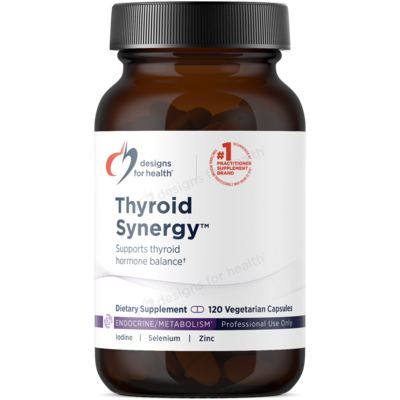

 4 more items in Thyroid Foundations (Daily Nutrient & Lifestyle Support)
Looking to support healthy thyroid function? This foundational plan pairs key thyroid nutrients with simple daily habits to support energy, metabolism, and overall wellness. It’s a general starting point; for a plan tailored to your labs and symptoms, book a free Discovery Call. Nutrition & Lifestyle Guidance for Thyroid Health Protein at Every Meal: Include 20–30 g of protein at each meal (eggs, fish, poultry, legumes, Greek yogurt) to support steady energy and the building blocks of thyroid hormone. Thyroid-Supportive Foods: Include selenium-rich foods (seafood, eggs, sunflower seeds, or 1–2 Brazil nuts a few times per week, not daily), zinc-rich foods (pumpkin seeds, beef, chickpeas), and colorful vegetables daily. Cruciferous Vegetables: Broccoli, kale, and cabbage are beneficial in normal amounts. Lightly cooking them is a good choice if you eat them in large quantities. Blood Sugar Balance: Pair carbohydrates with protein, fiber, and healthy fats, and limit ultra-processed foods, refined sugars, and alcohol. Sleep & Stress: Aim for 7–9 hours of sleep and build in a daily stress-reducing practice (walking, breathwork, prayer, or meditation), since chronic stress affects thyroid function. Important Safety & Usage Notes: Thyroid Medication Timing: If you take thyroid medication, take it on an empty stomach with water, 30–60 minutes before food or coffee. Take magnesium, calcium, and iron at least 4 hours apart from your medication. Biotin & Lab Testing: Biotin (often in hair, skin & nail formulas and multivitamins) can falsely change thyroid lab results. Stop biotin at least 3 days before any blood draw. Avoid Extra Iodine Unless Directed: Do not add kelp, iodine drops, or high-iodine supplements unless your provider recommends them. Excess iodine can worsen some thyroid conditions. Hyperthyroidism / Graves’ Disease: This protocol is designed for general thyroid support. If you have an overactive thyroid, please consult with me before starting. Hashimoto’s: If you have Hashimoto’s, ask your provider about celiac disease screening, which is more common with autoimmune thyroid conditions. Pregnancy, Breastfeeding & Medications: Consult your healthcare provider before starting if you are pregnant, breastfeeding, under 18, or take blood thinners or other prescription medications. This protocol does not replace your thyroid medication or medical care.
Blood Sugar Balance (Daily Metabolic Support)

 2 more items in Blood Sugar Balance (Daily Metabolic Support)
Struggling with energy crashes, cravings, or rising blood sugar? This foundational plan pairs well-researched nutrients with simple daily habits to support steady energy and healthy blood sugar levels. It’s a general starting point; for a plan tailored to your labs and goals, book a free Discovery Call. Nutrition & Lifestyle Guidance for Blood Sugar Balance Build a Balanced Plate: Fill half your plate with non-starchy vegetables, one quarter with protein, and one quarter with fiber-rich carbohydrates (beans, lentils, whole grains, or starchy vegetables), plus a source of healthy fat. Eat in Order: When possible, eat vegetables and protein first and carbohydrates last. This simple sequence can help soften blood sugar spikes after meals. Move After Meals: A 10–15 minute walk after meals helps your muscles use glucose. Add strength training 2–3 times per week to improve insulin sensitivity. Protein at Breakfast: Start the day with 20–30 g of protein to support steadier energy and fewer cravings later. Limit Liquid Sugar: Swap sodas, sweet teas, juices, and specialty coffees for water, sparkling water, or unsweetened tea. Sleep & Stress: Aim for 7–9 hours of sleep. Even one night of poor sleep can temporarily raise blood sugar and cravings. Important Safety & Usage Notes: Diabetes Medications: If you take insulin, sulfonylureas (such as glipizide or glyburide), or other glucose-lowering medications, talk with your provider before starting. Lifestyle changes and supplements can lower blood sugar and increase your risk of low blood sugar. Monitor your glucose closely. Signs to Get Tested: Excessive thirst, frequent urination, blurred vision, or unexplained weight loss can signal high blood sugar. Please see your healthcare provider for testing. Fiber & Medications: Take psyllium at least 2 hours apart from medications, and drink a full glass of water with each dose. Kidney Disease: Do not take magnesium supplements if you have kidney disease unless your provider approves it. Pregnancy, Breastfeeding & Medications: Consult your healthcare provider before starting if you are pregnant, breastfeeding, under 18, or take prescription medications. This protocol does not replace your diabetes medication or medical care.
Gut Foundations (Daily Digestive & Microbiome Support)

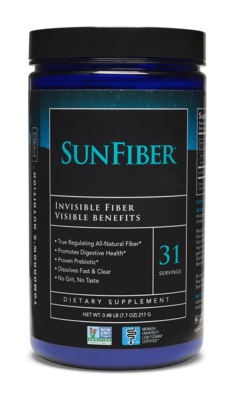
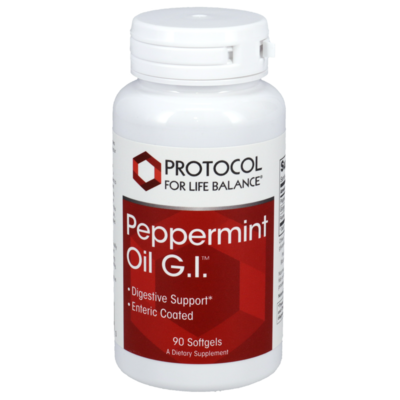 5 more items in Gut Foundations (Daily Digestive & Microbiome Support)
Dealing with bloating, irregularity, or digestive discomfort? This foundational plan pairs gut-supportive nutrients with simple daily habits to nourish your microbiome and support comfortable, regular digestion. It’s a general starting point; for a plan tailored to your symptoms, book a free Discovery Call. Nutrition & Lifestyle Guidance for Gut Health Plant Diversity: Aim for 30 different plant foods per week (vegetables, fruits, legumes, whole grains, nuts, seeds, herbs, and spices). Variety feeds a diverse, resilient microbiome. Fiber, Gradually: Work toward 25–35 g of fiber daily. Increase slowly over 2–3 weeks and drink plenty of water to minimize gas and bloating. Fermented Foods: Include 1–2 servings daily of foods like plain yogurt, kefir, sauerkraut, kimchi, or miso. Mindful Eating: Eat seated and without rushing, chew thoroughly, and allow 3–4 hours between meals to support natural digestive rhythms. Limit Gut Irritants: Reduce ultra-processed foods, artificial sweeteners, excess alcohol, and fried foods. Movement, Sleep & Stress: Daily walking, 7–9 hours of sleep, and stress-reducing practices all support the gut-brain connection and regularity. Important Safety & Usage Notes: See Your Provider First If You Have: Blood in your stool, black or tarry stools, unintended weight loss, persistent vomiting, difficulty swallowing, severe or worsening abdominal pain, symptoms that wake you at night, or a new change in bowel habits after age 45. These need medical evaluation. Probiotics: Do not use if you are immunocompromised, critically ill, or have a central line unless your provider approves it. If you are taking antibiotics, take your probiotic at least 2 hours apart. Fiber & Medications: Take fiber supplements at least 2 hours apart from medications, since fiber can reduce absorption. Peppermint Oil: May worsen heartburn or reflux. Skip it if you have GERD. Pregnancy, Breastfeeding & Medications: Consult your healthcare provider before starting if you are pregnant, breastfeeding, under 18, or take prescription medications. This protocol does not replace medical care for diagnosed digestive conditions.
Acute Cold & Flu Support (Early Onset / Symptom Rescue)


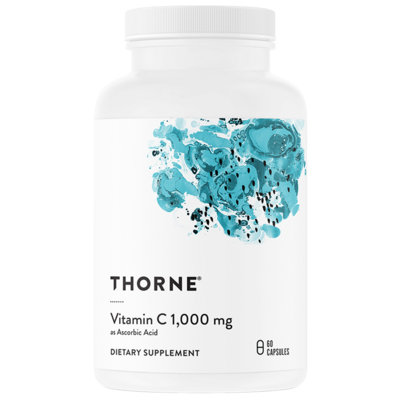 7 more items in Acute Cold & Flu Support (Early Onset / Symptom Rescue)
Feeling a cold coming on? This short-term plan pairs targeted supplements with simple daily habits (warm fluids, rest, and nourishing foods) to support your body's recovery. Start at the first sign of symptoms. Clinical Lifestyle & Nutrition Guidance for Acute Illness Mucosal Hydration & Soothing Fluids: Maintain at least 64–80 oz of warm fluids daily (mineral broths, warm filtered water with lemon, and chamomile or slippery elm throat teas). Warm fluids hydrate mucosal membranes, thin respiratory mucus, and prevent dehydration during fever. Warm Saline Gargle: Gargle with 1/2 tsp sea salt dissolved in 8 oz of warm water for 20–30 seconds, 2–3 times daily, to mechanically dislodge pathogens and ease localized pharyngeal inflammation. Airway Humidification & Inhalation: Maintain indoor humidity around 40–50% using a cool-mist humidifier. Supplement with facial steam inhalation infused with 1–2 drops of antimicrobial essential oils (such as eucalyptus, thyme, or tea tree) to open airways. Temporary Dietary Rest: Emphasize easily digestible, light meals (bone broth, puréed vegetable soups, cooked greens) while minimizing heavy animal fats, dairy, alcohol, caffeine, and refined sugars to direct metabolic energy toward immune defense. Radical Rest & Sleep Hygiene: Minimize physical exertion and maximize horizontal rest; sleep supports cellular immune defense, cytokine orchestration, and tissue repair during active infection. Important Safety & Usage Notes: Short-Term Use: This protocol is designed for short-term support (7–14 days) during the acute onset of cold or flu symptoms. Autoimmune Conditions: Botanicals like andrographis, echinacea, and elderberry stimulate immune cell pathways and cytokines. If you have an active autoimmune condition (e.g., lupus, rheumatoid arthritis, multiple sclerosis), please consult with me before taking these products. Medications: If you take prescription blood thinners (e.g., warfarin), blood pressure medications, immunosuppressants, or undergo chemotherapy, contact me or speak to your doctor before starting this plan, as herbs like andrographis, goldenseal, and echinacea can interact with these drugs. Pregnancy & Lactation: Safety during pregnancy and lactation has not been established; discuss with your healthcare provider prior to use. I’m glad we could connect and put this plan together for you. The recommended products are listed below, and we’ve carefully vetted them for safety, quality, and potency, so you can feel confident in what you’re taking. Please review your plan, and once you’re ready, click Continue to begin checkout. Your recommended products are already pre-selected for you. Orders over $50 USD ship free and arrive quickly right to your door. If you have any questions, I’m always here to help. Notice: Information provided by Desiree Goode-Green, MS, CNS, LDN, is intended solely for general nutritional education and health promotion, not for the diagnosis, cure, mitigation, treatment, or prevention of any disease. Consult your physician regarding any medical conditions or potential interactions with prescription medications before beginning any new supplement regimen.
Shop the entire wellness catalog, held to a higher standard
Shop practitioner-grade products, each meeting the same bar for quality through Fullscript's standards.
Powered byVerified
Sourced straight from the brand — no resellers or fakes
Enhanced testing
Select products are tested in-house — get exactly what the label promises
Stored and shipped
From certified facilities, to protect product integrity