Public protocols
Dr. Ilana Goldberg's Dispensary's general recommendations, available to anyone who visits this store.
The Two Gut Health Supplements I would Recommend to (Almost) Anyone
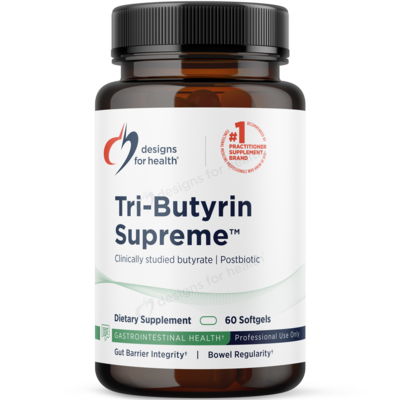
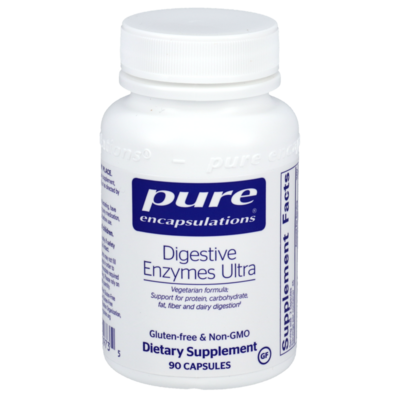
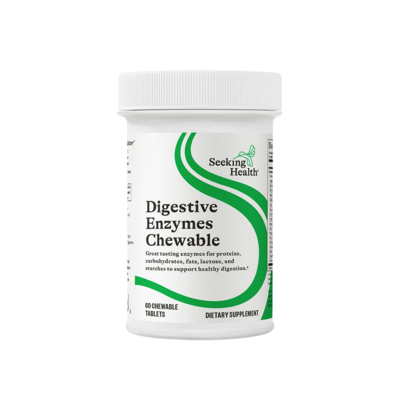
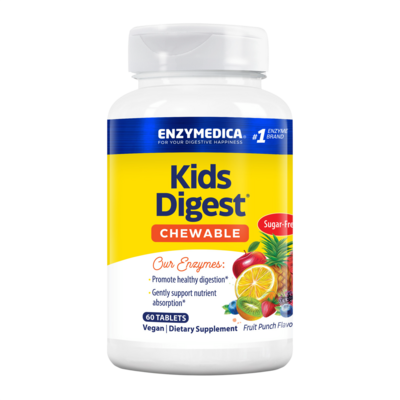
The Two Gut Health Supplements I would Recommend to (Almost) Anyone By Dr. Ilana Goldberg More and more, the research is teaching us that gut health is really the foundation of ALL health. It doesn’t just affect digestion, but has a profound impact on hormones, immunity, inflammation, metabolism, mood, and energy. To make it even more complicated, each individual’s microbiome is completely unique! Your gut microbiome (the bacteria, fungi, viruses, and other microbes that live in your digestive tract) is as personalized to you as your fingerprint. Factors including gut motility, stomach acidity, gallbladder function, digestive enzyme production, food sensitivities, and immune health are also highly variable from person to person. When I’m working with a patient on their gut health, I tailor my recommendations to their specific situation. Not everyone should be on probiotics. Not everyone should be increasing their fiber. Not everyone is a good candidate for glutamine, betaine HCL, or antimicrobials. So the list of gut health supplements I would recommend to anyone is short, and at this point only contains two types of supplements: BUTYRATE and DIGESTIVE ENZYMES . Here’s why: Butyrate: Fuel for Your Gut Lining Butyrate is a POSTBIOTIC - a natural compound made in your gut when specific types of beneficial bacteria get a hold of fermentable fiber. It’s also the primary energy source for the cells lining your colon. Many people simply aren’t making enough butyrate because they lack the right type of probiotic bacteria, they aren’t getting enough fiber, their good bacteria never recovered after antibiotics, or their gut has been affected by chronic stress. Low butyrate levels in the gut are linked to a variety of gut issues and inflammation. Symptoms may include bloating, irregular bowel movements (constipation or diarrhea), abdominal discomfort, and pain or cramping. Low butyrate is also associated with Leaky Gut (impaired gut barrier function) and may contribute to conditions like irritable bowel syndrome or inflammatory bowel disease. Why increasing BUTYRATE helps: Gut lining support - Butyrate helps reverse leaky gut and maintain the integrity of the intestinal barrier. This helps prevent undigested food particles and toxins from leaking into the bloodstream. Calms inflammation - It has a regulating effect on immune cells in the gut, which is part of why people with bloating, irregular digestion, or systemic inflammation including autoimmune symptoms respond well to it. Much of the anti-inflammatory research on butyrate have studied its effects as an add-on treatment for serious inflammatory bowel disease including ulcerative colitis, with significant improvement. Beyond the Gut - emerging research is looking at BUTYRATE’s positive impact on weight loss, blood sugar, metabolism, and brain function. You may be able to increase butyrate by eating plenty of fiber-rich foods (leeks, asparagus, inulin, psyllium, green bananas) that feed the bacteria who produce it. Unfortunately, most of the probiotic bacteria that produce butyrate (like Faecalibacterium prausnitzii) are strict anaerobes which means they can’t be exposed to oxygen at all. This makes it almost impossible to put them in a probiotic supplement. If you just don’t have enough of these bacteria, it can be difficult to re-introduce them to your gut. Taking a high-quality butyrate supplement like tributyrin gets this magical healing compound directly to the cells in your gut lining that need it, even if you don’t have the right make up of beneficial bacteria. The Best Form Of Butyrate Supplement Not all butyrate supplements are equal. And, as so often is true, you get what you pay for. The standard and less expensive form, sodium butyrate, is absorbed in the small intestine and never reaches the colon (where we actually need it). It also smells and tastes terrible. Butyrate is named after butter (BUTYRUM in Latin) because it’s the chemical responsible for the smell that butter gives off when it’s rancid. It’s bad enough that many people will stop taking the supplement just because of the smell. Instead, I recommend a form of butyrate called tributyrin . Tributyrin - This is three butyrate molecules attached to a glycerol backbone. It breaks down more slowly so it doesn’t deliver butyrate until further down in the G.I. tract…where it promotes gut healing and reduces inflammation. It doesn’t smell or taste bad and a small single capsule a day starts to provide significant gut support. Digestive Enzymes: Fight The Bloat and Actually Absorb What You Eat One of the main digestive symptoms I hear patients talk about is bloating. When I refer to “bloating“ I am talking about increased gas in the digestive tract. This usually shows up as flatulence, burping, pressure, or distention (your stomach actually sticks out). Water retention bloating is often a different mechanism so we will tackle that in a separate article :-) Bloating could result from a variety of different factors: Common causes of chronic bloating: IBS – one of the most common causes SIBO (small intestinal bacterial overgrowth) - bacteria fermenting food too early in the gut Food intolerances: lactose, fructose, or FODMAPs Celiac disease or gluten sensitivity Constipation, slow gut motility Dysbiosis: imbalanced gut bacteria including too much good bacteria IBD (Crohn's, ulcerative colitis) Hormonal changes - especially around the menstrual cycle when progesterone and estrogen are fluctuating significantly Stress/gut-brain axis - affects gut motility (can increase or decrease transit time) and gut sensitivity Medications/supplements - opioids, iron, antidepressants Swallowing air - eating fast, gum, carbonated drinks All of these different possibilities mean that identifying and treating the underlying causes of bloating can be a process. But a supplement I would recommend trying at the start is a full spectrum digestive enzyme. Digestive enzymes are safe, well tolerated, and when they work, they work quickly. Chewable versions are often recommended for kids. A broad-spectrum enzyme blend taken with meals can ease the digestive load, reduce post-meal bloating, and cimprove nutrient absorption. If you are following a healthy diet and taking high-quality supplements, we want to optimize the nutrient absorption in your gut. Increasing stomach acidity or bile acids will be helpful for some people, but could cause digestive symptoms if you don’t need those interventions. Digestive enzymes usually won’t cause or worsen digestive symptoms. If they don’t make a difference, they may not be fixing the right problem, but you shouldn’t be worse off for trying. Digestive enzymes (including proteases, lipases, amylase) are compounds your pancreas and gut naturally produce to digest protein, fat, and carbohydrates. Production can decline with age, stress, low stomach acid, or underlying gut conditions. Signs I look for that suggest someone may benefit from digestive enzyme supplementation: Bloating or heaviness after meals, especially those that contain protein, fat, or fibrous vegetables Undigested food visible in stool Sluggish or slow digestion despite a clean diet Chronic nutritional deficiencies Things to know: These two are starting points, not a cure-all. They work best alongside the deeper root-cause work we do together to figure out WHY your gut is struggling in the first place. Quality matters. Not all supplements are created equal, and dosing depends on your specific situation. If you are pregnant, dealing with severe digestive issues, or have a liver or kidney issue, check with me first. You may still be able to use one or both of these, but it’s best to to make sure there are no contraindications. If you've been dealing with gut symptoms like bloating, irregularity, fatigue, or that general "something's off" feeling, improving gut health is often where I will start. Want to give one of these a try? You can order my favorite versions of these supplements below! NOTE! I have included three different types of digestive enzymes (capsules, chewable, and designed for kids). Just pick one to start. Questions about whether these are right for you? Reach out or bring it up at your next visit. Schedule your consultation (or free discovery call) here: http://truehealthwellness.fullslate.com/ In Health Dr. G
NAD+ Supplements
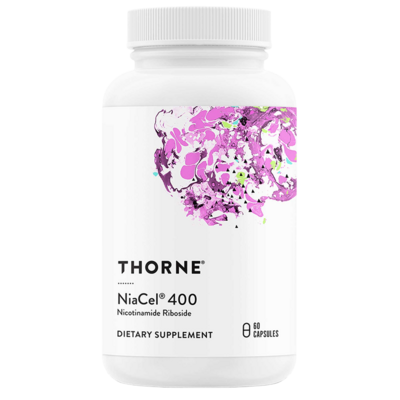
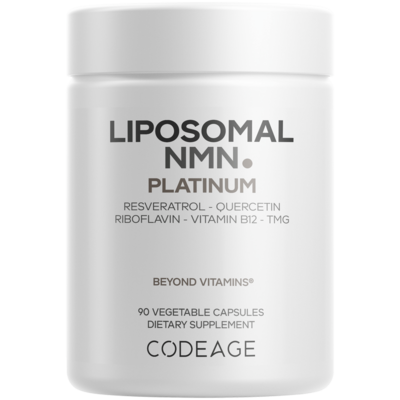
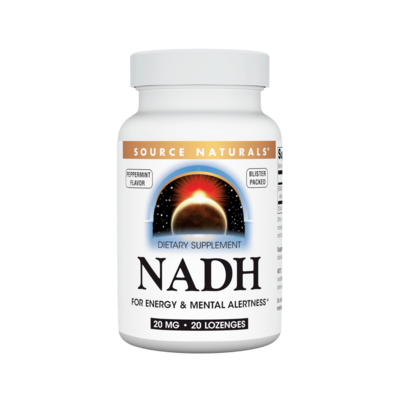
NAD+ Supplements: The Fountain of Youth? NAD+ (nicotinamide adenine dinucleotide) is a molecule found in every cell of your body . It helps turn food into energy, supports DNA repair, improves muscle function, and helps regulate inflammation. Healthy NAD+ status also helps your gut make GLP-1 naturally. NAD+ levels naturally decline with age, dropping roughly 50% between your 20s and 50s. They also fall with obesity, poor sleep, alcohol use, and metabolic dysfunction. Lower NAD+ is associated with fatigue, slower metabolism, and accelerated aging at the cellular level. So it’s no wonder that increasing NAD+ has become a focus of anti-aging clinics and longevity researchers. It’s basically an anti-wrinkle cream for your cells. Cellular aging is the primary risk factor for a host of chronic disorders, including cardiovascular conditions, metabolic diseases (diabetes, hypothyroidism, high cholesterol, hypertension), chronic kidney disease, Alzheimer’s disease, and other dementias, which represent the leading causes of death in developed countries. Much like old bodies, “old” cells are stiffer, more rigid, and less mobile. They don’t divide or reproduce as often or as well. They become larger, rounder, and less efficient at removing waste and repairing DNA damage. Maybe most importantly, “old” mitochondria struggle to produce the same amount of energy as “young” mitochondria. NAD+ decline is a major driver of cellular aging. Low NAD+ impairs DNA repair, sirtuin (metabolic enzyme) activity, and mitochondrial function. Restoring optimal level levels can improve energy, metabolism, physical activity, insulin sensitivity, and reduce inflammation. What is the connection between NAD+ and GLP-1? One area where NAD+ optimization has gained a lot of traction is addressing fatigue related to GLP-1 use. The vast majority of GLP-1 side effects are digestive. But significant fatigue and brain fog are reported by many people taking these medications. This is partially related to nutritional deficiencies. Reduced appetite and caloric intake can impact vitamin and mineral levels. (Vitamin B3 is the direct precursor of NAD+). Additionally, rapid weight loss and caloric restriction place enormous metabolic demand on cells. Mitochondria are working harder to manage energy, burn more fat, and adjust insulin sensitivity. Ensuring robust NAD+ levels can help support all of these activities. For many people, GLP-1 weight loss is about 50% lean muscle. Losing muscle mass reduces the number and efficiency of mitochondria, making additional support essential. This is precisely why many GLP-1 prescribers now also recommend NAD+. But anyone noticing decreased muscle mass with aging could consider increasing NAD+. The truth is anyone with lower NAD+ may benefit from increasing levels. So how do you know if you have low NAD+ levels? You can actually test for it. However, this is not available through Labcorp or Quest. There are specialty labs that will do a fingerstick test for NAD+, but it costs around $100. (Let me know if you want to do this test and I can order it for you). Another way is just to look in the mirror. Over 45? Your NAD+ could probably use some support. Dealing with obesity, insulin resistance, high blood pressure, or inflammation? These all lower NAD+. Cognitive issues like memory loss or neurodegeneration (dementia, Parkinson’s, MS, ataxia, etc.)? Regular alcohol use, chronic stress, sleep deprivation? You would very likely benefit from optimizing NAD+. SARS-CoV-2 infection appears to deplete NAD+ significantly. NAD+ restoration is also now being studied as a potential treatment for Long COVID. OK, I want to increase my NAD+ levels! How do I do it? Unfortunately, just taking an NAD+ or NADH pill doesn’t work very well. It is largely degraded in the gut and is too big a molecule to pass directly into the cell. Instead , you can increase NAD+ levels through precursor supplements like NMN (nicotinamide mononucleotide) or NR (nicotinamide riboside), which the body converts into NAD+. Exercise and fasting also raise NAD+ naturally by shifting the cellular energy balance in ways that signal the body to produce more. Many GLP-1 clinics now sell NAD+ injections or infusions. The benefit of these is that they enter the bloodstream directly and don’t have to go through the digestive system. However, NAD+ can’t easily cross cell membranes. So the body has to break it down into smaller pieces, absorb it into the cell, and reassemble it from nicotinamide —> NMN —> NAD+. Whether NAD+ injections are actually better than taking oral precursor supplements like NMN or NR (which the body converts to NAD+) is up for debate. And NMN and NR supplements have a great deal more research behind them showing that they do increase NAD+ levels in blood and muscle. NMN or NR supplements are also much less expensive, and don’t require a needle stick or injection. Who should not increase NAD+? Study after study shows that NAD+ supplements are generally safe and well tolerated. However, there are some people who should exercise caution. NAD+ improves cell survival and DNA repair. It can also do this in cancer cells. If you have active cancer or are currently on chemotherapy , this may not be a good supplement for you. Also, producing NAD+ requires well functioning methylation pathways. If you have an MTHFR variant, you may need additional methyl donors (active B vitamins, TMG, etc.) Active liver disease or flaring autoimmune condition? Reach out to me and let’s discuss whether this is a good supplement for you. The Takeaway? If you are dealing with fatigue related to GLP-1 medication, you should definitely consider optimizing NAD+ levels. Even if you are not taking a GLP-1 but are experiencing fatigue, cognitive dysfunction, insulin resistance, weight gain, hypertension, autoimmune disease, decreased exercise recovery, or are over the age of 45, you may also want to support NAD+ levels. You can certainly do this through NAD+ injections or infusions. But oral supplements that contain NR (at least 800 mg) or NMN (at least 500 mg) may work just as well for a fraction of the cost. Below are some supplement options to increase NAD+. I recommend picking one and using it consistently for at least 4–6 weeks to see if you notice a change in energy, exercise , or brain function. In Health Dr. G
CREATINE powders
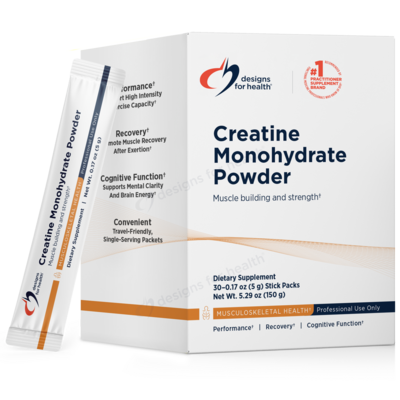
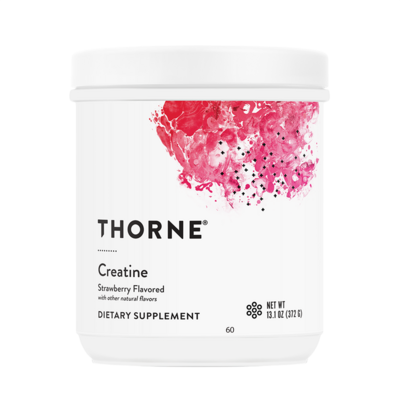 2 more items in CREATINE powders
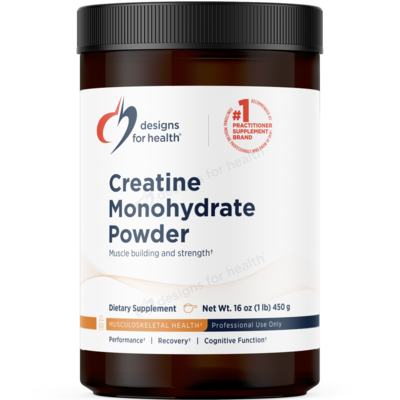
Is TikTok telling you to buy creatine? Here’s why… I can always tell when a supplement is having a moment on TikTok because my inbox will fill up with questions from patients. Unfortunately, most of the time the supplement I am being asked to critique is weirdly overpriced or at a much lower dosage than the therapeutic threshold. One exception to this is creatine. Here’s my take: Creatine is actually pretty great! And it is really well studied. Creatine is a natural molecule made from three different amino acids (protein building blocks). Many of creatine’s benefits affect muscles . Creatine supplementation (with regular resistance exercise) improves muscle strength, explosive output, and it significantly helps muscle recovery after intense exercise. It also helps improve energy , because it acts as a phosphate donor to regenerate ATP. The other organ that really benefits from creatine is the brain . It helps with memory and reduces mental fatigue. So creatine makes you ripped and smart? That’s actually what the research says. But, can we just get it from food? The body actually makes some of its own creatine, but only about 1 g/day. If you are following a carnivorous diet, you may be getting 1-2 g/day on average (less if you are following a plant-based diet). Still nowhere near the 5 g/day recommendation to optimize muscle performance, brain function, and cardiovascular health. Is creatine primarily for gym “bros”? 26 year-old dudes doing plyometric exercises at the gym will definitely benefit from creatine. But you know the other group research says creatine can be very beneficial for? Women! Women in their reproductive years, perimenopausal women, and post menopausal women all benefit from creatine supplementation! Women tend to get less creatine from their diet and we produce less as we age. Also, 95% of it is stored in muscles. If you have less muscle, you store less creatine. Do I need a specific type of creatine? Yes. Creatine monohydrate. To get the recommended 5 mg, it usually makes sense to take it as a powder. You can get it as a capsule, but you’d have to take five or six capsules. Look for “ micronized ” creatine powder which dissolves easily in water and has better absorption. I do have one patient who found creatine Gummies with the 5 mg dosage so you can look for those. Will it help me lose weight? Ok, this is where I may lose some of you. No, it will probably not make you lose weight. In fact, you may gain a few pounds but it is usually from muscle cell hydration. However, as you gain muscle your metabolism will increase and your body composition will improve. Can I take it if I am on a GLP-1 like Ozempic? Yes! In fact, this is a great muscle preservation strategy while on these medications. The rapid weight loss people experience is often half fat and half muscle. Creatine can help make sure you retain your muscle. Should I take it every day? Yes, that seems to be how it works best. Can I take it before my workouts? After my workouts? First thing in the morning? At bedtime? Yes. The benefits of creatine show up no matter when you take it, so experiment to see what works best for you. If you are using it specifically for muscle recovery after workouts, I would take it before your workout. Who should not take creatine? If you have significant kidney disease or liver issues, or are pregnant, talk to your doctor first. It may be that creatine is still a good supplement for you at a modified dosage. Summary: Creatine is one of the most cost-effective, evidence-based supplements you can find. You don’t need a complex protocol — a simple daily scoop of creatine monohydrate works fine. Look for a brand that is NSF certified, or from a reputable nutraceutical company. See my list of favorite creatine products below. Email me any questions at dr.g@holistichealthprovider.com In health Dr. G
Dr. G’s Optimal Health Starter Pack!
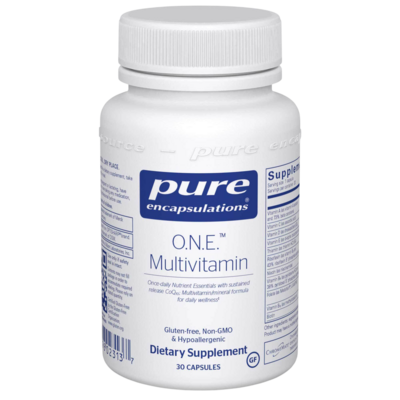
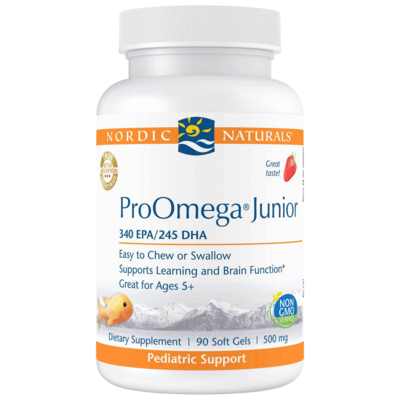
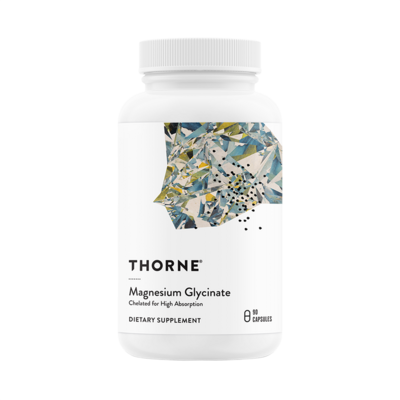
Dr. G’s Optimal Health Starter pack I first became interested in functional medicine because I love the process of working with individual patients to discover the root cause of their specific health concerns. I still do. However, in the past few weeks I have had several patients reach out to say they want to work with a functional medicine provider but just don’t have the time, finances, or bandwidth to do it right now. So I started thinking about first steps anyone could take to improve their health, even before doing extensive diagnostic testing. Ensuring adequate nutrient levels is foundational in almost all of my treatment plans. Doing so makes it much easier to treat a wide range of health conditions. I came up with a list of nutritional deficiencies that I see over and over again in my patients. Even if people aren’t actually out of range, they are almost always at suboptimal levels for vitamin D, B vitamins, zinc, magnesium, and omega-3 fats . Not having enough of these vital nutrients can contribute to fatigue, brain fog, mood issues, immune dysfunction, restless sleep, hormone imbalance, inflammation, and increased cardiovascular risk. To address these common deficiencies, there are three types of supplements that I consistently recommend: a high-quality multivitamin, an omega-3 supplement, and magnesium. I’ve chosen versions of these supplements from companies with high quality assurance protocols, that are well tolerated, and require a minimal number of capsules. I’ve bundled them together in a convenient “starter pack“ on Full Script. If you are new to nutritional supplements, start with one at a time and take it with food. If you have a serious health condition and need to check about interactions with medicines or other supplements, feel free to email me at dr.g@holistichealthprovider.com. Note: if we have worked together in the past and I have recommended different versions of similar supplements, stick with what I originally recommended. Those were based on your diagnosis and test results and may contain specific nutrients or dosages. Even if you are not in a place to work with a functional medicine provider, you can start taking constructive steps towards improving your energy, sleep, brain function, and mood by addressing nutritional deficiencies. Start feeling better today! In health Dr. G
MULTIVITAMINS!
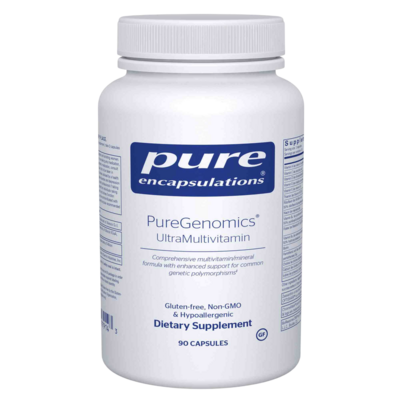
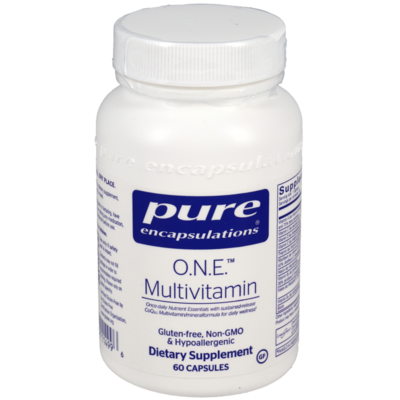
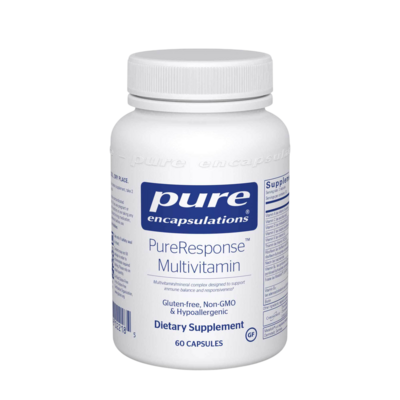 13 more items in MULTIVITAMINS!
MULTIVITAMIN s Here is a list of my favorite multivitamins! A good multivitamin should provide a clinically useful amount of vitamin D, bioavailable forms of B vitamins, trace minerals, and antioxidants. These range from 1/day to 4/day capsules, liquids, powders, chewable tablets, and gummy vitamins. Some are high potency for people that need increased levels of nutrients and others are for people who have sensitive stomachs or can’t tolerate higher levels of vitamins. Several children’s vitamins are also included. Want to make sure you are taking the perfect multivitamin to meet your specific nutritional needs? Schedule an appointment with Dr. Goldberg to discuss nutrient and health status testing: Try our online scheduling system: http://truehealthwellness.fullslate.com/
PREBIOTIC SUPPLEMENTS
 8 more items in PREBIOTIC SUPPLEMENTS
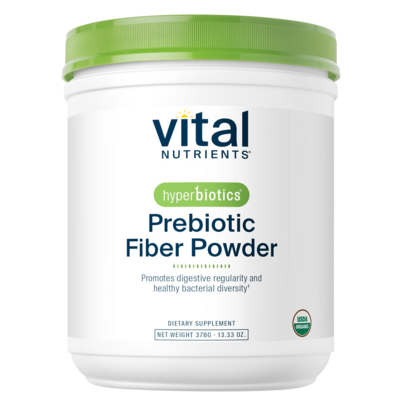
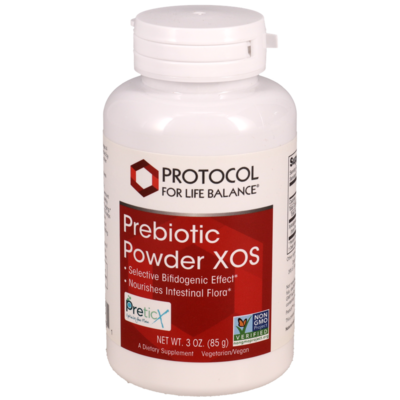
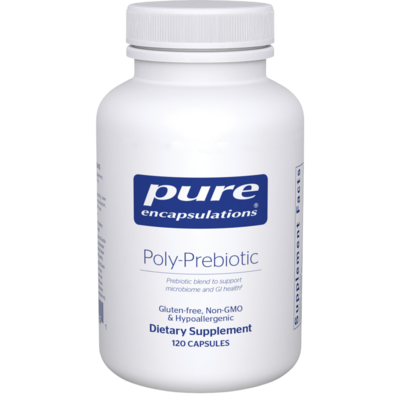
Are Prebiotics the Missing Piece of Your Gut Health Regimen? If you have learned anything about gut health, you have probably heard about the importance of PROBIOTICS. Probiotics are the beneficial bacteria and yeast that are vital parts of a working microbiome. However, you may be less familiar with PREBIOTICS. Prebiotics are a specialized form of dietary fiber that act as a fuel source for the beneficial bacteria living in the human gut. Unlike other nutrients, prebiotics are not broken down in the digestive tract. Instead, they reach the large intestine relatively unchanged, where beneficial bacteria use them as food. When bacteria ferment these prebiotic fibers, they produce “POSTBIOTICS“ like SCFAs (short chain fatty acids). Oh my gosh you guys, can I just stop for a minute to rave about short chain fatty acids? I know, they need a better name. Instead of SCFAs, they should be called GHWMs - Gut Healing Wonder Molecules! SCFAs like butyrate, acetate, and proprionate work their magic in a number of different ways: SCFAs are a primary fuel source for the cells of the gut lining. This helps maintain a normal intestinal barrier and can reverse leaky gut. They can also slow cancer growth and trigger cancer cell death (autophagy) They support normal immune function - SCFAs can recruit white blood cells and send them where they are needed (areas of injury or inflammation). But maybe even more impressive is that they can down-regulate overactive immune function (as in autoimmune conditions or allergies). Many SCFAs reduce inflammation - by interrupting inflammatory pathways, SCFAs can decrease inflammation in the gut which is really important for inflammatory bowel disease, celiac, diverticulitis, and IBS. But it turns out they can also decrease inflammation throughout the body (in the nervous system, the respiratory system, etc.) They enhance nutrient absorption - SCFAs change the pH of the gut environment, which can support better absorption of calcium, iron, and magnesium SCFAs promote regular, normal bowel movements - if you don’t realize how important this is, you are probably one of the few humans with naturally fantastic bowel movements. Lucky you. For everyone else, optimizing the bulk and ease of your BMs can promote detoxification, hormone balance, energy, mood, sleep, and reducing the “food baby“ stomach (abdominal distention). SCFAs can help you lose weight! And lower cholesterol! - I probably should have led with this. The science is fairly new, but emerging research suggests that the metabolism of prebiotics by gut bacteria plays a role in weight management. By influencing the production of satiety hormones such as leptin and ghrelin, prebiotics can decrease appetite and modulate insulin sensitivity. SCFAs also lower cholesterol, which may be one of the main reasons increasing fiber reduces heart disease. Ok, ok, we get it! Short chain fatty acids are gut healing wonder molecules and we should do whatever we can to optimize SCFA production. What next? Increase dietary prebiotic fibers and resistant starches - Great prebiotic food sources include garlic, onion, Jerusalem artichokes, leeks, asparagus, chicory, chickpeas, legumes, green bananas, oat bran, flax seeds, apples, and inulin. These are compounds probiotic bacteria ferment in the gut. However, pathogenic bacteria will also ferment these. If you notice you experience increased bloating, pain, gas, or burping after eating these foods, you may have a bacterial overgrowth infection like SIBO that needs to be addressed first. If you are following a low FODMAP diet for your gut issues, you may not be able to tolerate these. Consider prebiotic fibers supplements - there are now a wide variety of prebiotic supplements available including inulin, acacia fiber, psyllium husk powder, baobab fiber, apple fiber, green banana starch, xylooligosaccharides (XOS) like PreticX™, Galacto-oligosaccharides, kiwifruit powder, guar gum, Jerusalem artichoke fiber, cellulose, flax seed fiber, and glucomannan (from konjak root). Different bacteria ferment different fibers to produce a variety of SCFAs, so don’t be afraid to mix them up! Best prebiotic supplement to prevent bloating - Can’t take fiber supplements without experiencing gas, bloating, pressure, or burping? You may have SIBO small intestinal bacterial overgrowth (or fungal overgrowth). This will be a whole separate article. Still want the benefits of a prebiotic but can’t tolerate fiber? Consider citrus bioflavonoids and pomegranate non-fiber prebiotics. These can provide essential nutrients to the gut lining without producing bloating as a side effect, helping to reestablish a healthy mucosal barrier and to restore the gut terrain. Consider a “postbiotic” SCFA supplement like Butyrate - if you have the right blend of prebiotic fibers and probiotic bacteria, you can achieve the optimal production of short chain fatty acids like butyrate. However, to maximize gut healing you may want to consider taking butyrate as a supplement. Unfortunately, several butyrate supplements break down before they get to the colon (where you really need it). A patented form called TRIBUTYRIN bypasses the stomach acid and releases in the small and large intestines so you can experience all of the benefits of butyrate (digestive health, immune health, skin health, brain health, weight management, regularity, etc.) Increase beneficial bacteria by eating fermented foods (yogurt, kefir, sauerkraut, kimchi, kombucha, etc.) or taking a probiotic supplement - strains of probiotic bacteria clinically associated with increased short chain fatty acids include Lactobacillus rhamnosus, Bifidobacterium bifidum, Bifidobacterium longum, Lactobacillus plantarum, Faecalibacterium prausnitzii, Roseburia, Clostridium, Akkermansia, etc. Some of these are easily found in probiotic supplements while others can be more challenging to locate. Take an omega-3 supplement - omega-3 supplements are one of the few supplements I recommend to almost every one of my patients. They have powerful anti-inflammatory effects which support brain health, mood, and cardiovascular health. In addition, omega-3s can selectively alter the make up of the microbiome, resulting in improved SCFA ratios and positively impacting the gut brain connection. The Takeaway: PREBIOTICs + PROBIOTICs = POSTBIOTICs Fiber + good bacteria = short chain fatty acids Short-chain fatty acids (SCFAs) such as acetate, propionate, and butyrate play a crucial role in gut health, influencing everything from inflammation reduction to enhancing nutrient absorption and providing energy to colon cells. Embracing ways to boost these beneficial compounds can significantly impact your gut health and your overall well-being.
Blood Pressure Support
 4 more items in Blood Pressure Support
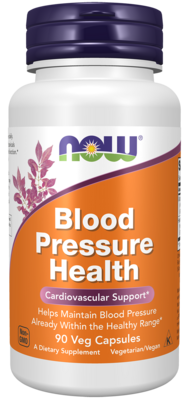
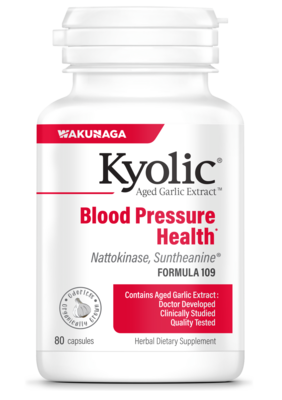
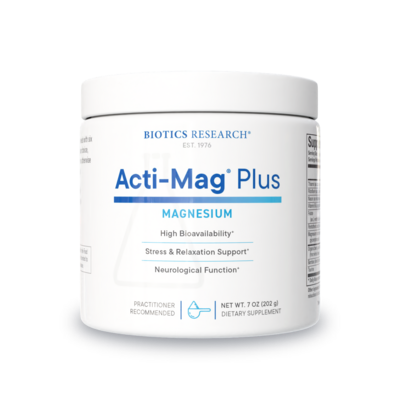
Natural Approaches to Lower Blood Pressure High blood pressure is sometimes called a “silent killer,” because it usually has no warning signs, yet it can lead to life-threatening conditions like heart attack or stroke. The high force of blood flow can damage your blood vessels, making them weak, stiff, or narrower. Over time, hypertension can harm several important organs, including your heart, kidneys, brain, and eyes. Getting systolic blood pressure under 120 reduces the risk of heart attack or stroke by 25% and lowers the risk of death from all causes by 27%! Since optimizing blood pressure is so important, it often requires a combination approach. Limit salt, sugar, processed carbohydrates, and saturated fats. Increase fiber (ideally 30 g/day), healthy plant-based fats, and vegetable intake. Increasing physical activity and losing weight will also help substantially. Studies show that supplements like grape seed extract, aged garlic, magnesium, potassium, omega-3 fatty acids, vitamin D, and nitric oxide precursors (like arginine) can also lower blood pressure. Different supplements work better for different individuals, so feel free to try different things and monitor how they affect your blood pressure. Blood pressure changes throughout the day depending on stress level, diet, activity level, salt intake, fluid intake, etc. Take blood pressure frequently throughout the week so you have a clear sense if it is trending up or down. Let me know if you have any questions. Dr. G
ELECTROLYTE POWDERS
 3 more items in ELECTROLYTE POWDERS
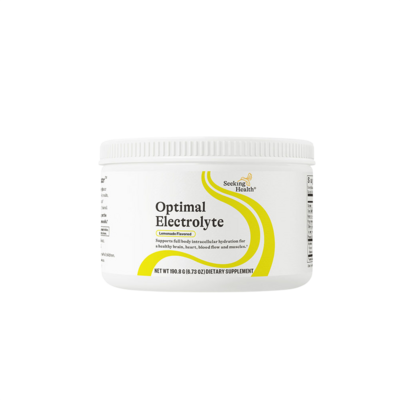
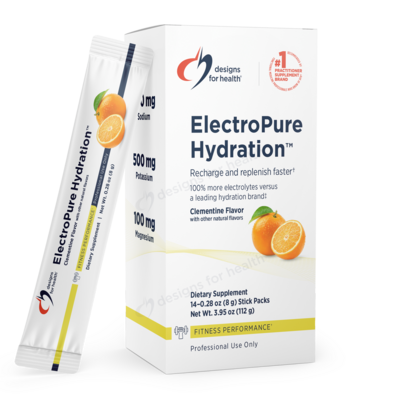
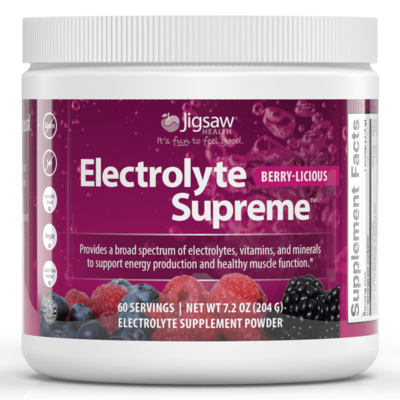
Electrolyte Powders Electrolytes are compounds that carry a positive or negative charge, also known as ions. These electrolytes are found in your body’s cells, tissues and fluids. Maintaining a proper ratio is necessary for vital body functions like cellular hydration, pH balance, nerve transmission, muscle contraction, circulating blood, and brain function. All electrolytes are minerals , but not all minerals are electrolytes. Minerals are a category of micronutrients that naturally occur in our environment and have a well-defined crystal structure. There are 16 dietary minerals, six of which are also electrolytes: sodium, potassium, chloride, magnesium, calcium, and phosphorus. Your body gets electrolytes from your diet. Unfortunately, our soils are now depleted of key nutrients, including most minerals. Your kidneys filter excess electrolytes out of your body and into your urine. You also lose electrolytes when you sweat. Replenishing important electrolytes is key after exercise, but may be necessary just for normal daily function. Below are several different options for electrolyte powders. They have slightly different levels of sodium, potassium, magnesium and some also include B vitamins and/or amino acids. Taking electrolytes in the morning can help kickstart your day and replenish hydration after fasting through the night. They can also be taken before, during, or after exercise. Taking electrolytes before bed might help restless leg syndrome and deep sleep. Experiment to find what time suits you best.
Erectile Dysfunction
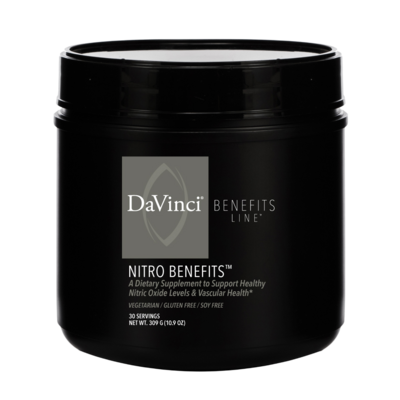
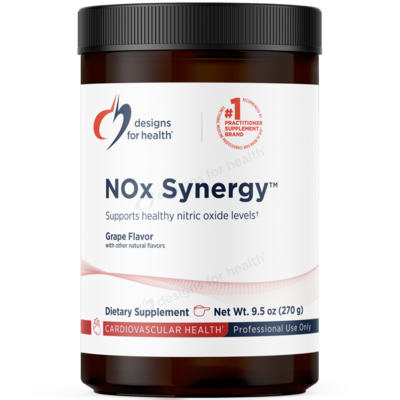
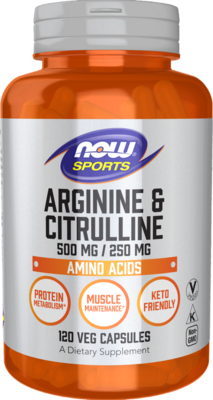
The Ups and Downs of Erectile Dysfunction Erectile dysfunction (ED) is the inability to achieve or maintain an erection for sexual performance. If this is something you have experienced, you are not alone. More than 50% of men over the age of 40 will experience this at some point. For most men, erectile dysfunction is caused by physical issues related to the blood supply of the penis. Suboptimal blood flow could result from cardiovascular conditions (high blood pressure, high cholesterol, atherosclerosis), elevated blood sugar, hormone imbalances like low testosterone or hypothyroidism, nerve impairment (Parkinson’s, MS, nerve injury), prescription medications, alcohol intake, cigarette smoking, or stress. The root cause of your individual issue could be any of these, or a combination. The good news is there are many natural ways to support erectile function, libido, and stamina that will also increase overall health! Natural Ways to Get Back in the Saddle Here are some science-backed, natural approaches to motivate your member. Heart healthy equals Penis healthy: Limit processed foods that increase blood sugar and inflammation (bread, pasta, crackers, baked goods, pretzels, etc.). Make vegetables the star of every meal: leafy greens, cruciferous vegetables (broccoli, cauliflower, kale), colorful vegetables like tomatoes, peppers, carrots, purple cabbage, and sulfur rich vegetables like garlic and onion. Make sure you are getting enough clean protein (Start with 0.75-1 grams of protein per pound of body weight). Focus on healthy plant based fats like olive oil, avocado, nuts, and seeds. Exercise: Regular physical activity improves blood flow, boosts testosterone, and reduces stress. Even a brisk walk can be beneficial, but consider adding strength training or high intensity interval training to maximize the effect. Quit Smoking and Limit Alcohol: A few beers might improve your flirting during dinner, but your ultimate performance will be less than stellar. Alcohol can affect hormones, circulation, and nerve function, all of which could contribute to erectile dysfunction. Drink mineral water instead (or you could try beet juice, green tea, grape juice, or pomegranate juice to improve erectile function). Manage Stress: Stress is the ultimate enemy of penis performance. Elevated cortisol immediately results in lower testosterone. When your body is in “fight or fight”, blood will flow to your arms and legs (your *actual* legs, not your "third" leg). Control external stressors when you can. Manage the stressors you can’t control with journaling, mindfulness, yoga, punching a heavy bag, meditation, exercise, talk therapy, nature walks, or whatever works best for you. Herbs like Ashwagandha can simultaneously lower cortisol and increase testosterone. Check Your Meds: Several prescription and over-the-counter medications can affect erectile function: antidepressants, antihistamines, blood pressure medication, diuretics, appetite suppressants, NSAIDS like ibuprofen or aspirin, sedatives, ulcer medication, etc. If you suspect your prescription is the problem, talk to your prescribing doctor—don’t just stop cold turkey. Supplements: The best supplements for each individual will depend on the underlying root causes. Is your testosterone low because you are deficient in vitamin D, zinc, or boron? Consider adding a high-quality multivitamin. Is stress taking a toll on your testosterone levels? Consider herbs like Ashwagandha, eurycoma, tribulus, or fenugreek. From a blood flow perspective, the supplements I think are the most effective are those that work on nitric oxide. Nitric oxide (NO), a natural component of the human body, plays a vital role in blood vessel dilation, hormone release, and nerve function. When a man is sexually aroused, his body releases nitric oxide to relax the muscles in his penis and increase blood flow, leading to an erection. Prescription medications like Viagra and Cialis help this process by blocking an enzyme (PDE5) that would normally stop the erection from happening. However, they may also cause side effects like headaches, flushing, digestive issues, muscle pain, dizziness, or visual disturbances. Studies show that increasing NO naturally by supplementing the amino acids arginine and citrulline can also help improve erectile function with fewer side effects. The amount of the amino acids used is important. Low doses of arginine and citrulline do not work nearly as as well as higher doses ( 1000–5000 MG). You should not take arginine/citrulline if you have had a recent heart attack, have low blood pressure, kidney disease, are about to have surgery, or are dealing with a current viral infection. Below are some supplements to consider for increasing nitric oxide and blood flow. Questions if these supplements are appropriate for you specifically? Reach out to Dr. Goldberg at dr.g@holistichealthprovider.com
Shop the entire wellness catalog, held to a higher standard
Shop practitioner-grade products, each meeting the same bar for quality through Fullscript's standards.
Powered byVerified
Sourced straight from the brand — no resellers or fakes
Enhanced testing
Select products are tested in-house — get exactly what the label promises
Stored and shipped
From certified facilities, to protect product integrity