Kim Furtado, N.D's Fullscript Account
Welcome! Through Fullscript, Kim Furtado, N.D's Fullscript Account offers high-quality supplements and wellness products, delivered right to your door. Get started with the recommended products from Kim Furtado, N.D's Fullscript Account, or sign in/up to explore the entire product catalog.
Up to 25% off your order when you sign up*
Shop the highest quality, rigorously tested supplements
Fast and free shipping for orders over $50
*Discounts may vary by order. Labs and select products not eligible
Existing account? Log in here
Featured public protocols
Recommendations from Kim Furtado, N.D's Fullscript Account, available to anyone who visits this store.
Flower Essences for Thanksgiving Holiday


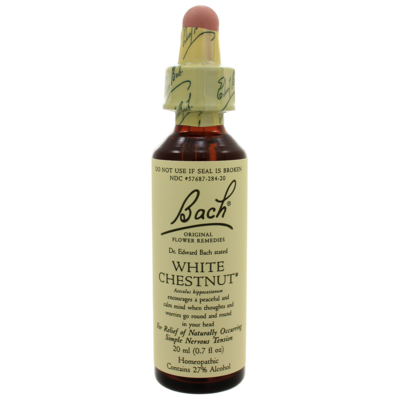
Three Bach Flower Essences for Gratitude and Patience Bach flower essences are gentle remedies that support emotional balance. Here are three I reach for this time of year: Willow, for gratitude. For moments when resentment or “why me?” thinking creeps in. Willow helps shift us from feeling shortchanged toward appreciating what we have. Impatiens, for patience. For the irritable, hurried, “just get on with it” feeling, whether it’s slow traffic, a long dinner, or a relative telling the same story again. Impatiens supports calm and a more generous pace. Beech, for tolerance. For when we feel critical or easily annoyed by others’ habits and opinions. Beech helps us see the good in people and soften our judgments. It’s perfect for a full holiday table. How to use: A common approach is 2 drops in a glass of water, sipped throughout the day, or added to a personal blend. Most Bach essences are preserved in brandy, so if you avoid alcohol, ask me about alcohol-free options.
Healthy Aging
 4 more items in Healthy Aging
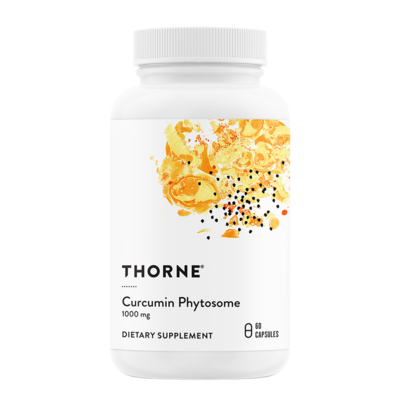
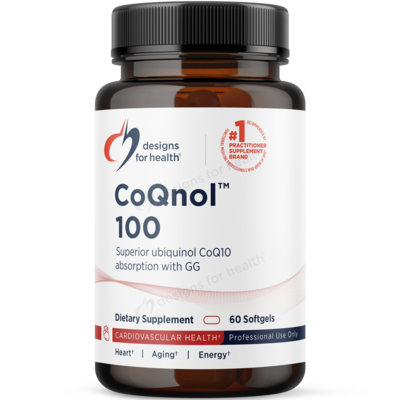
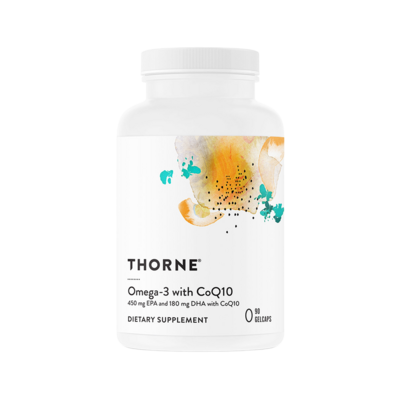
Community protocols are meant to inspire and educate you. I invite you to consider these products if you are not currently on a treatment plan; not meant to replace your customized supplements. The aging process is one we all experience, but how we age can differ greatly. With the global population over 60 expected to double by 2050, understanding how to support healthy aging is more important than ever. Aging doesn’t just mean growing older; it involves how we maintain our quality of life as we age. The good news? Many age-related health challenges can be prevented or even improved through lifestyle and dietary choices. What you eat can profoundly affect your health as you age. Whole, unprocessed foods are packed with nutrients your body needs to thrive. Below are some of the top nutrients that are especially beneficial for aging gracefully. Coenzyme Q10 (CoQ10) CoQ10 is a powerful antioxidant found in the body that supports heart health and cellular energy. Levels of CoQ10 naturally decrease as we age, but including foods like organ meats, sardines, spinach, and broccoli can help maintain its balance. Supplements may also support healthy aging by reducing inflammation and improving blood sugar regulation. Omega-3 Fatty Acids Omega-3s are essential fats that fight inflammation and protect your heart, joints, and brain. They are abundant in fatty fish like salmon, mackerel, and sardines. If you’re plant-based, foods like flaxseeds and walnuts offer some omega-3s, though the most potent forms are found in fish. Regular consumption of omega-3-rich foods or fish oil supplements can also lower the risk of chronic conditions like heart disease and osteoporosis. Probiotics and Prebiotics Your gut plays a big role in your overall health, and supporting beneficial bacteria in your digestive system can make a difference as you age. Foods like yogurt, kefir, asparagus, and garlic contain probiotics or prebiotics, which help maintain gut health and boost immunity. A diet high in fiber, including beans and whole grains, is also beneficial for your gut and overall inflammatory balance. B Vitamins Certain B vitamins, such as B6, B9 (folate), and B12, are essential for brain and heart health. They help manage homocysteine levels, which, when elevated, may be linked to cognitive decline and cardiovascular issues. You can find these vitamins in foods like eggs, leafy greens, legumes, and fortified cereals. Incorporating these into your diet can reduce the risk of some age-related conditions. Resveratrol This compound, found in grapes, berries, and red wine, has antioxidant and anti-inflammatory properties. Resveratrol may help protect your cells from damage and reduce markers of aging, such as cellular glycation. Adding these foods or a moderate amount of red wine to your routine can support your body’s natural defenses. Please reach out to schedule an appointment on Healthie or call 302-945-2107 if you need support Blessings, Dr. Kim
Men's Health
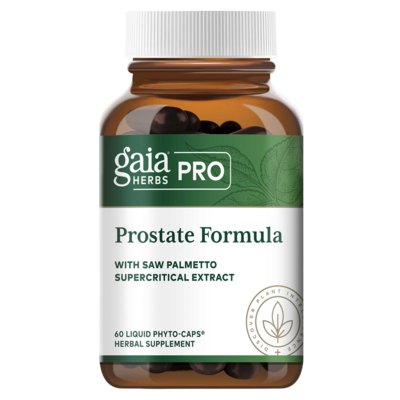
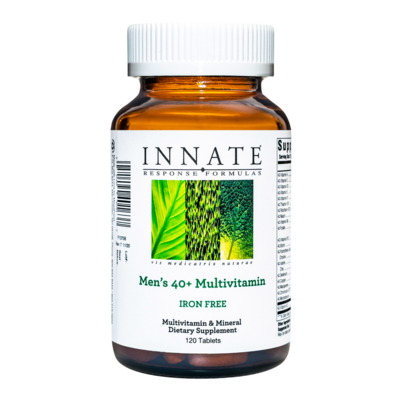
General health encompasses several lifestyle factors, including regular physical activity, a healthy diet, adequate sleep, stress management, and social interaction. Men’s nutritional needs change depending on their specific age group , and therefore introducing certain supplements may help support men’s health throughout each life stage. Dietary supplements can be used to address nutrient needs and prevent some of the common health issues men encounter, including cardiovascular disease, cancer, obesity, and benign prostatic hyperplasia (BPH). Here are some of the top-recommended supplements for men’s health. The following are some of the top ingredients recommended on Fullscript for supporting men's health. Saw palmetto ( Serenoa repens ) Saw palmetto, also known as the American dwarf palm tree, is a perennial plant from the botanical family Arecaceae. Saw palmetto extract, commonly found in supplement form, contains fatty acids that are extracted from the plant’s berry. Research has shown that saw palmetto may be effective in improving lower urinary tract symptoms (LUTS) and sexual dysfunction associated with BPH. Lycopene Lycopene is a plant pigment found in foods such as tomato, guava, pink grapefruit, apricots, and watermelon. Dietary intake of lycopene in the US is primarily obtained from tomatoes or tomato sauces, soups, and other tomato products. Many of these sources are processed or commercially made foods such as ketchup and don’t necessarily have high nutritional value overall. Research suggests that dietary intake of lycopene is associated with a lower risk of developing prostate cancer and an improvement of cardiovascular risk factors, such as low-density lipoprotein (LDL) and triglyceride levels. Lycopene supplements may be considered for the prevention of chronic health conditions, including heart disease and certain cancers. Beta-sitosterol Beta-sitosterol is a plant sterol or phytosterol found commonly in most plants. The FDA has stated that beta-sitosterol may reduce the risk of coronary heart disease (CHD) by lowering blood cholesterol levels. It has also been shown to improve symptoms of BPH by increasing maximum urinary flow and decreasing residual urine volume. Korean ginseng (Panax ginseng ) Korean ginseng is an adaptogenic herb that grows in Korea and northeastern China. Korean ginseng may help improve erectile dysfunction in men. Some clinical evidence also suggests that it enhances cognitive function, such as working memory and attention processes, in healthy adults. Zinc Zinc is an essential mineral involved in numerous physiological processes, including immune health and hormone production. Zinc supplementation is used to treat infections, including the flu, common cold, urinary tract infections, and lower respiratory tract infections. Zinc supplementation has also been found to benefit male fertility by increasing sperm count and testosterone levels. In men, seminal fluid zinc levels are correlated with sperm count and regular sperm structure. Zinc supplementation may show promise for male infertility treatment. Please reach out to schedule an appointment on Healthie or call 302-945-2107 if you need support Blessings, Dr. Kim
Mental Health
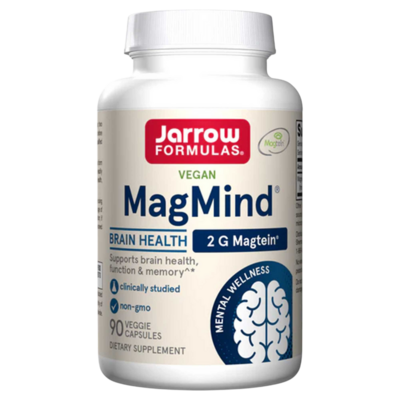
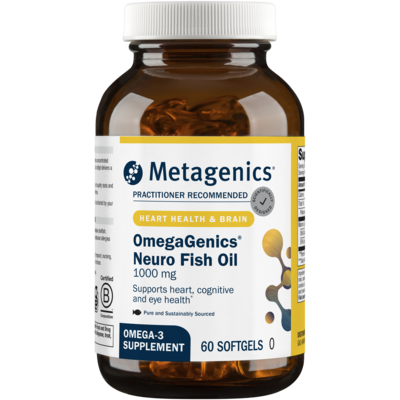
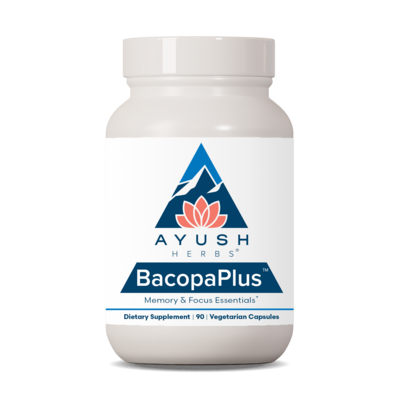
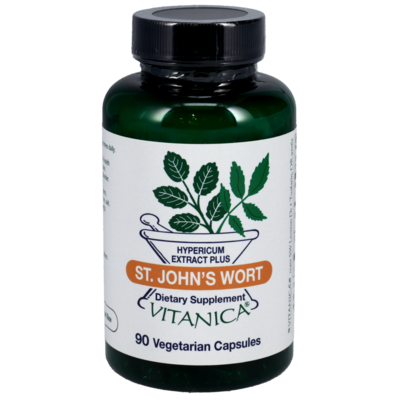
Throughout life, many individuals experience mental health issues that can impact their mood, thoughts, behavior, and quality of life. Supporting good overall health by engaging in regular physical activity, maintaining a well-balanced diet, prioritizing sleep, and managing stress can help to support mental well-being. Certain dietary supplements may also help to support cognitive function, as well as address or prevent mental health conditions. Top recommended supplements for mental health St. John’s wort ( Hypericum perforatum ) St. John’s wort is one of the most-researched medicinal herbs, commonly used for mood disorders in herbal medicine and Traditional Chinese Medicine. The plant’s yellow flowers are used to prepare teas or formulate dietary supplements. Research has demonstrated that supplementation with St. John’s wort in individuals with mild-to-moderate depression has comparable efficacy and safety when compared to selective serotonin reuptake inhibitors (SSRIs), a class of pharmaceutical antidepressants. Considering several pharmaceuticals interact with St. John’s wort, it is recommended to speak with your healthcare practitioner before taking this supplement. Bacopa ( Bacopa monnieri ) Bacopa monnieri is also known as water hyssop or Brahmi in Ayurveda, the traditional system of medicine in India. Bacopa is a medicinal herb with a variety of properties, including anti-inflammatory, analgesic, memory enhancing, sedative, and anti-epileptic effects. Clinical research has demonstrated that bacopa may improve cognitive functions such as learning and memory in healthy individuals, as well as improve concentration in individuals with mild cognitive impairment. Further, bacopa may increase serotonin levels, a neurotransmitter that promotes relaxation in the body. Phosphatidylserine Phosphatidylserine (PS) is an essential structural component of the brain that helps to form nerve cell membranes and myelin, a protective sheath that surrounds nerve fibers. Although PS is not easily obtained through the diet, PS dietary supplements commonly derived from soy lecithin or sunflower lecithin are available. Supplementation with PS has been shown to support short- and long-term memory formation, memory retrieval, learning and information recall, as well as reasoning, problem-solving, communication, and language skills. Folate Folate, or vitamin B9, is a water-soluble nutrient required for brain function and development. Folate exists in several forms, including tetrahydrofolate (THF) in food and folic acid or L-5-methyltetrahydrofolate (L-5-MTHF) in dietary supplements. Foods that are high in folate include beef liver, green vegetables (e.g., asparagus, broccoli, Brussels sprouts, mustard greens, spinach), black-eyed peas, avocado, and kidney beans. Low levels of folate are associated with age-related cognitive dysfunction. Folate supplementation prior to conception and during the first trimester of pregnancy supports fetal nervous system development and lowers the risk of neural tube defects (NTDs). Certain individuals who have difficulty converting folate to its active form due to a genetic polymorphism may benefit from supplementing with L-5-MTHF specifically, which is considered the “active” form of folate. Vitamin D Sometimes referred to as the sunshine vitamin, vitamin D is synthesized in the skin from sun exposure. Clinical studies suggest that low levels of vitamin D are associated with cognitive impairment, as well as an increased risk of Alzheimer’s disease and seasonal affective disorder, a form of depression that typically occurs during the winter months. Certain individuals, such as older adults, individuals with limited sun exposure, and dark-skinned individuals have a limited ability to synthesize vitamin D and may benefit from supplementation. Omega-3 fatty acids Almost 60 percent of the human brain is comprised of fat. Omega-3 fatty acids, an essential component of cell membrane structure, play a role in brain development and function. The long-chain omega-3 fatty acids eicosapentaenoic acid (EPA) and docosahexaenoic acid (DHA) may be obtained through diet by eating oily fish (e.g., mackerel, herring, salmon, sardines) or through fish oil or vegetarian algal supplements. Omega-3 supplementation has been shown to improve cognition in individuals with low omega-3 status. Dietary intake of omega-3 fatty acids may also help prevent certain cognitive conditions such as depression and dementia. The antidepressant effects of fish oil supplementation may be attributed to its ability to reduce inflammation and directly act on cell membrane properties. Please reach out to schedule an appointment on Healthie or call 302-945-2107 if you need support Blessings, Dr. Kim
Exercise and Structural Health
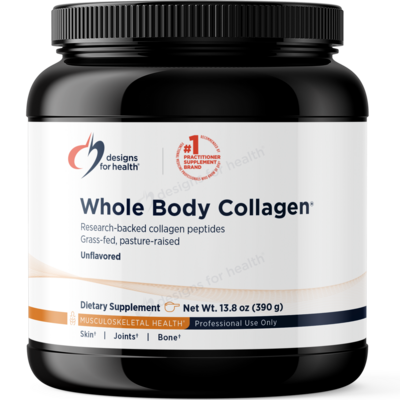
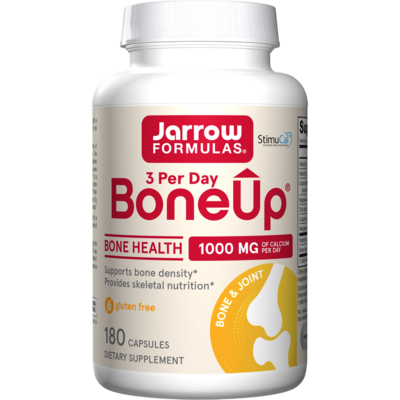
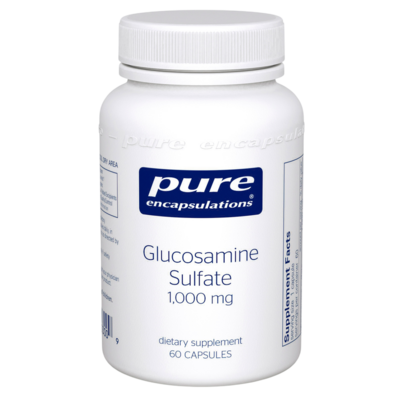
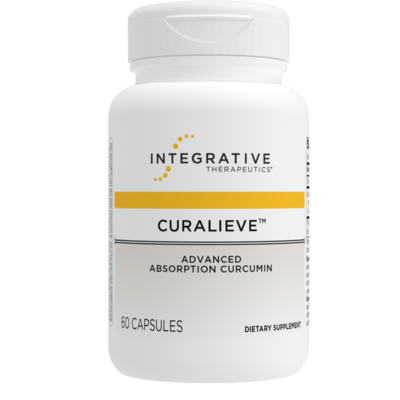
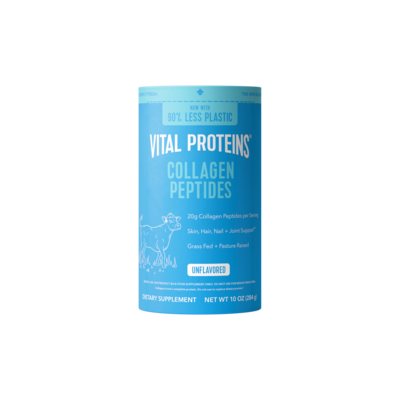
Maintaining healthy bones and joints is especially important as we age. Bones are a type of hard tissue providing structural support for the body, whereas joints are connection points between two or more bones. Over time, bone density decreases and joint movement stiffens, which increases the risk of mobility issues, fractures, osteoporosis, and osteoarthritis. Maintaining a healthy diet and, when necessary, supplementing with certain nutrients may help preserve healthy bones and reduce the risk of fractures, osteoarthritis, and related pain. Below is some useful information about top recommended supplements for exercise and structural health support , including popular products from my dispensary. Curcumin Best known for its anti-inflammatory properties, curcumin is a plant chemical derived from the root of the turmeric plant ( Curcuma longa ), a species of the ginger family. Studies have demonstrated the effectiveness of curcumin in reducing joint pain, including one study that found that curcumin has similar pain-relieving effects as ibuprofen. Certain formulations of curcumin have poor bioavailability, meaning that they are poorly absorbed by the body. However, simultaneously consuming the compound piperine from black pepper has been shown to increase the bioavailability of curcumin by 2000%. Additionally, licensed formulations of curcumin, such as BCM-95® and Longvida®, have improved bioavailability. Glucosamine Glucosamine, a naturally occurring compound in the body, plays a key role in forming and repairing cartilage. Supplementing with glucosamine has been shown to slow the progression of osteoarthritis and reduce pain and inflammation. Combining glucosamine with chondroitin, a substance found in connective tissue, may also increase overall effectiveness. Vitamin D Vitamin D helps build and maintain strong bones by helping the body absorb calcium from food and supplements. Research has shown that vitamin D supplementation can prevent bone loss in postmenopausal women and may reduce the risk of osteoporosis-related fractures. Vitamin D, also known as the sunshine vitamin, is synthesized in the body when the skin absorbs UVB rays from the sun. Certain dietary sources, such as fish, dairy products, and eggs, provide vitamin D as well. Individuals who spend limited time outdoors or don’t get enough vitamin D through their diet may benefit from supplementation. The list below outlines the established recommended dietary allowance (RDA) for daily intake of vitamin D based on age. 400 IU (10mcg) for infants 0-12 months 600 IU (15 mcg) for children 1-13 years 600 IU (15mcg) for adolescents 14-18 years 600 IU (15 mcg) for adults 19-70 years 800 IU (20 mcg) for adults 71 years and older Calcium and magnesium Calcium and magnesium work closely together to build and maintain strong bones and are often found together in supplement form. Magnesium is needed for calcium absorption and helps direct calcium to the bones instead of soft tissues. Adequate intake of calcium and magnesium may reduce the risk of fractures and osteoporosis. Dietary sources of calcium include dairy products, almonds, broccoli, and kale. Magnesium is found naturally in many plant-based foods, including nuts and seeds, bananas, some legumes (e.g., soybeans and black beans), and whole grains. The daily recommended intake of magnesium is 300 to 400 mg per day for adults. Calcium needs for adults range between 1,000 to 1,300 mg per day. Collagen Collagen is the most abundant protein in the human body and is found in bones, muscles, skin, and tendons. There are more than 16 types of collagen; however, Type II collagen is most important for joint health. Type II collagen supports the joints by providing strength and elasticity to cartilage. As collagen production naturally declines with age, supplementing with Type II collagen may help reduce pain and inflammation and improve the physical function of the joints. Please reach out to schedule an appointment on Healthie or call 302-945-2107 if you need support Blessings, Dr. Kim
Immune Boosting
4 products
Shop the entire wellness catalog, held to a higher standard
Shop practitioner-grade products, each meeting the same bar for quality through Fullscript's standards.
Powered byVerified
Sourced straight from the brand — no resellers or fakes
Enhanced testing
Select products are tested in-house — get exactly what the label promises
Stored and shipped
From certified facilities, to protect product integrity