Public protocols
Kim Furtado, N.D's Fullscript Account's general recommendations, available to anyone who visits this store.
Healthy Aging
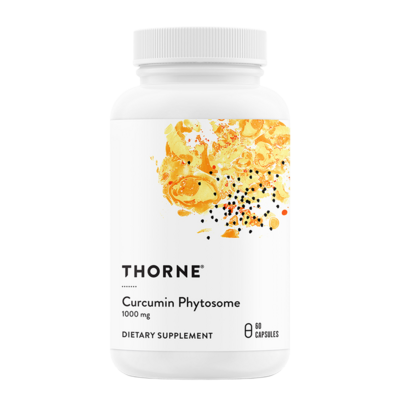
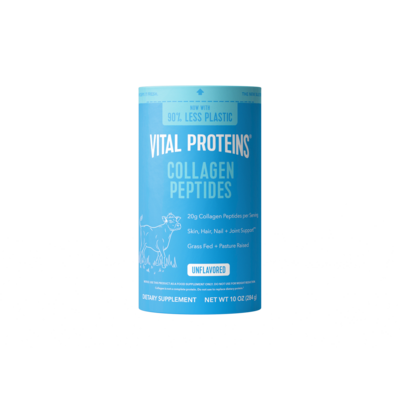
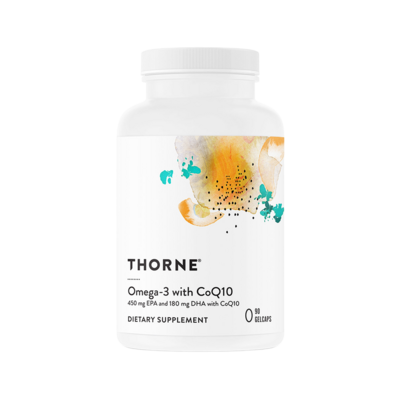
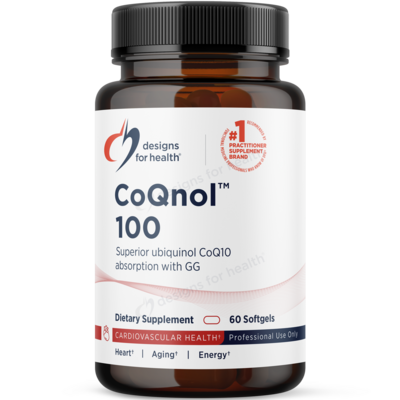 4 more items in Healthy Aging
Community protocols are meant to inspire and educate you. I invite you to consider these products if you are not currently on a treatment plan; not meant to replace your customized supplements. The aging process is one we all experience, but how we age can differ greatly. With the global population over 60 expected to double by 2050, understanding how to support healthy aging is more important than ever. Aging doesn’t just mean growing older; it involves how we maintain our quality of life as we age. The good news? Many age-related health challenges can be prevented or even improved through lifestyle and dietary choices. What you eat can profoundly affect your health as you age. Whole, unprocessed foods are packed with nutrients your body needs to thrive. Below are some of the top nutrients that are especially beneficial for aging gracefully. Coenzyme Q10 (CoQ10) CoQ10 is a powerful antioxidant found in the body that supports heart health and cellular energy. Levels of CoQ10 naturally decrease as we age, but including foods like organ meats, sardines, spinach, and broccoli can help maintain its balance. Supplements may also support healthy aging by reducing inflammation and improving blood sugar regulation. Omega-3 Fatty Acids Omega-3s are essential fats that fight inflammation and protect your heart, joints, and brain. They are abundant in fatty fish like salmon, mackerel, and sardines. If you’re plant-based, foods like flaxseeds and walnuts offer some omega-3s, though the most potent forms are found in fish. Regular consumption of omega-3-rich foods or fish oil supplements can also lower the risk of chronic conditions like heart disease and osteoporosis. Probiotics and Prebiotics Your gut plays a big role in your overall health, and supporting beneficial bacteria in your digestive system can make a difference as you age. Foods like yogurt, kefir, asparagus, and garlic contain probiotics or prebiotics, which help maintain gut health and boost immunity. A diet high in fiber, including beans and whole grains, is also beneficial for your gut and overall inflammatory balance. B Vitamins Certain B vitamins, such as B6, B9 (folate), and B12, are essential for brain and heart health. They help manage homocysteine levels, which, when elevated, may be linked to cognitive decline and cardiovascular issues. You can find these vitamins in foods like eggs, leafy greens, legumes, and fortified cereals. Incorporating these into your diet can reduce the risk of some age-related conditions. Resveratrol This compound, found in grapes, berries, and red wine, has antioxidant and anti-inflammatory properties. Resveratrol may help protect your cells from damage and reduce markers of aging, such as cellular glycation. Adding these foods or a moderate amount of red wine to your routine can support your body’s natural defenses. Please reach out to schedule an appointment on Healthie or call 302-945-2107 if you need support Blessings, Dr. Kim
Men's Health
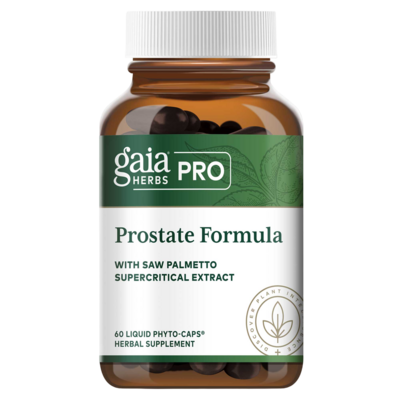
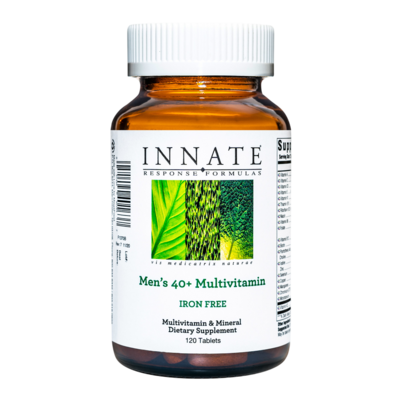
General health encompasses several lifestyle factors, including regular physical activity, a healthy diet, adequate sleep, stress management, and social interaction. Men’s nutritional needs change depending on their specific age group , and therefore introducing certain supplements may help support men’s health throughout each life stage. Dietary supplements can be used to address nutrient needs and prevent some of the common health issues men encounter, including cardiovascular disease, cancer, obesity, and benign prostatic hyperplasia (BPH). Here are some of the top-recommended supplements for men’s health. The following are some of the top ingredients recommended on Fullscript for supporting men's health. Saw palmetto ( Serenoa repens ) Saw palmetto, also known as the American dwarf palm tree, is a perennial plant from the botanical family Arecaceae. Saw palmetto extract, commonly found in supplement form, contains fatty acids that are extracted from the plant’s berry. Research has shown that saw palmetto may be effective in improving lower urinary tract symptoms (LUTS) and sexual dysfunction associated with BPH. Lycopene Lycopene is a plant pigment found in foods such as tomato, guava, pink grapefruit, apricots, and watermelon. Dietary intake of lycopene in the US is primarily obtained from tomatoes or tomato sauces, soups, and other tomato products. Many of these sources are processed or commercially made foods such as ketchup and don’t necessarily have high nutritional value overall. Research suggests that dietary intake of lycopene is associated with a lower risk of developing prostate cancer and an improvement of cardiovascular risk factors, such as low-density lipoprotein (LDL) and triglyceride levels. Lycopene supplements may be considered for the prevention of chronic health conditions, including heart disease and certain cancers. Beta-sitosterol Beta-sitosterol is a plant sterol or phytosterol found commonly in most plants. The FDA has stated that beta-sitosterol may reduce the risk of coronary heart disease (CHD) by lowering blood cholesterol levels. It has also been shown to improve symptoms of BPH by increasing maximum urinary flow and decreasing residual urine volume. Korean ginseng (Panax ginseng ) Korean ginseng is an adaptogenic herb that grows in Korea and northeastern China. Korean ginseng may help improve erectile dysfunction in men. Some clinical evidence also suggests that it enhances cognitive function, such as working memory and attention processes, in healthy adults. Zinc Zinc is an essential mineral involved in numerous physiological processes, including immune health and hormone production. Zinc supplementation is used to treat infections, including the flu, common cold, urinary tract infections, and lower respiratory tract infections. Zinc supplementation has also been found to benefit male fertility by increasing sperm count and testosterone levels. In men, seminal fluid zinc levels are correlated with sperm count and regular sperm structure. Zinc supplementation may show promise for male infertility treatment. Please reach out to schedule an appointment on Healthie or call 302-945-2107 if you need support Blessings, Dr. Kim
Mental Health
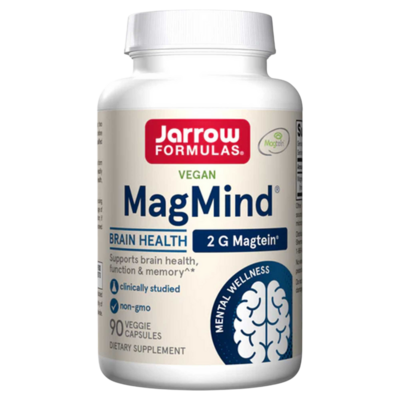
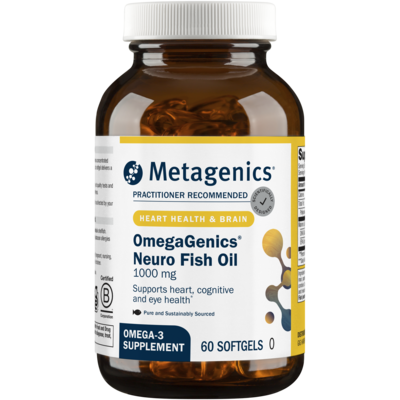
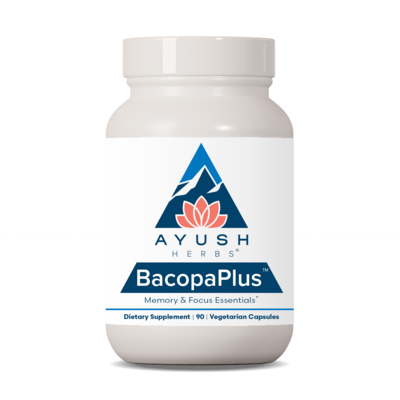
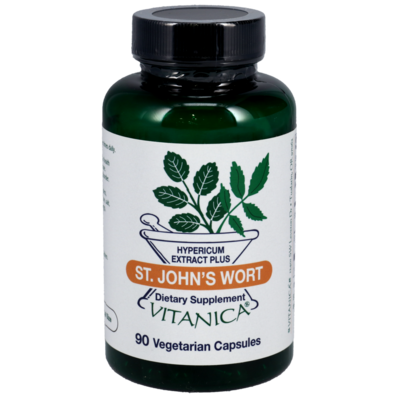
Throughout life, many individuals experience mental health issues that can impact their mood, thoughts, behavior, and quality of life. Supporting good overall health by engaging in regular physical activity, maintaining a well-balanced diet, prioritizing sleep, and managing stress can help to support mental well-being. Certain dietary supplements may also help to support cognitive function, as well as address or prevent mental health conditions. Top recommended supplements for mental health St. John’s wort ( Hypericum perforatum ) St. John’s wort is one of the most-researched medicinal herbs, commonly used for mood disorders in herbal medicine and Traditional Chinese Medicine. The plant’s yellow flowers are used to prepare teas or formulate dietary supplements. Research has demonstrated that supplementation with St. John’s wort in individuals with mild-to-moderate depression has comparable efficacy and safety when compared to selective serotonin reuptake inhibitors (SSRIs), a class of pharmaceutical antidepressants. Considering several pharmaceuticals interact with St. John’s wort, it is recommended to speak with your healthcare practitioner before taking this supplement. Bacopa ( Bacopa monnieri ) Bacopa monnieri is also known as water hyssop or Brahmi in Ayurveda, the traditional system of medicine in India. Bacopa is a medicinal herb with a variety of properties, including anti-inflammatory, analgesic, memory enhancing, sedative, and anti-epileptic effects. Clinical research has demonstrated that bacopa may improve cognitive functions such as learning and memory in healthy individuals, as well as improve concentration in individuals with mild cognitive impairment. Further, bacopa may increase serotonin levels, a neurotransmitter that promotes relaxation in the body. Phosphatidylserine Phosphatidylserine (PS) is an essential structural component of the brain that helps to form nerve cell membranes and myelin, a protective sheath that surrounds nerve fibers. Although PS is not easily obtained through the diet, PS dietary supplements commonly derived from soy lecithin or sunflower lecithin are available. Supplementation with PS has been shown to support short- and long-term memory formation, memory retrieval, learning and information recall, as well as reasoning, problem-solving, communication, and language skills. Folate Folate, or vitamin B9, is a water-soluble nutrient required for brain function and development. Folate exists in several forms, including tetrahydrofolate (THF) in food and folic acid or L-5-methyltetrahydrofolate (L-5-MTHF) in dietary supplements. Foods that are high in folate include beef liver, green vegetables (e.g., asparagus, broccoli, Brussels sprouts, mustard greens, spinach), black-eyed peas, avocado, and kidney beans. Low levels of folate are associated with age-related cognitive dysfunction. Folate supplementation prior to conception and during the first trimester of pregnancy supports fetal nervous system development and lowers the risk of neural tube defects (NTDs). Certain individuals who have difficulty converting folate to its active form due to a genetic polymorphism may benefit from supplementing with L-5-MTHF specifically, which is considered the “active” form of folate. Vitamin D Sometimes referred to as the sunshine vitamin, vitamin D is synthesized in the skin from sun exposure. Clinical studies suggest that low levels of vitamin D are associated with cognitive impairment, as well as an increased risk of Alzheimer’s disease and seasonal affective disorder, a form of depression that typically occurs during the winter months. Certain individuals, such as older adults, individuals with limited sun exposure, and dark-skinned individuals have a limited ability to synthesize vitamin D and may benefit from supplementation. Omega-3 fatty acids Almost 60 percent of the human brain is comprised of fat. Omega-3 fatty acids, an essential component of cell membrane structure, play a role in brain development and function. The long-chain omega-3 fatty acids eicosapentaenoic acid (EPA) and docosahexaenoic acid (DHA) may be obtained through diet by eating oily fish (e.g., mackerel, herring, salmon, sardines) or through fish oil or vegetarian algal supplements. Omega-3 supplementation has been shown to improve cognition in individuals with low omega-3 status. Dietary intake of omega-3 fatty acids may also help prevent certain cognitive conditions such as depression and dementia. The antidepressant effects of fish oil supplementation may be attributed to its ability to reduce inflammation and directly act on cell membrane properties. Please reach out to schedule an appointment on Healthie or call 302-945-2107 if you need support Blessings, Dr. Kim
Exercise and Structural Health
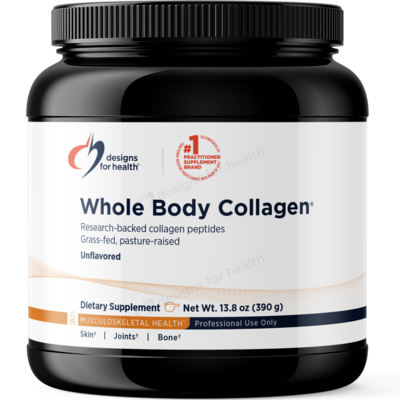
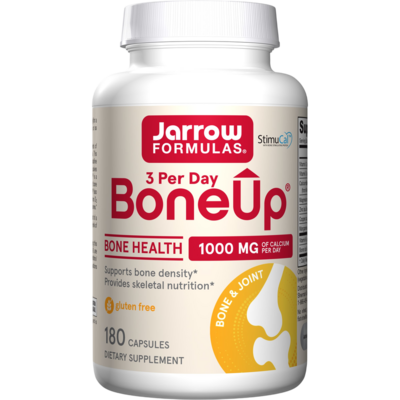
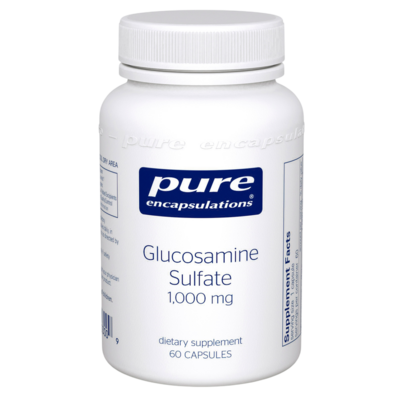
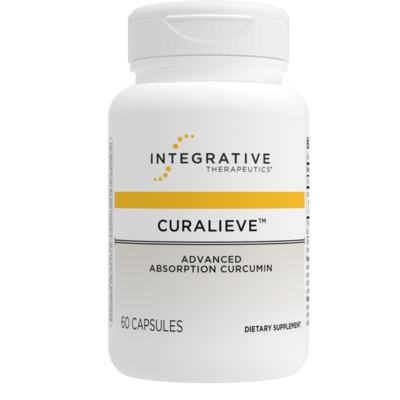
Maintaining healthy bones and joints is especially important as we age. Bones are a type of hard tissue providing structural support for the body, whereas joints are connection points between two or more bones. Over time, bone density decreases and joint movement stiffens, which increases the risk of mobility issues, fractures, osteoporosis, and osteoarthritis. Maintaining a healthy diet and, when necessary, supplementing with certain nutrients may help preserve healthy bones and reduce the risk of fractures, osteoarthritis, and related pain. Below is some useful information about top recommended supplements for exercise and structural health support , including popular products from my dispensary. Curcumin Best known for its anti-inflammatory properties, curcumin is a plant chemical derived from the root of the turmeric plant ( Curcuma longa ), a species of the ginger family. Studies have demonstrated the effectiveness of curcumin in reducing joint pain, including one study that found that curcumin has similar pain-relieving effects as ibuprofen. Certain formulations of curcumin have poor bioavailability, meaning that they are poorly absorbed by the body. However, simultaneously consuming the compound piperine from black pepper has been shown to increase the bioavailability of curcumin by 2000%. Additionally, licensed formulations of curcumin, such as BCM-95® and Longvida®, have improved bioavailability. Glucosamine Glucosamine, a naturally occurring compound in the body, plays a key role in forming and repairing cartilage. Supplementing with glucosamine has been shown to slow the progression of osteoarthritis and reduce pain and inflammation. Combining glucosamine with chondroitin, a substance found in connective tissue, may also increase overall effectiveness. Vitamin D Vitamin D helps build and maintain strong bones by helping the body absorb calcium from food and supplements. Research has shown that vitamin D supplementation can prevent bone loss in postmenopausal women and may reduce the risk of osteoporosis-related fractures. Vitamin D, also known as the sunshine vitamin, is synthesized in the body when the skin absorbs UVB rays from the sun. Certain dietary sources, such as fish, dairy products, and eggs, provide vitamin D as well. Individuals who spend limited time outdoors or don’t get enough vitamin D through their diet may benefit from supplementation. The list below outlines the established recommended dietary allowance (RDA) for daily intake of vitamin D based on age. 400 IU (10mcg) for infants 0-12 months 600 IU (15 mcg) for children 1-13 years 600 IU (15mcg) for adolescents 14-18 years 600 IU (15 mcg) for adults 19-70 years 800 IU (20 mcg) for adults 71 years and older Calcium and magnesium Calcium and magnesium work closely together to build and maintain strong bones and are often found together in supplement form. Magnesium is needed for calcium absorption and helps direct calcium to the bones instead of soft tissues. Adequate intake of calcium and magnesium may reduce the risk of fractures and osteoporosis. Dietary sources of calcium include dairy products, almonds, broccoli, and kale. Magnesium is found naturally in many plant-based foods, including nuts and seeds, bananas, some legumes (e.g., soybeans and black beans), and whole grains. The daily recommended intake of magnesium is 300 to 400 mg per day for adults. Calcium needs for adults range between 1,000 to 1,300 mg per day. Collagen Collagen is the most abundant protein in the human body and is found in bones, muscles, skin, and tendons. There are more than 16 types of collagen; however, Type II collagen is most important for joint health. Type II collagen supports the joints by providing strength and elasticity to cartilage. As collagen production naturally declines with age, supplementing with Type II collagen may help reduce pain and inflammation and improve the physical function of the joints. Please reach out to schedule an appointment on Healthie or call 302-945-2107 if you need support Blessings, Dr. Kim
Children's Health
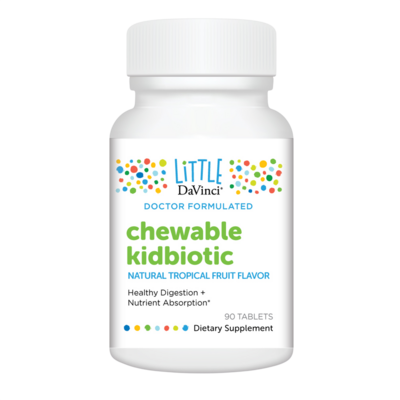 4 more items in Children's Health
The health of your digestive system is essential to ensure proper digestion and absorption of nutrients, as well as to support the function of other body systems, such as the immune system. The health of the gastrointestinal system, particularly the gut microbiota, even impacts mental health through its connection with the central nervous system, often referred to as the gut-brain axis. The digestive system is made up of digestive and accessory organs, including the stomach, small intestine, large intestine (colon), pancreas, liver, and gallbladder, as well as various chemical compounds, such as hormones, stomach acid, bile, and digestive enzymes. The gut microbiota, a community of live microorganisms found in high concentrations in the colon, are also essential to digestion and gut health. Several lifestyle choices, such as eating a healthy diet, exercising regularly, staying hydrated, managing stress, and supporting your health with dietary supplements, can help you maintain digestive wellness. Top recommended supplements for digestive health Probiotics Probiotics are fermented food products or dietary supplements that contain beneficial microbes, including bacteria, bacterial spores, or fungi (yeasts). When consumed, they offer health benefits to the host, both by colonizing the gastrointestinal tract and by transient activity when passing through the body. Probiotics have been studied for their therapeutic benefits in a number of health conditions, including inflammatory bowel disease (IBD), irritable bowel syndrome (IBS), autoimmune diseases, obesity, and mental-emotional disorders. The health benefits of probiotics can vary significantly depending on the specific strain or strains included. Digestive enzymes Enzymes are substances that increase the rate of chemical reactions in the body (catalysts). Specifically, digestive enzymes are secreted by the digestive tract to aid in digesting fats, proteins, and carbohydrates consumed through the diet. Enzyme supplementation may be beneficial for individuals with food sensitivities, such as lactose intolerance, and certain gastrointestinal disorders. Enzyme supplements may include a variety of enzymes from different sources, such as pancreatic enzymes (e.g., porcine or bovine sources), plant-based enzymes (e.g., bromelain from pineapple, papain from papaya), and microbe-derived enzymes. Each enzyme breaks down a specific component of food. For example, lipase aids in the digestion of lipids and protease aids in the digestion of proteins. Fiber Fiber is an umbrella term for the carbohydrates found in plant foods that resist digestion and absorption in the human small intestine. High-fiber foods include vegetables, fruit, legumes, nuts, seeds, and whole grains. The two main forms of fiber are soluble fibers, which dissolve in water and slow transit time in the human digestive tract, and insoluble fibers, which do not dissolve in water, speed transit time in the human digestive tract, and increase fecal bulk. In addition to supporting digestion, research has shown that a high-fiber diet may reduce the risk of cancer, type 2 diabetes, cardiovascular diseases, and obesity. Prebiotics, one type of soluble fiber, possess unique characteristics and health effects. Prebiotics act as a source of fuel for beneficial microbes, promoting a healthy microbial profile, and providing a number of associated health benefits. Research is increasingly confirming the numerous health benefits of prebiotics. L-glutamine L-glutamine is the most abundant amino acid in the human body and is used as a substrate (material) by the small and large intestines for energy production. L-glutamine also plays a role in liver cell reproduction and energy metabolism in the liver. L-glutamine supplementation may reduce intestinal cell death that normally occurs with exposure to stress, such as intense heat and exercise. It may also benefit individuals with certain digestive conditions, such as Crohn’s disease and short bowel syndrome. Research has shown that the health benefits of L-glutamine may be attributed to its ability to modulate inflammation, protect against cellular stress and death, and regulate the reproduction of intestinal cells. Deglycyrrhizinated licorice Licorice is a medicinal herb grown in parts of Greece, Turkey, and Asia. The plant’s roots have laxative, antimicrobial, demulcent, antioxidant, and liver-protecting properties. An extract of licorice root, known as deglycyrrhizinated licorice (DGL), is used in the treatment of inflammatory bowel diseases, peptic ulcers, and gastric ulcers. DGL supplementation may also help improve symptoms of indigestion, such as heartburn, belching, bloating, and nausea. Clinical studies have found DGL supplements to be safe and well-tolerated. Please reach out to schedule an appointment on Healthie or call 302-945-2107 if you need support Blessings, Dr. Kim
Digestive Health Basics
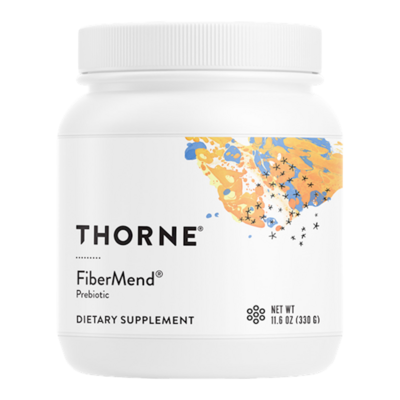
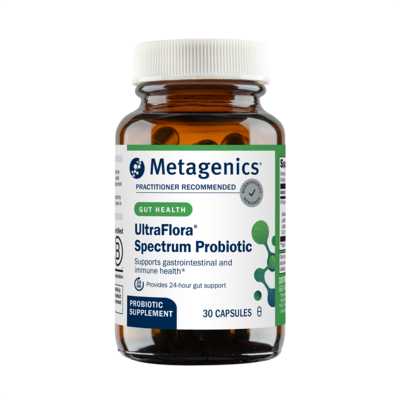
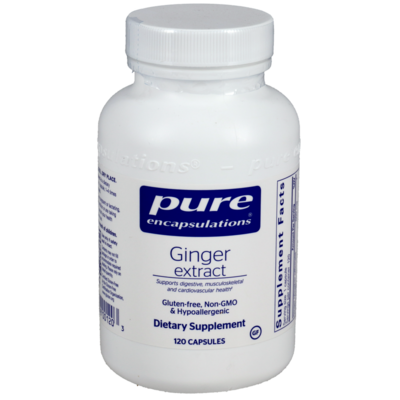 4 more items in Digestive Health Basics
The health of your digestive system is essential to ensure proper digestion and absorption of nutrients, as well as to support the function of other body systems, such as the immune system. The health of the gastrointestinal system, particularly the gut microbiota, even impacts mental health through its connection with the central nervous system, often referred to as the gut-brain axis. The digestive system is made up of digestive and accessory organs, including the stomach, small intestine, large intestine (colon), pancreas, liver, and gallbladder, as well as various chemical compounds, such as hormones, stomach acid, bile, and digestive enzymes. The gut microbiota, a community of live microorganisms found in high concentrations in the colon, are also essential to digestion and gut health. Several lifestyle choices, such as eating a healthy diet, exercising regularly, staying hydrated, managing stress, and supporting your health with dietary supplements, can help you maintain digestive wellness. Top recommended supplements for digestive health Probiotics Probiotics are fermented food products or dietary supplements that contain beneficial microbes, including bacteria, bacterial spores, or fungi (yeasts). When consumed, they offer health benefits to the host, both by colonizing the gastrointestinal tract and by transient activity when passing through the body. Probiotics have been studied for their therapeutic benefits in a number of health conditions, including inflammatory bowel disease (IBD), irritable bowel syndrome (IBS), autoimmune diseases, obesity, and mental-emotional disorders. The health benefits of probiotics can vary significantly depending on the specific strain or strains included. Digestive enzymes Enzymes are substances that increase the rate of chemical reactions in the body (catalysts). Specifically, digestive enzymes are secreted by the digestive tract to aid in digesting fats, proteins, and carbohydrates consumed through the diet. Enzyme supplementation may be beneficial for individuals with food sensitivities, such as lactose intolerance, and certain gastrointestinal disorders. Enzyme supplements may include a variety of enzymes from different sources, such as pancreatic enzymes (e.g., porcine or bovine sources), plant-based enzymes (e.g., bromelain from pineapple, papain from papaya), and microbe-derived enzymes. Each enzyme breaks down a specific component of food. For example, lipase aids in the digestion of lipids and protease aids in the digestion of proteins. Fiber Fiber is an umbrella term for the carbohydrates found in plant foods that resist digestion and absorption in the human small intestine. High-fiber foods include vegetables, fruit, legumes, nuts, seeds, and whole grains. The two main forms of fiber are soluble fibers, which dissolve in water and slow transit time in the human digestive tract, and insoluble fibers, which do not dissolve in water, speed transit time in the human digestive tract, and increase fecal bulk. In addition to supporting digestion, research has shown that a high-fiber diet may reduce the risk of cancer, type 2 diabetes, cardiovascular diseases, and obesity. Prebiotics, one type of soluble fiber, possess unique characteristics and health effects. Prebiotics act as a source of fuel for beneficial microbes, promoting a healthy microbial profile, and providing a number of associated health benefits. Research is increasingly confirming the numerous health benefits of prebiotics. L-glutamine L-glutamine is the most abundant amino acid in the human body and is used as a substrate (material) by the small and large intestines for energy production. L-glutamine also plays a role in liver cell reproduction and energy metabolism in the liver. L-glutamine supplementation may reduce intestinal cell death that normally occurs with exposure to stress, such as intense heat and exercise. It may also benefit individuals with certain digestive conditions, such as Crohn’s disease and short bowel syndrome. Research has shown that the health benefits of L-glutamine may be attributed to its ability to modulate inflammation, protect against cellular stress and death, and regulate the reproduction of intestinal cells. Deglycyrrhizinated licorice Licorice is a medicinal herb grown in parts of Greece, Turkey, and Asia. The plant’s roots have laxative, antimicrobial, demulcent, antioxidant, and liver-protecting properties. An extract of licorice root, known as deglycyrrhizinated licorice (DGL), is used in the treatment of inflammatory bowel diseases, peptic ulcers, and gastric ulcers. DGL supplementation may also help improve symptoms of indigestion, such as heartburn, belching, bloating, and nausea. Clinical studies have found DGL supplements to be safe and well-tolerated. Please reach out to schedule an appointment on Healthie or call 302-945-2107 if you need support Blessings, Dr. Kim
Fun in the Sun

 5 more items in Fun in the Sun
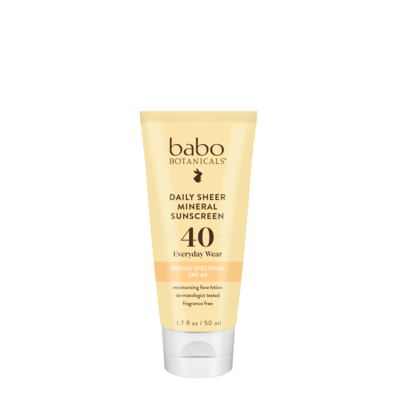
Enjoying the great outdoors is one of life’s simple pleasures. Whether it’s a day at the beach, a family hike, or a sunny picnic in the park, we want to soak in the sunshine and fresh air while staying protected. That’s where smart skin care choices come in. Sunscreen and insect repellent are absolute must-haves for outdoor adventures, but not all products are created equal. When it comes to protecting your skin—and your health—it’s crucial to choose products with natural, non-toxic ingredients. Why Ingredients Matter The products you use on your skin don’t just sit on the surface. Ingredients like parabens and phthalates, commonly found in conventional skincare products, can enter your body through your skin, and that’s where the trouble begins. These chemicals have been linked to potential health concerns, from hormone disruption to long-term environmental impact. And while those claims of “all-natural” or “eco-friendly” on product labels might sound reassuring, it’s worth digging deeper to ensure you’re making the healthiest choice for you and the planet. Tips for Choosing Safer Products Making informed decisions doesn’t have to feel overwhelming. Here’s how you can choose superior sun and outdoor skincare products with ease: Check Consumer Guides Organizations like the Environmental Working Group (EWG) provide free resources to help you find safe, non-toxic skincare products. Their guides can help you sort through the sea of options, pointing you toward sunscreens and insect repellents that truly prioritize your health. Focus on the Ingredient List Always read the ingredient list carefully. Look for sunscreens with mineral-based ingredients like zinc oxide or titanium dioxide, which provide effective protection without harmful chemicals. Similarly, opt for insect repellents that use natural oils like citronella, lemongrass, or eucalyptus instead of synthetic formulas. Keep an eye out for organic labels marked with an asterisk—these are often your best bet. Avoid Harmful Additives Steer clear of products containing harsh chemicals like: Fragrances or perfumes Parabens Phthalates Synthetic color additives These can be harsh on your skin and detrimental to your overall well-being. Look Out for Greenwashing Words like “all-natural” and “sustainable” might sound appealing, but don’t rely on these headlines alone. Greenwashing tactics can mislead even the most cautious consumers. Always look for verification—like third-party certifications—or take a closer look at the full ingredient list instead of trusting the marketing claims. Protecting Yourself and the Planet Choosing the right products not only benefits your health but also supports a more sustainable way of living. By reducing your exposure to harmful chemicals and opting for environmentally-friendly options, you’re playing a part in preserving the beauty of the outdoors for generations to come. Before your next sunny outing, take a moment to review the products you’re using. With a little extra care and attention, you can enjoy every sun-soaked moment knowing you’re protecting your skin, your health, and the environment. Now, grab your hat and favorite natural sunscreen—it’s time for some fun in the sun!
Metabolic Health
 4 more items in Metabolic Health
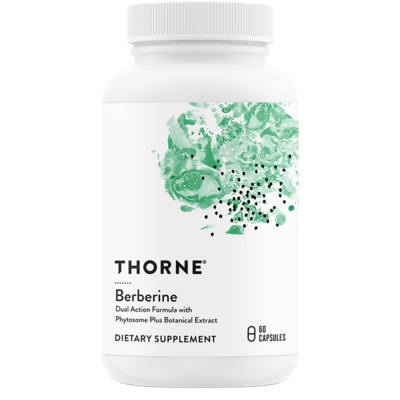
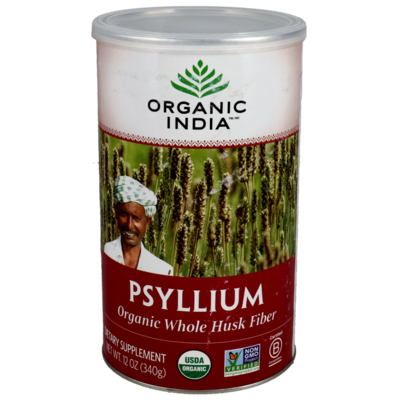
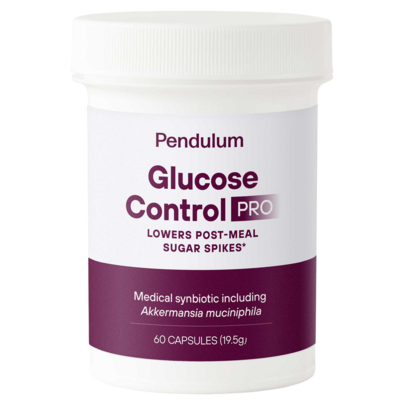
While we frequently hear of “improving metabolism”, the term metabolism may be misunderstood. Metabolism refers to all of the reactions in the body’s cells that either produce or consume energy. The rate at which energy is produced generally referred to as our metabolic rate is influenced by several factors, including diet, physical activity, age, and health status. A number of dietary supplements have been shown to support metabolic health, such as alpha-lipoic acid, berberine, chromium, and psyllium husk. Below is some useful information about top recommended supplements for metabolism support, including popular products from my dispensary. Alpha-lipoic acid Alpha-lipoic acid (ALA) is an antioxidant and a cofactor used in energy production. A decline in ALA synthesis, often associated with increasing age, may contribute to cellular dysfunction. Supplementation of ALA may help regulate anti-inflammatory and anti-oxidant pathways, reducing levels of oxidative stress that may contribute to the development of cardiovascular diseases. Berberine Berberine is an alkaloid found in certain botanical herbs, including Oregon grape, barberry, goldenseal, and California poppy. Berberine may interact with gut microbiota, increasing the production of certain metabolites that regulate energy metabolism. Clinical research has demonstrated several health effects of berberine supplementation, such as lowering lipid levels and improving insulin resistance. Furthermore, berberine supplementation may support cardiometabolic health by reducing inflammation and improving vascular health. Chromium An essential trace mineral, chromium is used by the body to support the metabolism of carbohydrates and lipids (fats). Chromium supplementation may help manage blood sugar levels in individuals with type 2 diabetes by reducing insulin resistance. Further, supplementation of chromium picolinate, a form of the mineral, has been shown to help manage weight and improve body composition. Psyllium husk Psyllium husk is a water-soluble fiber that comes from the seeds of the Plantago ovata plant. When mixed with liquid, psyllium husk forms a gel and slows the absorption of glucose (a simple sugar) in the digestive tract, resulting in lower blood glucose levels following meals. Psyllium husk supplementation may reduce blood glucose levels in individuals with type 2 diabetes and help lower cholesterol levels, a marker of cardiometabolic diseases. Repairing the health of your metabolism truly depends on healing the triggers or root cause issues that have damaged your metabolism. These factors range from nutritional deficiencies, chronic stress, hormonal imbalances, environmental toxicants, sedentary lifestyle, non-restorative sleep, and more.
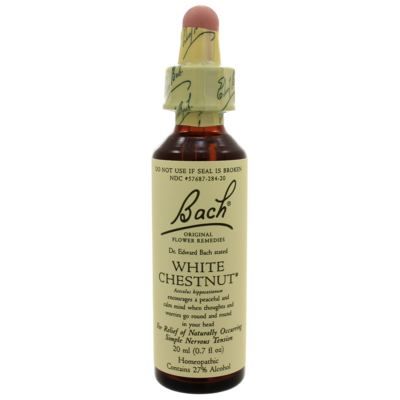
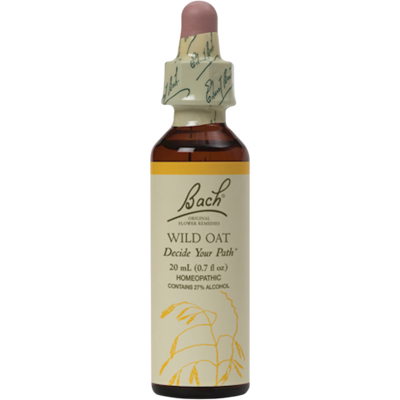
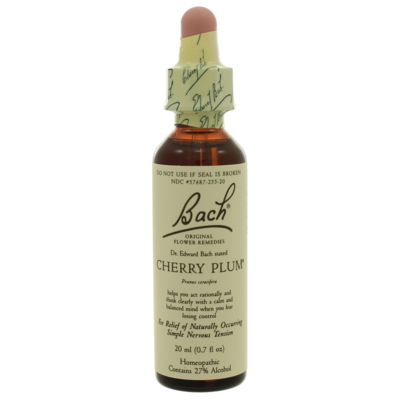
Shop the entire wellness catalog, held to a higher standard
Shop practitioner-grade products, each meeting the same bar for quality through Fullscript's standards.
Powered byVerified
Sourced straight from the brand — no resellers or fakes
Enhanced testing
Select products are tested in-house — get exactly what the label promises
Stored and shipped
From certified facilities, to protect product integrity