Public protocols
Sarah Regan's Dispensary's general recommendations, available to anyone who visits this store.
Bipolar support
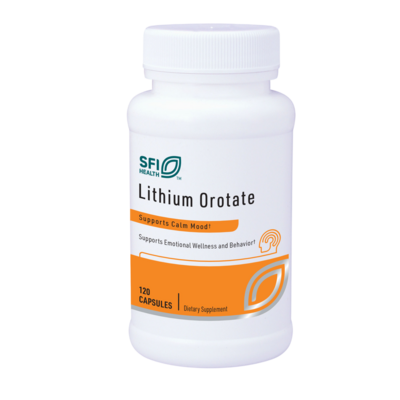
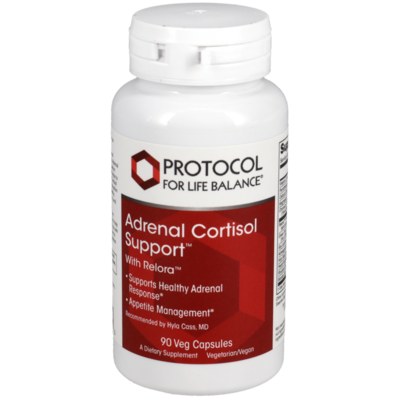
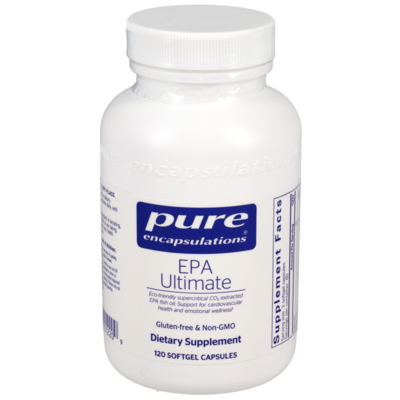
Bipolar disorder is a mental illness highlighted by erratic mood swings. Individuals with this type of illness find regulating their emotions and moods challenging. Because of this, they can either experience manic episodes or “highs”; or depressive episodes, or “lows.” There are times that a person with Bipolar disorder experience both at the same time. You might think that Bipolar disorder is rare but, in 2005, it was discovered that “over 5 million people in the US, roughly around 2.6 percent of the population, suffer from some form of bipolar disorder.” While the numbers are staggering, experts believe that there are actually more individuals out there who are suffering from the illness without them realizing. Bipolar disorder is hard to diagnose, however, there are behavioral signs that could help identify it. We have gathered a list of symptoms and separated them into two groups: Depressive symptoms (items 1-13) and manic symptoms (items 14-25).
Back to School
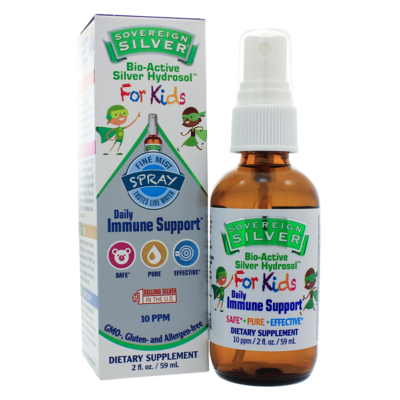
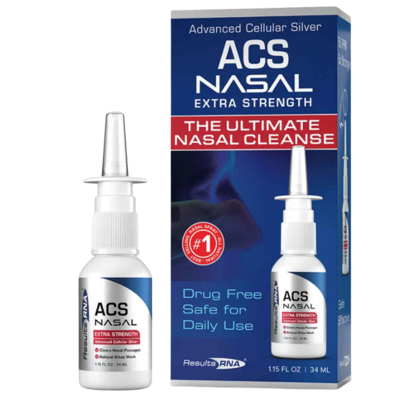
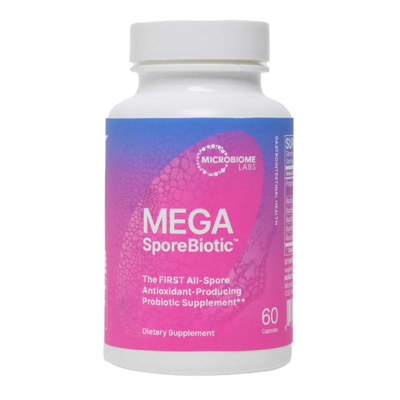
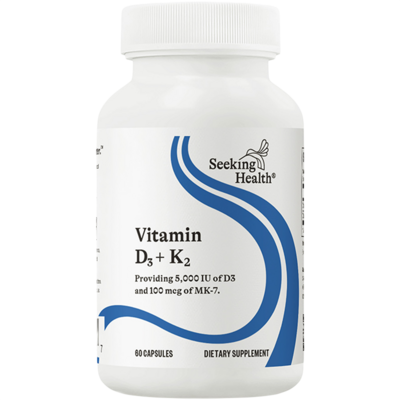 4 more items in Back to School
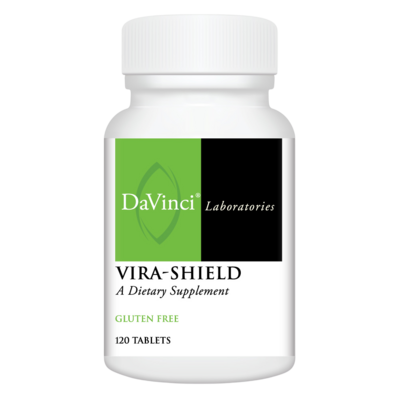
Back to School options to keep you and the kids from getting sick! Here are my top products to boost the immune system and kill off germs. If you have any questions feel free to shoot me a text! (303)915-2982 (PS. these are pill OR liquid options)
Seasonal Allergy Support
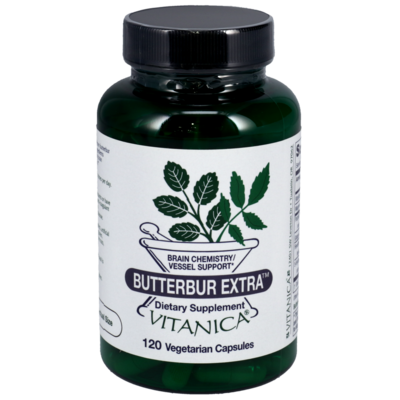
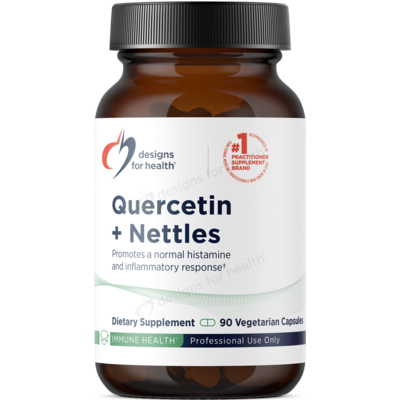
Overview Symptoms of seasonal allergies often prompt individuals to seek alternatives to conventional treatments like antihistamines and corticosteroids, which may carry unwanted side effects such as sedation. Certain supplements, including probiotics, butterbur, quercetin, and stinging nettle, have emerged as promising natural options for potentially managing allergy symptoms. ( Luo 2022 )( Schapowal 2002 )( Schapowal 2005 )( Bakhshaee 2017 )( Yamada 2022 ) Integrating these supplements into a wellness plan provides individuals with allergic rhinitis a potential alternative or adjunct to traditional therapies, aiming for comprehensive relief while minimizing adverse effects. The ingredients present in the protocol below reflect research findings that demonstrate efficacy when used prophylactically and therapeutically to support individuals experiencing symptoms of seasonal allergies. Probiotics Probiotics ~10 billion CFU per day ( Luo 2022 ) A 2022 meta-analysis of 28 studies revealed that probiotics significantly alleviated allergic rhinitis symptoms, improved Rhinoconjunctivitis Quality of Life Questionnaire scores, and increased the T helper cell 1 (TH1) to T helper 2 (Th2) ratio, but did not lead to significant changes in overall or specific IgE levels compared to the control group. ( Luo 2022 ) Another meta-analysis of 22 randomized, double-blind, placebo-controlled studies indicated significant clinical benefits of probiotics, particularly with Lactobacillus paracasei strains, showing improvements in symptoms, quality of life scores, and immunologic parameters, with notable reductions in nasal and ocular symptoms and improvement in TH1/TH2 ratio compared to placebo. ( Güvenç 2016 ) Probiotics containing Lactobacillus and Bifidobacterium may prevent allergy recurrences, reduce symptom severity, and enhance the quality of life in allergic rhinitis patients by modulating the immune system through the induction of cytokine production, leading to a dominant TH1 response and balancing the TH1/TH2 ratio. ( Nogueira 2011 ) Butterbur Petasites officinalis (butterbur) 8 mg eremophilan type sesquiterpenes (petasin) 3–4 times per day for 2 weeks ( Schapowal 2002 )( Schapowal 2005 ) One study demonstrated that butterbur and cetirizine were equally effective in improving SF-36 scores and global improvement scores on the clinical global impression scale, with both treatments being well tolerated. However, in the cetirizine group, most reported adverse events were associated with sedative effects, suggesting that butterbur may be a suitable alternative for seasonal allergic rhinitis treatment when avoiding sedative effects is necessary. ( Schapowal 2002 ) In another study, butterbur Ze339 was shown to be an effective and well-tolerated treatment for intermittent allergic rhinitis in a dose-dependent manner. The best results were seen in the high-dose group, which received one tablet containing 8 mg of total petasin three times daily, versus the low-dose group receiving one tablet twice daily. ( Schapowal 2004 ) Butterbur extract was significantly more effective than placebo in alleviating symptoms of intermittent allergic rhinitis. Notably, Butterbur Ze 339 was as efficacious as fexofenadine, an antihistamine. ( Schapowal 2005 ) Quercetin and Stinging Nettle Quercetin and Urtica dioica (stinging nettle) Quercetin: 200 mg per day minimum for at least 8 weeks ( Yamada 2022 ); Stinging nettle: 150 mg per day for at least 1 month ( Bakhshaee 2017 ) Quercetin may be helpful for relieving the symptoms of pollen allergies, including itchy eyes, sneezing, runny nose, and sleep issues. ( Yamada 2022 ) In one study investigating the effects of enzymatically modified isoquercitrin (EMIQ), the group taking EMIQ consistently had significantly lower ocular symptom and medication scores compared to the placebo group. Notably, during weeks five through six, ocular symptoms and congestion scores were significantly reduced. ( Hirano 2009 ) In a randomized, double-blind, placebo-controlled trial, the total ocular and ocular itching scores for the EMIQ group were significantly lower compared to the placebo group. ( Kawai 2009 ) One study aimed to assess the efficacy of Urtica dioica in managing allergic rhinitis symptoms through a randomized trial demonstrated that stinging nettle has positive effects in the management of allergic rhinitis. ( Bakhshaee 2017 ) In a double-blind. randomized study involving 98 participants with allergic rhinitis, Urtica dioica showed higher global assessment ratings compared to placebo, although only slightly higher ratings were observed in daily symptom diaries. ( Mittman 1990 ) Evidence rating The following protocols were developed using only a,b,c -quality evidence Learn more about our rating scale References Bakhshaee, M., Ah, M. P., Esmaeili, M., F, J. A., G, A. T., Salehi, M., & M, N. M. (2017). Efficacy of Supportive Therapy of Allergic Rhinitis by Stinging Nettle (Urtica dioica) root extract: a Randomized, Double-Blind, Placebo-Controlled, Clinical Trial. PubMed , 16 (Suppl), 112–118. Güvenç, İ. A., Muluk, N. B., Mutlu, F., Eskı, E., Altıntoprak, N., Öktemer, T., & Cingi, C. (2016). Do Probiotics have a role in the Treatment of Allergic Rhinitis? A Comprehensive Systematic Review and Metaanalysis. American Journal of Rhinology & Allergy , 30 (5), e157–e175. Hirano, T., Kawai, M., Arimitsu, J., Ogawa, M., Kuwahara, Y., Hagihara, K., Shima, Y., Narazaki, M., Ogata, A., Koyanagi, M., Kai, T., Shimizu, R., Moriwaki, M., Suzuki, Y., Ogino, S., Kawase, I., & Tanaka, T. (2009). Preventative effect of a flavonoid, enzymatically modified isoquercitrin on ocular symptoms of Japanese cedar pollinosis. Allergology International , 58 (3), 373–382. Kawai, M., Hirano, T., Arimitsu, J., Higa, S., Kuwahara, Y., Hagihara, K., Shima, Y., Narazaki, M., Ogata, A., Koyanagi, M., Kai, T., Shimizu, R., Moriwaki, M., Suzuki, Y., Ogino, S., Kawase, I., & Tanaka, T. (2009). Effect of enzymatically modified isoquercitrin, a flavonoid, on symptoms of Japanese cedar pollinosis: a randomized Double-Blind Placebo-Controlled trial. International Archives of Allergy and Immunology , 149 (4), 359–368. Luo, C., Peng, S., Li, M., Ao, X., & Liu, Z. (2022). The Efficacy and Safety of Probiotics for Allergic Rhinitis: A Systematic Review and Meta-Analysis. Frontiers in Immunology , 13 . Mittman, P. (1990). Randomized, Double-Blind Study of Freeze-Dried Urtica dioicain the Treatment of Allergic Rhinitis. Planta Medica , 56 (01), 44–47. Nogueira, J. C. R., & Da Conceição Rodrigues Gonçalves, M. (2011). Uso de probióticos na rinite alérgica. Brazilian Journal of Otorhinolaryngology , 77 (1), 129–134. Schapowal, A. (2002). Randomised controlled trial of butterbur and cetirizine for treating seasonal allergic rhinitis. The BMJ , 324 (7330), 144. Schapowal, A. (2004). Butterbur ZE339 for the treatment of intermittent allergic rhinitis. Archives of Otolaryngology-head & Neck Surgery , 130 (12), 1381. Schapowal, A. (2005). Treating intermittent allergic rhinitis: a prospective, randomized, placebo and antihistamine‐controlled study of Butterbur extract Ze 339. Phytotherapy Research , 19 (6), 530–537. Yamada, S., Shirai, M., Inaba, Y., & Takara, T. (2022). Effects of repeated oral intake of a quercetin-containing supplement on allergic reaction: a randomized, placebo-controlled, double-blind parallel-group study. DOAJ (DOAJ: Directory of Open Access Journals) , 26 (12), 4331–4345. Disclaimer: Protocols are intended solely as an informational reference tool for practicing health care professionals. The content provided is not intended to be for medical diagnosis or treatment, is not a substitute for your professional judgment, and is not meant to provide you medical or professional advice. You should evaluate and independently confirm the appropriateness of the content provided, including verifying uses, dosages, warnings and contraindications on product labels, and rely on your experience and judgment and other available resources when applying the provided content to an actual client care situation. While content has been obtained from sources believed to be reliable, we cannot and do not guarantee the accuracy, validity, timeliness or completeness of the content. We make no representation or warranty, express or implied, including, without limitation, any warranty of merchantability or of fitness for a particular purpose, and you assume full responsibility for the use of the content and products, and agree that Fullscript and its content providers are not responsible or liable for any claim, loss, injury or damage arising from your use of the information. Statements regarding dietary and other health care supplements have not been evaluated by the FDA, and are not intended to diagnose, treat, cure, or prevent any disease.
Magnesium
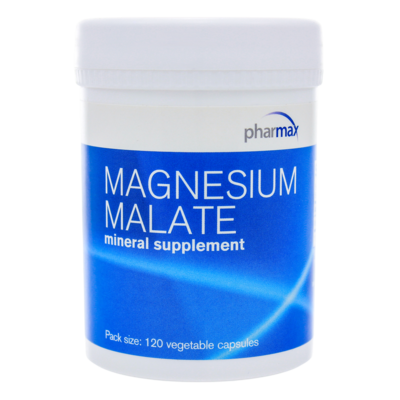 4 more items in Magnesium
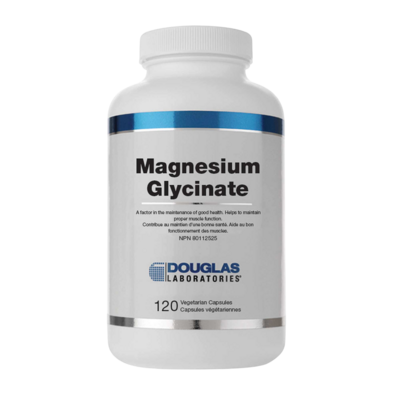
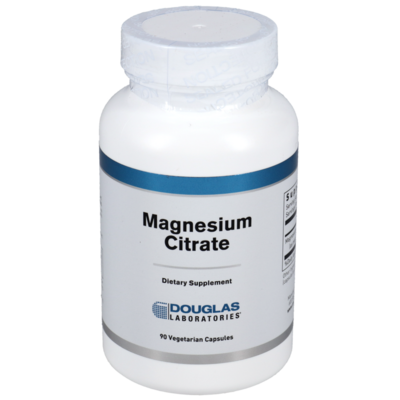
Magnesium 10 Interesting Types of Magnesium (and What to Use Each For) Magnesium is the fourth most abundant mineral in your body. It’s involved in over 300 metabolic reactions that are essential for human health, including energy production, blood pressure regulation, nerve signal transmission, and muscle contraction. Interestingly, low levels are linked to a variety of illnesses, such as type 2 diabetes, heart disease, mood disorders, and migraines. Although this mineral is present in many whole foods like green leafy vegetables, legumes, nuts, and seeds, up to two-thirds of people in the Western world don’t meet their magnesium needs with diet alone To boost intake, many people turn to supplements. However, as multiple varieties of supplemental magnesium exist, it can be difficult to know which one is most appropriate for your needs. This article reviews 10 various forms of magnesium, as well as their uses. 1. Magnesium citrate Magnesium citrate is a form of magnesium that’s bound with citric acid. This acid is found naturally in citrus fruits and gives them their tart, sour flavor. Artificially produced citric acid is often used as a preservative and flavor enhancer in the food industry . Magnesium citrate is one of the most common magnesium formulations and can be easily purchased online or in stores worldwide. Some research suggests that this type is among the most bioavailable forms of magnesium, meaning that it’s more easily absorbed in your digestive tract than other forms It’s typically taken orally to replenish low magnesium levels. Due to its natural laxative effect, it’s also sometimes used at higher doses to treat constipation. What’s more, it’s occasionally marketed as a calming agent to help relieve symptoms associated with depression and anxiety, but more research is needed on these uses. SUMMARY Magnesium citrate is one of the most popular types of magnesium supplements and easily absorbed by your body. It’s mainly used to raise magnesium levels and treat constipation. 2. Magnesium oxide Magnesium oxide is a salt that combines magnesium and oxygen. It naturally forms a white, powdery substance and may be sold in powder or capsule form. This type isn’t typically used to prevent or treat magnesium deficiencies, as some studies report that it’s poorly absorbed by your digestive tract. Instead, it’s more frequently used for short-term relief of uncomfortable digestive symptoms, such as heartburn , indigestion, and constipation. It may also be used to treat and prevent migraines. SUMMARY Magnesium oxide is often used to relieve digestive complaints like heartburn and constipation. Given that the body doesn’t absorb it well, it isn’t a good choice for those who need to raise their magnesium levels. 3. Magnesium chloride Magnesium chloride is a magnesium salt that includes chlorine — an unstable element that binds well with other elements, including sodium and magnesium, to form salts. It’s well absorbed in your digestive tract, making it a great multi-purpose supplement. You can use it to treat low magnesium levels, heartburn, and constipation. Magnesium chloride is most frequently taken in capsule or tablet form but also sometimes used in topical products like lotions and ointments. Although people use these skin creams to soothe and relax sore muscles, little scientific evidence links them to improved magnesium levels. SUMMARY Magnesium chloride is easily absorbed orally and used to treat heartburn, constipation, and low magnesium levels. Also, applying it topically may help relieve muscle soreness but not boost your magnesium levels. 4. Magnesium lactate Magnesium lactate is the salt formed when magnesium binds with lactic acid. This acid is not only produced by your muscle and blood cells but also manufactured for use as a preservative and flavoring agent. Indeed, magnesium lactate is utilized as a food additive to regulate acidity and fortify foods and beverages. It’s less popular as an over-the-counter dietary supplement. Magnesium lactate is easily absorbed and may be a little gentler on your digestive system than other types. This is particularly significant for people who need to take large doses of magnesium regularly or don’t easily tolerate other forms. In a study in 28 people with a rare condition that required high doses of magnesium daily, those who took a slow-release tablet of magnesium lactate had fewer digestive side effects than the control group. A few small studies likewise reveal that this form may help treat stress and anxiety , but more research is needed. SUMMARY Magnesium lactate is effective as a dietary supplement and possibly gentler on your digestive system. It may be more suitable for those who don’t tolerate other forms or need to take especially large doses. 5. Magnesium malate Magnesium malate includes malic acid, which occurs naturally in foods like fruit and wine. This acid has a sour taste and is often used as a food additive to enhance flavor or add acidity. Research suggests that magnesium malate is very well absorbed in your digestive tract, making it a great option for replenishing your magnesium levels. Some people report that it’s gentler on your system and may have less of a laxative effect than other types. This may be beneficial, depending on your specific needs. Magnesium malate is occasionally recommended as a treatment for symptoms associated with fibromyalgia and chronic fatigue syndrome. However, there’s currently no strong scientific evidence to support these uses. SUMMARY Magnesium malate is easily absorbed and may have less of a laxative effect than other forms. It’s occasionally recommended for chronic conditions like fibromyalgia, but no current scientific evidence supports this. 6. Magnesium taurate Magnesium taurate contains the amino acid taurine . Research suggests that adequate intakes of taurine and magnesium play a role in regulating blood sugar. Thus, this particular form may promote healthy blood sugar levels. Magnesium and taurine also support healthy blood pressure. A recent animal study revealed that magnesium taurate significantly reduced blood pressure in rats with high levels, indicating that this form may bolster heart health. Keep in mind that human research is needed. SUMMARY Magnesium taurate may be the best form for managing high blood sugar and high blood pressure, though more studies are necessary. 7. Magnesium L-threonate Magnesium L-threonate is the salt formed from mixing magnesium and threonic acid, a water-soluble substance derived from the metabolic breakdown of vitamin C . This form is easily absorbed. Animal research notes that it may be the most effective type for increasing magnesium concentrations in brain cells. Magnesium L-threonate is often used for its potential brain benefits and may help manage certain brain disorders, such as depression and age-related memory loss. Nonetheless, more research is needed. SUMMARY Magnesium L-threonate may support brain health, potentially aiding the treatment of disorders like depression and memory loss. All the same, further studies are necessary. 8. Magnesium sulfate Magnesium sulfate is formed by combining magnesium, sulfur, and oxygen. It’s commonly referred to as Epsom salt. It’s white with a texture similar to that of table salt. It can be consumed as a treatment for constipation, but it's unpleasant taste leads many people to choose an alternative form for digestive support. Magnesium sulfate is frequently dissolved in bathwater to soothe sore, achy muscles and relieve stress. It’s also sometimes included in skin care products, such as lotion or body oil. Although adequate magnesium levels can play a role in muscle relaxation and stress relief, there’s very little evidence to suggest that this form is well absorbed through your skin. SUMMARY Magnesium sulfate, or Epsom salt, is frequently dissolved in water to treat stress and sore muscles. However, very little evidence supports these uses. 9. Magnesium glycinate Magnesium glycinate is formed from elemental magnesium and the amino acid glycine. Your body employs this amino acid in protein construction. It also occurs in many protein-rich foods, such as fish, meat, dairy, and legumes. Glycine is often used as a standalone dietary supplement to improve sleep and treat a variety of inflammatory conditions, including heart disease and diabetes. Magnesium glycinate is easily absorbed and may have calming properties. It may help reduce anxiety, depression, stress, and insomnia. Yet, scientific evidence on these uses is limited, so more studies are needed. SUMMARY Magnesium glycinate is often used for its calming effects to treat anxiety, depression, and insomnia. However, research supporting its efficacy for such conditions is limited. 10. Magnesium orotate Magnesium orotate includes orotic acid, a natural substance involved in your body’s construction of genetic material, including DNA. It’s easily absorbed and doesn’t have the strong laxative effects characteristic of other forms. Early research suggests that it may promote heart health due to orotic acid’s unique role in the energy production pathways in your heart and blood vessel tissue. As such, it’s popular among competitive athletes and fitness enthusiasts, but it may also aid people with heart disease. One study in 79 people with severe congestive heart failure found that magnesium orotate supplements were significantly more effective for symptom management and survival than a placebo. Yet, this form is significantly more expensive than other magnesium supplements. Based on the limited evidence available, its benefits don’t justify its cost for many people. SUMMARY Magnesium orotate may bolster heart health by improving energy production in your heart and blood vessel tissue. Should you take a magnesium supplement? If you don’t have low magnesium levels, no evidence suggests that taking a supplement will provide any measurable benefit. Yet, if you are deficient, obtaining this mineral from whole foods is always the best initial strategy. Magnesium is present in a variety of foods, including: Legumes: black beans, edamame Vegetables: spinach, kale, avocado Nuts: almonds, peanuts, cashews Whole grains: oatmeal, whole wheat Others: dark chocolate However, if you’re unable to get enough magnesium from your diet, a supplement may be worth considering. Certain populations may be at a greater risk of deficiency, including older adults and people with type 2 diabetes, digestive disorders, and alcohol dependence. Dosage and possible side effects The average recommended daily amount of magnesium is 320 mg for women and 420 mg for men. The amounts in different supplement formulations may vary, so check the label to ensure you’re taking the most appropriate dose. Magnesium supplements are generally considered safe for most people. Once you’ve reached adequate levels, your body will excrete any excess in your urine. However, certain forms or excessive doses may cause mild symptoms like diarrhea or upset stomach. Although rare, magnesium toxicity can occur. If you have kidney disease or consume very large doses of this mineral, you may be at a greater risk. Signs of toxicity include nausea, vomiting, diarrhea, muscle weakness, irregular breathing, lethargy, and urinary retention. It’s always a good idea to consult your healthcare provider before adding any dietary supplements to your routine. SUMMARY Most adults need 320–420 mg of magnesium per day. If you’re unable to meet your needs from your diet, a supplement may be warranted. They’re widely considered safe, but you may want to talk to a health professional before starting. The bottom line Magnesium plays a vital role in human health. Low levels are linked to numerous adverse effects, including depression, heart disease, and diabetes. As such, you may want to consider supplements if you’re not getting enough of this mineral in your diet. Many forms exist, some of which may help relieve heartburn, constipation, and other ailments. If you’re not sure which one is right for you, consult your healthcare provider.
Mono
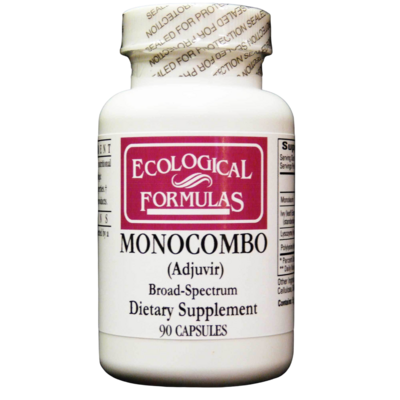
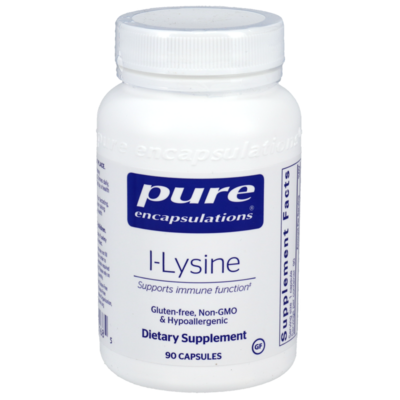
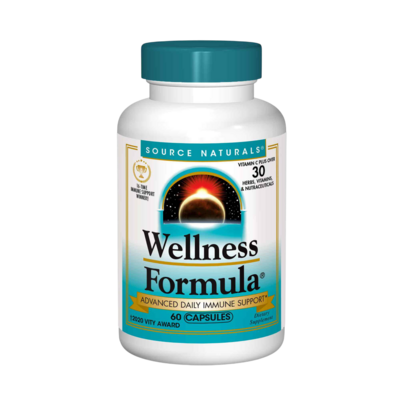
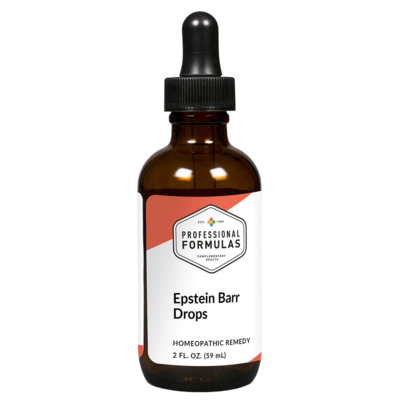
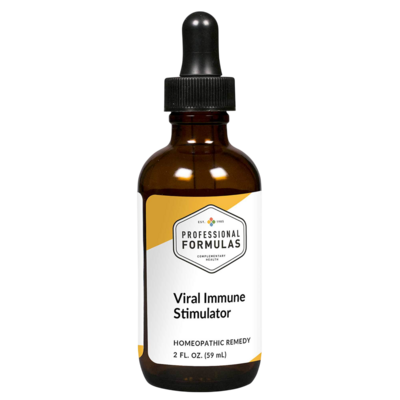
A virus in simple words? A virus is an infectious microbe consisting of a segment of nucleic acid (either DNA or RNA) surrounded by a protein coat . A virus cannot replicate alone; instead, it must infect cells and use components of the host cell to make copies of itself. Here are foods to help kill off viruses. Eat 2-3 a day during the cleanse. Lemongrass, Cranberries, Onion, Prunes, Plums, Strawberries, Cayenne, Clove Oil, Oregano Immune system support Supplements: Vitamin D, Zinc, L-lysine and Vitamin C Herbs to support: Elderberry, Astragalus, Mullein, Ginseng, and Eucalyptus Homeopathics: Viral Detox or Epstein Barr Drops 10 drop 2-3x a day
Bulls: S is for Skin
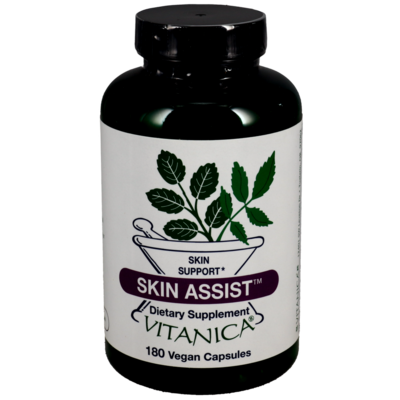
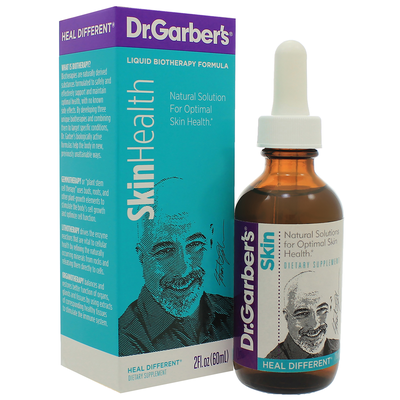
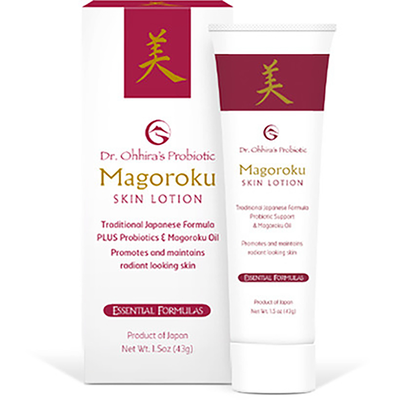
Please feel free to schedule a consult with me if you feel you need more guidance. Sarah Regan www.scopewellness.com
Bulls: Lymph / liver
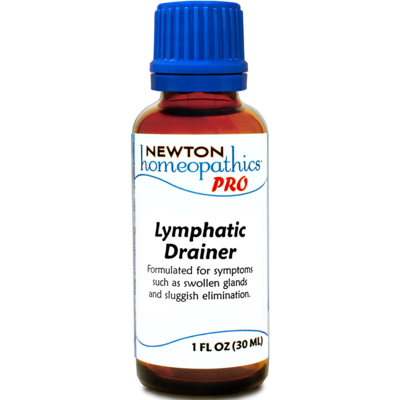
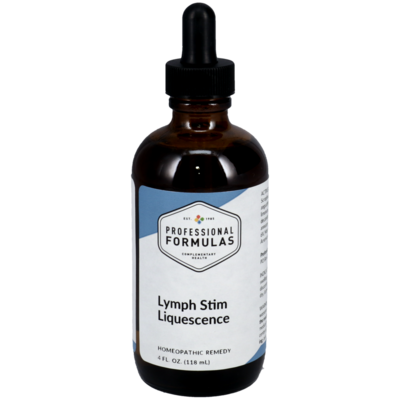
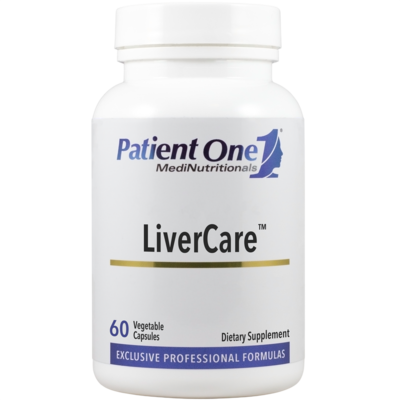
Please feel free to schedule a consult with me if you feel you need more guidance. Sarah Regan www.scopewellness.com
Shop the entire wellness catalog, held to a higher standard
Shop practitioner-grade products, each meeting the same bar for quality through Fullscript's standards.
Powered byVerified
Sourced straight from the brand — no resellers or fakes
Enhanced testing
Select products are tested in-house — get exactly what the label promises
Stored and shipped
From certified facilities, to protect product integrity