
Reclaim Power Telehealth's Dispensary
Welcome! Through Fullscript, Reclaim Power Telehealth's Dispensary offers high-quality supplements and wellness products, delivered right to your door. Get started with the recommended products from Reclaim Power Telehealth's Dispensary, or sign in/up to explore the entire product catalog.
Up to 35% off your order when you sign up*
Shop the highest quality, rigorously tested supplements
Fast and free shipping for orders over $50
*Discounts may vary by order. Labs and select products not eligible
Existing account? Log in here
Featured public protocols
Reclaim Power Telehealth's Dispensary's general recommendations, available to anyone who visits this store.
Hormone Support: Perimenopause & Menopause
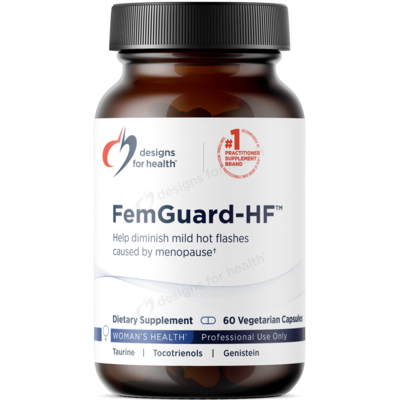
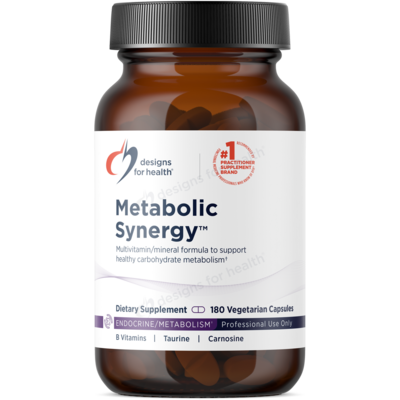
 3 more items in Hormone Support: Perimenopause & Menopause
Most women picture hot flashes at 51. What surprises people is that the years leading up to it often feel worst — and that stretch can run a few years while cycles get unpredictable. Estrogen and progesterone don't decline in a tidy line. They fluctuate, sometimes sharply, before they drop. That's why symptoms feel so inconsistent: fine for three weeks, then a night of drenching sweats and a 4 AM wake-up you can't explain. Estrogen protects bone. The years around menopause are when loss speeds up, which makes this the window where strength training and a bone density scan stop being optional. This protocol supports hot flashes and night sweats, sleep, mood, stress resilience, and bone health. Best for: women with irregular cycles, hot flashes, night sweats, disrupted sleep, or mood changes — in the transition or through it. What matters alongside it: strength and weight-bearing exercise most days. A Mediterranean-style pattern with real plant food. Finding your own triggers — commonly alcohol, caffeine, hot drinks, spicy food. Protecting sleep. Before you start: If you take an SSRI or SNRI, do not take 5-HTP without clearing it with your prescriber — that combination carries a real risk of serotonin syndrome. The same caution applies to GABA if you take a benzodiazepine.
Seasonal Immune Support
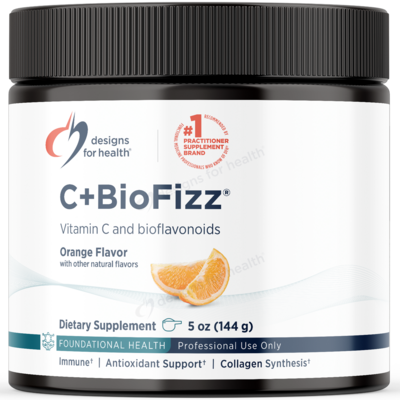
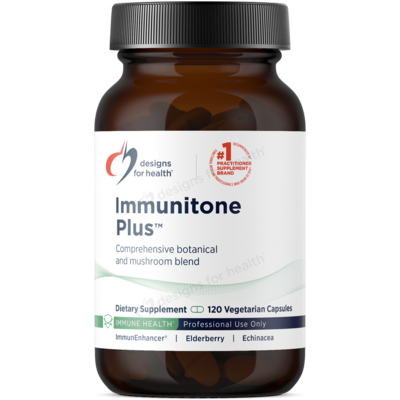
 3 more items in Seasonal Immune Support
The useful window is narrower than most people think. Immune support works best as something you already have in the cabinet, not something you order on day three of feeling awful. By the time symptoms are in full swing, your immune system is already fully engaged — support at that point does less than support at the first scratchy throat. So the practical approach: keep it on hand, start at the first sign, and pair it with the things that matter more than any of it. Sleep, which is when most of the immune work happens. Fluids. Actually resting instead of pushing through. This protocol provides vitamin C and botanical and nutrient support for healthy immune function. Best for: keeping on hand through the fall and winter months, and for people who want support at the first sign of feeling run down. Before you start: Nothing here treats an infection. If you're getting sicker instead of better, get evaluated. Go now, not later, for: difficulty breathing or shortness of breath, chest pain or pressure, confusion, a fever that won't come down or lasts more than a few days, symptoms that improve and then sharply worsen, or dehydration. Those need care, not supplements. Several of these support immune activity. If you have an autoimmune condition or take an immunosuppressant — including after a transplant — talk to your prescriber before using them. Skip if pregnant or nursing. These are formulated for adults; don't give them to children without pediatric guidance. And if you're on prescription medication, have your pharmacist check the list. If you have a condition where infections turn serious quickly — diabetes, lung disease, immune suppression, or you're over 65 — call your clinician early rather than waiting to see how it goes.
Healthy Aging Support


 5 more items in Healthy Aging Support
Aging well isn't one process. It's several running at once, and they don't all decline on the same schedule. Three of them show up in almost every serious conversation about it. Muscle. After about 40, muscle gets harder to build and easier to lose, and the same protein that worked at 30 doesn't get the same response. Muscle isn't only about strength — it's where you handle glucose, and it's the single best predictor of staying independent later. Cellular energy. Your cells run on a molecule called NAD, and levels drop with age. Less NAD means less capacity to produce energy and repair damage. Cells that stop working but don't clear out. Aging tissue accumulates cells that have stopped dividing and stopped doing their job, while still releasing inflammatory signals. They're a growing focus of research into why aging tissue becomes inflamed. This protocol supports muscle maintenance, cellular energy production, and healthy aging at the cellular level. Best for: adults over 40 focused on long-term healthy aging, particularly maintaining muscle and strength over time. What actually moves the needle, and it isn't close: strength training two to three times a week. Enough protein, spread through the day. Sleep. Not smoking. Staying socially connected. Every one of those has more evidence behind it than any supplement in existence, including these. Supplements go around that foundation, not instead of it. Before you start: If you take a blood thinner, talk to your prescriber — several compounds in this category affect clotting and drug metabolism. If you have a history of cancer or are in treatment, discuss NAD-supporting supplements with your oncologist first; the research there is genuinely unsettled. Skip if pregnant or nursing. And if you take prescription medication of any kind, have your pharmacist check the full list, since this is a multi-product stack.
Cardiovascular & Circulation Support

 2 more items in Cardiovascular & Circulation Support
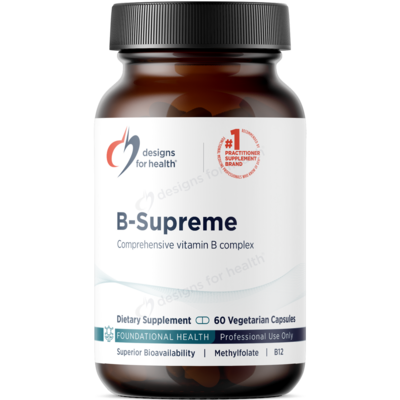
Most cardiovascular conversations stop at cholesterol. That number matters, but it's one piece of a larger picture — and it's not the piece most people can feel. Two others deserve more attention. Nitric oxide. It's the signal that tells your blood vessels to relax and open. Production drops with age, and it starts somewhere unexpected: the bacteria in your mouth do part of the conversion. Antiseptic mouthwash can interrupt that step, which is a small detail with a real effect. The endothelial glycocalyx. This is the thin protective lining on the inside of your blood vessels — the surface where everything actually happens. It's easy to overlook because you can't measure it on a standard panel, and it takes damage before anything shows up on one. There's also the methylation side. B vitamins in their active forms support homocysteine metabolism, which is a routine part of a thorough cardiovascular workup and often skipped. And CoQ10 supports the mitochondrial energy production your heart muscle runs on continuously. This protocol supports circulation, blood vessel health, and cardiovascular function. Best for: adults focused on long-term cardiovascular health and healthy circulation, alongside — not instead of — regular care. What matters most: aerobic exercise, consistently. Strength training. Sleep. Blood pressure checked at home, not once a year at an appointment. Knowing your numbers — full lipid panel, ApoB, Lp(a) at least once, homocysteine, hs-CRP. Before you start: This does not replace prescribed cardiovascular medication, and nothing here should be substituted for a medication you're currently on. If you take a blood thinner such as warfarin, clear CoQ10 with your prescriber — it can interfere with how the drug works. If you take blood pressure medication or nitrates, talk to your prescriber before adding nitric oxide support, since the combination can drop blood pressure further than intended. Chest pain, pressure, shortness of breath, or new swelling in your legs are reasons to be seen, not reasons to start a supplement.
Sleep support


 6 more items in Sleep support
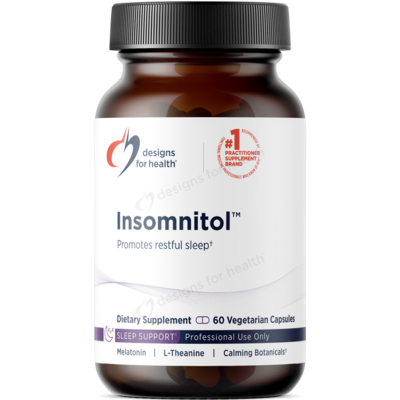
Sleep complaints don't all have the same cause, which is why the same product works beautifully for one person and does nothing for the next. Three patterns show up most: You can't fall asleep. You get in bed and your brain decides this is the ideal moment to review the week. The problem is the shutting-off, not the sleep itself. You fall asleep fine and wake at 3 AM. Often with your mind already running. This one usually tracks back to stress physiology — cortisol rising too early, wakefulness signals that never fully quieted. You sleep the whole night and wake up unrestored. Eight hours in bed, still exhausted. This is the pattern most likely to be something other than a sleep problem. Which one you're in matters more than which supplement you pick. Racing thoughts respond to different support than early waking does, and neither responds much to more melatonin. This protocol supports falling asleep, staying asleep, nervous system calm, and healthy circadian rhythm. Best for: trouble winding down at night, stress-related waking, or nighttime tension — in someone who has already worked on the basics. The basics, since they genuinely outperform supplements: a consistent wake time, including weekends. Light in your eyes early in the day, less of it in the two hours before bed. Alcohol out — it puts you to sleep and then fragments the second half of the night. Caffeine with a real cutoff, since it's still working on you eight hours later. A cool, dark room. If you've had trouble sleeping for months, CBT-I — cognitive behavioral therapy for insomnia — is the first-line treatment and it outperforms both supplements and sleep medication. Worth pursuing before or alongside anything here. Before you start: Loud snoring, gasping, pauses in breathing, or waking unrefreshed no matter how long you sleep can point to sleep apnea, which needs testing rather than supplements. Restless, crawling sensations in your legs at night deserve a workup too, including iron studies. If you take an SSRI or SNRI, do not take 5-HTP without clearing it with your prescriber — that combination carries a real risk of serotonin syndrome. Several of these contain melatonin, so check labels rather than stacking. Don't combine with prescription sleep medication or benzodiazepines without talking to your prescriber, and skip them entirely if you're pregnant or nursing.
Histamine & Seasonal Allergy Support


 2 more items in Histamine & Seasonal Allergy Support
If your allergies get a little worse every year, there's a reason that isn't just "more pollen." Mast cells are immune cells stationed in the places where your body meets the outside world — skin, sinuses, lungs, gut. When they detect something they don't like, they release histamine and other inflammatory signals. That's a good system. It stops being helpful when those cells get triggered too easily. The useful way to think about it is a bucket. Pollen goes in the bucket. So does gut inflammation, poor sleep, chronic stress, alcohol, high-histamine foods, mold exposure, strong fragrances and cleaning chemicals. If your bucket is already three-quarters full by March, it doesn't take much pollen to overflow it. That's why the picture often looks bigger than allergies. Headaches, flushing, sudden food reactions, itchy skin, brain fog, fatigue — those aren't separate problems. They're the same bucket overflowing. And it's why lowering the baseline matters as much as blocking the histamine. If you can bring the level down before the season starts, the pollen has more room to land. This protocol supports mast cell stability, healthy histamine metabolism, and a balanced inflammatory response. Best for: anyone whose seasonal allergies have been getting worse year over year, or who reacts to aged cheese, wine, leftovers, and fermented foods. What lowers the bucket: starting four to six weeks before your season instead of after it hits. Cutting back on the big histamine contributors during peak weeks — alcohol, aged cheese, fermented foods, cured meats, and leftovers that have been sitting. Working on sleep and stress, which sound unrelated and are not. Reducing fragrance and chemical exposure at home where it's easy to. Before you start: If you have known food or environmental anaphylaxis, keep your epinephrine and your allergy plan exactly as they are — nothing here replaces either. Flushing, dizziness, throat tightness, or a racing heart after eating needs urgent evaluation, not a supplement. And if this pattern is severe or year-round, it's worth a workup with a clinician rather than managing it alone, since mast cell disorders, thyroid disease, and mold exposure all deserve an actual diagnosis.
Trang Ca Laube
Shop the entire wellness catalog, held to a higher standard
Shop practitioner-grade products, each meeting the same bar for quality through Fullscript's standards.
Powered byVerified
Sourced straight from the brand — no resellers or fakes
Enhanced testing
Select products are tested in-house — get exactly what the label promises
Stored and shipped
From certified facilities, to protect product integrity