
Aslan Health, LLC
Welcome! Through Fullscript, Aslan Health, LLC offers high-quality supplements and wellness products, delivered right to your door. Get started with the recommended products from Aslan Health, LLC, or sign in/up to explore the entire product catalog.
Up to 25% off your order when you sign up*
Shop the highest quality, rigorously tested supplements
Fast and free shipping for orders over $50
*Discounts may vary by order. Labs and select products not eligible
Existing account? Log in here
Featured public protocols
Aslan Health, LLC's general recommendations, available to anyone who visits this store.
IBS- Constipation
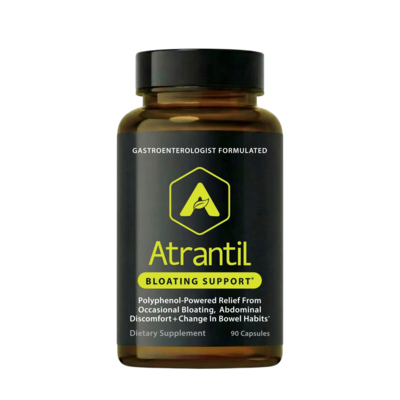
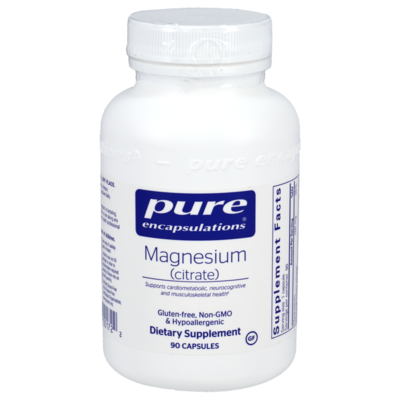
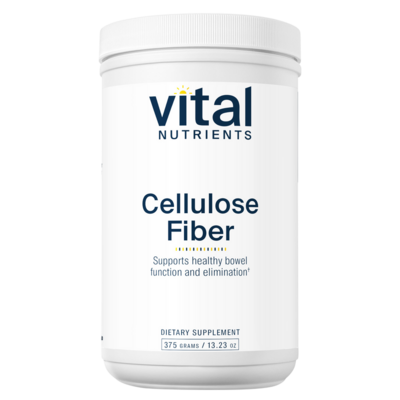 3 more items in IBS- Constipation
You have selected the Irritable Bowel with Constipation Protocol. I am looking forward to assisting you on your journey toward better health. Attached are the products I think will be best suited to help you as you progress. Please follow the instructions and follow up if you have any questions. Healthy, Happy, Healing! Dr. Michael Hauman Aslan Health, LLC www.aslanhealth.com Constipation-Predominant Irritable Bowel Syndrome (IBS-C) Constipation-predominant irritable bowel syndrome (IBS-C) is a subtype of irritable bowel syndrome (IBS) that leads to abdominal pain, bloating, and straining. The exact causes are unknown, but research suggests that multiple factors — such as the gut-brain axis, abnormal muscular contractions, gut microbes, and genetics — could play a role in the disease. IBS-C can be managed with dietary modifications, supplements, and prescription medications. Constipation-Predominant Irritable Bowel Syndrome (IBS-C) — What is IBS-C? IBS-C is a subtype of IBS characterized by abdominal pain, bloating, and straining to pass stool. Approximately one-third of IBS sufferers have IBS-C, and women are much more likely than men to fit the criteria of IBS-C. [1] IBS-C is associated with anxiety, but unlike IBS-D, it isn’t linked to depression. [2] Constipation-Predominant Irritable Bowel Syndrome (IBS-C) — What are the main signs and symptoms of IBS-C? IBS-C shares some symptoms — including abdominal pain and bloating — with the other IBS subtypes, but in IBS-C, constipation is the most common bowel habit, and people with IBS-C also often report straining to pass stool. Symptoms often temporarily subside after a bowel movement. [3][1] Constipation-Predominant Irritable Bowel Syndrome (IBS-C) — How is IBS-C diagnosed? There is no test to diagnose IBS-C, so doctors often use blood and stool tests to rule out other diseases before reaching an IBS-C diagnosis. Rome IV criteria can be used to diagnose IBS-C based on the proportion of bowel movements rated as constipation compared to those rated as normal. [4] Symptoms need to occur at least once per week for at least three months to be considered IBS. [5] Constipation-Predominant Irritable Bowel Syndrome (IBS-C) — What are some of the main medical treatments for IBS-C? Medications for IBS-C include osmotic laxatives and guanylate cyclase-c agonists, both of which can increase water retention in the bowel and stimulate intestinal motility. Antidepressants and antispasmodics may also be used to reduce abdominal pain. [5] There’s some evidence that methane could slow intestinal transit, and antibiotic treatment of methane-positive small-intestinal bacterial overgrowth (SIBO) improved constipation in a small number of studies. [6] Constipation-Predominant Irritable Bowel Syndrome (IBS-C) — Have any supplements been studied for IBS-C? A number of probiotic strains have been shown to reduce abdominal pain, bloating, and intestinal transit time while improving stool consistency. However, the effects appear to be temporary, with most benefits seen around six to eight weeks of supplementation even though some participants continued to take the probiotics for twelve weeks. [7][1] I have included my favorite and most effective products in this protocol. I also recommend over-the-counter fiber supplements if increasing dietary fiber doesn't help. Psyllium husk appears to be effective for normalizing stool in both IBS-C and IBS-D. [8] Additionally, peppermint oil can ease IBS-associated abdominal pain. [5] One study found that a traditional Persian blend of herbal extracts had a laxative effect greater than placebo; interestingly, the British Pharmacopoeia simple syrup used to compound the blend, which served as placebo, itself also had a noticeable laxative effect. [9] This could be due to the high concentration of sugar causing water retention in the intestine and easing stool transit. Flixweed ( Descurainia sophia ), a common weed also known as tansy mustard, was as effective as figs for improving pain, distension, and bowel movement frequency. [10] Constipation-Predominant Irritable Bowel Syndrome (IBS-C) — How could diet affect IBS-C? Although a low-FODMAP diet isn’t recommended for IBS-C, some people with IBS-C report greater abdominal distension after eating foods high in FODMAPs. Dietary fiber is only weakly associated with bloating or distention after eating. [11] Both kiwis and dried, rehydrated figs have been shown to improve IBS-C symptoms at reasonable serving sizes of two kiwis per day or 45 grams of dried figs twice per day. [12][10] Constipation-Predominant Irritable Bowel Syndrome (IBS-C) — Are there any other treatments for IBS-C? Electroacupuncture — a form of acupuncture that uses electrodes in place of needles — was more effective for constipation and abdominal pain relief compared to sham treatment in a four-week study, but participants were able to use a laxative if they had less than three bowel movements per week. Since the researchers didn’t disclose information about laxative use during the study, it’s unclear whether the improvements were due to the electroacupuncture or the laxative. [13] Although traditional Chinese medicine appears to be as effective as pharmaceutical drugs, most studies are of low quality with a high risk of bias due to a lack of blinding and participant randomization. [14] Constipation-Predominant Irritable Bowel Syndrome (IBS-C) — What causes IBS-C? Though the cause of IBS-C is still unknown, research suggests that multiple factors — such as the gut-brain axis, abnormal muscular contractions, gut microbes, hormones, and genetics — could play a role in the disease. IBS is twice as common in women compared to men, which could be explained, in part, by hormonal changes during the menstrual cycle. [15][5] Some studies have found a higher prevalence of methane-positive small-intestinal bacterial overgrowth (SIBO) in people with IBS-C and other forms of constipation, suggesting that this form of SIBO could be linked to symptoms via excess methane production (which could slow intestinal transit.) However, it’s unclear whether methane production is a cause or consequence of slow transit. [6] References ^ Shang X, E FF, Guo KL, Li YF, Zhao HL, Wang Y, Chen N, Nian T, Yang CQ, Yang KH, Li XX Effectiveness and Safety of Probiotics for Patients with Constipation-Predominant Irritable Bowel Syndrome: A Systematic Review and Meta-Analysis of 10 Randomized Controlled Trials. Nutrients.(2022-Jun-15) ^ Fond G, Loundou A, Hamdani N, Boukouaci W, Dargel A, Oliveira J, Roger M, Tamouza R, Leboyer M, Boyer L Anxiety and depression comorbidities in irritable bowel syndrome (IBS): a systematic review and meta-analysis Eur Arch Psychiatry Clin Neurosci.(2014 Dec) ^ Howell CA, Kemppinen A, Allgar V, Dodd M, Knowles CH, McLaughlin J, Pandya P, Whorwell P, Markaryan E, Yiannakou Y Double-blinded randomised placebo controlled trial of enterosgel (polymethylsiloxane polyhydrate) for the treatment of IBS with diarrhoea (IBS-D). Gut.(2022-Dec) ^ Max J Schmulson, Douglas A Drossman What Is New in Rome IV J Neurogastroenterol Motil.(2017 Apr 30) ^ Irritable Bowel Syndrome: National Institute of Diabetes and Digestive and Kidney Diseases; Bethesda, MD: National Institutes of Health, USA; cited January 2023 ^ Arjun Gandhi, Ayesha Shah, Michael P Jones, Natasha Koloski, Nicholas J Talley, Mark Morrison, Gerald Holtmann Methane positive small intestinal bacterial overgrowth in inflammatory bowel disease and irritable bowel syndrome: A systematic review and meta-analysis Gut Microbes.(Jan-Dec 2021) ^ Yoon JY, Cha JM, Oh JK, Tan PL, Kim SH, Kwak MS, Jeon JW, Shin HP Probiotics Ameliorate Stool Consistency in Patients with Chronic Constipation: A Randomized, Double-Blind, Placebo-Controlled Study. Dig Dis Sci.(2018-Oct) ^ Ford AC, Moayyedi P, Chey WD, Harris LA, Lacy BE, Saito YA, Quigley EMM, ACG Task Force on Management of Irritable Bowel Syndrome American College of Gastroenterology Monograph on Management of Irritable Bowel Syndrome Am J Gastroenterol.(2018 Jun) ^ Pazhouh HK, Hosseini SMA, Taghipour A, Hamedi S, Noras M Anti-irritable Bowel Syndrome Syrup Improves Constipation-Predominant Irritable Bowel Syndrome: A Randomized, Placebo-Controlled Trial. Chin J Integr Med.(2020-Oct) ^ Pourmasoumi M, Ghiasvand R, Darvishi L, Hadi A, Bahreini N, Keshavarzpour Z Comparison and Assessment of Flixweed and Fig Effects on Irritable Bowel Syndrome with Predominant Constipation: A Single-Blind Randomized Clinical Trial. Explore (NY).(2019) ^ Wright-McNaughton M, Ten Bokkel Huinink S, Frampton CMA, McCombie AM, Talley NJ, Skidmore PML, Gearry RB Measuring Diet Intake and Gastrointestinal Symptoms in Irritable Bowel Syndrome: Validation of the Food and Symptom Times Diary. Clin Transl Gastroenterol.(2019-Dec) ^ Bayer SB, Heenan P, Frampton C, Wall CL, Drummond LN, Roy NC, Gearry RB Two Gold Kiwifruit Daily for Effective Treatment of Constipation in Adults-A Randomized Clinical Trial. Nutrients.(2022-Oct-06) ^ Huang Z, Lin Z, Lin C, Chu H, Zheng X, Chen B, Du L, Chen JDZ, Dai N Transcutaneous Electrical Acustimulation Improves Irritable Bowel Syndrome With Constipation by Accelerating Colon Transit and Reducing Rectal Sensation Using Autonomic Mechanisms. Am J Gastroenterol.(2022-Sep-01) ^ Li DY, Dai YK, Zhang YZ, Huang MX, Li RL, Ou-Yang J, Chen WJ, Hu L Systematic review and meta-analysis of traditional Chinese medicine in the treatment of constipation-predominant irritable bowel syndrome. PLoS One.(2017) ^ Adeyemo MA, Spiegel BM, Chang L Meta-analysis: do irritable bowel syndrome symptoms vary between men and women? Aliment Pharmacol Ther.(2010-Sep) This information is not meant to replace advice from any qualified professional. It is intended for educational and informational purposes only.
Healthy Skin
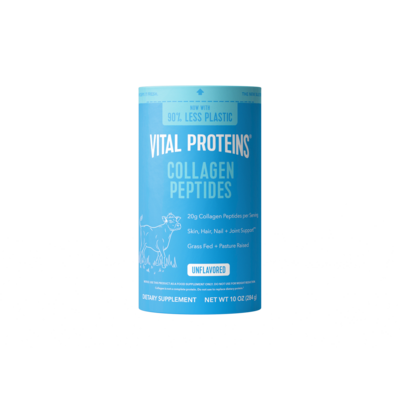
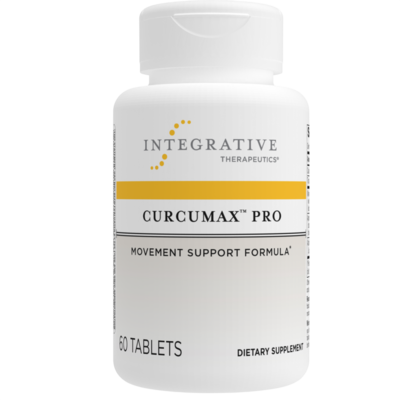
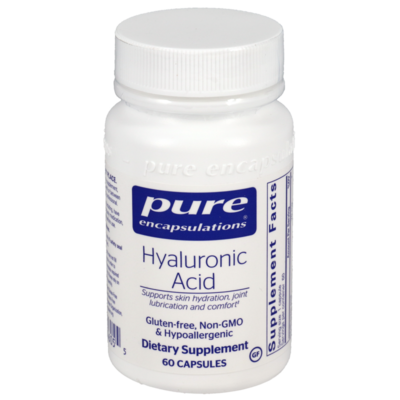 5 more items in Healthy Skin
You have selected the Healthy Skin template. Attached are the products best suited to help you as you progress. Please follow the instructions and follow up if you have any questions. Looking Great! Dr. Michael Hauman Aslan Health, LLC www.aslanhealth.com Skin, Hair, & Nails — Overview Skin, hair, and nails are all part of our integumentary system (i.e., the body’s outer layer), which includes all of the organs (and their appendages) that form the outermost layer of the body. Healthy skin maintains a barrier between the external environment and the inside of the body and is characterized by smoothness, moisture, blemish-free skin, and radiance. A number of treatments (dietary, supplementary, red light therapy, and topical products) have been studied for hair and skin health. Skin, Hair, & Nails — How are skin, hair, and nails related? The integumentary system comprises the organs that form the body's outermost layer. In humans, the integumentary system consists of skin, hair, and nails, which help protect the rest of the body and maintain homeostasis. The outermost layer of skin (the epidermis) is primarily composed of keratinocytes (cells that contain the protein keratin, which holds water and keeps the skin hydrated), and the topmost part of the epidermis is primarily composed of dead keratinocytes. Hair and nails don’t contain any cells but are instead composed of keratin (and other proteins). Alongside its functional role in the integumentary system, it can also play an important aesthetic role. Skin, Hair, & Nails — What problems do skin, hair, and nails have? The most noteworthy skin-related issues that individuals experience are aging, acne, eczema (e.g., atopic dermatitis), and skin cancer. Hair-related issues include hair loss, breaking, and graying. Nail-related issues include brittleness, discoloration, and fungal infections. Age, damage (e.g., physical trauma, exposure to certain chemicals or radiation), oxidative stress, and inflammation can all lead to problems with skin, hair, and nails. [1] Skin, Hair, & Nails — How could diet affect skin, hair, and nails? The integumentary system is complex and requires many nutrients to function correctly. A diet that provides adequate levels of nutrients is important. Notably, protein, certain micronutrients (e.g, cysteine, lysine, iron, vitamin A, vitamin C, B vitamins, zinc, selenium), and essential fatty acids such as omega-6 and omega-3 polyunsaturated fatty acids. [2] Not only are these nutrients necessary for ordinary function, but they also play a role in protection and repair (e.g., in response to UV radiation). Deficiencies in these nutrients may manifest as abnormalities in skin, hair, and nails. [3][1] Skin, Hair, & Nails — Which supplements are of most interest for skin, hair, and nails? If it’s difficult to obtain adequate levels of the nutrients listed above from the diet, supplementing with them may be advisable. [3][1] Additionally, cocoa extract, coconut oil, nicotinamide, and Polypodium leucotomos all show promise as treatments for skin health. I have included my favorites with this protocol. Cysteine, lysine, marine proteins (i.e., extracellular matrix components from sharks and mollusks), procyanidins, pumpkin seed oil, B vitamins, vitamin D, vitamin E derivatives, and zinc have all been studied for hair loss. [4] My favorite for hair loss is red light therapy with the PlatinumLED. See the Aslan Health Red Light series for details. Skin, Hair, & Nails — What other treatments are useful for skin, hair, and nails? There’s quite a bit of research on the topical application of nutrients to the skin and hair. Topically applied retinoids, carotenoids, nicotinamide, vitamin C, and vitamin E have all been studied for their effects on skin health. [1] Topically applied caffeine, capsaicin, curcumin, garlic, melatonin, onion juice, and rosemary oil all show some promise for treating hair loss. [4] Additionally, it’s advisable to use a broad-spectrum sunscreen, even if you aren’t spending much time in the sun. [5] Skin, Hair, & Nails — Why do people tan differently? The Fitzpatrick skin type scale [6] is a method for classifying people’s expected reaction to UVB exposure based on how they respond to sun exposure of about three minimum erythema doses (MEDs), or about 45–60 minutes of noon exposure in northern latitudes (north of Mexico through Oregon) during early summer. Not surprisingly, skin pigmentation plays an important role in determining the Fitzpatrick skin type. There are six categories that a person may fall into, with the first four associated with white skin, the fifth with brown skin, and the sixth with black skin. Skin, Hair, & Nails — Will sunscreen decrease my vitamin D levels? Your body can produce vitamin D when the skin is exposed to UVB rays, [7] Your body can produce vitamin D when the skin is exposed to UVB rays [7], so it stands to reason that sunscreen use may decrease vitamin D levels. Indeed, sunscreen can reduce vitamin D production under laboratory conditions,[8][9] and this decrease is most pronounced when sunscreen is used consistently and properly (i.e., with a broad-spectrum sunscreen and an appropriate SPF, amount, and reapplication schedule).[10][11][12] Even so, it appears that most people need not worry that sunscreen alone will affect vitamin D levels.[13] One important caveat — studies to date have generally been conducted on people with less skin pigmentation (i.e., those with Fitzpatrick skin types 1–3). A different result may be seen in those with Fitzpatrick skin types 4–6. Generally speaking, 5 to 30 minutes of unprotected sun exposure to the hands, face, and arms at least three times a week between 11 a.m. and 3 p.m. may generally be enough to keep vitamin D levels out of the deficient range (<30 nmol/L or <12 ng/mL). [14][15] When the UV Index in your area is 3 or higher, people with Fitzpatrick skin types 1 or 2 should limit unprotected sun exposure to less than 10 minutes, skin types 3 or 4 to less than 15 minutes, and skin types 5 or 6 to less than 30 minutes. [16][17] You can check out the UV index forecast in your area here (https://www.epa.gov/enviro/uv-index-search). Keep in mind that longer periods of unprotected sun exposure will not necessarily lead to higher vitamin D production because the UVB rays will eventually degrade vitamin D in your skin to an inactive state. [18] This actually helps protect your body against vitamin D toxicity. Additionally, UVB-induced vitamin D production can be influenced by many other factors, including: [19] 👴🏽 Age 🦵🏼 Amount of sun-exposed skin 💊 Certain medications 🎽 Clothing type 🏔 Elevation 🗺 Latitude 🏬 Living environment (e.g., urban, suburban, or rural) 🏭 Pollution ✋🏿 Skin pigmentation 📐 Solar angle ⏱ Sun exposure duration and frequency 📅 Time of year 🌦 Weather conditions For these reasons, it is not advisable to completely forego sunscreen to increase vitamin D levels or rely on sun exposure as your main source of vitamin D. Rather, a more balanced approach would be to increase vitamin D through diet and supplementation, with some limited unprotected sun exposure added in. 💡 Tip: Calculate your safe UV exposure for a healthy vitamin D status How much UV exposure you need to maximize your body's vitamin D production depends on a number of factors: time of year, location, skin type, weather conditions, and more. Fortunately, the Norwegian Institute for Air Research has developed a calculator, based on peer-reviewed research [20][21][22][23] that takes these factors and more into account. This tool allows you to calculate UV exposure times to obtain optimal vitamin D synthesis without burning your skin. You can try the easier model or the more complex full model. Skin, Hair, & Nails — Can I create my own sunscreen using natural plant oils? In short, not really. When tested for protection against UVB radiation only, many plant oils provide an SPF of <8. [24] These oils can be incorporated into commercial sunscreen products to help the overall SPF rating, but on their own, they are insufficient for UV protection. Be aware that some of these plant oils can be potentially allergenic and may cause skin irritation (such as dermatitis) in some individuals. [25][26] Sunscreens are formulated with specific ingredients in specific amounts, and manufacturing methods are employed to help ensure these UV-protective ingredients are evenly distributed throughout the sunscreen. This process is very difficult to replicate at home. Sun protection factor (SPF) values of plant oils Adapted from Kaur and Saraf. Pharmacognosy Res . 2010. [24] Skin Quality Skin quality tends to refer to an overall evaluation of (facial) skin parameters such as tightness, moisture content, and clearness from acne. Supplements that improve skin quality can be taken orally or topically as a cream. Skin Elasticity Skin elasticity is the ability of the skin to return to its original position after being stretched or deformed. It is typically done to measure skin health or hydration. References ^ Pappas A, Liakou A, Zouboulis CC Nutrition and skin. Rev Endocr Metab Disord.(2016-09) ^ Michalak M, Pierzak M, Kręcisz B, Suliga E Bioactive Compounds for Skin Health: A Review. Nutrients.(2021-Jan-12) ^ O'Connor K, Goldberg LJ Nutrition and hair. Clin Dermatol.(2021) ^ Anna-Marie Hosking, Margit Juhasz, Natasha Atanaskova Mesinkovska Complementary and Alternative Treatments for Alopecia: A Comprehensive Review Skin Appendage Disord.(2019 Feb) ^ Li H, Colantonio S, Dawson A, Lin X, Beecker J Sunscreen Application, Safety, and Sun Protection: The Evidence. J Cutan Med Surg.(2019) ^ T B Fitzpatrick The validity and practicality of sun-reactive skin types I through VI Arch Dermatol.(1988 Jun) ^ Bikle DD Vitamin D metabolism and function in the skin Mol Cell Endocrinol.(2011 Dec 5) ^ A Faurschou, D M Beyer, A Schmedes, M K Bogh, P A Philipsen, H C Wulf The relation between sunscreen layer thickness and vitamin D production after ultraviolet B exposure: a randomized clinical trial Br J Dermatol.(2012 Aug) ^ Mantas Grigalavicius, Vladimir Iani, Asta Juzeniene Layer Thickness of SPF 30 Sunscreen and Formation of Pre-vitamin D Anticancer Res.(2016 Mar) ^ Libon F, Courtois J, Le Goff C, Lukas P, Fabregat-Cabello N, Seidel L, Cavalier E, Nikkels AF Sunscreens block cutaneous vitamin D production with only a minimal effect on circulating 25-hydroxyvitamin D Arch Osteoporos.(2017 Dec) ^ Bibi Petersen, Hans Christian Wulf Application of sunscreen--theory and reality Photodermatol Photoimmunol Photomed.(Apr-Jun 2014) ^ R E Neale, S R Khan, R M Lucas, M Waterhouse, D C Whiteman, C M Olsen The effect of sunscreen on vitamin D: a review Br J Dermatol.(2019 Nov) ^ T Passeron, R Bouillon, V Callender, T Cestari, T L Diepgen, A C Green, J C van der Pols, B A Bernard, F Ly, F Bernerd, L Marrot, M Nielsen, M Verschoore, N G Jablonski, A R Young Sunscreen photoprotection and vitamin D status Br J Dermatol.(2019 Nov) ^ Barbara B Shih, Mark D Farrar, Marcus S Cooke, Joanne Osman, Abigail K Langton, Richard Kift, Ann R Webb, Jacqueline L Berry, Rachel E B Watson, Andy Vail, Frank R de Gruijl, Lesley E Rhodes Fractional Sunburn Threshold UVR Doses Generate Equivalent Vitamin D and DNA Damage in Skin Types I-VI but with Epidermal DNA Damage Gradient Correlated to Skin Darkness J Invest Dermatol.(2018 Oct) ^ Institute of Medicine (US) Committee to Review Dietary Reference Intakes for Vitamin D and Calcium, A Catharine Ross, Christine L Taylor, Ann L Yaktine, Heather B Del Valle Dietary Reference Intakes for Calcium and Vitamin D ^ Ann R Webb, Andreas Kazantzidis, Richard C Kift, Mark D Farrar, Jack Wilkinson, Lesley E Rhodes Colour Counts: Sunlight and Skin Type as Drivers of Vitamin D Deficiency at UK Latitudes Nutrients.(2018 Apr 7) ^ Ann R Webb, Andreas Kazantzidis, Richard C Kift, Mark D Farrar, Jack Wilkinson, Lesley E Rhodes Meeting Vitamin D Requirements in White Caucasians at UK Latitudes: Providing a Choice Nutrients.(2018 Apr 17) ^ A R Webb, B R DeCosta, M F Holick Sunlight regulates the cutaneous production of vitamin D3 by causing its photodegradation J Clin Endocrinol Metab.(1989 May) ^ Wacker M, Holick MF Sunlight and Vitamin D: A global perspective for health Dermatoendocrinol.(2013 Jan 1) ^ Engelsen O, Kylling A Fast simulation tool for ultraviolet radiation at the earth's surface Opt Eng.(2005 Apr) ^ John C Dowdy, Robert M Sayre, Michael F Holick Holick's rule and vitamin D from sunlight J Steroid Biochem Mol Biol.(2010 Jul) ^ Vitaly Terushkin, Anna Bender, Estee L Psaty, Ola Engelsen, Steven Q Wang, Allan C Halpern Estimated equivalency of vitamin D production from natural sun exposure versus oral vitamin D supplementation across seasons at two US latitudes J Am Acad Dermatol.(2010 Jun) ^ Ann R Webb, Ola Engelsen Calculated ultraviolet exposure levels for a healthy vitamin D status Photochem Photobiol.(Nov-Dec 2006) ^ Chanchal Deep Kaur, Swarnlata Saraf In Vitro Sun Protection Factor Determination of Herbal Oils Used in Cosmetics Pharmacognosy Res.(2010 Jan) ^ David A Kiken, David E Cohen Contact Dermatitis to Botanical Extracts Am J Contact Dermat.(2002 Sep) ^ M Corazza, A Borghi, M M Lauriola, A Virgili Use of Topical Herbal Remedies and Cosmetics: A Questionnaire-Based Investigation in Dermatology Out-Patients J Eur Acad Dermatol Venereol.(2009 Nov) This information is not meant to replace advice from any qualified professional. It is intended for educational and informational purposes only.
Calcium
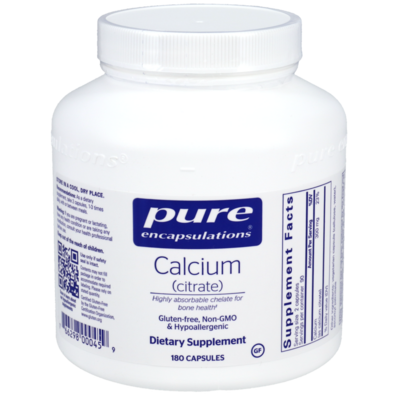 Calcium resource 1
This is my favorite Calcium product; it is well tolerated. The dose per pill is small enough that you can easily adjust it depending on your supplement intentions. Stay Strong! Dr. Mike Hauman
Inflammation Reduction
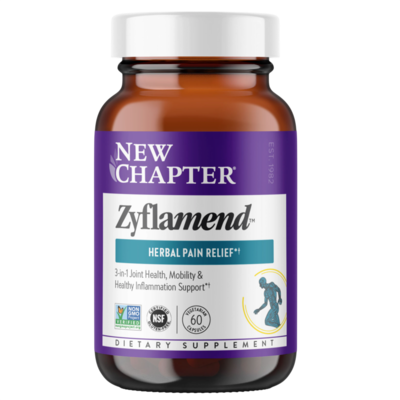
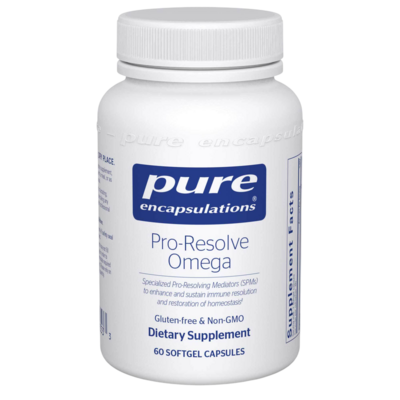
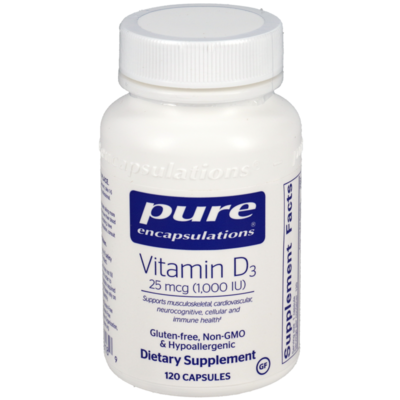 3 more items in Inflammation Reduction
You have selected the Inflammation Reduction protocol. Attached are the products I think will best support you as you progress. Please follow the instructions. Please review the attached resources as well. Put out the fire! Dr. Hauman
Omega-3, Fish oil
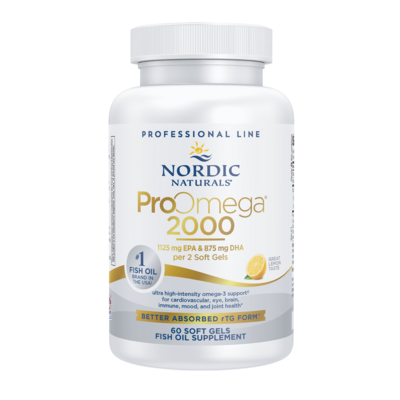
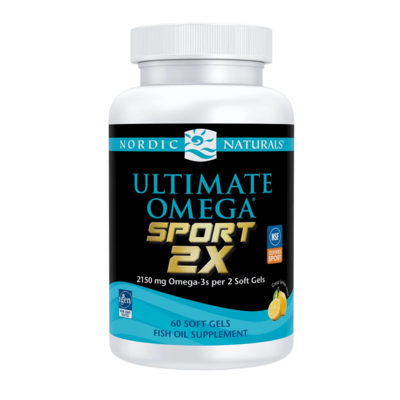 2 more items in Omega-3, Fish oil
Thank you for your interest in Aslan Health! I am pleased to share this Omega-3 Fish Oil guide to encourage and assist you on your journey to health and wellness. This includes my recommendations for the products I prefer. Select only 1 for a trial, depending on your treatment goal. Keep swimming! Dr. Mike Hauman
Shop the entire wellness catalog, held to a higher standard
Shop practitioner-grade products, each meeting the same bar for quality through Fullscript's standards.
Powered byVerified
Sourced straight from the brand — no resellers or fakes
Enhanced testing
Select products are tested in-house — get exactly what the label promises
Stored and shipped
From certified facilities, to protect product integrity