Public protocols
Holistic Way NP's general recommendations, available to anyone who visits this store.
Cognitive Support (Memory & Focus)
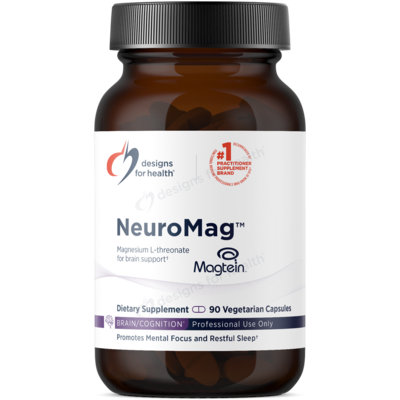
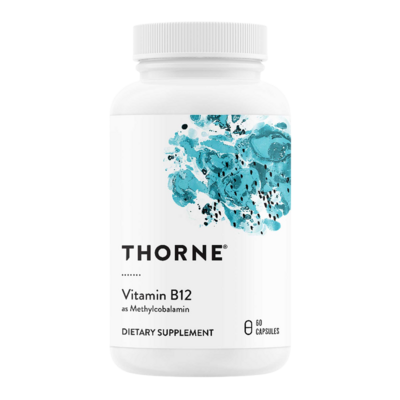
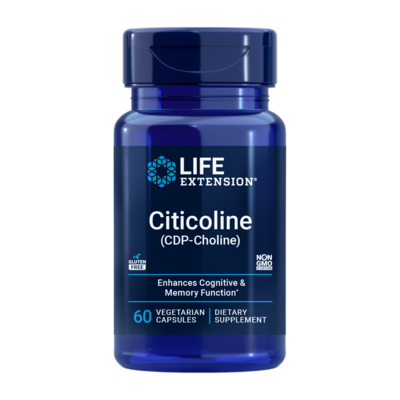
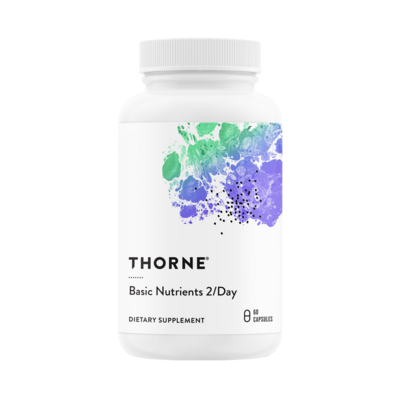
These are the most popular products people choose for memory and focus. Results are individual. You don't need all of these at once. Talk to your healthcare provider to make sure these supplements are the right choice for you, and check them against your medications in Fullscript's interaction checker (My health, then Currently taking). What to expect: Start with the multivitamin, and B12 if your level is low. Then try one product — citicoline or magnesium L-threonate — for 8–12 weeks and see whether you notice a difference. Precautions: Magnesium can build up in the blood if you have kidney disease — ask your provider first. Citicoline is usually taken in the morning. Labs worth considering first: the Memory Check Panel in our lab storefront (B12 and folate, thyroid, blood sugar, anemia, kidneys and liver). If memory keeps changing after treatable causes are ruled out, an Alzheimer's blood test (p-tau217) is also available there. When to see your provider: memory that is getting worse quickly, getting lost in familiar places, or trouble with daily tasks. Before you start: add your medications and supplements in Fullscript under My health → Currently taking, so the interaction checker can flag anything that doesn't mix well.
5 Must-Haves: Daily Basics
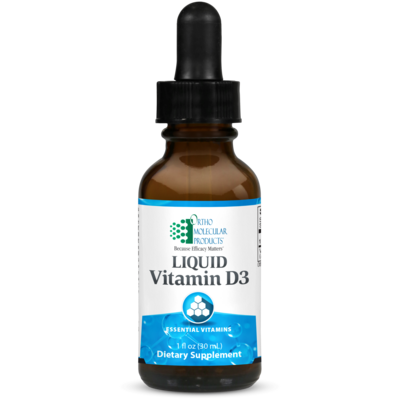
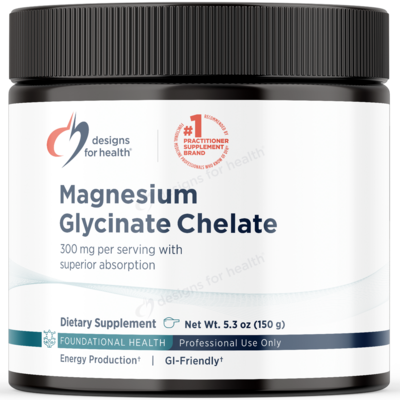 2 more items in 5 Must-Haves: Daily Basics
The 5 supplements people buy most, in versions you can trust. You don't need all of these at once. Talk to your healthcare provider to make sure these supplements are the right choice for you, and check them against your medications in Fullscript's interaction checker (My health, then Currently taking). Most popular for this Multivitamin (NSF Certified): 2 capsules a day with a meal. The NSF seal means an independent lab checked that what is on the label is actually in the bottle. Vitamin D3: 1 drop (1,000 IU) with your biggest meal. Vitamin D needs some fat to absorb. Magnesium glycinate: 1 scoop (300 mg) in water in the evening. Glycinate is the gentle form; citrate tends to loosen stools, and oxide works mostly as a laxative. Omega-3 (EPA and DHA): 1 softgel gives 820 mg of EPA + DHA. That is the number that counts, not the total amount of fish oil on the front of a bottle. Probiotic: 1 capsule a day. Every strain is named on the label, including L. rhamnosus GG, with potency guaranteed until the expiration date. What to expect Results are individual. These are everyday basics that fill common gaps in the diet, not quick fixes. Give them 2 to 3 months, and use lab results to decide what you really need. Precautions Check for interactions: in your free Fullscript account, go to My health, then Currently taking, and add every medication and supplement you take. Fullscript's interaction checker flags known interactions with the products in this protocol. Print or save the results and discuss them with your provider before starting anything new. Multivitamin: take it 4 hours apart from thyroid medication (levothyroxine). Its vitamin K can reduce the effect of warfarin. Vitamin D: the multivitamin already has 2,000 IU, so together with the drop you get 3,000 IU a day. Stay under 4,000 IU a day unless your provider advises more; too much over time raises blood calcium, which increases the risk of kidney stones. Magnesium: keep it 2 to 4 hours apart from levothyroxine, tetracycline and quinolone antibiotics, and osteoporosis tablets (bisphosphonates). If stools get loose, use half a scoop. With kidney disease, check with your provider first. Omega-3: at 2 g a day or more it can slightly increase bleeding tendency in people taking blood thinners, and high doses (around 4 g a day) raise the risk of atrial fibrillation. Avoid it if you are allergic to fish. Probiotic: mild gas or bloating in the first week is common. Antifungal medicines make the S. boulardii yeast in it less effective. Ask your provider first if you have a weakened immune system or a central line. Labs worth considering first A vitamin D and B12 check is highly recommended before starting, and a yearly check-up after that. See the Basic Vitamins panel or the Annual Wellness panel. Order them without a visit from the lab panels in this store (us.fullscript.com/j/holisticwaynp). Lab panels are not available in NY, NJ, RI or HI. When to see your provider If you are pregnant or breastfeeding, take prescription medications, or have kidney disease or a heart rhythm problem, talk to your provider before starting. This protocol is general health education, not a diagnosis or a personal treatment plan. These statements have not been evaluated by the Food and Drug Administration. These products are not intended to diagnose, treat, cure, or prevent any disease. Talk to your provider before starting any supplement - especially if you are pregnant or breastfeeding, take prescription medications, have a medical condition, or are buying for a child - and stop and contact your provider if you notice a side effect.
Weight Maintenance Support
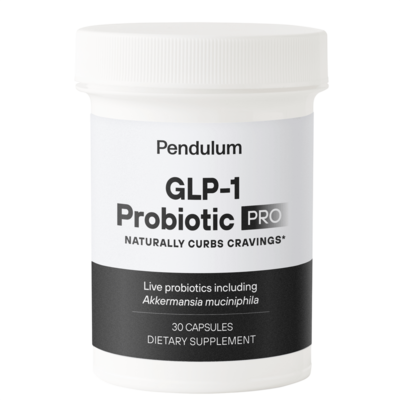

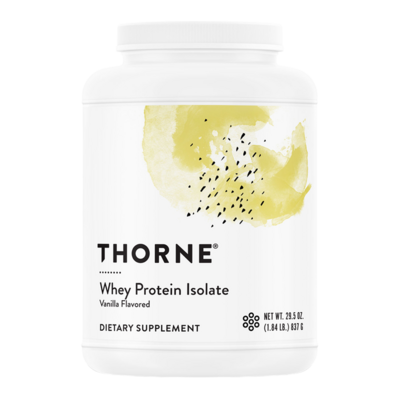 5 more items in Weight Maintenance Support
Popular picks for appetite, cravings and keeping a healthy weight. You don't need all of these at once. Talk to your healthcare provider to make sure these supplements are the right choice for you, and check them against your medications in Fullscript's interaction checker (My health, then Currently taking). Most popular for this Protein powder (whey isolate): 20 to 30 g per serving, used to reach about 1.2 to 1.6 g of protein per kg (0.5 to 0.7 g per lb) of body weight a day. The most popular product for keeping muscle and staying full after weight loss. Fiber (psyllium): Start with 1 teaspoon (about 5 g) a day in a full glass of water and build up to twice a day. Popular for fullness and steadier blood sugar. Magnesium glycinate: 120 to 240 mg in the evening. Used for sleep, because poor sleep increases hunger and cravings. Berberine: 500 mg two or three times a day with meals. Popular for blood sugar and cholesterol support; its effect is much smaller than a GLP-1 medication, so it is not a natural Ozempic. Omega-3 fish oil: 1,000 to 2,000 mg of EPA plus DHA a day with food. Used for triglycerides and heart health rather than for weight itself. GLP-1 probiotic: One capsule a day, as the label directs. A popular newer option for gut health; its effect on weight is modest so far. What to expect Results are individual. After weight loss the body raises hunger signals and burns fewer calories, so many people regain weight, especially in the first 1 to 2 years after stopping a GLP-1 medication. Regain is common but not inevitable: in real-world data a little under half of people maintained or kept losing after stopping. Supplements support the basics that matter most: protein at every meal, fiber, strength training at least twice a week, 7,000 to 10,000 steps a day, and good sleep. Precautions Check for interactions: in your free Fullscript account, go to My health, then Currently taking, and add every medication and supplement you take. Fullscript's interaction checker flags known interactions with the products in this protocol. Print or save the results and discuss them with your provider before starting anything new. Berberine: lowers blood sugar, so taken with diabetes medication (insulin, sulfonylureas or a GLP-1 medication) it increases the risk of low blood sugar. It can raise blood levels of some medications, including cyclosporine. Commonly causes constipation, cramping or diarrhea. Do not use it during pregnancy or breastfeeding. Psyllium: lowers the absorption of medications taken at the same time, including levothyroxine, so take it at least 2 hours apart from them. Always take it with a full glass of water; avoid it with swallowing problems or a narrowed bowel. Magnesium: lowers the absorption of tetracycline and quinolone antibiotics and osteoporosis medication (bisphosphonates), so take it 2 hours apart from them. With kidney disease, magnesium can build up in the blood; check with your provider first. Omega-3: may slightly increase the chance of bruising and bleeding when taken with blood thinners. Fishy burps are common; taking it with a meal helps. Protein powder: contains milk (whey). With kidney disease, check with your provider before increasing protein. Probiotics: with a severely weakened immune system, probiotics increase the risk of a bloodstream infection. Check with your provider first. Labs worth considering first A fasting glucose, HbA1c, insulin and lipid panel are highly recommended to see where your metabolism stands before and during maintenance. Order them without a visit from the lab panels in this store (us.fullscript.com/j/holisticwaynp): Metabolic / Insulin Resistance Panel. Lab panels are not available in NY, NJ, RI or HI. When to see your provider Fast weight regain despite steady habits, or regain with new tiredness, feeling cold, hair thinning or swelling, needs a visit with your provider so thyroid and other causes can be checked. If you plan to stop a GLP-1 medication, talk with your provider first about tapering and a maintenance plan. This protocol is general health education, not a diagnosis or a personal treatment plan. These statements have not been evaluated by the Food and Drug Administration. These products are not intended to diagnose, treat, cure, or prevent any disease. Talk to your provider before starting any supplement - especially if you are pregnant or breastfeeding, take prescription medications, have a medical condition, or are buying for a child - and stop and contact your provider if you notice a side effect.
Hormone & Cycle Support (PCOS)
 6 more items in Hormone & Cycle Support (PCOS)
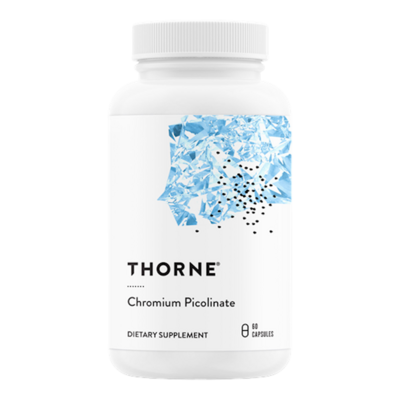
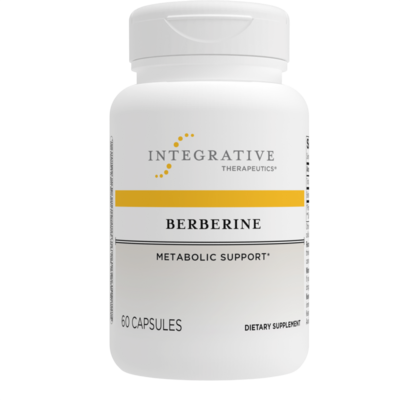
Popular picks for irregular cycles and PCOS. You don't need all of these at once. Talk to your healthcare provider to make sure these supplements are the right choice for you, and check them against your medications in Fullscript's interaction checker (My health, then Currently taking). Most popular for this Myo-inositol: 4 g a day in two doses. The most popular supplement for PCOS. Vitamin D: When your level is low. Berberine: Commonly 500 mg two to three times a day with meals. Popular for blood sugar and cycle regularity in PCOS. Omega-3 (EPA and DHA): 1 to 2 g a day. Chromium picolinate: 200 to 1,000 mcg a day. What to expect Results are individual. Give inositol at least three months. Some women see more regular cycles and others see little change. Prescription options are available when more is needed. Precautions Check for interactions: in your free Fullscript account, go to My health, then Currently taking, and add every medication and supplement you take. Fullscript's interaction checker flags known interactions with the products in this protocol. Print or save the results and discuss them with your provider before starting anything new. Myo-inositol: can cause mild nausea, gas or loose stools. It may lower blood sugar slightly further in people taking diabetes medication such as metformin. Vitamin D: more than 4,000 IU a day over time can raise blood calcium, which increases the risk of kidney stones. Berberine: can lower blood sugar further, which increases the risk of low blood sugar with insulin or a sulfonylurea. Do not use in pregnancy or while breastfeeding. It can increase blood levels of some medications, including cyclosporine. Stomach upset, constipation or diarrhea are common at the start. Omega-3: at 2 g a day or more it can slightly increase bleeding tendency in people taking blood thinners, and high doses (around 4 g a day) raise the risk of atrial fibrillation. Fishy aftertaste and mild stomach upset are the common side effects. Chromium: can lower blood sugar further in people taking diabetes medication, and lowers the absorption of thyroid medication, so take it 3 to 4 hours apart from levothyroxine. Labs worth considering first A1c, a lipid panel and vitamin D are highly recommended before starting. See the Metabolic panel. Hormone testing is ordered through your provider. Order it without a visit from the lab panels in this store (us.fullscript.com/j/holisticwaynp): Metabolic / Insulin Resistance Panel. Lab panels are not available in NY, NJ, RI or HI. When to see your provider No period for three months, trying to conceive, or fast-growing facial or body hair needs a visit with your provider. This protocol is general health education, not a diagnosis or a personal treatment plan. These statements have not been evaluated by the Food and Drug Administration. These products are not intended to diagnose, treat, cure, or prevent any disease. Talk to your provider before starting any supplement - especially if you are pregnant or breastfeeding, take prescription medications, have a medical condition, or are buying for a child - and stop and contact your provider if you notice a side effect.
Strength & Healthy Aging (50+)
 6 more items in Strength & Healthy Aging (50+)
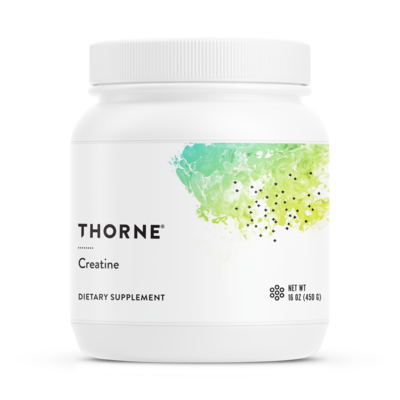
Popular picks to keep muscle and bone strong after 50. You don't need all of these at once. Talk to your healthcare provider to make sure these supplements are the right choice for you, and check them against your medications in Fullscript's interaction checker (My health, then Currently taking). Most popular for this Creatine monohydrate: 3 to 5 g daily. The most studied and most widely used form. Protein powder (whey or plant): Used to reach 25 to 40 g of protein per meal (about 1.0 to 1.2 g per kg of body weight a day). Omega-3 (EPA and DHA): 1 to 2 g a day. Commonly added for recovery. What to expect Results are individual. These support muscle and strength when combined with resistance training two or more times a week. Most people see changes over 8 to 12 weeks. Precautions Check for interactions: in your free Fullscript account, go to My health, then Currently taking, and add every medication and supplement you take. Fullscript's interaction checker flags known interactions with the products in this protocol. Print or save the results and discuss them with your provider before starting anything new. Creatine: raises the creatinine number on a blood test without harming healthy kidneys, which can make kidney function look lower than it is, so tell your provider you take it. Expect 1 to 3 lb (0.5 to 1.5 kg) of water weight at the start. With kidney disease, check with your provider first. Protein powder: with advanced kidney disease, extra protein can speed up loss of kidney function, so check with your provider first. Omega-3: at 2 g a day or more it can slightly increase bleeding tendency in people taking blood thinners, and high doses (around 4 g a day) raise the risk of atrial fibrillation. Fishy aftertaste and mild stomach upset are the common side effects. Labs worth considering first Kidney function (creatinine and eGFR) is highly recommended before starting if you are over 60 or have diabetes or high blood pressure. See the Kidney panel. Order them without a visit from the lab panels in this store (us.fullscript.com/j/holisticwaynp): Vitamin D or Kidney Function Panel. Lab panels are not available in NY, NJ, RI or HI. When to see your provider New weakness, falls or unplanned weight loss need a visit with your provider. This protocol is general health education, not a diagnosis or a personal treatment plan. These statements have not been evaluated by the Food and Drug Administration. These products are not intended to diagnose, treat, cure, or prevent any disease. Talk to your provider before starting any supplement - especially if you are pregnant or breastfeeding, take prescription medications, have a medical condition, or are buying for a child - and stop and contact your provider if you notice a side effect.
Liver Support
 3 more items in Liver Support
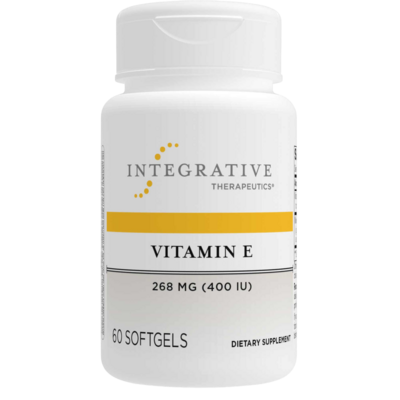
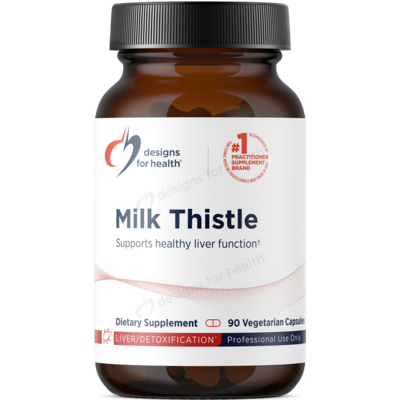
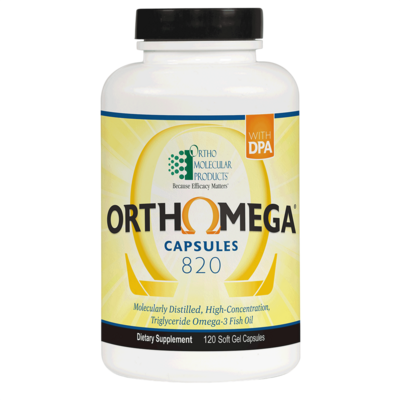
Popular picks to support a healthy liver. You don't need all of these at once. Talk to your healthcare provider to make sure these supplements are the right choice for you, and check them against your medications in Fullscript's interaction checker (My health, then Currently taking). Most popular for this Milk thistle (silymarin): Taken per label. The most popular liver supplement. Omega-3 (EPA and DHA): 2 g a day or more is used for the high triglycerides that often come with fatty liver. Vitamin E (natural, RRR-alpha-tocopherol): 800 IU daily, only when your provider recommends it for confirmed liver inflammation (MASH). Vitamin D3: 1,000 to 2,000 IU daily. What to expect Results are individual. Weight loss of 7 to 10 percent of body weight has the largest effect on fatty liver. Liver enzymes are rechecked after about three months to see your response. Precautions Check for interactions: in your free Fullscript account, go to My health, then Currently taking, and add every medication and supplement you take. Fullscript's interaction checker flags known interactions with the products in this protocol. Print or save the results and discuss them with your provider before starting anything new. Vitamin E at 800 IU: increases bleeding risk in people taking blood thinners, and in one large trial men taking vitamin E had a higher rate of prostate cancer. It is a provider decision, not a self-start supplement. Milk thistle: may lower blood sugar slightly further in people taking diabetes medication, and can cause an allergic reaction in people allergic to ragweed, daisies or marigolds. Omega-3: at 2 g a day or more it can slightly increase bleeding tendency in people taking blood thinners, and high doses (around 4 g a day) raise the risk of atrial fibrillation. Fishy aftertaste and mild stomach upset are the common side effects. Some herbal products can raise liver enzymes, including concentrated green tea extract and high-dose turmeric. Tell your provider about everything you take. Vitamin D: more than 4,000 IU a day over time can raise blood calcium, which increases the risk of kidney stones. Labs worth considering first Liver enzymes, a fibrosis score (FIB-4) and hepatitis screening are highly recommended before starting. See the Liver & Hepatitis panel. Order it without a visit from the lab panels in this store (us.fullscript.com/j/holisticwaynp): Liver & Hepatitis Screen. Lab panels are not available in NY, NJ, RI or HI. When to see your provider Yellowing of the skin or eyes, dark urine, belly swelling or confusion needs urgent evaluation. This protocol is general health education, not a diagnosis or a personal treatment plan. These statements have not been evaluated by the Food and Drug Administration. These products are not intended to diagnose, treat, cure, or prevent any disease. Talk to your provider before starting any supplement - especially if you are pregnant or breastfeeding, take prescription medications, have a medical condition, or are buying for a child - and stop and contact your provider if you notice a side effect.
Weight Loss Support (GLP-1 companion)
 13 more items in Weight Loss Support (GLP-1 companion)
Popular picks to support you while you take a GLP-1 medication. You don't need all of these at once. Talk to your healthcare provider to make sure these supplements are the right choice for you, and check them against your medications in Fullscript's interaction checker (My health, then Currently taking). Most popular for this Protein powder: Used to reach 80 to 120 g of protein a day (1.2 to 1.6 g per kg), spread across 3 to 4 meals. The most popular product for protecting muscle during weight loss. Creatine monohydrate: 3 to 5 g daily, alongside strength training. Complete multivitamin: One daily, to cover nutrients that fall when you eat less. Magnesium: Commonly used for the constipation that often comes with GLP-1 medication. Ginger: 250 mg up to four times a day. Popular for the nausea that can come with GLP-1 medication. Probiotic: One daily. Commonly used for digestive comfort on GLP-1 medication. Omega-3 (EPA and DHA): 1 to 2 g a day with food. Vitamin D3 with K2: 1,000 to 2,000 IU of D3 with 45 to 90 mcg of K2 a day. Popular for bone health, which matters during weight loss. Soluble fiber (guar fiber): Start with half a scoop a day and build up to 1 scoop (6 g of fiber). A gentle fiber commonly used for constipation and fullness. Hops extract (Amarasate): Optional. Built up slowly to 2 capsules twice a day, one hour before meals. Popular for appetite and cravings; the studies so far are small and short. What to expect You do not need everything on this list. Talk to your provider to choose what fits you best. Results are individual. These products do not cause weight loss. They help protect muscle and nutrient levels while you lose weight, and they work best with strength training three times a week. Precautions Check for interactions: in your free Fullscript account, go to My health, then Currently taking, and add every medication and supplement you take. Fullscript's interaction checker flags known interactions with the products in this protocol. Print or save the results and discuss them with your provider before starting anything new. Creatine: raises the creatinine number on a blood test without harming healthy kidneys, which can make kidney function look lower than it is, so tell your provider you take it. Expect 1 to 3 lb (0.5 to 1.5 kg) of water weight at the start. With kidney disease, check with your provider first. The water weight is not fat. Protein powder: with advanced kidney disease, extra protein can speed up loss of kidney function, so check with your provider first. Magnesium: with kidney disease, magnesium can build up in the blood to unsafe levels, so check with your provider first. It can loosen stools. Magnesium lowers the absorption of thyroid medication (levothyroxine), tetracycline and quinolone antibiotics, and osteoporosis tablets (bisphosphonates), so take it at least 2 to 4 hours apart from them. Multivitamin: iron and calcium in a multivitamin lower the absorption of thyroid medication, so take them 4 hours apart from levothyroxine. Psyllium fiber on a GLP-1 can increase fullness and nausea, so fluids, food fiber and magnesium are usually tried first. Ginger: at higher doses it may increase bleeding in people taking blood thinners, and it can cause mild heartburn. Omega-3: at 2 g a day or more it can slightly increase bleeding tendency in people taking blood thinners, and high doses (around 4 g a day) raise the risk of atrial fibrillation. Fishy aftertaste and mild stomach upset are the common side effects. Probiotics: with a severely weakened immune system, probiotics increase the risk of a bloodstream infection. Check with your provider first. Vitamin D3 with K2: vitamin K2 reduces the blood-thinning effect of warfarin, so do not take it with warfarin unless your provider agrees. Count the vitamin D in your multivitamin too: more than 4,000 IU a day in total can raise blood calcium. Guar fiber: lowers the absorption of medications taken at the same time, including thyroid medication (levothyroxine), so take it 2 hours apart from them. Mix it into a full glass of fluid. Gas and bloating are common in the first week. Hops extract: can cause loose stools, cramps or burping, and on a GLP-1 medication it can increase nausea, so start with 1 capsule a day. Do not use it during pregnancy or breastfeeding. Labs worth considering first A baseline check is highly recommended before and during weight loss: kidney function, blood sugar, B12, vitamin D and iron. See the GLP-1 Baseline panel or the Metabolic panel. Order it without a visit from the lab panels in this store (us.fullscript.com/j/holisticwaynp): Before Weight-Loss Medication: Baseline Labs. Lab panels are not available in NY, NJ, RI or HI. When to see your provider Vomiting that will not stop, severe belly pain, or signs of dehydration need a call to your provider the same day. Talk to your provider before changing or stopping the dose of your GLP-1 medication. This protocol is general health education, not a diagnosis or a personal treatment plan. These statements have not been evaluated by the Food and Drug Administration. These products are not intended to diagnose, treat, cure, or prevent any disease. Talk to your provider before starting any supplement - especially if you are pregnant or breastfeeding, take prescription medications, have a medical condition, or are buying for a child - and stop and contact your provider if you notice a side effect.
Bone Support
 8 more items in Bone Support
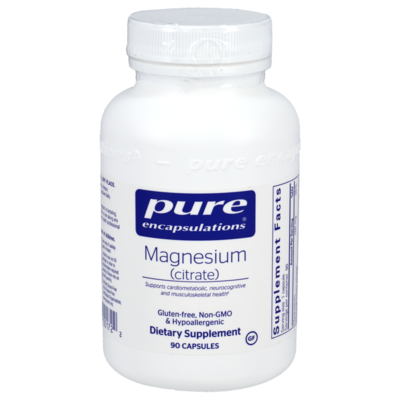
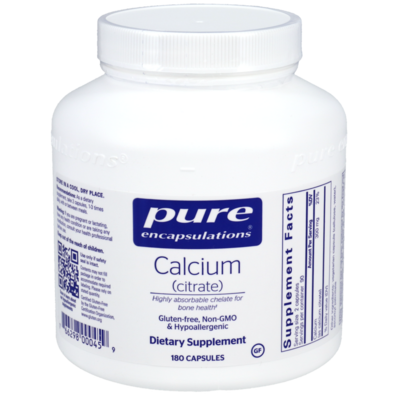
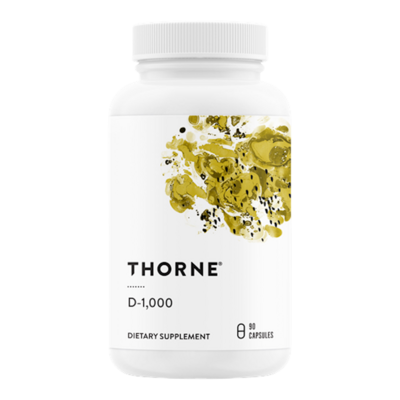
Popular picks to keep your bones strong, with optional joint support. You don't need all of these at once. Talk to your healthcare provider to make sure these supplements are the right choice for you, and check them against your medications in Fullscript's interaction checker (My health, then Currently taking). Most popular for this Calcium (citrate or carbonate): 500 to 600 mg of elemental calcium per dose at most, to bring your total from food and supplement to 1,000 to 1,200 mg a day. Vitamin D3: 800 to 1,000 IU daily for adults over 50. Protein powder: Used to reach 1.0 to 1.2 g of protein per kg of body weight a day. Vitamin K2 (often combined with D3): Commonly 90 to 180 mcg a day as MK-7. A popular partner to vitamin D. Magnesium glycinate: 200 to 350 mg of elemental magnesium a day. What to expect Results are individual. Calcium and vitamin D supply the building material for bone and are needed for osteoporosis medication to work safely. Bone density changes slowly and is measured over one to two years. Strength and impact exercise add the most. Precautions Check for interactions: in your free Fullscript account, go to My health, then Currently taking, and add every medication and supplement you take. Fullscript's interaction checker flags known interactions with the products in this protocol. Print or save the results and discuss them with your provider before starting anything new. Calcium: more than you need increases the risk of kidney stones and commonly causes constipation. Calcium lowers the absorption of thyroid medication, iron, tetracycline and quinolone antibiotics, and osteoporosis tablets, so take it 2 to 4 hours apart. With a thiazide water pill (such as hydrochlorothiazide), calcium supplements can raise blood calcium too high. Calcium carbonate needs food to be absorbed; calcium citrate does not. Vitamin D: more than 4,000 IU a day over time can raise blood calcium, which increases the risk of kidney stones. Protein powder: with advanced kidney disease, extra protein can speed up loss of kidney function, so check with your provider first. Vitamin K2: reduces the blood-thinning effect of warfarin. Do not take it with warfarin unless your provider agrees. Magnesium: with kidney disease, magnesium can build up in the blood to unsafe levels, so check with your provider first. It can loosen stools. Magnesium lowers the absorption of thyroid medication (levothyroxine), tetracycline and quinolone antibiotics, and osteoporosis tablets (bisphosphonates), so take it at least 2 to 4 hours apart from them. Labs worth considering first A vitamin D level and a blood calcium are highly recommended before starting. See the Vitamin D test. A bone density scan (DXA) is ordered through your provider. Order them without a visit from the lab panels in this store (us.fullscript.com/j/holisticwaynp): Vitamin D or Kidney Function Panel. Lab panels are not available in NY, NJ, RI or HI. When to see your provider If you are starting or taking an osteoporosis injection or infusion, your provider needs to confirm your calcium and vitamin D levels first. A fracture from a minor fall, or loss of height, needs a visit. This protocol is general health education, not a diagnosis or a personal treatment plan. These statements have not been evaluated by the Food and Drug Administration. These products are not intended to diagnose, treat, cure, or prevent any disease. Talk to your provider before starting any supplement - especially if you are pregnant or breastfeeding, take prescription medications, have a medical condition, or are buying for a child - and stop and contact your provider if you notice a side effect.
Stress & Mood Support
 5 more items in Stress & Mood Support
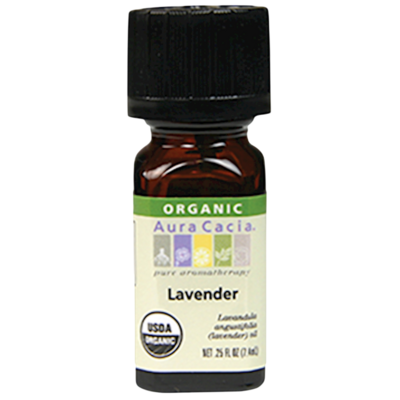
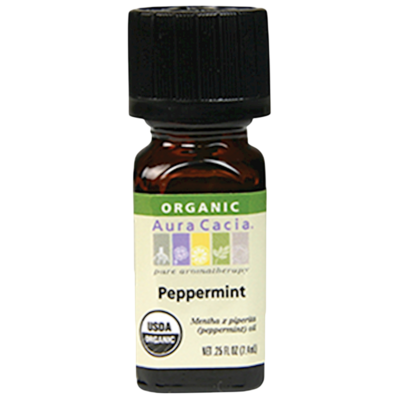
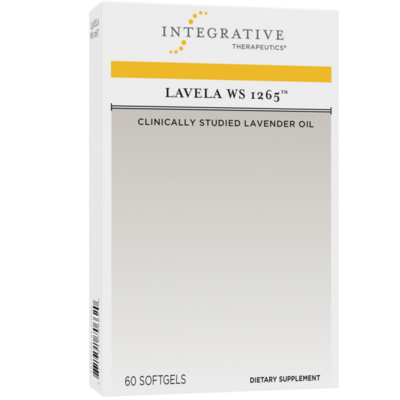
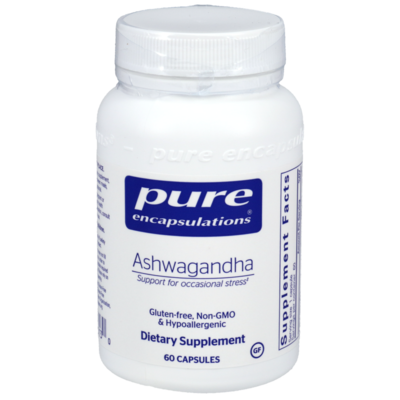
These are the most popular products people choose for stress and mood. Results are individual. You don't need all of these at once. Talk to your healthcare provider to make sure these supplements are the right choice for you, and check them against your medications in Fullscript's interaction checker (My health, then Currently taking). What to expect: L-theanine is usually felt the same day. Magnesium, ashwagandha and Lavela (oral lavender oil) are typically judged after 4–8 weeks. Lavender essential oil is for diffusing in the evening, not for swallowing. Precautions: Ashwagandha can raise thyroid hormone levels, so avoid it with hyperthyroidism and check with your provider if you take thyroid medication. Ashwagandha and Lavela can increase drowsiness when combined with sleep or anxiety medications. Do not use ashwagandha during pregnancy. Magnesium can build up in the blood with kidney disease. Labs worth considering first: Thyroid Panel and Vitamin D Panel in our lab storefront. When to see your provider: low mood or anxiety most days for two weeks or more, or panic attacks. If you have thoughts of harming yourself, call or text 988 right away. Before you start: add your medications and supplements in Fullscript under My health → Currently taking, so the interaction checker can flag anything that doesn't mix well.
Shop the entire wellness catalog, held to a higher standard
Shop practitioner-grade products, each meeting the same bar for quality through Fullscript's standards.
Powered byVerified
Sourced straight from the brand — no resellers or fakes
Enhanced testing
Select products are tested in-house — get exactly what the label promises
Stored and shipped
From certified facilities, to protect product integrity