Public protocols
12 of Dr. Toni Varela's Dispensary's general recommendations, available to anyone who visits this store.
PCOS * Polycystic Ovarian Syndrome
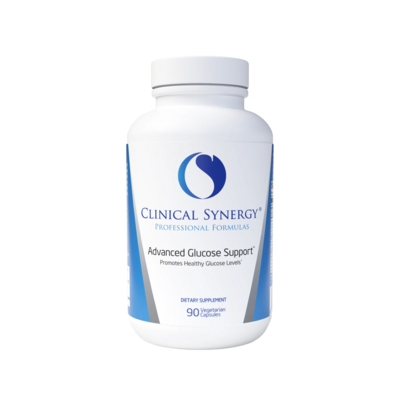
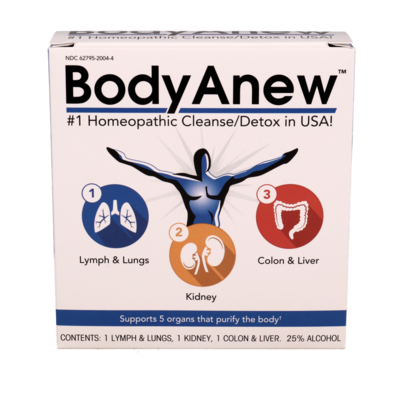
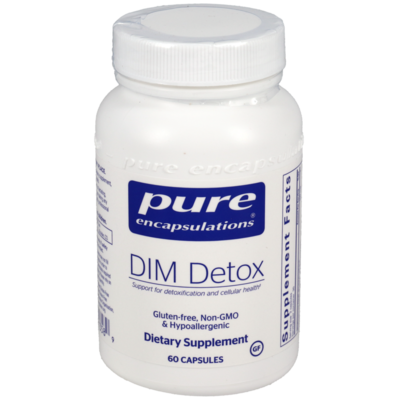 2 more items in PCOS * Polycystic Ovarian Syndrome
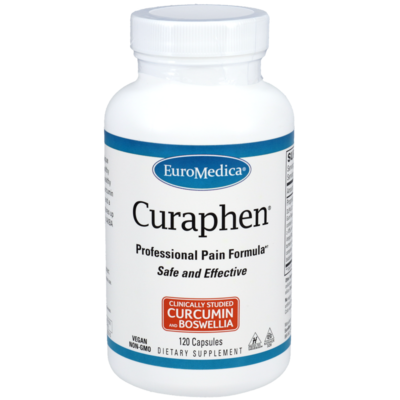
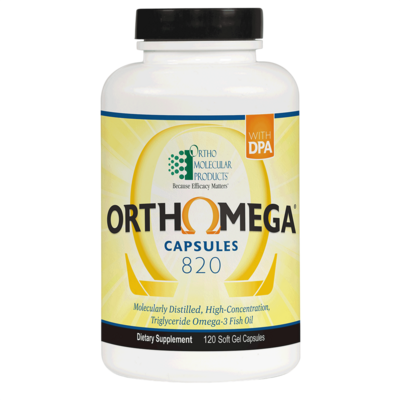
Endometriosis is a tough condition to treat and natural therapy doesn't lead to overnight results. It can take 3 to 6 months to see symptom improvement, and longer (up to 12 months) to see changes on laparascopic evaluation. Unless endo tissue is getting in the way of getting pregnant, it's not necessary to follow up with laparoscopy. If your symptoms improve, that can be your guide. I recommend staying on your herb and supplement protocol on a daily basis for at least 6 months before you decide whether it's working for you – and continue if you feel it is until no longer needed. I highly recommend keeping an endometriosis symptom journal as you start to use natural therapies, even if just keeping track of dates and a 1-10 pain scale (1 = no pain, 10 = horrible pain) weekly or a couple of times each week can be helpful. Sometimes when we're so used to feeling awful, we don't even recognize when we're starting to get improvement – keeping a journal while you're using a natural approach can give you those insights more clearly, and if at any time you're not getting the benefits you hope for, you can always add in or shift to conventional and alternative therapies not already covered. Truly integrative doesn't polarize one option as better than the other – it's a continuum that you get to choose from. And getting even some natural relief may help you avoid sometimes unnecessarily aggressive measures – including hysterectomy.
View protocolEndometriosis Support
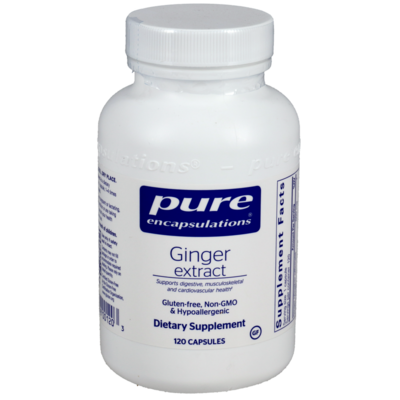
 10 more items in Endometriosis Support
Endometriosis is a tough condition to treat and natural therapy doesn't lead to overnight results. It can take 3 to 6 months to see symptom improvement, and longer (up to 12 months) to see changes on laparascopic evaluation. Unless endo tissue is getting in the way of getting pregnant, it's not necessary to follow up with laparoscopy. If your symptoms improve, that can be your guide. I recommend staying on your herb and supplement protocol on a daily basis for at least 6 months before you decide whether it's working for you – and continue if you feel it is until no longer needed. I highly recommend keeping an endometriosis symptom journal as you start to use natural therapies, even if just keeping track of dates and a 1-10 pain scale (1 = no pain, 10 = horrible pain) weekly or a couple of times each week can be helpful. Sometimes when we're so used to feeling awful, we don't even recognize when we're starting to get improvement – keeping a journal while you're using a natural approach can give you those insights more clearly, and if at any time you're not getting the benefits you hope for, you can always add in or shift to conventional and alternative therapies not already covered. Truly integrative doesn't polarize one option as better than the other – it's a continuum that you get to choose from. And getting even some natural relief may help you avoid sometimes unnecessarily aggressive measures – including hysterectomy.
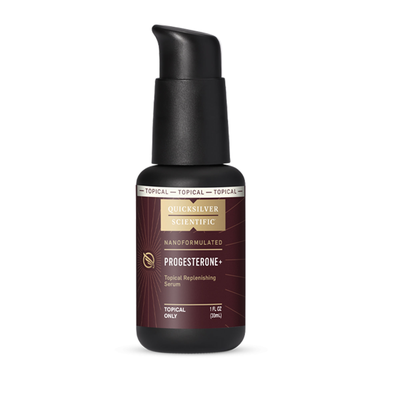
View protocolPreMenstrual Stress (PMS) + PMDiscomfort
View protocol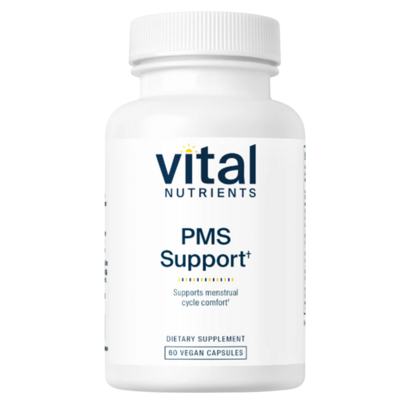
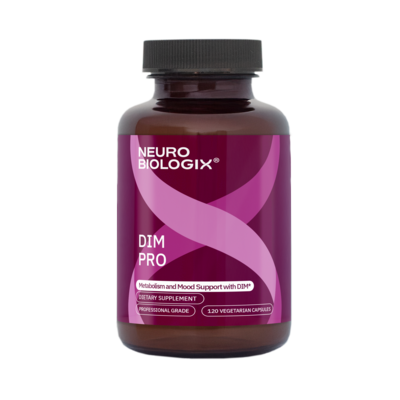 3 more items in PreMenstrual Stress (PMS) + PMDiscomfort
Women's Health - General Wellness for Reproductive Years
View protocol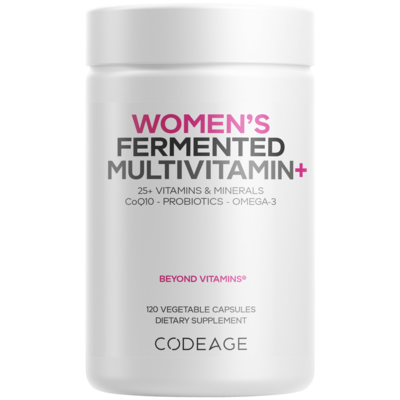
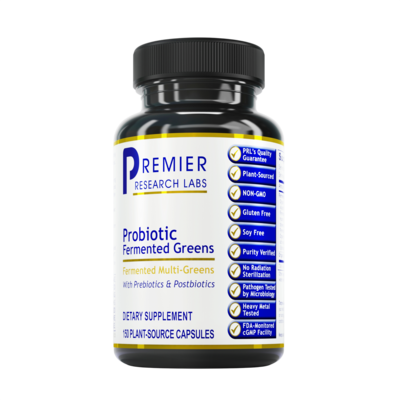
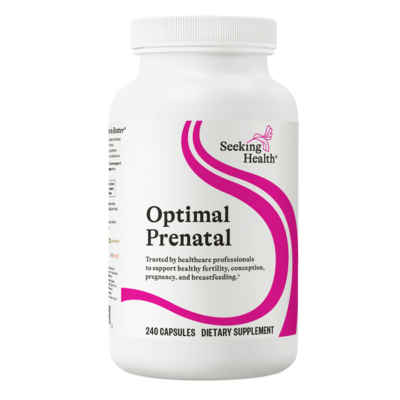 5 more items in Women's Health - General Wellness for Reproductive Years
Women's Health: Menopause - Peri + Post
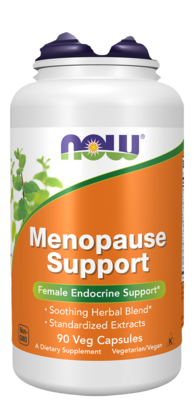
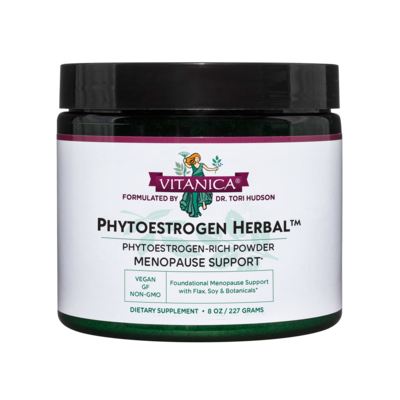
 3 more items in Women's Health: Menopause - Peri + Post
WHAT IS MENOPAUSE? Menopause is divided into three stages: perl-menopause, menopause, and post-menopause. Peri-menopause is a stage in the female life-cycle which marks the beginning transition into menopause, or the official end of menstruation. Most women reach peri-menopause between their late thirties to late forties and it may last two to eight years. The term menopause is defined by one year free of experiencing a menstrual cycle. Menopause is an individualized experience and women may experience varying degrees of symptoms or discomfort. The symptomology experienced during menopause is related to hormonal changes. Throughout the reproductive stage, the ovaries produce three hormones: estrogen, progesterone, and testosterone. During menopause, the ovaries gradually reduce their production of these hormones. As hormone levels rise and fall unevenly, many women experience uncomfortable symptoms including hot flashes, sleep disturbances, mood swings, and sexual discomfort. In addition to uncomfortable symptoms, going through menopause also increases a woman's risk of developing cardiovascular and metabolic dysfunction along with bone density disorders. "This information has not been evaluated by the Food and Drug Administration. This information is not intended to diagnose, treat, cure, or prevent any disease. It is written solely for informational and educational purposes. Please consult vour healthcare professional for your specific needs. Feel free to book a consult with Dr. Varela, NMD for individualized medical treatment at drtonivarela.com/book" 3 STAGES OF MENOPAUSE Peri-menopause: Natural part of aging that signifies the gradual end of the reproductive stage. Transition stage that lasts 2-8 years Symptoms: Intermittent periods, decreased fertility and sexual function, hot flashes, vaginal dryness, headaches, mood swings, sleep disturbances Menopause: Permanent end of menstruation and fertility. Defined as one year after final period. Symptoms: Same as peri-menopause, increased abdominal fat, thinning hair, infertility Post-menopause: The time after menopause Symptoms: Weight gain, low bone density, increased risk for cardiovascular disorders and certain cancers Am I entering menopause? Check the following symptoms that apply to you. • Hot flashes/night sweats • Irregular menstrual cycle/spotting • Vaginal dryness, pain and/or itching • Headaches or migraines • Dry skin and hair/loss of skin tone • Growth of facial hair • Easy bruising • Bone or joint pain (lower back or hip) • Insomnia or sleep disturbances • Fluid retention/swelling Weight gain • Frequent bloating, flatulence, constipation or diarrhea • Mood swings or irritability • Depression or anxiety • Mental fog • Loss of libido • Painful intercourse • Urinary incontinence • Fatigue If you checked four or more of the preceding symptoms and are between the ages of 45 and 54, you may be experiencing menopause. For some women, the symptoms experienced during menopause are moderate and easily managed. If your symptoms are more severe and disruptive, do not hesitate to seek medical advice. A reduction in symptoms and enhanced comfort can often be achieved via simple lifestyle changes and natural products. Traditional and modern conventional treatment of menopausal symptoms involves supplementing patients with pharmaceutical branded horse steroid hormones to stabilize uneven estrogen levels, which presents many controversial risks. Fortunately, many natural products can be used to support modulation of hormone levels. And if all else fails, plant based bio-identical hormone replacement (BHRT) can be prescribed. Foods for Menopause: • Eat a healthy, balanced diet for a reduction in menopausal discomfort and to reduce risk of chronic disease. • Phytoestrogens or isoflavones are plant compounds that have mild estrogen-like activity in the body. Consumption of phytoestrogens has been linked to a reduction in menopausal symptoms. Flax seed and organic soy are both rich sources of phytoestrogens. • Reduce intake of alcohol, caffeine or spicy foods as these may exacerbate hot flash symptoms. • Limit sodium intake to reduce feelings of bloating secondary to excess water retention. Sodium may also negatively affect blood pressure. • Add seaweed to salads or soups. Seaweed contains plant lignins that have gentle estrogen-like activity. In addition, seaweed is rich in essential minerals that support endocrine hormone production and bone density. Try nori, hijiki, kelp, or kombu. Lifestyle Tips: • Wear loose-fitting clothing and dress in layers if experiencing hot flashes. This allows you to be in better control of your body temperature. • Exercise regularly. Individuals who engage in regular physical activity have been shown to experience less adverse menopausal symptoms. Physical activity also supports a healthy body composition and improves mood. • Incorporate daily relaxation techniques to support stress reduction. •Take a cold or tepid shower before bed to lower body temperature and prevent night sweats. • Try using a non-prescription, water-based lubricant to alleviate vaginal dryness and sexual discomfort. PORTION CONTROL: Unwanted weight gain is a common side effect of the hormonal changes that occur during menopause. As a result, many women feel the need to restrict calories and food intake in order to maintain their body weight. Food restriction can unfortunately lead to deficiencies in essential vitamins and minerals which may increase the patient's risk for chronic disease or jeopardize bone mass. Demonstrating portion control while consuming balanced, nutrient dense meals is essential to prevent weight gain and meet nutrition needs. Use the tips below to help you make appropriate portion selections. DESIRED PORTION Meat, poultry (3 oz.) THINK... deck of cards checkbook Chicken filet or grilled/baked fish (3 oz.) THINK... checkbook Cheese (1.5 oz.) THINK...3 stacked dice Hot whole grain cereals, beans (1/2 c.) THINK...2 golf balls Cooked potato or whole grain cereal/rice/pasta (1 c.) THINK...1 baseball Pancake THINK...1 CD Nut butter (2 Tbl.) THINK...1 ping pong ball Salad greens (1 c.) THINK...1baseball Fruit (1 c.) THINK...your fist Cooking oil (1 Tbl.) THINK...your thumb tip Helpful Tips and Facts for Portion Control: • Try eating meals on salad plates. Regular dinner plates encourage larger meals. • Eat calorie dense foods such as ice cream or creamed soups out of ramekins instead of bowls. • Avoid eating snack foods directly out of the package. Snacking this way can lead to over-eating. Instead, serve yourself the desired amount and put the package away. • Entrees at restaurants often provide multiple servings. Try to take at least ½ home for delicious leftovers. • Eat slowly and eliminate distractions. Taking time to enjoy your food will increase satisfaction and make you less likely to overeat. • Beginning a meal with a nutritious low calorie salad or soup can be a great way to meet nutrient needs and make you less likely to overindulge. • Don't be afraid to utilize measuring tools or food scales when determining portions. This is the most exact way to ensure correct serving sizes. POST-MENOPAUSE AND BEYOND: After completing the transition through menopause, a woman is post-menopausal. For many women, this stage induces a sense of relief. Menopausal symptoms begin to subside and monthly menstruation is long over. After menopause, being vigilant about health care practices becomes vitally important. Making conscious dietary and lifestyle choices can be protective against the development of chronic disease and supports a healthy and graceful aging process. Work with your health care practitioner to ensure you are receiving scheduled check ups and necessary health screenings crucial to the management of your health. Some of the health risks faced by this population are an increased risk for certain cancers, bone health issues, cardiovascular dysfunction, and cognitive decline. We provide products that support the basic nutritional needs of this population, as well as programs and products specifically designed for their primary health concerns, e.g. bone + joint, breast, + heart health. Feel free to review the other guides listed in Dr. Varela's Dispensary for detailed information for those specific concerns.
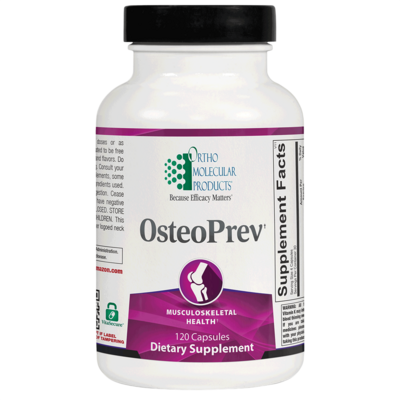
View protocolBone Density Maintenance
WHAT IS MENOPAUSE? Menopause is divided into three stages: perl-menopause, menopause, and post-menopause. Peri-menopause is a stage in the female life-cycle which marks the beginning transition into menopause, or the official end of menstruation. Most women reach peri-menopause between their late thirties to late forties and it may last two to eight years. The term menopause is defined by one year free of experiencing a menstrual cycle. Menopause is an individualized experience and women may experience varying degrees of symptoms or discomfort. The symptomology experienced during menopause is related to hormonal changes. Throughout the reproductive stage, the ovaries produce three hormones: estrogen, progesterone, and testosterone. During menopause, the ovaries gradually reduce their production of these hormones. As hormone levels rise and fall unevenly, many women experience uncomfortable symptoms including hot flashes, sleep disturbances, mood swings, and sexual discomfort. In addition to uncomfortable symptoms, going through menopause also increases a woman's risk of developing cardiovascular and metabolic dysfunction along with bone density disorders. "This information has not been evaluated by the Food and Drug Administration. This information is not intended to diagnose, treat, cure, or prevent any disease. It is written solely for informational and educational purposes. Please consult vour healthcare professional for your specific needs. Feel free to book a consult with Dr. Varela, NMD for individualized medical treatment at drtonivarela.com/book" 3 STAGES OF MENOPAUSE Peri-menopause: Natural part of aging that signifies the gradual end of the reproductive stage. Transition stage that lasts 2-8 years Symptoms: Intermittent periods, decreased fertility and sexual function, hot flashes, vaginal dryness, headaches, mood swings, sleep disturbances Menopause: Permanent end of menstruation and fertility. Defined as one year after final period. Symptoms: Same as peri-menopause, increased abdominal fat, thinning hair, infertility Post-menopause: The time after menopause Symptoms: Weight gain, low bone density, increased risk for cardiovascular disorders and certain cancers Am I entering menopause? Check the following symptoms that apply to you. • Hot flashes/night sweats • Irregular menstrual cycle/spotting • Vaginal dryness, pain and/or itching • Headaches or migraines • Dry skin and hair/loss of skin tone • Growth of facial hair • Easy bruising • Bone or joint pain (lower back or hip) • Insomnia or sleep disturbances • Fluid retention/swelling Weight gain • Frequent bloating, flatulence, constipation or diarrhea • Mood swings or irritability • Depression or anxiety • Mental fog • Loss of libido • Painful intercourse • Urinary incontinence • Fatigue If you checked four or more of the preceding symptoms and are between the ages of 45 and 54, you may be experiencing menopause. For some women, the symptoms experienced during menopause are moderate and easily managed. If your symptoms are more severe and disruptive, do not hesitate to seek medical advice. A reduction in symptoms and enhanced comfort can often be achieved via simple lifestyle changes and natural products. Traditional and modern conventional treatment of menopausal symptoms involves supplementing patients with pharmaceutical branded horse steroid hormones to stabilize uneven estrogen levels, which presents many controversial risks. Fortunately, many natural products can be used to support modulation of hormone levels. And if all else fails, plant based bio-identical hormone replacement (BHRT) can be prescribed.
View protocol


Shop the entire wellness catalog, held to a higher standard
Shop practitioner-grade products, each meeting the same bar for quality through Fullscript's standards.
Powered byVerified
Sourced straight from the brand — no resellers or fakes
Enhanced testing
Select products are tested in-house — get exactly what the label promises
Stored and shipped
From certified facilities, to protect product integrity