Public protocols
Phases Clinic Fullscript Account's general recommendations, available to anyone who visits this store.
Mood and Anxiety
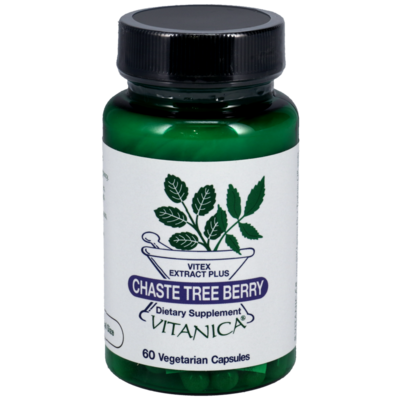
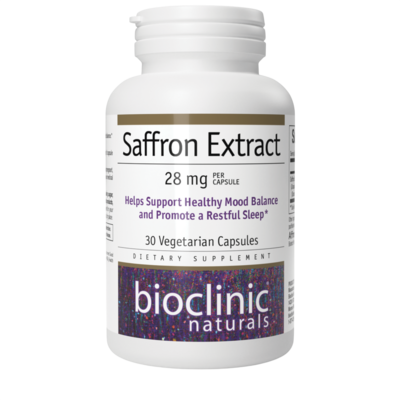
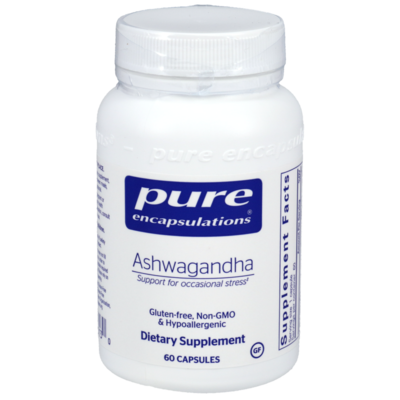 5 more items in Mood and Anxiety
Moderate exercise 150 min/week (walking, swimming, or yoga) has stronger evidence for menopausal mood than most supplements. Mindfulness meditation 10–20 min/day (try Insight Timer or UCLA Mindful apps) can prevent depressive symptoms. If mood symptoms are significantly impacting daily life, cognitive behavioral therapy (CBT) is specifically recommended by menopause guidelines and can be accessed through telehealth. Although St. John's Wort is effective, it interacts with many other medications and can cause serious side effects including serotonin syndrome. Therefore, we recommend to avoid it.
Pain Solutions

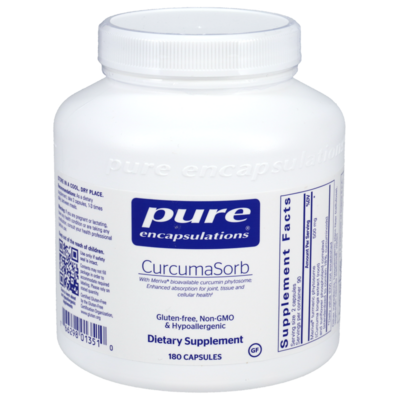
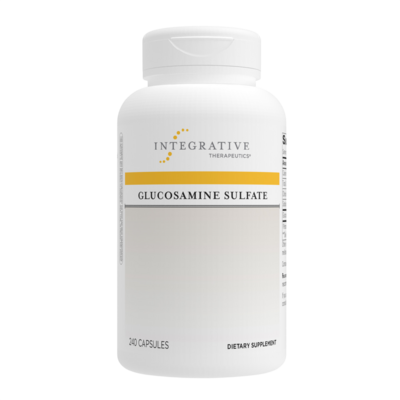 3 more items in Pain Solutions
Regular, gentle exercise and mind-body practices are the mainstays of treatment for chronic pain. Manual therapy, cognitive behavioral therapy, and acupuncture help in addition. An app like Curable may help promote pain relief through the brain-body connection. Try 6 weeks free at https://www.curablehealth.com/connect-qr/6280302059847680/link Topical diclofenac gel (eg. Voltaren gel) is a safer anti-inflammatory option that is effective for joint pain. Topical CBD, lidocaine, and capsaicin (like Salonpas Hot) may be helpful as well.
Restful Sleep
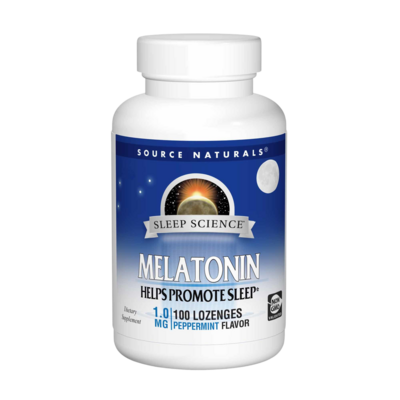 8 more items in Restful Sleep
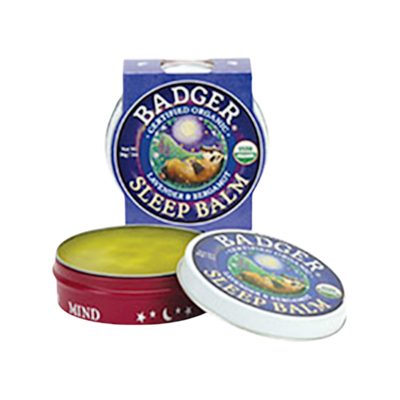
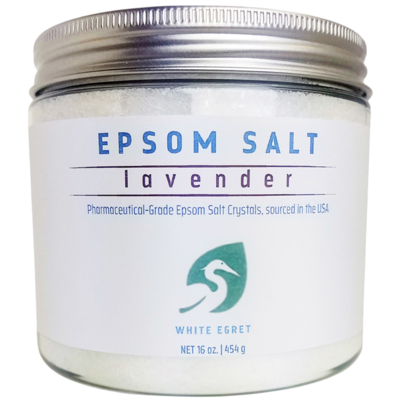
Your Bed = Sleep Only Train your brain to associate your bed with restful sleep. Keep your bedroom free from distractions — TV, cell phone, kids, pets, and snoring partners. Keep the room cool, dark, and quiet. If You Wake Up at Night If you don't fall back asleep within about 15 minutes, leave your room and do a soothing activity like reading or listening to music until you feel sleepy again. Don't look at the time — clock-watching makes it harder to fall back asleep. Exercise Regular exercise improves sleep quality as much as some sleep medications. The key is timing: finish vigorous exercise at least 4 hours before bedtime. Light activity like stretching or yoga in the evening is fine. Morning or afternoon workouts are ideal for sleep benefits. Evening Habits - Stop caffeine after noon - Avoid alcohol — it may help you fall asleep but fragments sleep later in the night - Avoid heavy meals or snacking within 2–3 hours of bedtime - Dim lights and avoid screens 30–60 minutes before bed Wind-Down Routine A consistent pre-sleep ritual signals your body it's time for sleep. This could include a warm bath with lavender Epsom salts, applying sleep balm, reading, or gentle stretching. Try to go to bed and wake up at the same time every day — even on weekends. Consistency matters more than total hours.
The Bendy Menopause Super Stack
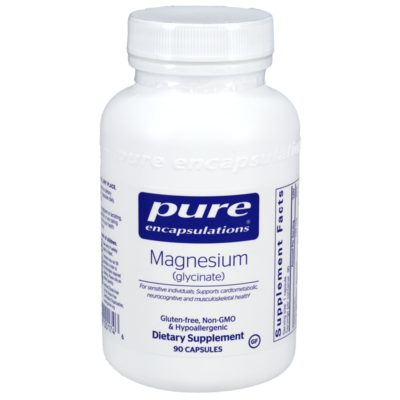
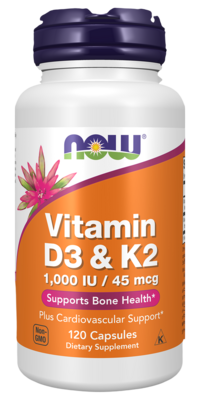
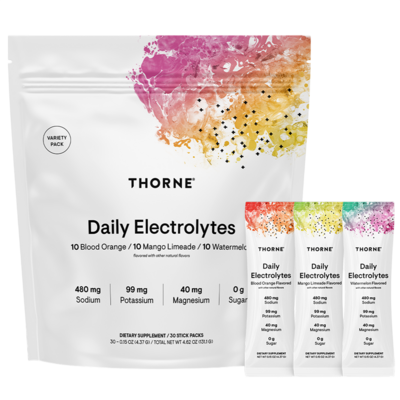 12 more items in The Bendy Menopause Super Stack
If you're navigating perimenopause with a hypermobile or sensitive body — whether that means EDS, MCAS, POTS, or just a system that's always been a little extra — this plan was built for you. Standard menopause advice doesn't always account for connective tissue that needs extra collagen support, a mast cell system that's easily triggered, or a nervous system managing dysautonomia on top of fluctuating hormones. These supplements were selected for their cross-symptom coverage and evidence base specifically in this population: targeting pain, neuroinflammation, mast cell stabilization, cognitive resilience, mood, sleep, and the connective tissue foundation that keeps a hypermobile body functioning well. Start with what resonates most and build from there — you don't have to take everything at once. TIER 1 — The Foundation (start here, weeks 1-2) Lowest cost, highest breadth. These four address the most universal needs in this population. Magnesium Glycinate — take at bedtime first so you notice the sleep benefit early Vitamin D3/K2 — morning with food, ongoing Electrolytes — daily, especially if you have orthostatic symptoms Vitamin C 2g — split into two doses, morning and evening TIER 2 — The Core Stack (add weeks 3-4) This is where the EDS triad-specific work happens. PEA — introduce at a lower dose (1 capsule twice daily) before moving to full dose; give it 4-6 weeks Quercetin w/ Bromelain — pairs synergistically with Vitamin C for mast cell support Omega-3 (high EPA) — with food to minimize any GI sensitivity TIER 3 — The Supercharge (add weeks 5-6) Mood, cognition, resilience, and nervous system regulation. Ashwagandha — bedtime, pairs well with magnesium glycinate Saffron 28mg — morning or evening, consistent daily timing matters Creatine 5g — stir into coffee, water, or a smoothie; easy to forget it's there A few notes on starting: Go slow if you're MCAS-reactive. Introduce one new supplement at a time with 3-5 days between additions so you can identify any reactivity. Most people tolerate this stack well, but sensitive systems deserve a slower on-ramp. You don't have to do all three tiers. Tier 1 alone is genuinely impactful. Tier 2 is where the EDS-specific benefit concentrates. Tier 3 is the full supercharge — add it when you're ready and your budget allows. Timing matters more than perfection. Consistent daily use at any dose beats sporadic use at the perfect dose. Build the habit first, optimize later. Check with your provider before starting if you are on antidepressants (saffron, ashwagandha) or blood thinners (omega-3, quercetin).
Metabolic Support
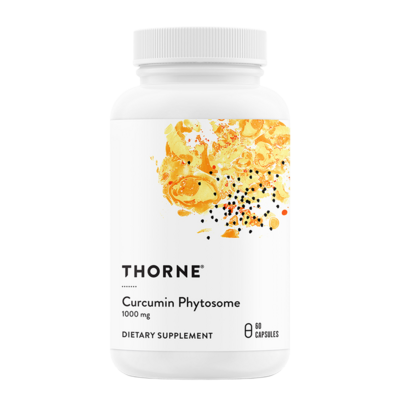
 2 more items in Metabolic Support
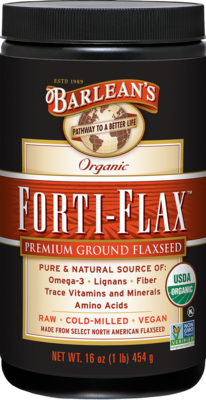
Nutrient-rich diets such as the Mediterranean Diet, DASH Diet, and MIND Diet have the best evidence for sustained weight loss. Aerobic exercise >200 min/week is associated with better weight maintenance, while protein intake (1.2 g/kg body weight) and r esistance training 2–3x/week helps to preserve lean mass. It's also important to prioritize sleep and stress management.
Hot Flashes and Night Sweats

 3 more items in Hot Flashes and Night Sweats
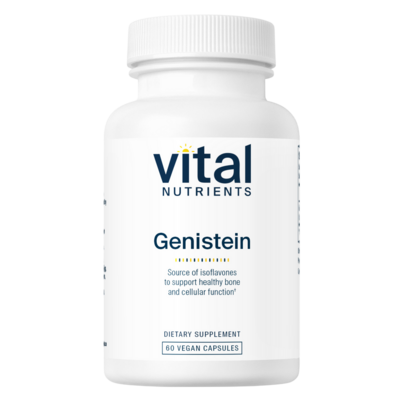
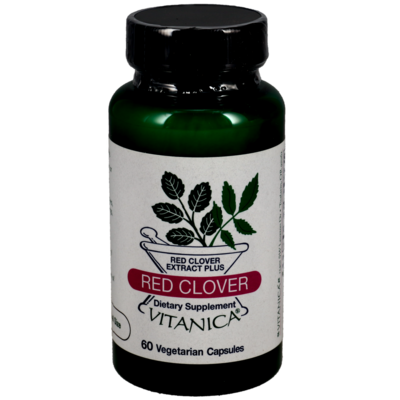
Genistein and red clover act like estrogen in the body -- important to know if you have a history of estrogen-sensitive cancer. Swedish flower pollen and black cohosh do not seem to act like estrogen in the body, but more study is needed.
Libido & Arousal

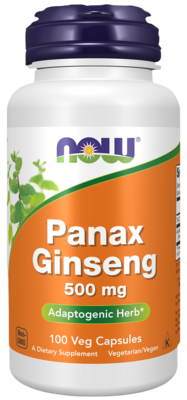
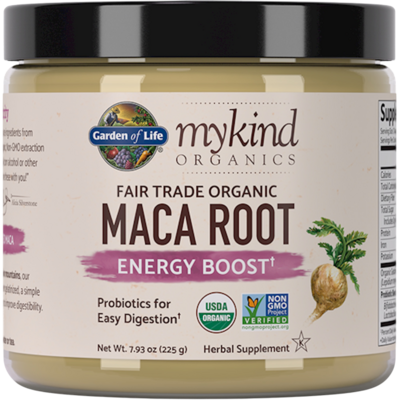
The first line treatment for low libido is sex therapy. Phases Clinic is participating in an eSense pilot program for online sex therapy. Use code PHASES15 for a 2 week free trial and 15% off the full course - https://account.esensehealth.com/take-charge-of-your-sexual-well-being-risk-free-for-14-days
Genitourinary Symptoms
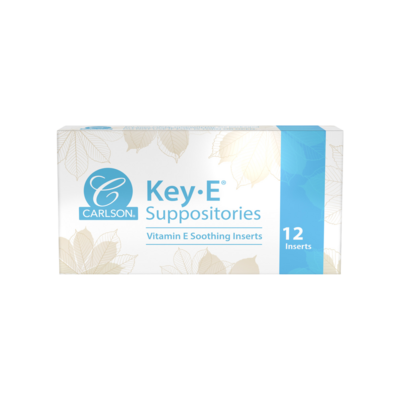
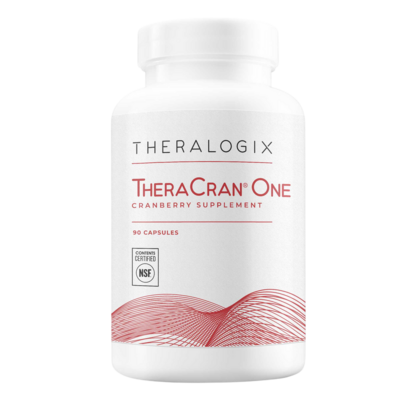
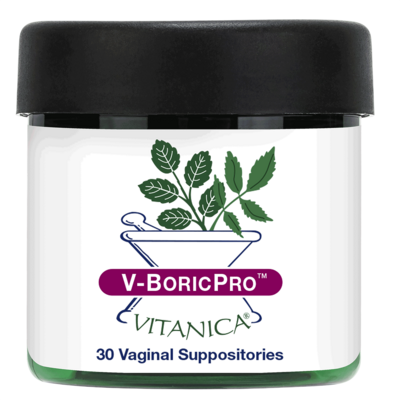

The genitals only need to be cleaned with water; using soap or douches can increase irritation. Use free and clear detergent on any clothing that will touch genital skin. Other helpful products that are not included here: Medicine Mama VMAGIC Balm for external irritation. Lubricants: Good Clean Love (water-based, pH balanced), Uberlube (silicone), MedRoots (oil) Revaree hyaluronic acid suppositories
Breast/Chest Tenderness
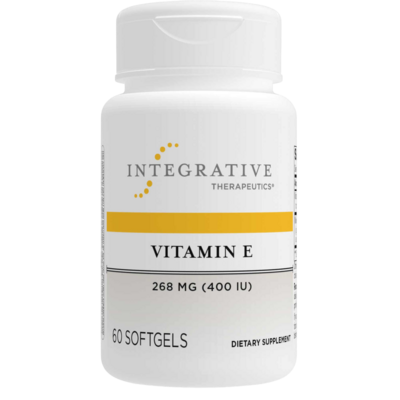
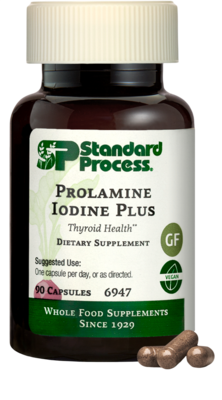
Well-fitted supportive bra: A properly fitted bra that reduces breast movement can provide meaningful pain relief, particularly for pendulous breasts. Dietary optimization: Increase dietary fiber to 25-40 g/day (fruits, vegetables, whole grains, legumes). Ensure regular bowel movements (avoiding constipation). Reducing dietary fat to 15% of calories significant reduced premenstrual breast/chest tenderness and swelling in one study. Caffeine reduction: Evidence is mixed, but some people report improvement. Topical NSAIDs: Topical diclofenac gel (eg. Voltaren) applied to the breast is effective for localized tenderness.
Shop the entire wellness catalog, held to a higher standard
Shop practitioner-grade products, each meeting the same bar for quality through Fullscript's standards.
Powered byVerified
Sourced straight from the brand — no resellers or fakes
Enhanced testing
Select products are tested in-house — get exactly what the label promises
Stored and shipped
From certified facilities, to protect product integrity